Table of Contents
If you’ve ever experienced that persistent ringing, buzzing, or whooshing sound in your ears, you’re familiar with tinnitus a condition affecting millions worldwide. But have you noticed that your symptoms seem to intensify when you’re traveling, especially during flights or mountain trips? Understanding how travel altitude impact tinnitus can help you prepare better and minimize discomfort during your journeys.
Tinnitus isn’t just about phantom sounds in your ears; it’s a complex auditory phenomenon that responds to environmental changes, stress levels, and physical conditions. When you travel, particularly to different altitudes, your ears undergo significant pressure changes that can trigger or worsen existing tinnitus symptoms. In this comprehensive guide, we’ll explore the science behind altitude-related tinnitus, practical management strategies, and when to seek professional help.
What Happens to Your Ears During Altitude Changes
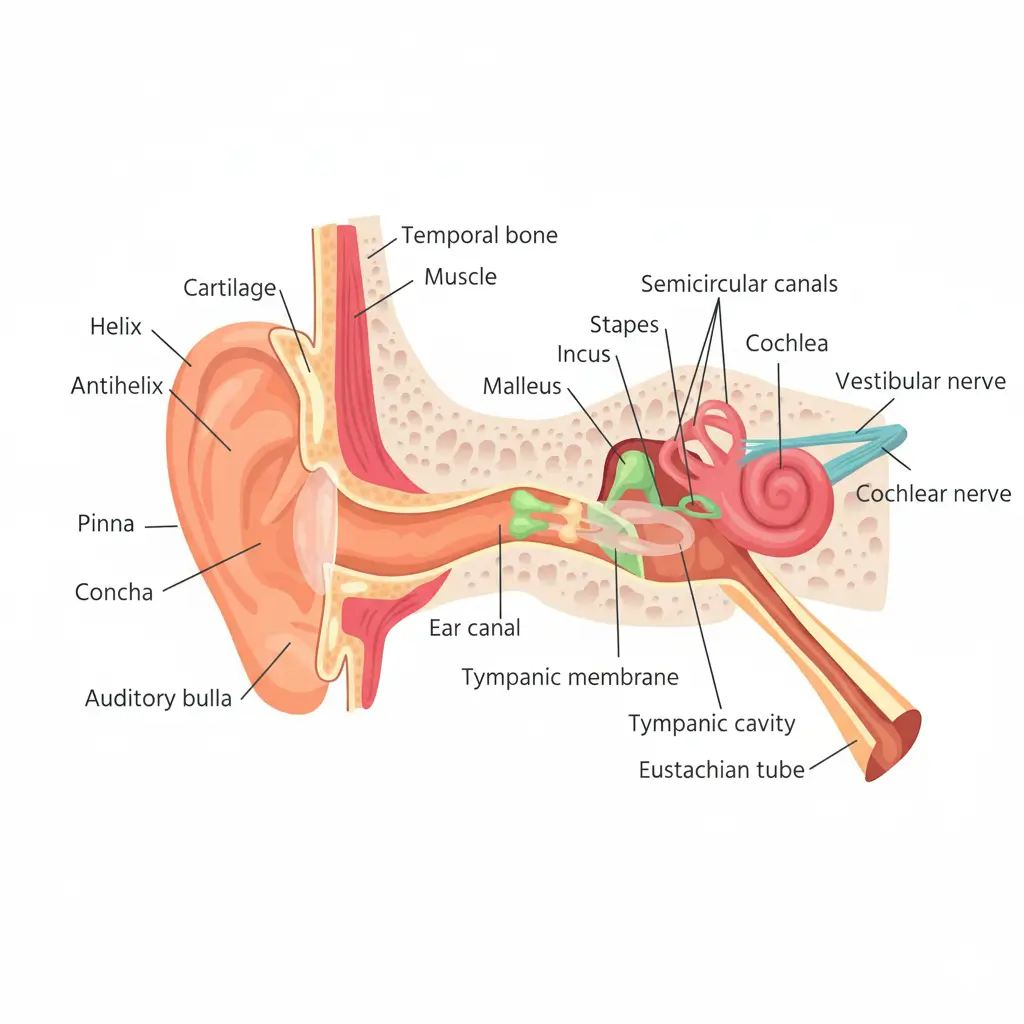
Your ears are remarkably sensitive instruments, and altitude changes put them through quite a workout. The relationship between travel altitude impact tinnitus begins with understanding basic ear anatomy and pressure mechanics.
The Eustachian Tube Connection
The Eustachian tube serves as your ear’s pressure equalization system. This narrow passage connects your middle ear to the back of your throat, allowing air to flow in and out to match external atmospheric pressure. When functioning properly, it keeps pressure balanced on both sides of your eardrum.
During altitude changes, atmospheric pressure shifts rapidly. At higher elevations, air pressure decreases, while at lower elevations, it increases. Your Eustachian tube must continuously adjust to maintain equilibrium. For most people, this happens automatically through yawning, swallowing, or chewing. Research shows that understanding these pressure dynamics is essential for managing altitude-related ear discomfort.
Why Tinnitus Sufferers Experience Greater Sensitivity
People with pre-existing tinnitus often have heightened auditory sensitivity or underlying inner ear conditions. Research suggests that tinnitus may be linked to:
- Inner ear inflammation or fluid retention
- Compromised blood flow to the auditory structures
- Damaged hair cells in the cochlea
- Hyperactive neural pathways in the auditory cortex
These factors make the auditory system more reactive to pressure fluctuations, explaining why altitude changes affect tinnitus sufferers more profoundly than others.
How Traveling Can Trigger or Worsen Tinnitus
Different modes of travel present unique challenges for managing tinnitus symptoms. Let’s examine how various travel scenarios influence ear health and auditory comfort.
Airplane Travel: A Perfect Storm for Tinnitus
Air travel creates multiple tinnitus triggers simultaneously:
Cabin Pressure Fluctuations
Commercial aircraft cabins are pressurized to simulate altitudes of 6,000-8,000 feet. During takeoff and landing, rapid pressure changes force your ears to adjust quickly. If your Eustachian tubes don’t equalize efficiently, you may experience:
- Increased ear pressure and fullness
- Temporary hearing muffling
- Intensified tinnitus volume
- Ear pain or discomfort
Engine Noise Exposure
Aircraft engines produce sustained noise levels between 75-85 decibels. This constant auditory stimulation can:
- Fatigue auditory nerves
- Amplify tinnitus perception
- Create temporary threshold shifts in hearing
Dehydration Effects
Airplane cabin humidity typically drops to 10-20%, compared to the comfortable 30-65% range. Dehydration affects:
- Blood viscosity and circulation
- Inner ear fluid balance
- Eustachian tube function
High-Altitude Destinations
Mountain trips and high-elevation travel present distinct challenges beyond simple pressure changes.
| Altitude Range | Atmospheric Pressure | Common Effects on Tinnitus |
|---|---|---|
| Sea Level | 14.7 psi | Baseline – minimal impact |
| 5,000-8,000 ft | 12.2-10.9 psi | Mild pressure sensation, slight tinnitus increase |
| 8,000-12,000 ft | 10.9-9.2 psi | Moderate symptoms, noticeable ringing intensification |
| Above 12,000 ft | Below 9.2 psi | Significant impact, potential altitude sickness symptoms |
Reduced Oxygen Availability
At higher altitudes, oxygen concentration decreases, affecting:
- Inner ear blood oxygen levels
- Cochlear function and sensitivity
- Overall auditory processing
Barometric Pressure Shifts
Weather-related pressure changes at altitude can compound the effects, creating additional stress on the auditory system.
Ground Transportation Considerations
Long Drives and Train Travel
Extended periods in vehicles expose you to:
- Continuous low-frequency vibration (20-200 Hz)
- Road and rail noise (60-80 decibels)
- Accumulated auditory fatigue
- Stress from prolonged sitting
Jet Lag and Travel Stress
The psychological and physical stress of travel shouldn’t be underestimated. Studies show that:
- Stress hormones like cortisol increase tinnitus perception
- Sleep disruption amplifies symptom awareness
- Anxiety creates a feedback loop, making tinnitus seem louder
- Circadian rhythm disruption affects auditory processing
The Science Behind Altitude and Tinnitus
Understanding the physiological mechanisms helps explain why travel altitude impact tinnitus symptoms in predictable ways.
Barometric Pressure and Inner Ear Function
Your inner ear contains fluid-filled chambers crucial for hearing and balance. When external pressure changes rapidly:
- Pressure Differential: The air pressure in your middle ear differs from the external environment
- Eardrum Displacement: Your tympanic membrane bows inward or outward
- Ossicular Chain Tension: The tiny bones connecting your eardrum to the inner ear experience stress
- Cochlear Fluid Disturbance: Inner ear fluids may shift, affecting hair cell function
- Neural Response: These mechanical changes trigger or intensify neural activity perceived as tinnitus
Oxygen Flow and Auditory Health
The cochlea has among the highest metabolic rates in the body, requiring a constant oxygen supply. At altitude:
- Reduced oxygen saturation affects cochlear metabolism
- Hair cell function may temporarily decline
- Auditory nerve activity becomes less stable
- Tinnitus signals may become more prominent
Low Altitude vs. High Altitude Effects
Low Altitude (Below 3,000 feet)
- Minimal pressure-related symptoms
- Better oxygen availability
- Easier Eustachian tube equalization
- Generally well-tolerated by tinnitus sufferers
High Altitude (Above 8,000 feet)
- Significant pressure challenges
- Reduced oxygen saturation (15-20% less than sea level)
- More difficult pressure equalization
- Greater risk of tinnitus exacerbation
Practical Tips to Manage Tinnitus While Traveling
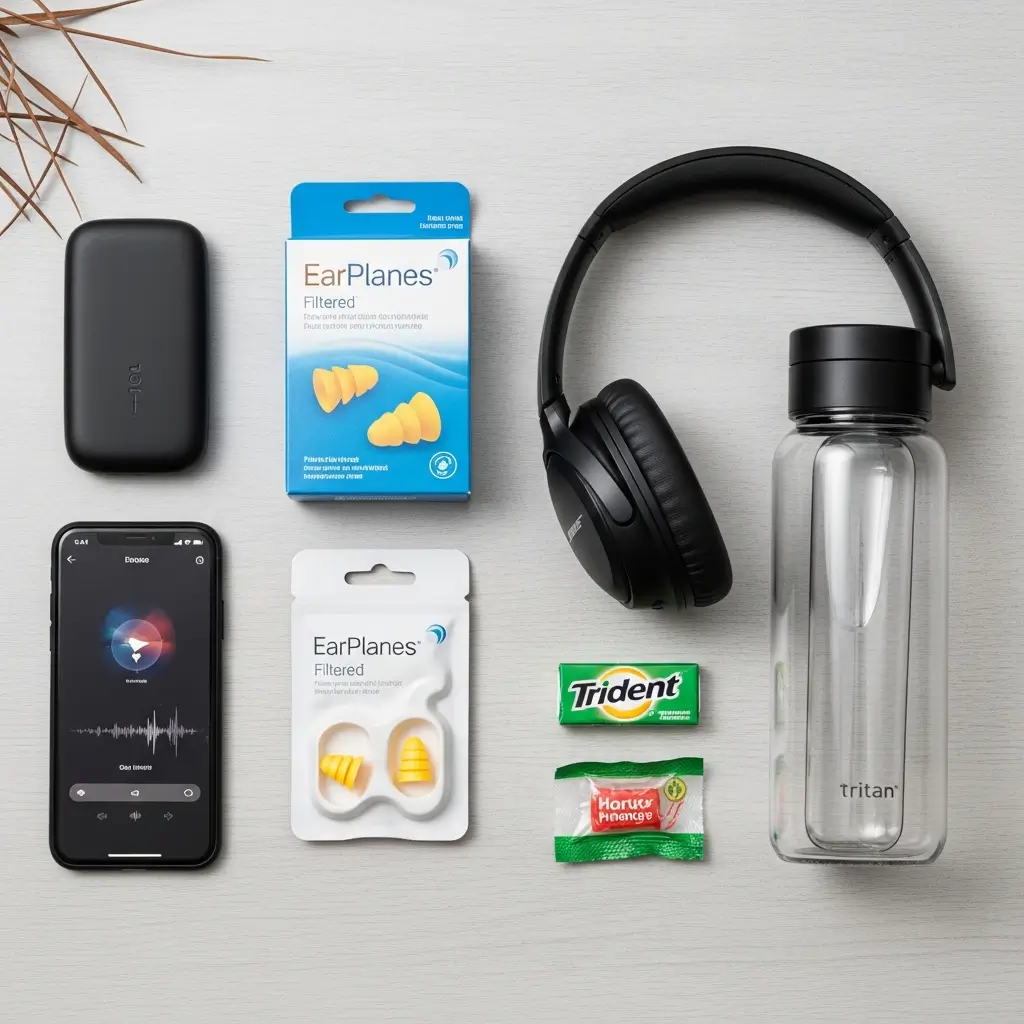
Armed with knowledge about how travel altitude impact tinnitus, you can take proactive steps to minimize discomfort.
Before Travel
Hydration Strategy
- Drink 8-10 glasses of water in the 24 hours before departure
- Avoid excessive caffeine (limit to 1-2 cups daily)
- Minimize alcohol consumption (dehydrating and affects blood flow)
- Consider electrolyte supplements for long journeys
Your diet can also play a significant role in managing tinnitus symptoms during travel. Learn about foods that help tinnitus naturally to optimize your pre-travel nutrition.
Medical Preparation
- Consult your doctor about nasal decongestants if you’re prone to congestion
- Ask about antihistamines if you have allergies affecting Eustachian tube function
- Get prescriptions filled before departure
- Pack essential medications in carry-on luggage
Sound Management Planning
- Download white noise or nature sound apps
- Prepare calming music playlists
- Charge noise-canceling headphones fully
- Pack backup batteries or portable chargers
For comprehensive preparation strategies, Healthy Hearing offers additional travel tips specifically designed for tinnitus sufferers planning trips.
During Travel
Pressure Equalization Techniques
Try these methods during takeoff, landing, and altitude changes:
- Valsalva Maneuver: Gently blow with your mouth closed and nostrils pinched (use carefully—don’t force)
- Toynbee Maneuver: Pinch your nostrils and swallow simultaneously
- Chewing: Gum, candy, or snacks keep your jaw moving and promote swallowing
- Yawning: Natural and effective for opening Eustachian tubes
- Frenzel Maneuver: Close your nostrils and make a “k” sound in your throat
Protective Equipment
| Tool | Purpose | Effectiveness |
|---|---|---|
| Filtered earplugs (EarPlanes) | Slow pressure changes | High for flights |
| Noise-canceling headphones | Reduce ambient noise | Excellent for engines |
| Custom musician earplugs | Balanced noise reduction | Good for all travel |
| Foam earplugs | Block general noise | Moderate, may increase pressure sensation |
Sound Masking During Transit
- Play gentle background sounds at comfortable volumes
- Use nature sounds (rainfall, ocean waves, forest ambience)
- Try tinnitus-specific sound therapy apps
- Keep volume levels safe (below 60% maximum)
Stay Hydrated
- Drink water every hour during flights
- Avoid salty snacks that increase fluid retention
- Request extra water from flight attendants
- Use a saline nasal spray to keep passages moist
After Travel
Recovery Protocol
Give your ears time to adjust and recover:
- Rest: Allow 24-48 hours for symptoms to normalize
- Quiet Environment: Avoid loud venues, concerts, or noisy activities
- Continued Hydration: Maintain water intake to support circulation
- Sleep Priority: Get adequate rest to reduce stress and promote healing
Consider incorporating simple tinnitus relief exercises into your post-travel recovery routine to help restore ear comfort and reduce symptom intensity.
Relaxation Techniques

Stress management helps reduce tinnitus perception:
- Deep Breathing: Practice 4-7-8 breathing (inhale 4 counts, hold 7, exhale 8)
- Progressive Muscle Relaxation: Systematically tense and release muscle groups
- Meditation: Use guided meditation apps focused on tinnitus management
- Gentle Exercise: Light walking or stretching promotes circulation without strain
For more ways to naturally manage your symptoms after travel, explore our guide on natural remedies for tinnitus relief at home.
Symptom Monitoring
Keep track of your symptoms:
- Note tinnitus intensity on a 1-10 scale
- Record duration of increased symptoms
- Document any accompanying issues (pain, dizziness, hearing changes)
- Track what helps and what doesn’t for future reference
Conclusion
Understanding how travel altitude impact tinnitus empowers you to take control of your symptoms and travel with greater confidence. While altitude changes, pressure fluctuations, and travel stress can temporarily intensify tinnitus, these effects are usually short-lived and manageable with proper preparation.
Remember these key takeaways:
- Altitude and pressure changes directly affect inner ear function and tinnitus perception
- Airplane travel, high elevation destinations, and prolonged transit each present unique challenges
- Proactive strategies hydration, pressure equalization techniques, and sound management significantly reduce symptoms
- Most travel-related tinnitus resolves within 24-72 hours
- Persistent or severe symptoms require professional evaluation
With smart planning and the right tools, you can minimize the impact of altitude on your tinnitus and focus on enjoying your travel experiences. Your ears are remarkably resilient give them proper care, and they’ll adapt to wherever your adventures take you.