Table of Contents
1. Why Breathing Matters for Tinnitus
If you’ve ever noticed your ear ringing gets louder on stressful days, you’re not imagining it. The connection between stress, anxiety, and tinnitus intensity is well documented, and it’s exactly why breathing exercises for tinnitus have become one of the most recommended self management tools.
Tinnitus affects roughly 15% of the global population. While it originates in the auditory system, its intensity is heavily influenced by the nervous system. Deep, intentional breathing activates your parasympathetic nervous system, your “rest and digest” mode, which counteracts the stress response that amplifies tinnitus signals.
2. The Stress Tinnitus Connection Explained
When you’re anxious, your brain triggers the fight or flight response. Cortisol and adrenaline flood your system, your muscles tense, and your sensory system goes on high alert, making every internal sound feel more intense.
Think of it this way: when you’re stressed, small noises feel louder, like turning up the volume on an already sensitive speaker.
The limbic system (your brain’s emotional center) plays a big role here. People with anxiety related tinnitus often show heightened activity in threat detection brain regions, which essentially amplifies the tinnitus signal. On calmer days, the same sound feels more manageable. Stress isn’t the root cause of tinnitus, but it powerfully shapes how loud and intrusive it feels.
3. Can Breathing Exercises Actually Help?
Let’s be honest about what breathing exercises can and can’t do.
They may help with:
- Reducing stress and anxiety
- Lowering cortisol and physical tension
- Calming nervous system overactivation
- Improving sleep quality
- Reducing perceived loudness during flare-ups
They cannot:
- Repair structural hearing damage
- Permanently silence tinnitus
- Treat underlying medical causes
- Replace professional audiological care
Breathing exercises may help reduce the perception of tinnitus by addressing the stress component that fuels it. Many sufferers report that consistent breathwork makes tinnitus feel less overwhelming, even when the sound is still there. The keyword is consistent. Benefits build over time, not overnight.
4. The Best Breathing Exercises for Tinnitus
4.1 Diaphragmatic (Belly) Breathing
This is the foundation of all relaxation breathing. Most people breathe shallowly from the chest; belly breathing engages full lung capacity and stimulates the vagus nerve, activating the parasympathetic system.
How to do it:
- Sit or lie down. Place one hand on your chest, the other on your belly.
- Inhale through your nose for 4 counts, let your belly rise, chest stays still.
- Exhale through pursed lips for 6–8 counts, feeling your belly fall.
- Repeat for 5–10 cycles.
Best for: Morning, bedtime, and tinnitus flare-ups.
4.2 4-7-8 Breathing Technique
This technique is especially effective for sleep related tinnitus distress. The long exhale powerfully promotes parasympathetic activation.
How to do it:
- Exhale completely through your mouth to start.
- Inhale through your nose for 4 counts.
- Hold your breath for 7 counts.
- Exhale fully through your mouth for 8 counts.
- Complete 4 cycles to start, building to 8 over time.
Best for: Pre-sleep, anxiety management, and reactive tinnitus episodes.
4.3 Box Breathing
Used by military special forces and high performance athletes, box breathing is ideal for acute stress spikes that worsen tinnitus.
How to do it:
- Inhale for 4 counts.
- Hold for 4 counts.
- Exhale for 4 counts.
- Hold for 4 counts.
- Repeat 4–6 times. Visualize drawing a square as you breathe.
Best for: Anxiety spikes and high stress moments.
4.4 Extended Exhale Breathing
Research shows exhales activate the parasympathetic system more than inhales. This technique uses that directly.
How to do it:
- Inhale through your nose for 4 counts.
- Exhale slowly for 8 counts twice as long as the inhale.
- Don’t force it. The exhale should feel like a gentle, complete release.
- Continue for 5–10 minutes.
Best for: Anytime, it can be practiced subtly, even in public.
5. How Often Should You Practice?
You don’t need long sessions to see results. Even 3–5 minutes daily builds meaningful change over time.
- Daily habit: 3–5 minutes of any technique is enough to start.
- Emergency use: Box breathing or extended exhale works immediately during flare-ups.
- Habit stacking: Attach practice to existing routines, morning coffee, before bed, and after lunch.
- After 2–3 weeks: Extend sessions to 10–15 minutes for stronger effects.
The American Psychological Association notes that consistent relaxation practice produces measurable reductions in cortisol over time, thereby lowering the baseline stress that amplifies tinnitus perception.
6. Combining Breathing With Sound Therapy

Breathing exercises become more effective when paired with a soft background sound. The goal is to gently redirect auditory attention away from internal tinnitus.
- Nature sounds (rain, ocean, forest) partially mask tinnitus without competing with it.
- White or pink noise softens the contrast between silence and ringing.
- Avoid complete silence; a very quiet room can make tinnitus feel louder. Light background sound keeps attention outward.
The British Tinnitus Association supports the use of sound therapy in combination with relaxation techniques as part of a comprehensive tinnitus management strategy.
Tip: Try combining 5 minutes of diaphragmatic breathing with 10 minutes of nature sound therapy for a simple, effective daily reset.
7. When You Might Notice Improvement
| Timeframe | What to Expect |
|---|---|
| Within minutes | Immediate calming; slight softening of tinnitus perception |
| After 1–2 weeks | Shorter, less intense anxiety responses to tinnitus |
| After 4–8 weeks | Reduced emotional reactivity; tinnitus feels less intrusive |
| 3+ months | Meaningful reduction in distress; improved sleep |
The most common experience isn’t that tinnitus disappears; it’s that it becomes easier to coexist with. The emotional charge around the sound diminishes, dramatically improving the quality of life.
8. Common Mistakes to Avoid
- Breathing too fast: Hyperventilation increases anxiety, the opposite of the goal. Slow down.
- Forcing deep breaths: Strain creates tension. Breathing should feel gentle, never effortful.
- Expecting instant silence: The goal is reduced stress, not a cure.
- Giving up too early: Neurological change takes weeks. Don’t judge by two sessions.
9. Who Benefits Most?
- People whose tinnitus reliably worsens under stress
- Those with anxiety related tinnitus caught in a stress ringing cycle
- Anyone struggling to fall asleep due to ear noise
- Recent onset tinnitus sufferers are building coping tools early
10. Your Simple Daily Routine
| Time of Day | Technique | Duration |
|---|---|---|
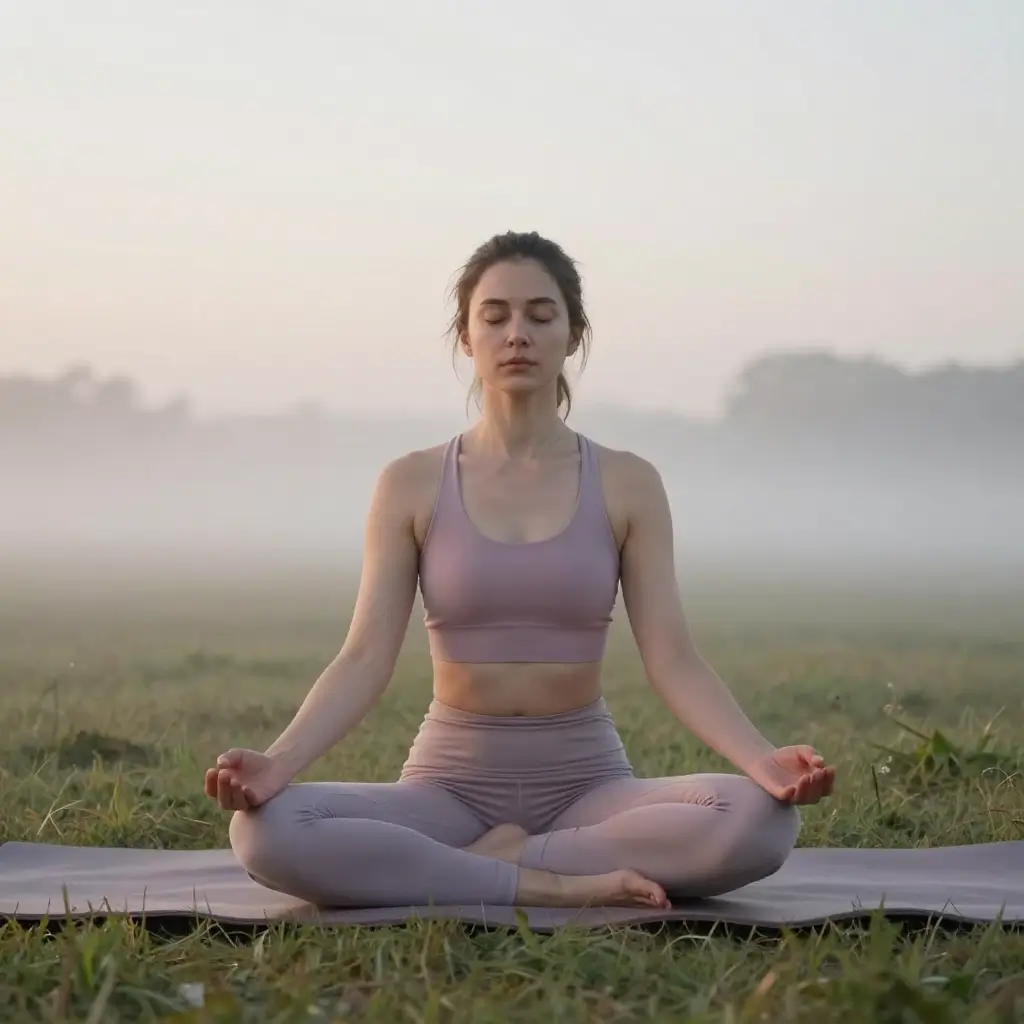
| Morning | Diaphragmatic breathing | 3–5 minutes |
| Afternoon | Box breathing (during stress) | 1–3 minutes |
| Night | 4-7-8 breathing before sleep | 4–8 cycles |
Pair your nighttime session with soft nature sounds at low volume. Even one consistent week of this routine typically produces a noticeable difference in stress levels and sleep.
Final Thoughts
Breathing exercises for tinnitus work not by silencing the sound, but by changing your relationship with it. By consistently calming the nervous system, you reduce the emotional charge that makes tinnitus feel overwhelming. Over time, this builds real resilience: the sound may still be there, but it no longer dominates your attention or disrupts your day.
Start with just three minutes of belly breathing tomorrow morning. One breath at a time.
FAQ
Can breathing exercises help reduce tinnitus?
Breathing exercises may help reduce the perception of tinnitus by calming the nervous system and lowering stress related amplification of ear ringing. They do not cure tinnitus, but can significantly reduce distress.
What is the best breathing exercise for tinnitus?
Diaphragmatic breathing and the 4-7-8 technique are among the most effective breathing exercises for tinnitus, particularly for reducing anxiety and improving sleep quality.
How long does it take for breathing exercises to help tinnitus?
Some people notice an immediate calming effect within minutes. Meaningful long term improvement in tinnitus related distress typically develops over 4 to 8 weeks of consistent daily practice.
How often should I practice breathing exercises for tinnitus?
Aim for at least 3 to 5 minutes of daily breathwork. Morning diaphragmatic breathing, afternoon box breathing, and pre sleep 4-7-8 breathing form a simple and effective daily routine.