Table of Contents
If you’ve ever experienced the persistent ringing, buzzing, or whooshing sounds of tinnitus, you know how exhausting it can be. According to the National Institute on Deafness and Other Communication Disorders (NIDCD), this phantom noise affects approximately 10 to 25% of adults, disrupting concentration, sleep, and overall quality of life. While there’s no instant cure, yoga for tinnitus relief has emerged as a promising holistic approach that addresses both the physical and psychological aspects of this condition. Yoga for tinnitus combines gentle movement, breathwork, and mindfulness, offering a natural pathway to managing symptoms and reclaiming your peace of mind.
Can Yoga Help with Tinnitus?
The connection between yoga and tinnitus relief isn’t just wishful thinking, it’s rooted in how our bodies respond to stress and tensThe connection between yoga for tinnitus relief isn’t just wishful thinking, it’s rooted in how our bodies respond to stress and tension. Research suggests that several factors can intensify tinnitus symptoms:
- Chronic stress and anxiety keep your nervous system in overdrive
- Poor posture that restricts blood flow to the head and neck
- Muscle tension in the jaw, neck, and shoulders
- Compromised circulation to the auditory system
Yoga directly addresses these underlying issues. A study published in the Journal of Alternative and Complementary Medicine found that participants who practiced yoga for tinnitus regularly reported significant reductions in tinnitus severity and associated distress. The practice works by activating the parasympathetic nervous system, your body’s natural relaxation response, which counteracts the stress hormones that can amplify ear ringing.
“Just like stretching reduces muscle stiffness, yoga helps relieve ear and neck tension that may intensify ringing.”
When you practice yoga for tinnitus management, you’re not just doing exercises; you’re retraining your nervous system to respond differently to stress, improving blood flow to your inner ear, and developing body awareness that helps you identify and release tension before it worsens symptoms. Many people who incorporate yoga for tinnitus relief into their daily routine report noticeable improvements within just a few weeks.
How Yoga Benefits People with Tinnitus
Incorporating regular yoga for tinnitus practice into your management strategy offers multiple therapeutic benefits:
1. Reduces Anxiety and Stress
Tinnitus and anxiety often create a vicious cycle. The American Tinnitus Association notes that the constant noise triggers stress, which in turn makes the tinnitus more noticeable. Yoga’s emphasis on mindful breathing and present-moment awareness interrupts this pattern, helping your brain shift its focus away from the phantom sounds.
2. Improves Blood Circulation to the Auditory System
Certain yoga poses increase blood flow to the head, neck, and ears. Better circulation means more oxygen and nutrients reach the delicate structures of your inner ear, potentially reducing symptom intensity and supporting overall ear health.
3. Enhances Posture and Neck Alignment
Poor posture, especially forward head position from computer work, can compress nerves and blood vessels that serve the auditory system. Yoga for tinnitus relief strengthens postural muscles and promotes proper spinal alignment, relieving this compression and reducing symptoms.
4. Promotes Better Sleep Quality and Mindfulness
Tinnitus often interferes with sleep, creating fatigue that makes symptoms harder to tolerate. According to Mayo Clinic, tinnitus can become severe enough to interfere with concentration and sleep. Yoga’s relaxation techniques calm the nervous system before bed, while mindfulness practices help you relate to tinnitus sounds with less emotional reactivity.
6 Best Yoga Poses for Tinnitus Relief
Ready to start your practice? These six yoga for tinnitus poses specifically target the mechanisms that can worsen tinnitus. Remember, consistency matters more than perfection; even 15 minutes daily can make a meaningful difference. For additional techniques, explore these easy tinnitus relief exercises that complement your yoga routine.
1. Shavasana (Corpse Pose)
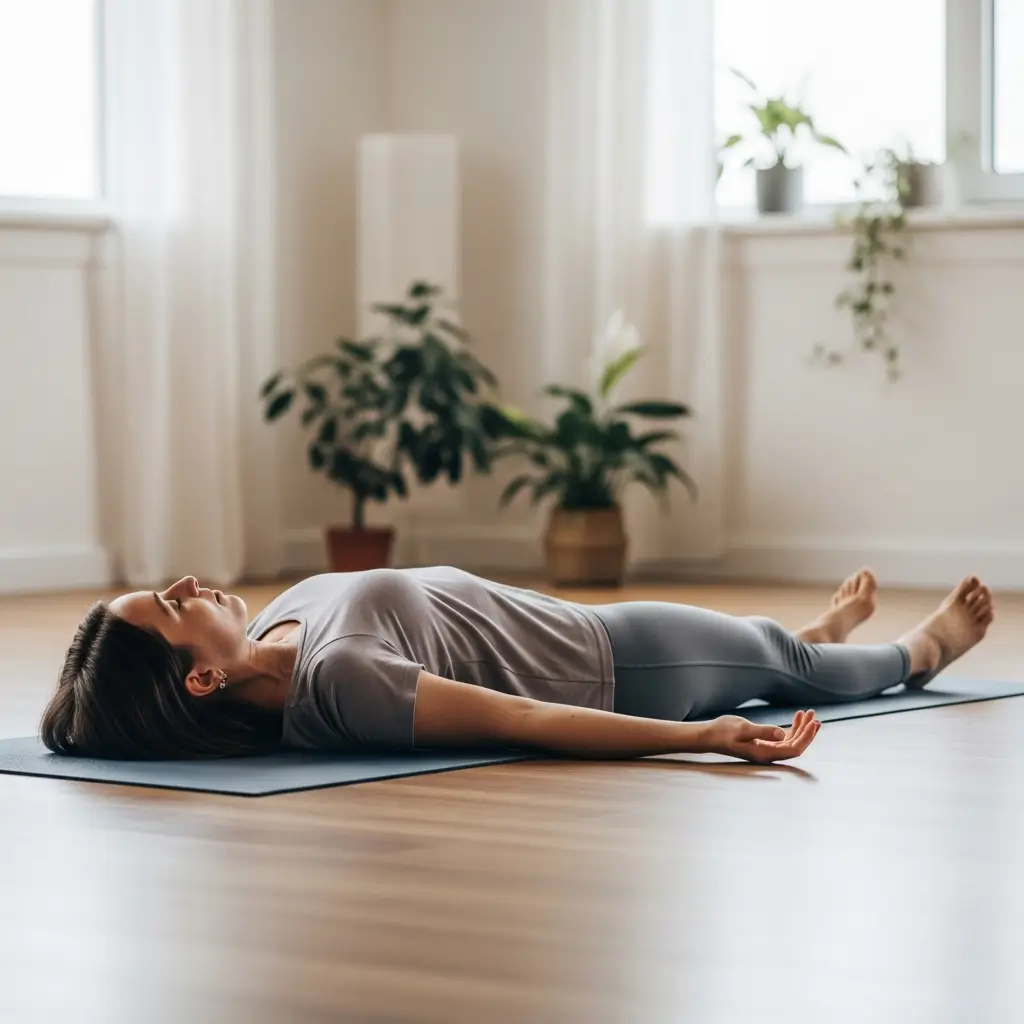
Purpose: Deep relaxation and nervous system calming
How to do it:
- Lie flat on your back with legs extended and arms at your sides, palms facing up
- Close your eyes and consciously relax each body part, starting from your toes and moving upward
- Focus on your natural breath without trying to control it
- Remain in this position for 5-10 minutes
Why it helps: Shavasana activates your parasympathetic nervous system, reducing the stress hormones that can amplify tinnitus perception. It’s the foundation of any tinnitus-friendly yoga for tinnitus practice.
2. Viparita Karani (Legs-Up-the-Wall Pose)
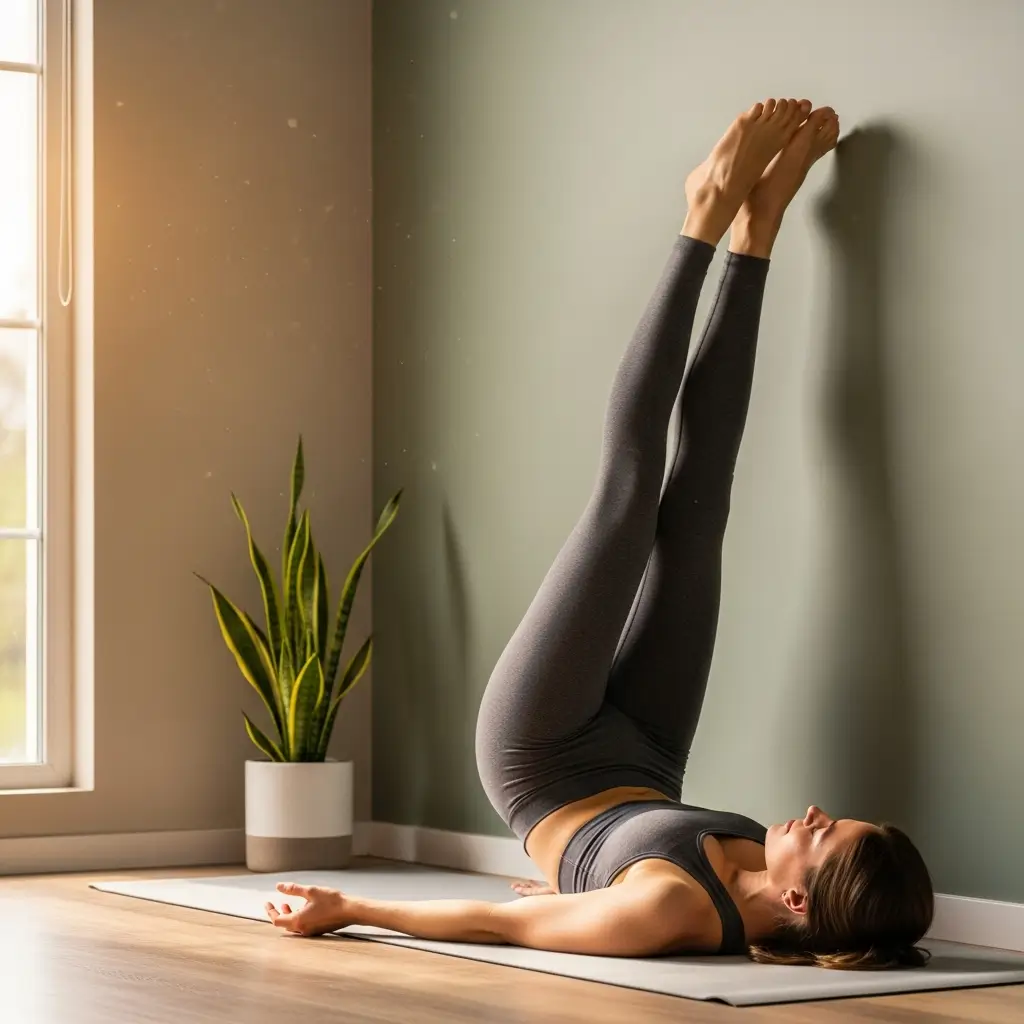
Purpose: Promotes circulation and reduces ear pressure
How to do it:
- Sit sideways next to a wall, then swing your legs up as you lie back
- Your body should form an L-shape with legs resting vertically against the wall
- Arms rest comfortably at your sides or on your belly
- Stay for 5-15 minutes, breathing naturally
Why it helps: This gentle inversion improves venous return from the legs, enhancing overall circulation without the intensity of full inversions that might increase ear pressure.
3. Bhujangasana (Cobra Pose)
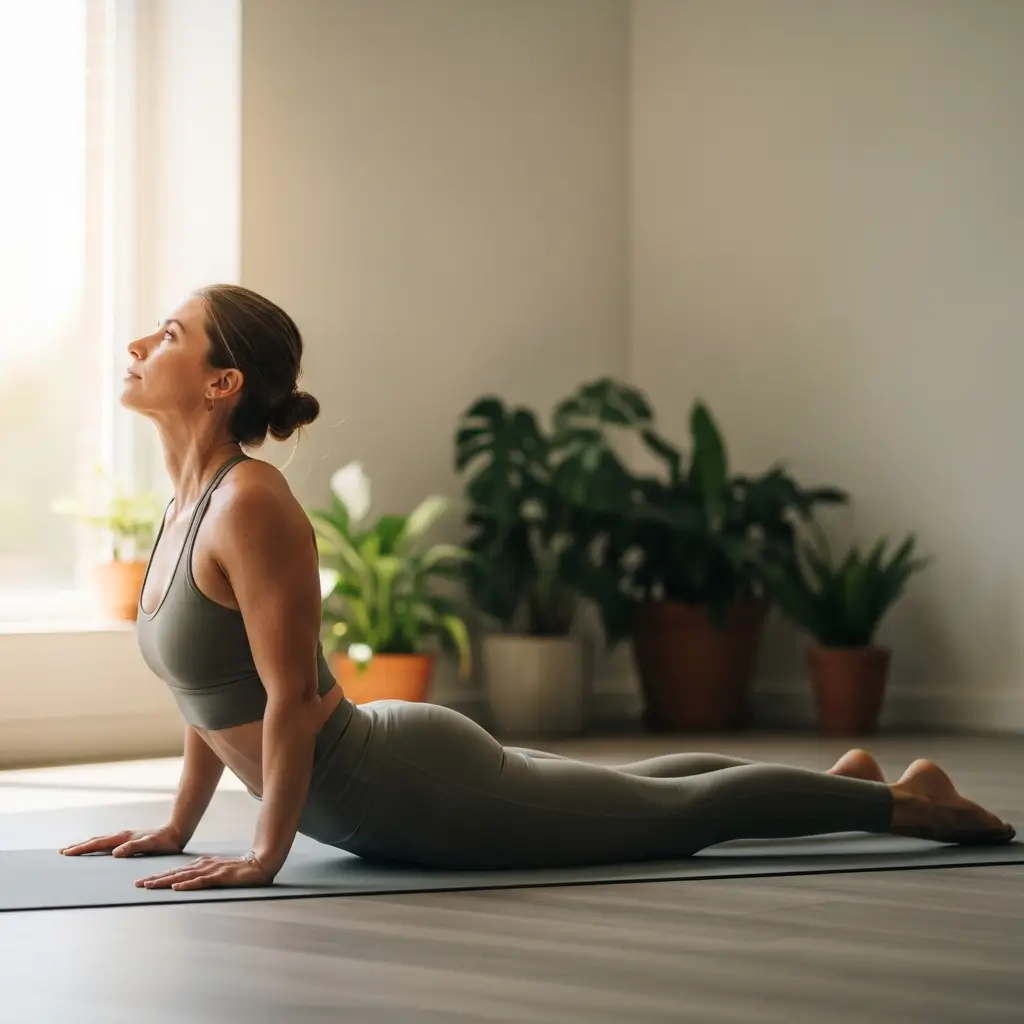
Purpose: Improves blood flow to the head and neck region
How to do it:
- Lie face down with palms planted under your shoulders
- Press into your hands to lift your chest, keeping elbows slightly bent
- Roll your shoulders back and lengthen through your spine
- Hold for 15-30 seconds, breathing deeply
Why it helps: Cobra pose stretches the front body while strengthening the upper back, improving posture, and encouraging blood flow to the brain and auditory system.
4. Matsyasana (Fish Pose)
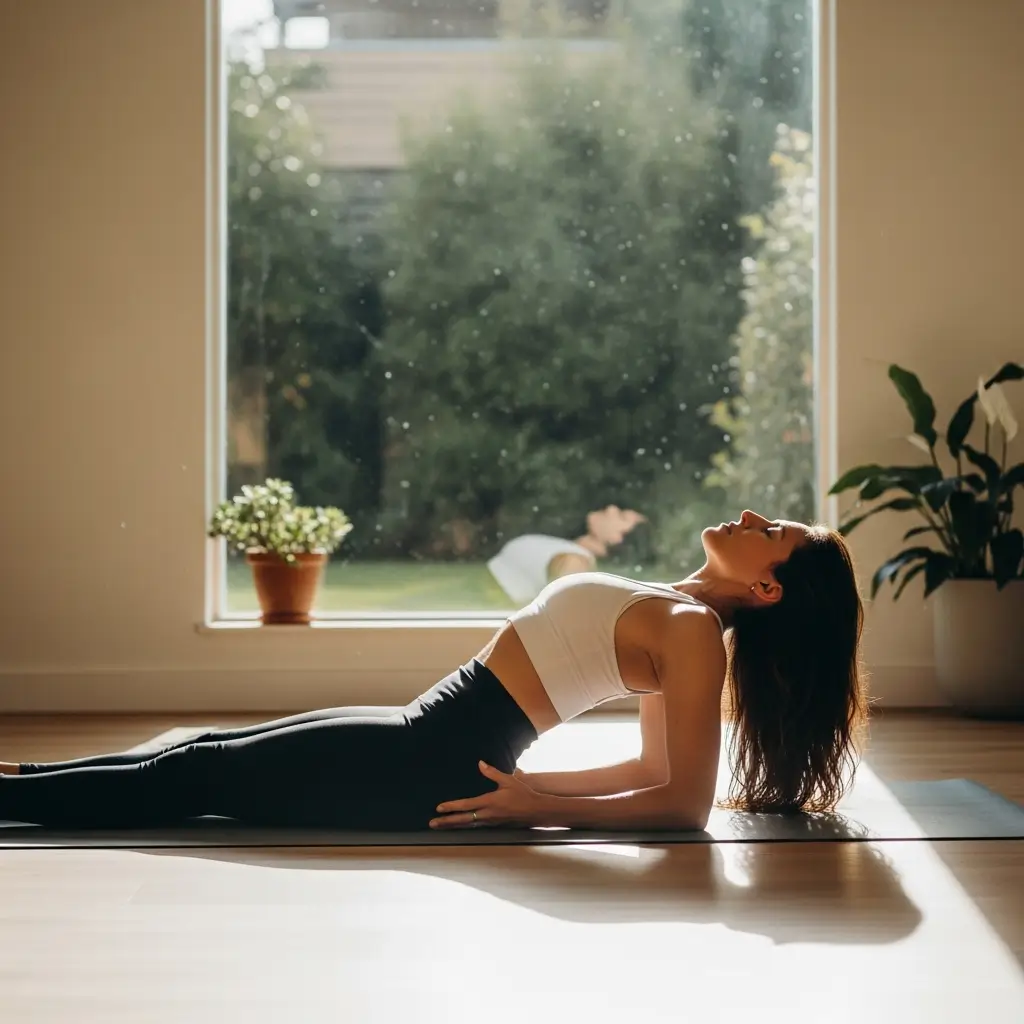
Purpose: Opens chest and throat, improving oxygen flow to the ears
How to do it:
- Lie on your back with legs extended
- Place your hands under your hips, palms down
- Press forearms into the ground and arch your back, bringing the crown of your head to the floor
- Hold for 15-30 seconds with steady breathing
Why it helps: This heart-opening pose expands lung capacity and stretches the throat area, potentially relieving tension that affects the Eustachian tubes and inner ear.
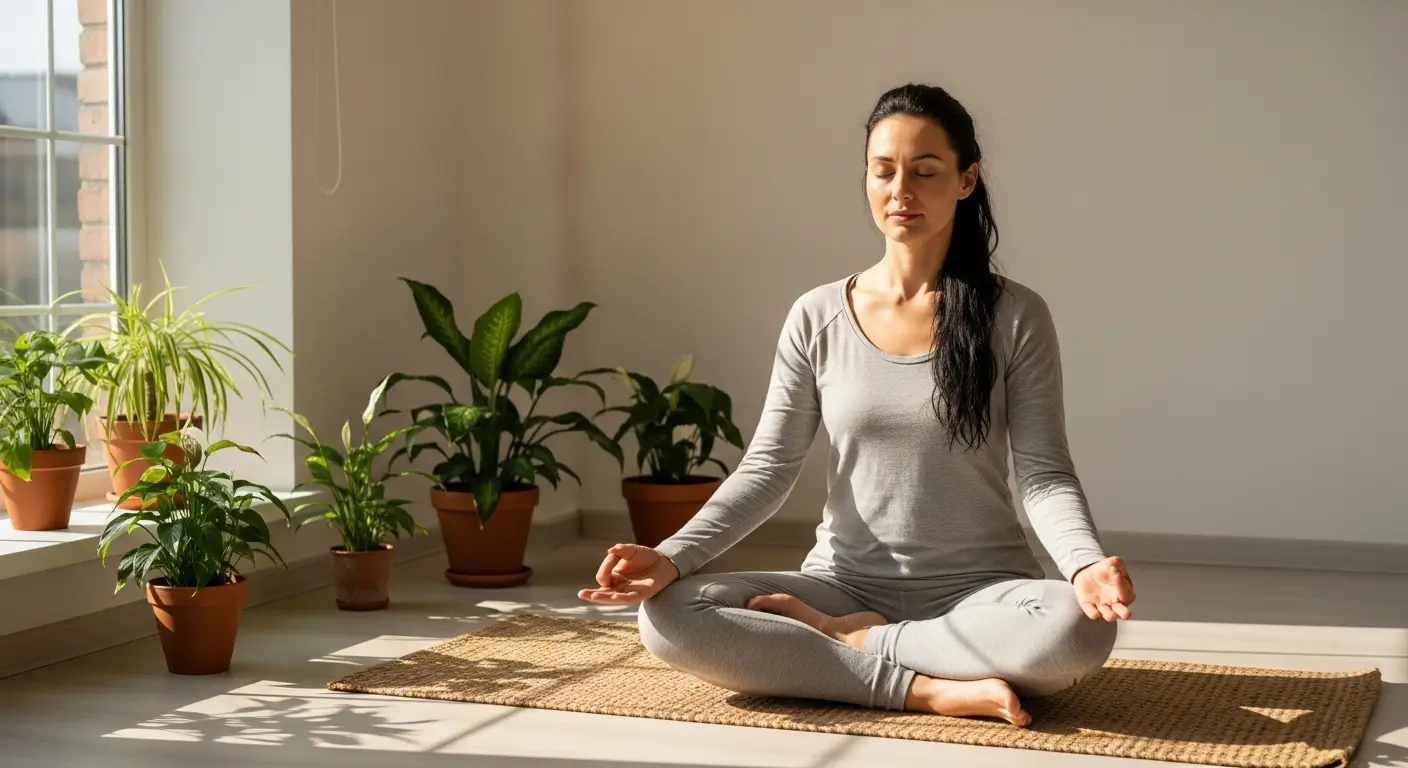
5. Padmasana (Lotus Pose) with Meditation
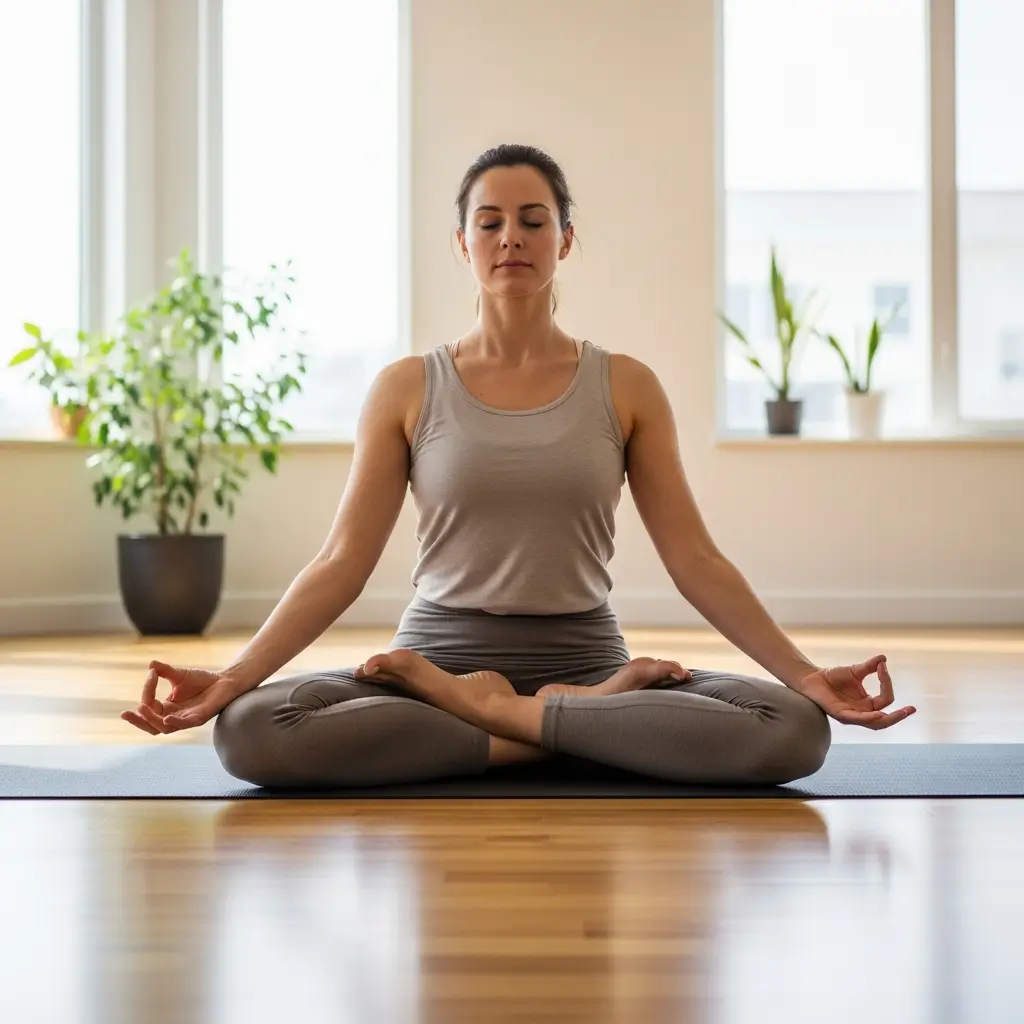
Purpose: Reduces anxiety and fosters inner peace
How to do it:
- Sit with legs crossed (full lotus or simple cross-legged position)
- Rest hands on knees with palms up or in a mudra of your choice
- Lengthen your spine and relax your shoulders
- Close your eyes and focus on breath or a calming mantra for 5-10 minutes
Why it helps: Seated meditation in a comfortable position creates the mental space to observe tinnitus without reactive stress, gradually reducing its emotional impact.
6. Anulom Vilom (Alternate Nostril Breathing)
Purpose: Balances the nervous system and reduces tinnitus intensity
How to do it:
- Sit comfortably with spine erect
- Use your right thumb to close your right nostril
- Inhale slowly through the left nostril
- Close the left nostril with your ring finger, release the right, and exhale through the right nostril
- Inhale through the right, then switch and exhale through the left
- Continue for 5-10 minutes
Why it helps: This pranayama technique balances the left and right hemispheres of the brain, calming the autonomic nervous system and reducing the heightened arousal that amplifies tinnitus perception.
Breathing and Meditation Techniques for Tinnitus
Beyond poses, specific breathing exercises (pranayama) and meditation practices provide powerful tools for managing tinnitus. You might also benefit from exploring acupressure points for tinnitus relief as a complementary technique to your yoga practice:
| Technique | Duration | Primary Benefit |
|---|---|---|
| 4-7-8 Breathing | 5 minutes | Activates the relaxation response |
| Body Scan Meditation | 10-15 minutes | Releases unconscious tension |
| Mindful Observation | 10 minutes | Changes the relationship with tinnitus sounds |
| Bhramari (Bee Breath) | 5 minutes | Vibrations may soothe auditory nerves |
Simple 10-Minute Daily Practice:
- Find a quiet space and sit comfortably (2 minutes of settling in)
- Practice alternate nostril breathing (3 minutes)
- Focus on natural breath while observing tinnitus sounds without judgment (5 minutes)
The key is consistency. Research shows that daily meditation practice over 8 weeks can significantly reduce tinnitus-related distress, even if the volume remains unchanged. You’re retraining your brain’s response to the sounds rather than eliminating them.
Tips for Practicing Yoga Safely with Tinnitus
While yoga for tinnitus is generally safe, these precautions will help you practice effectively:
Start Gently
- Begin with just 10-15 minutes daily rather than hour-long sessions
- Focus on breath quality over pose perfection
- Listen to your body and never push through pain
Monitor Inverted Poses
- Some people find that full inversions (headstands, shoulder stands) temporarily increase ear pressure
- Stick with gentle inversions like Legs-Up-the-Wall until you understand your body’s response
- If any pose makes tinnitus worse, skip it and inform your instructor
Create a Tinnitus-Friendly Environment
- Practice in a quiet room with minimal background noise
- Dim lighting helps reduce sensory overload
- Consider soft, nature-based background sounds if complete silence amplifies your tinnitus awareness
Consider Professional Guidance
- A yoga therapist with experience in tinnitus management can customize poses for your needs
- They can identify postural issues contributing to your symptoms
- One-on-one sessions help you build a sustainable home practice
Lifestyle Additions for Better Results
Yoga works best as part of a comprehensive approach to tinnitus management. Enhance your results by combining your practice with:
Dietary Considerations
- Increase magnesium-rich foods: Spinach, almonds, black beans, dark chocolate
- Boost zinc intake: Oysters, pumpkin seeds, chickpeas, cashews
- Embrace anti-inflammatory foods: Fatty fish, berries, turmeric, leafy greens
- Reduce triggers: Limit caffeine, alcohol, and high-sodium foods that may worsen symptoms
Sleep Hygiene
- Maintain a consistent sleep schedule, even on weekends
- Practice Shavasana or gentle stretches 30 minutes before bed
- Use white noise or nature sounds if needed to mask tinnitus at night
Hydration Matters
- Aim for 8 glasses of water daily
- Proper hydration supports healthy blood circulation
- Dehydration can thicken blood and reduce oxygen delivery to the inner ear
Consistency Is Key: Remember, yoga for tinnitus isn’t a quick fix; it’s a gradual process of nervous system regulation and body awareness. Most practitioners notice improvements after 2-4 weeks of consistent practice, with continued benefits over months.
Conclusion
Living with tinnitus doesn’t mean surrendering your peace of mind. Through consistent yoga practice, you can address the stress, tension, and circulatory issues that often intensify symptoms. The six poses outlined here, from the deep relaxation of Shavasana to the balancing breathwork of Anulom Vilom, offer a holistic pathway to symptom management that respects your body’s natural healing capacity.
Start small. Commit to just 15 minutes daily for the next 2-4 weeks and notice what shifts. You might find that the ringing becomes less intrusive, your stress levels drop, or you simply develop a more peaceful relationship with the sounds you hear. Yoga for tinnitus relief isn’t about fighting against your symptoms; it’s about creating the internal conditions where they have less power over your life.
Start your tinnitus relief journey today. Just 15 minutes of yoga could change how you hear the world.
FAQ
Can yoga help with tinnitus?
Yes, yoga can help manage tinnitus symptoms by reducing stress, improving blood circulation to the auditory system, enhancing posture, and promoting relaxation. Studies show that regular yoga practice can significantly reduce tinnitus severity and associated distress.
Which yoga poses are best for tinnitus relief?
The best yoga poses for tinnitus include Shavasana (Corpse Pose), Viparita Karani (Legs-Up-the-Wall), Bhujangasana (Cobra Pose), Matsyasana (Fish Pose), Padmasana (Lotus Pose), and Anulom Vilom (Alternate Nostril Breathing).
How long should I practice yoga for tinnitus relief?
Start with 10-15 minutes daily and gradually increase as comfortable. Most people notice improvements after 2-4 weeks of consistent practice. Consistency is more important than duration.
Is yoga a cure for tinnitus?
Yoga is not a cure for tinnitus but an effective complementary therapy for managing symptoms. It helps reduce stress, improve circulation, and change your relationship with tinnitus sounds, making them less intrusive.