Table of Contents
If you’re searching for how to sleep with tinnitus, you already know the frustration: the moment your head hits the pillow, that ringing, buzzing, or hissing in your ears seems to grow louder. You’re not imagining it, it genuinely does feel worse at night. But here’s the good news: with the right strategies, you can take back your sleep.
According to the American Tinnitus Association, tinnitus affects around 50 million people in the United States alone, with roughly 20 million experiencing it as a chronic condition. While there’s no universal cure, there are powerful, evidence backed habits that help you manage tinnitus at night so you can fall asleep faster and wake up feeling rested.
1. Why Tinnitus Feels Worse at Night
During the day, your brain is flooded with external sounds, conversations, traffic, notifications. These compete with your tinnitus and push it into the background. But when you lie down in a quiet bedroom, all of that disappears. The internal ringing suddenly has no competition.
A few reasons nighttime feels harder:
- Quiet environments amplify awareness: silence makes internal ear signals more prominent
- No distractions remain: your brain, no longer occupied, tunes into the ringing
- Fatigue lowers your coping threshold: tiredness makes discomfort harder to ignore
- Anxiety builds: the dread of another sleepless night creates a feedback loop
Think of it like a background noise that only becomes loud and clear when the room goes silent. Your job isn’t to stop the sound, it’s to turn up the rest of the room.
2. Why Sleep Is Important for Tinnitus Management
Poor sleep makes tinnitus worse, and worsening tinnitus makes sleep harder. Breaking this cycle is essential.
The cycle looks like this: Tinnitus → disrupted sleep → elevated stress hormones → heightened neural sensitivity → louder perceived tinnitus → more disrupted sleep.
As the Sleep Foundation notes, losing sleep can further worsen tinnitus and increase stress and anxiety, making it even more important for tinnitus sufferers to find effective coping strategies for nighttime symptoms.
When you’re well rested, your brain processes sounds more efficiently. Sleep also regulates cortisol, the stress hormone directly linked to increased tinnitus perception. In short: better sleep = calmer nervous system = quieter tinnitus experience.
3. Create a Sleep Friendly Environment
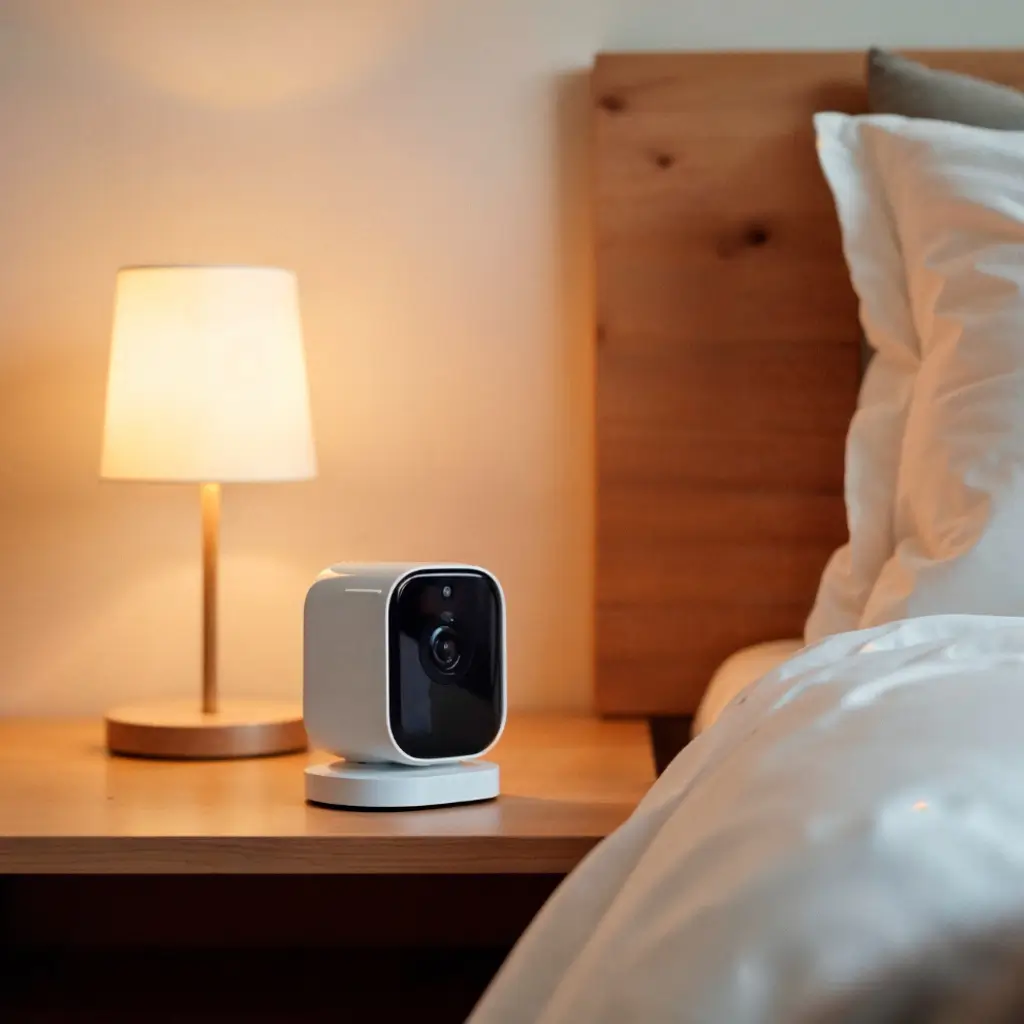
Use Background Noise
This is the single most effective change you can make. Background noise partially masks the ringing and gives your auditory system something neutral to focus on.
- White noise machines
- Fans or air purifiers
- Soft instrumental music
- Tinnitus specific apps like Resound Relief or myNoise
Keep the Room Comfortable
Most sleep researchers recommend a bedroom temperature between 60–67°F (15–19°C). Use blackout curtains, keep the room cool, and choose breathable bedding.
Avoid Complete Silence
This is counter intuitive, but a perfectly silent room is your enemy. The NHS specifically advises tinnitus patients not to have total silence, recommending soft music or sounds (sound therapy) to help distract from the ringing. Even a fan on its lowest setting can meaningfully reduce how prominent your tinnitus feels at night.
4. Best Sound Options for Tinnitus at Night
Not all sounds are equally effective. Here’s a quick breakdown:
| Sound Type | Best For | Notes |
|---|---|---|
| White Noise | Consistent masking | Steady and reliable for most tinnitus pitches |
| Pink Noise | Deeper relaxation | Softer than white noise; gentler on the ears |
| Brown Noise | Low frequency tinnitus | Deep, rumbling quality like a distant waterfall |
| Nature Sounds | Emotional calm | Rain, ocean waves; psychologically soothing |
| Ambient Music | Distraction based relief | Keep volume low; avoid lyrics |
Tip: Set your sound machine slightly below your tinnitus pitch, loud enough to blur the edges of the ringing, not so loud it overwhelms. As the Mayo Clinic explains, tabletop sound machines and even a fan or radio tuned between stations can produce the kind of steady masking noise that makes tinnitus less noticeable at night.
5. Relaxation Techniques Before Bed

Your nervous system’s state directly influences how prominent your tinnitus feels. These techniques help shift you from stressed and hypervigilant to calm and sleep ready.
Deep Breathing
Try the 4-7-8 technique: inhale for 4 counts, hold for 7, exhale slowly for 8. Repeat 4–5 cycles. This lowers your heart rate and reduces the perception of intrusive sounds.
Progressive Muscle Relaxation (PMR)
Systematically tense and release each muscle group from your feet upward. The physical focus gives your brain something concrete to attend to replacing the ringing with bodily sensation. NHS Audiology services routinely include relaxation exercises like PMR as part of their tinnitus self help guidance.
Mindfulness Meditation
Rather than fighting the tinnitus, mindfulness teaches you to observe it without judgment. According to the American Tinnitus Association, dozens of studies have found that CBT and mindfulness significantly reduce tinnitus distress, as well as the anxiety, insomnia, and depression that often accompany it. Apps like Calm or Headspace offer tinnitus specific guided sessions.
The goal of mindfulness with tinnitus isn’t to make the sound disappear, it’s to change your relationship with it.
6. Establish a Consistent Bedtime Routine
Your brain is a creature of habit. A consistent pre-sleep ritual trains your nervous system to recognize when sleep is approaching, reducing anxiety and giving tinnitus less room to dominate.
- Go to bed and wake up at the same time every day including weekends
- Avoid screens 45–60 minutes before bed (blue light disrupts melatonin)
- Do something calming: light reading, gentle stretching, or journaling
- Start your sound machine or background noise before you feel frustrated
- Take a warm shower, the subsequent drop in body temperature signals sleep readiness
The NHS consistently recommends sticking to a bedtime routine and cutting down on caffeine as two of the most practical steps for tinnitus patients struggling with sleep.
7. Lifestyle Habits That Affect Sleep with Tinnitus
What you do during the day matters enormously for how you sleep at night.
| Habit | Effect | What to Do |
|---|---|---|
| Caffeine | Increases tinnitus intensity; disrupts sleep | Cut off by 2 PM |
| Alcohol | Disrupts REM sleep; worsens tinnitus | Limit, especially near bedtime |
| Exercise | Reduces stress; improves sleep quality | 30 min daily, finish 3+ hrs before bed |
| High sodium | Can worsen inner ear fluid pressure | Reduce processed and salty foods |
| Chronic stress | Elevates cortisol; amplifies tinnitus | Daily mindfulness or therapy |
The Mayo Clinic notes that high blood pressure and factors that raise it including stress, alcohol use, and caffeine consumption, can all make tinnitus more noticeable, reinforcing why daily lifestyle habits matter so much.
8. Sleeping Positions and Comfort Tips
Physical comfort plays a real role in how tinnitus feels during sleep.
- Slightly elevate your head: a gentle incline can improve circulation and reduce ear pressure, particularly helpful if congestion contributes to your symptoms. The Sleep Foundation specifically recommends elevating the top of the bed or propping up the head with pillows when congestion is a factor.
- Avoid sleeping on the affected ear: if tinnitus is worse on one side, sleep on the other
- Use soft, breathable pillows: pressure on the ear canal can aggravate symptoms
- Check for jaw tension: TMJ (jaw joint) issues are linked to tinnitus; a relaxed jaw position helps
9. What to Avoid Before Bed
Sometimes knowing what not to do is just as important.
- Loud environments in the evening: concerts or loud TV can aggravate tinnitus before bed. The NIDCD (National Institute on Deafness and Other Communication Disorders) highlights that loud sounds can cause and worsen tinnitus, so protecting your hearing in the hours before sleep matters.
- Heavy meals within 2–3 hours of sleep: disrupted digestion indirectly worsens tinnitus perception
- Scrolling social media in bed: it stimulates the brain and often exposes you to stressful content
- Obsessively researching tinnitus at night: this increases anxiety and makes you more hypervigilant
- Wearing earplugs to block the sound: blocking external sound makes internal tinnitus more prominent, not less
10. A Simple Night Routine Example
Here’s a realistic evening routine you can start tonight. Consistency is what makes it work.
- 6:30 PM: Light, low sodium dinner; no alcohol
- 8:00 PM: Gentle walk or light stretching
- 9:00 PM: Screens off; switch to reading or journaling
- 9:30 PM: 10 minutes of deep breathing or PMR
- 9:45 PM: Turn on white noise or nature sounds
- 10:00 PM: Lights out at the same time every night
Give it at least 3–4 weeks. Your nervous system adapts, your brain habituates to the sound, and sleep gradually becomes less of a struggle.
11. Final Thoughts: How to Sleep with Tinnitus
Learning how to sleep with tinnitus isn’t about finding a magic cure. It’s about stacking small, consistent changes that shift your environment, your nervous system, and your mindset, all of which influence how loudly your brain broadcasts that internal sound.
The most important things to remember:
- Tinnitus may not disappear, but your relationship with it can change completely
- Sound enrichment at night is the most immediately effective strategy for most people
- Relaxation and stress reduction are core treatment not optional extras
- Consistency with your bedtime routine compounds over time
- Professional support (especially CBT-I or TRT) can be life changing for severe cases
Thousands of people have moved from desperate, sleepless nights to consistent, restful sleep using these exact strategies. You can too.
FAQs
How do I sleep with tinnitus at night?
Use background noise such as a white noise machine or fan, practice relaxation techniques like deep breathing or PMR, establish a consistent bedtime routine, and avoid complete silence.
What is the best sound to sleep with tinnitus?
White noise, pink noise, brown noise, and nature sounds such as rain or ocean waves are all effective for masking tinnitus at night. Set the volume slightly below your tinnitus pitch.
Why does tinnitus get worse at night?
In quiet environments, there are no competing sounds to mask the tinnitus. The brain, no longer distracted, focuses on the internal ringing, making it feel louder.
Can CBT help with tinnitus sleep problems?
Yes. Cognitive Behavioral Therapy for Insomnia (CBT-I) is considered the gold standard for tinnitus related insomnia, with studies showing over 80% of patients reporting significant improvement.