Table of Contents
1. Why People Question Eggs and Tinnitus
Eggs and tinnitus is a question more people are asking as interest in dietary approaches to ear ringing continues to grow. If you live with the persistent ringing, buzzing, or hissing of tinnitus, you’ve probably explored every angle from sound machines and medications to stress management and diet. Understanding how eggs and tinnitus interact nutritionally could help you make smarter, more informed food choices.
There’s growing research and community discussion around how dietary habits influence tinnitus symptoms. Some foods are linked to inflammation, blood pressure changes, or nerve sensitivity, all of which may affect how tinnitus is perceived. So the question becomes: are eggs good for tinnitus, or could they make things worse?
This article breaks down the nutritional profile of eggs, how the eggs and tinnitus relationship plays out in terms of ear and nerve health, and how to make smart choices if you’re managing tinnitus through diet.
2. What Is Tinnitus? A Quick Overview
The eggs and tinnitus question starts with understanding what tinnitus actually is. According to the Mayo Clinic, tinnitus is the perception of sound ringing, buzzing, clicking, or humming in one or both ears when there’s no external source. It affects roughly 10–15% of adults worldwide and ranges from mildly annoying to severely disruptive.
Common causes include:
- Age-related hearing loss
- Prolonged noise exposure
- Ear infections or blockages
- Head or neck injuries
- Certain medications
- High blood pressure or cardiovascular issues
- Chronic stress
Tinnitus symptoms vary widely from person to person, which is why individual responses to diet and lifestyle changes also differ. This variability is exactly why exploring the role of specific foods, such as eggs, in tinnitus management makes sense.
3. Nutritional Value of Eggs
When looking at eggs and tinnitus from a nutritional angle, it’s clear that eggs bring a remarkable amount to the table, especially for nerve and cellular health. A single large egg provides:
- Protein: about 6g, supporting tissue repair and enzyme production
- Vitamin B12: essential for nerve function and the myelin sheath
- Vitamin D: supports immune function and reduces inflammation
- Selenium: a powerful antioxidant that protects cells
- Choline: critical for brain and nerve signaling
Think of eggs as a compact nutrition package, one small food delivering multiple essential nutrients per serving. When evaluating eggs and tinnitus together, this nutrient density is exactly why eggs deserve a place in any tinnitus conscious eating plan.
4. Could Eggs Support Hearing and Nervous System Health?

No food directly cures tinnitus, but certain nutrients in eggs may support the systems involved in hearing and auditory processing. This is why the eggs and tinnitus connection, while indirect, is worth taking seriously as part of a broader nutrition strategy.
Vitamin B12 is important for maintaining the myelin sheath around nerve fibers. A pilot study published in the International Journal of Tinnitus found that tinnitus patients with B12 deficiency showed significant improvement in symptom severity scores after B12 therapy, highlighting the link between this nutrient and auditory nerve health. Eggs are a moderate source of B12, making them a practical everyday contribution.
Selenium acts as an antioxidant, protecting the delicate hair cells of the inner ear from oxidative damage. Research published in Antioxidants (MDPI) confirms that oxidative stress is a key mechanism underlying cellular damage in the inner ear and that antioxidant compounds, including selenium-based agents, show strong potential for protecting hearing. Choline supports neurotransmitter function, which matters because tinnitus is partly a brain processing issue, not just an ear problem. Vitamin D may help reduce chronic inflammation, which has been explored as a contributing factor in auditory conditions.
When examining eggs and tinnitus from a research perspective, these nutrient connections suggest eggs can play a supportive role in overall hearing health, particularly when part of a consistently balanced diet.
5. Can Eggs Make Tinnitus Worse?
The eggs and tinnitus concern for most people isn’t the egg itself; it’s how it’s prepared and what it’s paired with. For most people, eggs are well tolerated and unlikely to worsen tinnitus. However, a few scenarios are worth considering.
Egg allergies or sensitivities can trigger inflammation in those affected, which may aggravate symptoms. High sodium egg dishes are a more common concern. Eggs themselves are low in sodium, but frying them with processed meats, canned foods, or heavy seasoning adds up quickly. Elevated sodium is linked to higher blood pressure, which can worsen tinnitus. Some individuals also report personal food triggers that affect their symptoms, even without a clinical diagnosis.
The eggs and tinnitus picture becomes clearer when you factor in the preparation method and overall diet quality. Not everyone responds the same way to dietary changes; individual observation always matters more than general rules.
6. Eggs in a Tinnitus Friendly Diet
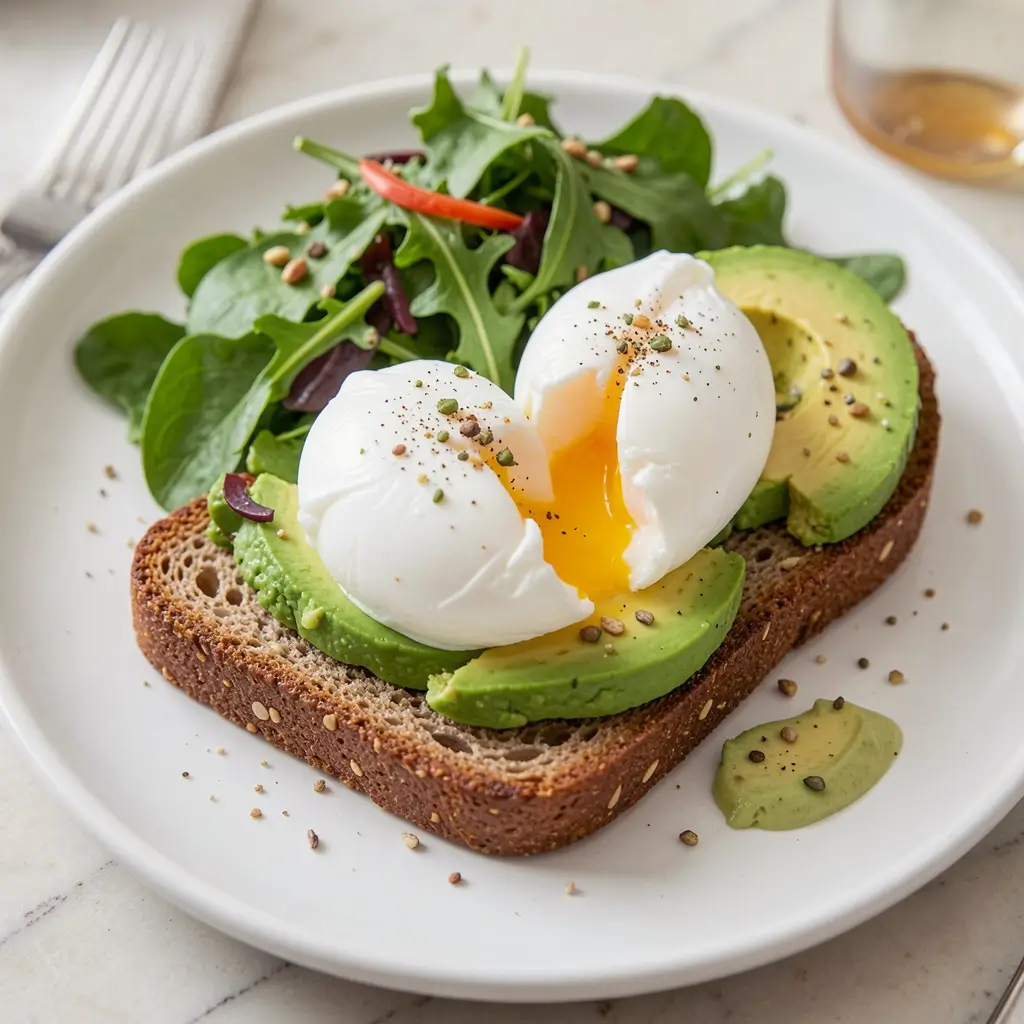
Making eggs and tinnitus friendly eating work together is easier than it sounds. The goal isn’t to avoid eggs, it’s to prepare and pair them in ways that support rather than undermine your overall health.
Tips for including eggs wisely:
- Poach, boil, or bake eggs instead of frying in processed oils
- Pair eggs with anti-inflammatory vegetables like spinach, tomatoes, and bell peppers
- Add healthy fats like avocado or a drizzle of olive oil
- Skip high-sodium additions like processed cheese or cured meats
- Use eggs as protein in balanced meals with whole grains and fresh produce
A simple example: poached eggs on whole grain toast with sliced avocado covers protein, healthy fat, fiber, and B vitamins in one meal. In the context of eggs and tinnitus management, this kind of balanced preparation is the ideal approach.
7. When Food Sensitivities May Affect Tinnitus
In the eggs and tinnitus conversation, food sensitivities are often overlooked. Food sensitivities differ from allergies; an allergy triggers an immune response, while an intolerance typically causes a slower digestive reaction. Both can contribute to inflammation, which may influence tinnitus perception.
If you suspect diet is affecting your symptoms, here’s a simple approach:
- Track your meals in detail: note what you eat and when
- Log tinnitus symptoms daily: volume, frequency, and duration
- Look for patterns after 2–4 weeks of consistent tracking
- Identify potential food triggers based on your notes
- Consult a dietitian or audiologist before making major dietary changes
Elimination diets can help identify personal triggers, but they’re best done with professional guidance to ensure nutritional needs are still met.
8. Other Foods Sometimes Linked to Tinnitus
Beyond eggs and tinnitus, several other foods and substances are commonly associated with symptom changes for better or worse:
- Excess caffeine: may heighten the perception of ringing in some people
- High-sodium foods: can raise blood pressure and worsen symptoms
- Artificial sweeteners: reported as a trigger by some individuals, though evidence is limited
- Alcohol: affects blood flow and can temporarily worsen tinnitus
- Gluten: a potential concern for those with sensitivities or celiac disease
If you want to dig deeper, related topics worth exploring include artificial sweeteners and tinnitus, gluten and tinnitus, and the emerging research on probiotics for tinnitus.
9. Lifestyle Habits That May Help Manage Tinnitus
The eggs and tinnitus discussion is just one piece of a larger lifestyle puzzle. Diet alone rarely resolves tinnitus. The following habits consistently show up in tinnitus management research and are worth combining with smart nutritional choices:
- Stress management: meditation, yoga, or regular walks can lower cortisol levels that amplify tinnitus
- Quality sleep: a consistent sleep schedule and sound therapy at bedtime reduce nighttime distress
- Balanced nutrition: a Mediterranean style diet supports vascular and neurological health
- Sound therapy: tinnitus retraining therapy and masking devices reduce perceived severity over time
- Regular exercise: improves circulation, which benefits inner ear health
These habits work best in combination. No single change is a solution on its own, but together they create conditions where tinnitus is less likely to dominate daily life.
10. When to Seek Medical Advice
Dietary adjustments and lifestyle changes can help, but tinnitus sometimes signals something that needs professional evaluation. Seek medical advice if you experience:
- Sudden onset or a significant change in your tinnitus
- Tinnitus accompanied by hearing loss, dizziness, or balance problems
- Pulsatile tinnitus that pulses with your heartbeat
- Symptoms severely affecting sleep, concentration, or mental health
- Tinnitus in only one ear with no clear cause
An audiologist, ENT specialist, or your primary care doctor can rule out treatable causes and point you toward appropriate management strategies.
11. Final Thoughts: Eggs and Tinnitus
The eggs and tinnitus relationship comes down to this: eggs are a smart, nutrient-rich food that supports the systems involved in hearing health. Their profile of B12, selenium, choline, and Vitamin D addresses several factors, including nerve function, antioxidant defense, and neurological signaling, that are directly relevant to how tinnitus is experienced.
For most people, eggs and tinnitus can comfortably coexist in a balanced diet. The key is preparation, keep sodium low, pair eggs with anti-inflammatory foods, and treat them as part of a varied, whole food eating pattern rather than a magic fix.
Ultimately, no single food makes or breaks tinnitus management. But when you consistently make smart choices, and eggs and tinnitus aware eating is one of them, you give your body and auditory system the best foundation to function well. Combine good nutrition with quality sleep, stress management, and professional support, and you have a genuinely effective approach to living well with tinnitus.
FAQ
Are eggs good for tinnitus?
Eggs are generally considered beneficial for most tinnitus sufferers. They contain vitamin B12, selenium, choline, and vitamin D, nutrients that support nerve function, antioxidant defense, and neurological health, all of which relate to hearing and auditory processing.
Can eggs make tinnitus worse?
For most people, eggs do not worsen tinnitus. However, individuals with egg sensitivities or those who consume eggs in high-sodium preparations may notice changes in symptoms. Individual responses to diet vary.
What foods should you avoid with tinnitus?
Foods commonly linked to worsening tinnitus include high-sodium foods, excess caffeine, alcohol, and artificial sweeteners. Individual food triggers vary, so tracking meals and symptoms is recommended.
What nutrients in eggs help with hearing health?
Eggs contain vitamin B12, which supports auditory nerve health; selenium, which protects inner ear cells from oxidative damage; choline, which aids neurological signaling; and vitamin D, which may help reduce inflammation.