Table of Contents
1. Can Nutritional Deficiency Cause Tinnitus?
You’re sitting in a quiet room, and yet you hear it. A persistent ringing, buzzing, or hissing sound that seems to come from nowhere. If this sounds familiar, you’re not alone. According to a JAMA Neurology systematic review and meta analysis, more than 740 million people globally experience tinnitus, with approximately 14% of adults affected at any given time.
While tinnitus is commonly associated with noise exposure or aging, one under discussed trigger is surprisingly close to your dinner plate. Emerging research suggests a meaningful connection between nutritional deficiency and tinnitus meaning that what you’re not eating may be contributing to that phantom noise in your head.
This post dives deep into the link between diet and auditory health, helps you identify the key deficiencies that may be affecting your hearing, and gives you actionable dietary strategies to take control of your symptoms.
2. What Is Tinnitus?
Tinnitus is the perception of sound when no external source is present. The World Health Organization describes it as a symptom, not a disease itself, that can signal anything from earwax buildup to more serious auditory nerve issues.
Types of Tinnitus:
- Subjective Tinnitus: The most common type. Only the affected person can hear it. Usually caused by issues in the auditory nerve or pathway.
- Objective Tinnitus: Rare. A doctor can actually hear it during an examination. Often linked to vascular or muscular problems.
Common Symptoms:
- Ringing, buzzing, clicking, hissing, or roaring sounds
- Sounds that vary in pitch, from low to high frequency
- Constant or intermittent episodes
- One ear, both ears, or perceived inside the head
According to the National Institute on Deafness and Other Communication Disorders (NIDCD), roughly 10% of U.S. adults, about 25 million people, have experienced tinnitus lasting at least five minutes in the past year. Beyond the sounds themselves, tinnitus significantly impacts daily life, disrupting sleep, concentration, emotional wellbeing, and social interactions.
3. The Link Between Nutritional Deficiency and Tinnitus
3.1 How Nutrients Affect Hearing Health
Your inner ear is one of the most metabolically active organs in your body. It depends on a constant, high quality supply of oxygen and nutrients delivered through delicate microvascular networks. Nerves within the cochlea (your hearing organ) transmit electrical signals to your brain and every step in that process requires specific vitamins and minerals to function properly.
When key nutrients are lacking, several mechanisms can go wrong:
- Reduced blood flow to the cochlea, starving it of oxygen
- Impaired nerve conduction, scrambling auditory signals
- Increased oxidative stress damages delicate hair cells in the inner ear
- Elevated inflammation, affecting the structures that process sound
3.2 Scientific Insight (Simplified)
“Think of your auditory system like a smartphone. Nutrient deficiencies are like a dying battery even if the hardware is intact, performance suffers. The signals get weak, distorted, or just plain wrong.”
A comprehensive review published in the journal Nutrients, titled Interplay Between Nutrition and Hearing Loss: State of the Art, confirmed that deficiencies in multiple micronutrients including B vitamins, zinc, magnesium, and iron can impair auditory pathways and contribute to hearing difficulties. The biological mechanisms are real, well documented, and worth taking seriously.
4. Key Nutritional Deficiencies That May Cause or Worsen Tinnitus
| Nutrient | Role in Hearing | Deficiency Symptoms | Best Food Sources |
|---|---|---|---|
| Vitamin B12 | Nerve signal transmission | Tinnitus, fatigue, numbness | Eggs, dairy, salmon, beef |
| Iron | Tinnitus severity increases | Ringing, dizziness, weakness | Red meat, spinach, lentils |
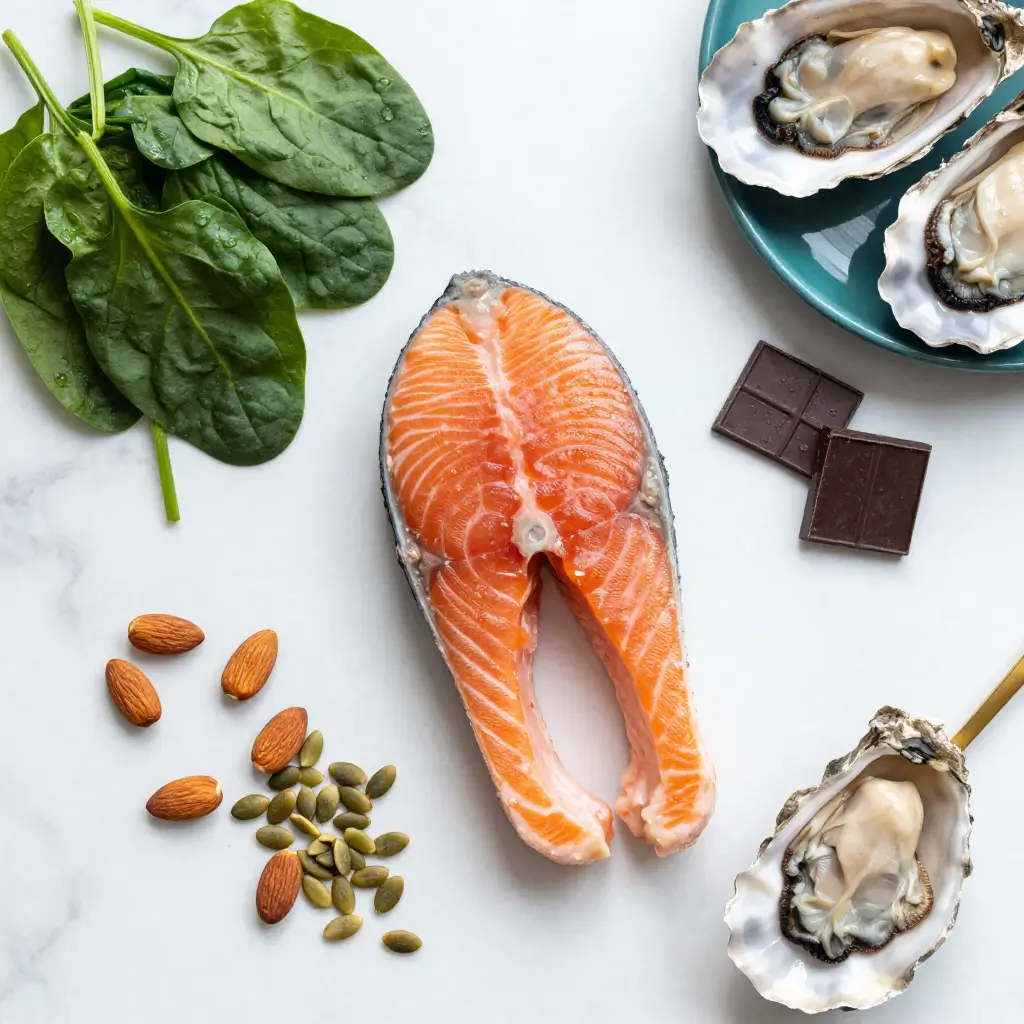
| Magnesium | Protects cochlear hair cells | Noise sensitivity, tinnitus | Nuts, seeds, dark chocolate |
| Zinc | Immune & ear cell function | Tinnitus severity increase | Shellfish, pumpkin seeds |
| Vitamin D | Bone structure, inflammation | Ear bone changes, tinnitus | Sunlight, fatty fish, fortified foods |
4.1 Vitamin B12 Deficiency
Vitamin B12 is critical for maintaining the myelin sheath, the protective coating around nerve fibers, including those in the auditory nerve. Without adequate B12, nerve signals may become distorted or misfired, which the brain can interpret as phantom sounds.
A landmark study published in the American Journal of Otolaryngology found that among 113 military personnel exposed to noise, those with tinnitus had significantly higher rates of B12 deficiency (47%) compared to those with normal hearing (19%). The same researchers noted some improvement in tinnitus symptoms following B12 replacement therapy.
Further supporting this connection, a pilot study published in the Indian Journal of Otolaryngology and Head & Neck Surgery found that B12 deficient patients receiving weekly intramuscular B12 for six weeks showed significant improvement in both tinnitus severity scores and visual analog scale ratings.
Who’s most at risk: Vegans and vegetarians (B12 is mainly animal derived), adults over 50, and people on long term metformin or antacids.
4.2 Iron Deficiency (Anemia)
Iron is essential for producing hemoglobin, which carries oxygen in the blood. Iron deficiency anemia can reduce blood flow and oxygen delivery to the cochlea, causing or worsening tinnitus symptoms alongside dizziness, fatigue, and pallor.
Low iron is one of the more well established contributors to pulsatile tinnitus, a rhythmic, heartbeat like sound that pulses in sync with your circulation. If you experience this type alongside classic anemia symptoms, a ferritin blood test is a logical first step.
4.3 Magnesium Deficiency
Magnesium plays a dual role in hearing health. It acts as a natural calcium channel blocker in cochlear hair cells, preventing cellular overexcitation from loud noise exposure, and it regulates nerve impulse transmission throughout the auditory pathway.
A Phase 2 clinical study published in the International Tinnitus Journal found that daily magnesium supplementation (532 mg) over three months led to a statistically significant decrease in tinnitus severity as measured by the Tinnitus Handicap Inventory. Researchers at the University of Leicester also explored the mechanism in depth. Their findings, summarized in The Conversation, suggest magnesium may help prevent tinnitus by stabilizing nerve signaling in the dorsal cochlear nucleus.
A comprehensive review on magnesium and hearing loss from the NCBI Bookshelf further confirms that magnesium’s neuroprotective and vasodilatory effects make it a well-supported candidate for inner ear protection.
4.4 Zinc Deficiency
Zinc is highly concentrated in the cochlea more so than in almost any other tissue in the body. It supports immune function, protects against oxidative damage, and is vital for the enzymes that maintain inner ear health.
A randomized placebo controlled study published in PubMed showed that patients with tinnitus who had low blood zinc levels experienced clinically meaningful improvement in both objective measurements and subjective tinnitus ratings after two months of oral zinc supplementation. A broader review on zinc as a possible treatment for tinnitus noted that zinc deficiency prevalence in tinnitus patients ranges from 2% to 69% across studies, with elderly individuals disproportionately affected.
It’s worth noting that results across studies are mixed. The Cochrane Database review on zinc supplementation for tinnitus found insufficient evidence to draw firm conclusions, underscoring the need for testing before supplementing.
4.5 Vitamin D Deficiency
Vitamin D deficiency is linked to tinnitus through two main pathways: systemic inflammation and structural changes in the tiny bones of the middle ear. A study published in PLOS ONE involving 201 tinnitus patients found a high prevalence of vitamin D deficiency and a significant correlation between lower vitamin D levels and greater tinnitus severity.
A subsequent meta-analysis published in PMC estimated that serum vitamin D levels could be approximately 22% lower in patients with tinnitus compared to those without. The researchers proposed that cochlear demineralization and impaired neurosensoral transmission, both consequences of chronic vitamin D deficiency, are likely contributing mechanisms.
Given that vitamin D deficiency affects over 1 billion people worldwide, its role in auditory health is one of the most actionable areas for investigation.
5. Signs You Might Have a Nutritional Deficiency
Nutritional deficiencies rarely announce themselves with one obvious symptom. They show up as a cluster of subtle, overlapping signs that are easy to overlook:
- Persistent fatigue and low energy even after adequate sleep
- Brain fog, poor concentration, or memory issues
- Pale skin, brittle nails, or excessive hair loss
- Frequent dizziness or feelings of lightheadedness
- Tingling or numbness in hands and feet
- Tinnitus that gets worse under stress or after poor sleep
- Slow wound healing or frequent infections
If you’re experiencing tinnitus alongside two or more of these symptoms, nutritional deficiency may be a contributing factor worth discussing with your doctor or a registered dietitian.
6. Best Foods to Support Hearing and Reduce Tinnitus
| Nutrient | Top Food Sources | Daily Target |
|---|---|---|
| Vitamin B12 | Salmon, eggs, Greek yogurt, beef liver | 2.4 mcg/day |
| Iron | Red meat, spinach, lentils, fortified cereals | 8–18 mg/day |
| Magnesium | Almonds, cashews, dark chocolate, avocado | 310–420 mg/day |
| Zinc | Oysters, pumpkin seeds, chickpeas, beef | 8–11 mg/day |
| Vitamin D | Fatty fish, egg yolks, fortified milk, sunlight | 600–800 IU/day |
6.1 Foods Rich in Vitamin B12
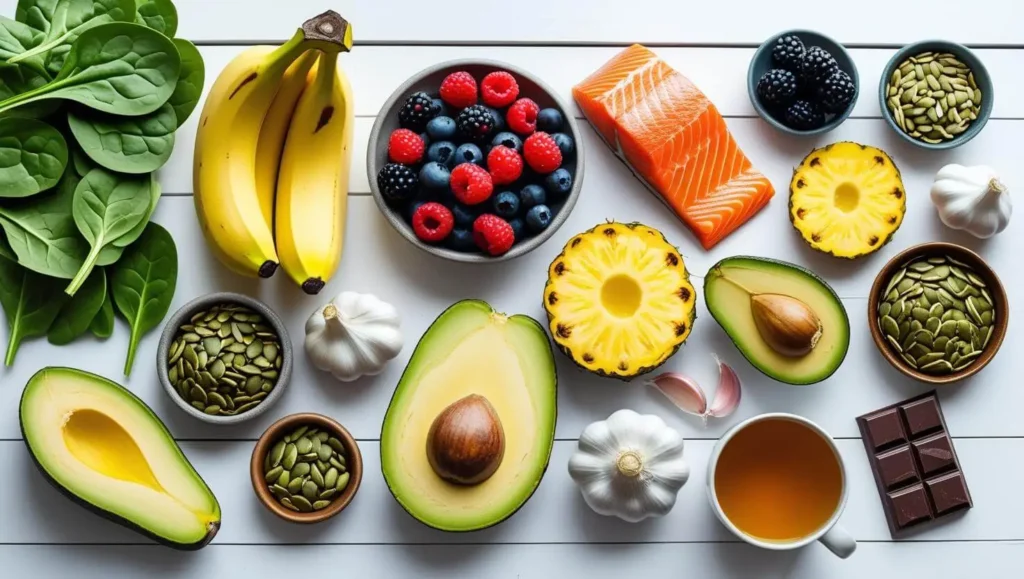
Salmon, tuna, sardines, beef liver, eggs, dairy, and fortified plant milks (ideal for vegans). The NIH Office of Dietary Supplements provides a detailed breakdown of B12 content per food serving if you want to track your intake more precisely.
6.2 Iron-Rich Foods
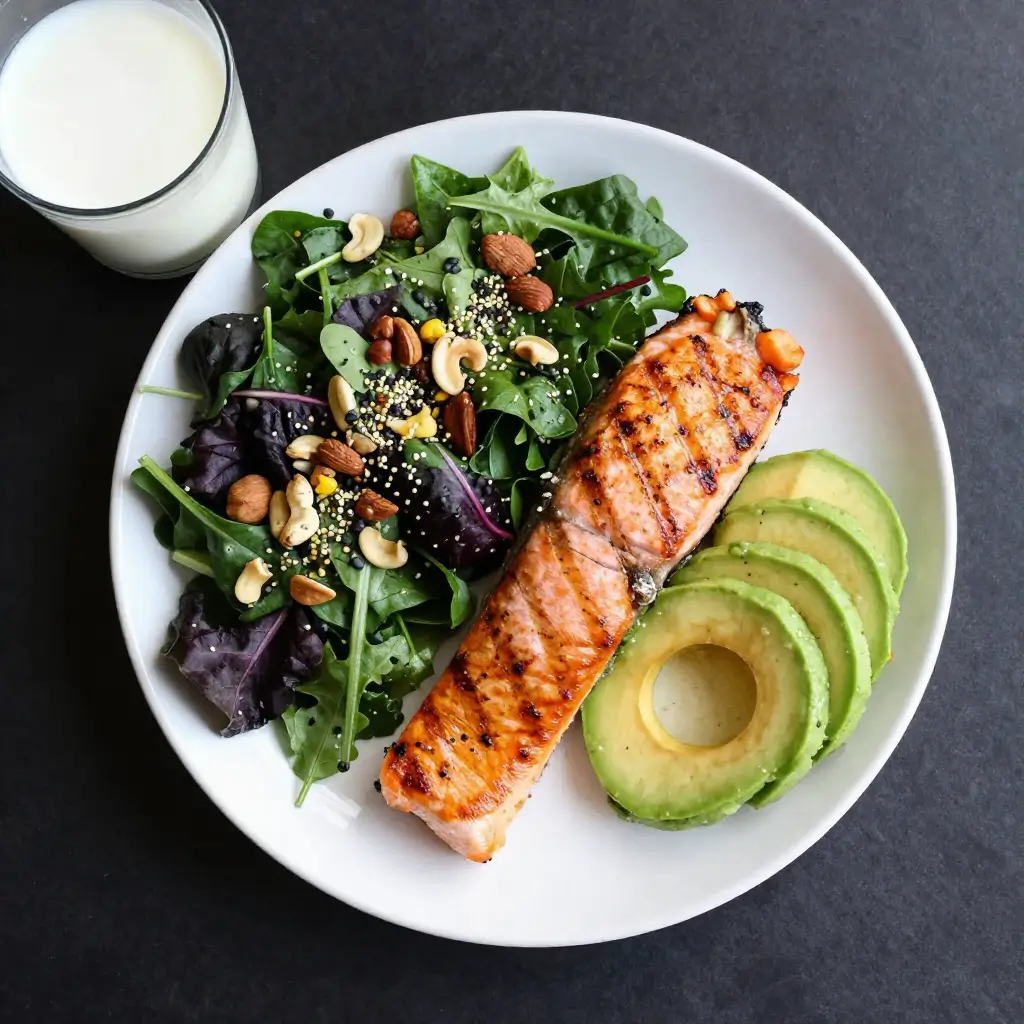
Red meat and lamb (heme iron, best absorbed), plus spinach, lentils, chickpeas, and fortified cereals. Pair plant-based iron with vitamin C to significantly boost absorption.
6.3 Magnesium Sources
Almonds, cashews, pumpkin seeds, dark chocolate (70%+), avocado, bananas, and brown rice. Research covered by MedShadow Foundation highlights that approximately half of Americans consume less magnesium than recommended, making dietary improvement a realistic and impactful intervention.
6.4 Zinc-Rich Foods
Oysters (the richest source), beef, pork, pumpkin seeds, hemp seeds, and chickpeas.
6.5 Vitamin D Sources
Fatty fish (salmon, mackerel, herring), egg yolks, fortified milk and cereals, and 15–20 minutes of midday sun exposure. The NIH Vitamin D Fact Sheet is a reliable reference for understanding optimal blood levels and recommended daily intake.
7. Should You Take Supplements for Tinnitus?
Supplements can be helpful, but only when you have a confirmed deficiency. Here’s the balanced view:
When supplements may help:
- Blood tests confirm a specific deficiency
- Dietary intake alone can’t meet your needs (e.g., vegans and B12)
- A doctor or dietitian recommends supplementation
Important cautions:
- Excess zinc can impair copper absorption and worsen tinnitus
- Iron supplements can cause toxicity if you’re not actually deficient
- Fat-soluble vitamins (A, D, E, K) accumulate and can reach toxic levels
- Always test before you supplement self diagnosis is unreliable
The American Tinnitus Association is an excellent resource for evidence based information on tinnitus management, including when nutritional interventions are likely to be most helpful.
Never supplement without testing. A simple blood panel can tell you exactly what you need and what you don’t.
8. Lifestyle Factors That Worsen Tinnitus
Even with a good diet, certain habits can amplify tinnitus symptoms. The WHO’s guidance on tinnitus identifies several key lifestyle related risk factors:
- Poor diet quality: processed foods and excess sodium disrupt inner ear fluid balance
- High caffeine intake: can temporarily increase tinnitus intensity in sensitive individuals
- Alcohol consumption: alters inner ear fluid pressure and may worsen tinnitus acutely
- Chronic stress: reduces cochlear blood flow by tightening blood vessels
- Sleep deprivation lowers tinnitus tolerance and disrupts the body’s repair processes
- Loud noise exposure: accelerates cochlear hair cell damage, especially when nutrient levels are already low
9. Can Fixing Nutritional Deficiencies Reverse Tinnitus?
The honest answer: sometimes yes, sometimes partially, and sometimes the damage is irreversible.
When improvement is most likely:
- Tinnitus is recent and developed alongside a confirmed deficiency
- The deficiency is corrected early, before significant cochlear damage occurs
- Tinnitus was caused primarily by reduced blood flow or impaired nerve function
When tinnitus may be permanent:
- Long standing noise induced hearing damage (cochlear hair cells do not regenerate)
- Tinnitus is associated with structural changes like otosclerosis
- Age-related hearing loss is the primary driver
A systematic review published in JAMA Neurology notes that about 2% of the global population experiences a severe form of tinnitus that significantly interferes with daily life, a reminder that professional evaluation is essential in persistent cases. Even when complete resolution isn’t possible, improving nutritional status often reduces severity and makes tinnitus far easier to manage.
10. Conclusion: Restore Balance, Reduce the Noise
The connection between nutritional deficiency and tinnitus is not just a nutritional curiosity; it’s a clinically relevant relationship supported by a growing body of research. Your inner ear is profoundly sensitive to the quality of your diet, and deficiencies in vitamins and minerals like B12, iron, magnesium, zinc, and vitamin D can all play a role in triggering or amplifying that unwanted sound.
The path forward doesn’t require a dramatic overhaul. Start by getting your levels tested. Focus on building a nutrient-dense, anti-inflammatory diet rich in the foods outlined in this post. Address confirmed deficiencies with professional guidance, and pair dietary improvements with better sleep, stress management, and hearing protection.
Will fixing your diet cure tinnitus? In some cases, particularly where deficiency is the primary driver, meaningful improvement is absolutely possible. In others, the goal is to reduce severity and improve quality of life. Either way, nourishing your auditory system is always a step in the right direction.
FAQ
Can nutritional deficiency cause tinnitus?
Yes. Deficiencies in vitamins B12, D, iron, magnesium, and zinc can impair cochlear blood flow, auditory nerve function, and inner ear health, all of which may trigger or worsen tinnitus.
Which vitamin deficiency causes ringing in the ears?
Vitamin B12 deficiency is most strongly linked to tinnitus. B12 is essential for the myelin sheath protecting the auditory nerve. Low levels can cause misfired nerve signals perceived as phantom sounds.
What foods should I eat to reduce tinnitus?
Focus on B12 rich foods (salmon, eggs, dairy), iron rich foods (red meat, spinach, lentils), magnesium sources (almonds, dark chocolate), zinc rich foods (oysters, pumpkin seeds), and vitamin D sources (fatty fish, fortified milk).
Can fixing nutritional deficiencies reverse tinnitus?
In some cases, yes. When tinnitus is caused primarily by a nutritional deficiency, such as low B12 or iron correcting the deficiency through diet or supplementation can meaningfully reduce symptoms. Long standing structural damage is less reversible.