
Table of Contents
Introduction
If you’ve ever experienced that persistent ringing, buzzing, or humming sound in your ears when there’s no external source, you’re dealing with tinnitus. This common condition affects millions of people worldwide, ranging from a mild annoyance to a significant disruption in daily life. According to the Mayo Clinic, tinnitus can stem from various causes including hearing damage, earwax buildup, or underlying health conditions, many people find relief through simple lifestyle adjustments and gentle exercises.
The good news is that certain tinnitus relief exercises can be performed right in the comfort of your home, requiring no special equipment or extensive training. These gentle movements focus on reducing tension, improving blood circulation, and promoting overall relaxation, all factors that may help manage tinnitus symptoms. In this comprehensive guide, we’ll explore five easy exercises that have shown promise in helping people find relief from their tinnitus symptoms.
Why Exercises Can Help with Tinnitus
Understanding the connection between physical exercises and tinnitus relief requires looking at the broader picture of how our body systems interact. Research suggests that tension in specific areas of the bodyp articularly the neck, jaw, and shoulders can contribute to or worsen tinnitus symptoms.
The Tension-Tinnitus Connection
| Body Area | Impact on Tinnitus | How Exercise Helps |
|---|---|---|
| Neck muscles | Restricted blood flow to ears | Improves circulation through stretching |
| Jaw (TMJ) | Shared nerve pathways with ear | Reduces pressure through relaxation |
| Shoulders | Poor posture affects nerve function | Corrects alignment and reduces compression |
Several mechanisms explain why targeted exercises may provide tinnitus relief:
- Improved Blood Circulation: Enhanced blood flow to the head and neck region can support better ear health and function
- Reduced Muscle Tension: Releasing tight muscles around the head, neck, and jaw may alleviate pressure on nerves connected to the auditory system
- Stress Reduction: Exercise promotes relaxation and reduces stress hormones, which can intensify tinnitus perception
- Better Posture: Proper alignment reduces nerve compression and supports optimal circulation
The American Tinnitus Association emphasizes that “General wellness does not have a direct impact on tinnitus, but it can provide strong peripheral benefits that make living with tinnitus feel much easier.”
Important Note: While these exercises can be valuable management tools, they’re complementary approaches rather than cures. Always consult with a healthcare professional for persistent or severe tinnitus symptoms.
Exercise 1 – Neck Stretches for Better Blood Flow
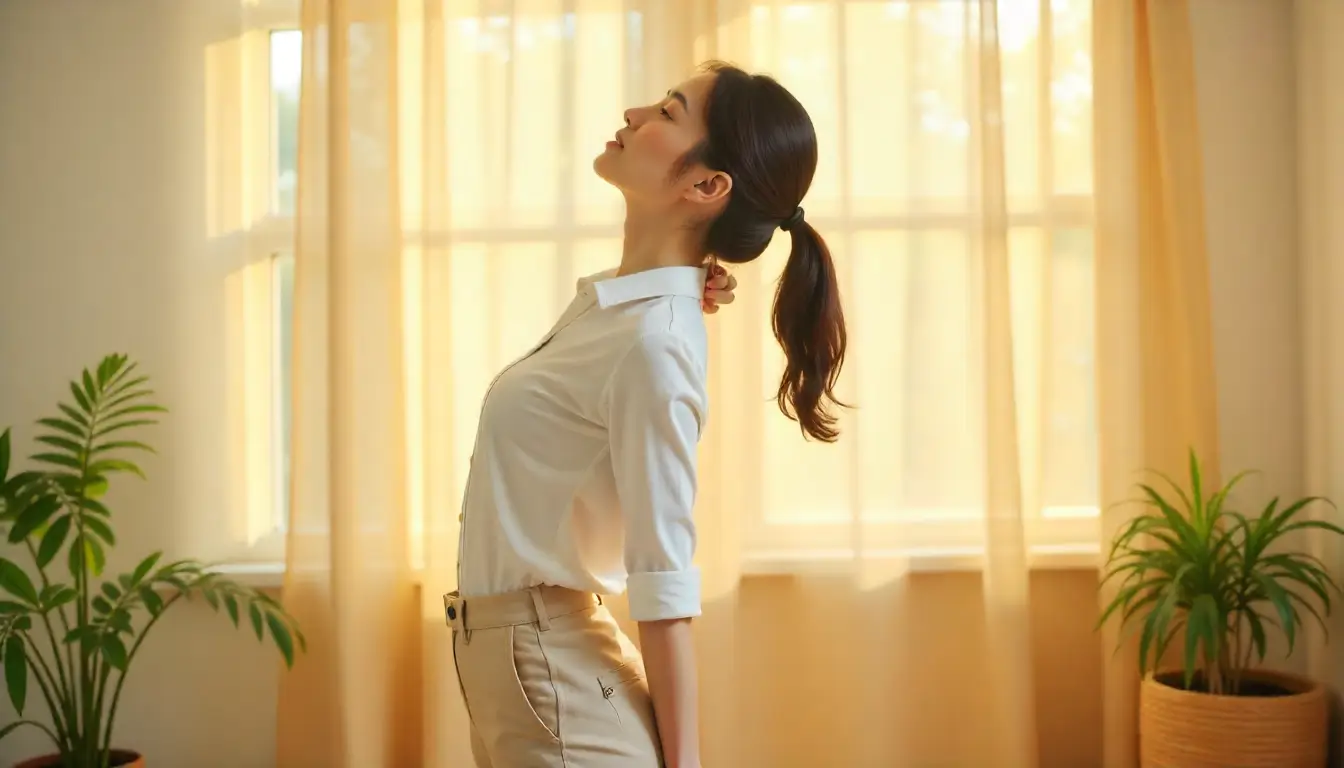
Poor neck posture and tight cervical muscles can restrict blood flow to the ears and compress nerves that influence auditory function. These gentle neck stretches form the foundation of effective tinnitus relief exercises.
Step by Step Neck Stretching Routine:
Side Bends:
- Sit or stand with your spine straight
- Slowly tilt your head toward your right shoulder
- Hold for 15-20 seconds, feeling the stretch on the left side
- Return to the center and repeat on the left side
- Perform 3-5 repetitions in each direction
Chin-to-Chest Stretch:
- Lower your chin toward your chest slowly
- Hold for 15-20 seconds
- Feel the stretch along the back of your neck
- Slowly return to the neutral position
- Repeat 3-5 times
Gentle Rotations:
- Begin with your head in a neutral position
- Slowly rotate your head in a small circle (clockwise)
- Complete 5 rotations, then reverse direction
- Keep movements slow and controlled
Benefits for Tinnitus Relief:
- Increases blood flow to the head and neck region
- Releases tension that may compress auditory nerves
- Improves overall neck mobility and posture
Exercise 2 – Jaw Relaxation Movements
The temporomandibular joint (TMJ) shares nerve pathways and muscle connections with the ear, making jaw tension a significant contributor to tinnitus symptoms. These targeted jaw exercises can help reduce this tension-related tinnitus.
Understanding the TMJ-Tinnitus Connection:
The proximity of the jaw joint to the ear canal means that dysfunction or tension in this area can directly impact ear pressure and nerve function. Many people unknowingly clench their jaws due to stress, creating additional pressure that may worsen tinnitus.
Jaw Relaxation Technique Sequence:
Controlled Mouth Opening:
- Open your mouth slowly to a comfortable width
- Hold for 5 seconds
- Close gently
- Repeat 10 times
Side-to-Side Movements:
- Keep your mouth slightly open
- Move your jaw slowly to the right
- Hold for 3 seconds, then move to the left
- Perform 5 movements in each direction
Controlled Clenching and Release:
- Gently clench your teeth together (avoid force)
- Hold for 5 seconds
- Relax completely for 10 seconds
- Repeat 5-8 times
How Jaw Relaxation Reduces Ear Pressure:
- Releases muscle tension around the TMJ
- Reduces pressure on shared nerve pathways
- Improves lymphatic drainage in the head and neck area
- Promotes better jaw alignment and function
Exercise 3 – Shoulder Rolls & Posture Correction
Modern lifestyle habits often lead to forward head posture and rounded shoulders, which can compress nerves and restrict blood flow to the head and neck region. These shoulder exercises are essential components of comprehensive tinnitus relief exercises.
Progressive Shoulder Exercise Routine:
Forward and Backward Rolls:
- Stand with feet shoulder-width apart
- Roll shoulders forward in large, slow circles (5 times)
- Reverse direction, rolling backward (5 times)
- Focus on the full range of motion
Shoulder Blade Squeezes:
- Sit or stand with arms at your sides
- Squeeze your shoulder blades together
- Hold for 5-10 seconds
- Release and repeat 10 times
- Imagine trying to hold a pencil between your shoulder blades
Wall Angels:
- Stand with your back against a wall
- Raise your arms to form a “W” shape
- Slowly raise to a “Y” position
- Lower back to “W”
- Perform 10-15 repetitions
The Posture-Circulation Connection:
- Nerve Decompression: Better alignment reduces pressure on cervical nerves
- Enhanced Blood Flow: Improved posture promotes optimal circulation to the head
- Reduced Muscle Fatigue: Proper alignment prevents compensatory muscle tension
Exercise 4 – Deep Breathing & Relaxation Techniques

Stress and anxiety can significantly amplify tinnitus perception, creating a cycle where tinnitus causes stress, which in turn worsens the symptoms. Deep breathing exercises serve as powerful tinnitus relief exercises by activating the body’s relaxation response.
Diaphragmatic Breathing Protocol:
Basic Technique:
- Lie down or sit comfortably with one hand on your chest, one on your belly
- Breathe in slowly through your nose for 4 counts
- Feel your belly rise while your chest remains relatively still
- Hold your breath for 2 counts
- Exhale through your mouth for 6 counts
- Repeat for 5-10 minutes
4-7-8 Breathing Method:
- Inhale for 4 counts
- Hold for 7 counts
- Exhale for 8 counts
- Particularly effective for stress reduction
Stress Reduction and Tinnitus Perception:
Research indicates that stress hormones like cortisol can increase tinnitus severity. Mayo Clinic experts note that “stress can worsen tinnitus,” making relaxation techniques particularly valuable. Deep breathing exercises help by:
- Activating the parasympathetic nervous system
- Reducing cortisol and adrenaline levels
- Promoting overall relaxation and well-being
- Improving sleep quality, which affects tinnitus perception
Pairing with Mindfulness: Consider combining breathing exercises with:
- Progressive muscle relaxation
- Guided meditation apps
- Gentle background sounds or white noise
- Visualization techniques
For additional strategies on managing tinnitus symptoms during rest periods, explore our comprehensive guide on how to stop ringing in ears at night for better sleep quality.
Exercise 5 – Tongue & Facial Exercises
The muscles and nerves of the face, tongue, and throat are intricately connected to the auditory system. These specialized exercises target tension-related tinnitus by addressing pressure points and muscle groups that may influence ear function.
Tongue and Palate Exercises:
Tongue Presses:
- Place the tip of your tongue against the roof of your mouth
- Apply gentle, steady pressure for 10 seconds
- Release and relax for 5 seconds
- Repeat 8-10 times
Tongue Stretches:
- Stick your tongue out as far as comfortable
- Hold for 5 seconds
- Move your tongue side to side, then up and down
- Perform each direction 5 times
Facial Relaxation Movements:
Cheek Massage:
- Use your fingertips to gently massage your cheeks in circular motions
- Work from the jaw line up toward the temples
- Continue for 1-2 minutes on each side
Temple and Ear Area Relaxation:
- Gently massage temples with fingertips
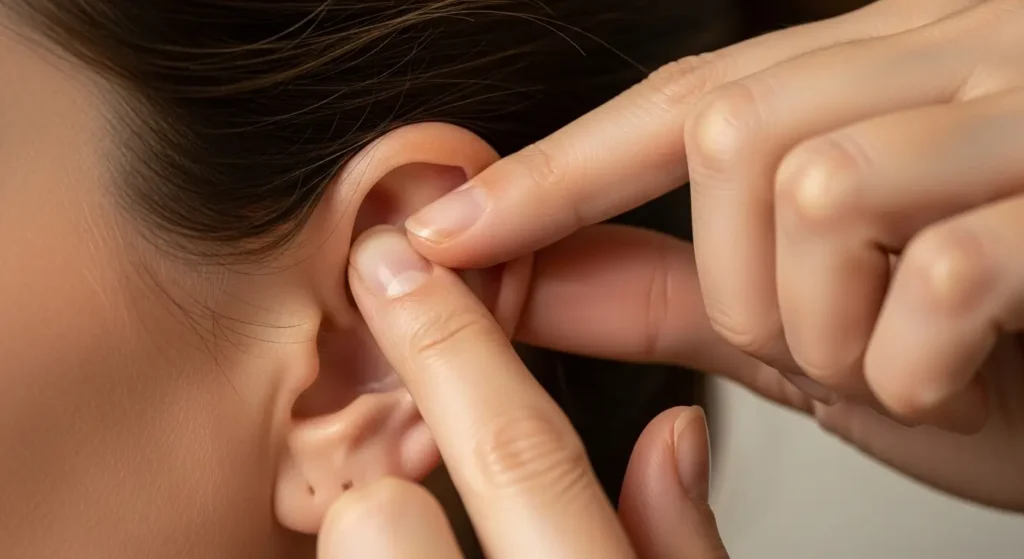
- Apply light pressure around the ear area
- Focus on areas that feel tense or tender
Benefits for Tension-Related Tinnitus:
- Releases fascial tension around the ears
- Improves lymphatic drainage
- Reduces pressure on cranial nerves
- Promotes overall facial and jaw relaxation
These exercises work particularly well when combined with other holistic approaches. Learn more about complementary strategies in our detailed article on natural remedies for tinnitus relief at home.
Bonus Tip – General Fitness for Circulation
While targeted exercises provide direct benefits, overall physical fitness plays a crucial role in tinnitus management through improved cardiovascular health and circulation.
Recommended Activities for Ear Health:
Low-Impact Cardiovascular Exercise:
- Walking: 30 minutes daily at a moderate pace
- Swimming: Excellent full-body exercise (use ear protection if needed)
- Cycling: Indoor or outdoor, based on preference and weather
- Yoga: Combines movement, breathing, and relaxation
Circulation and Stress Management Benefits:
- Enhanced blood flow to all body systems, including the auditory system
- Improved oxygen delivery to the ear structures
- Natural stress hormone regulation
- Better sleep quality and overall well-being
- Increased endorphin production for mood enhancement
Supporting Your Exercise Routine: Many people find that combining physical exercises with targeted nutritional support enhances their tinnitus management approach.
Creating a Balanced Routine:
- Aim for 150 minutes of moderate aerobic activity weekly
- Include strength training exercises twice per week
- Incorporate flexibility and balance work
- Listen to your body and adjust intensity as needed
When to Seek Medical Help
While tinnitus relief exercises can be valuable management tools, certain situations require professional medical evaluation and intervention.
Red Flag Symptoms Requiring Immediate Attention:
- Sudden onset of tinnitus in one ear only
- Pulsatile tinnitus that matches your heartbeat
- Hearing loss accompanying tinnitus
- Dizziness or balance problems with tinnitus
- Severe headaches along with ear symptoms
- Discharge from the ear or signs of infection
Professional Evaluation Benefits:
A comprehensive audiological and medical evaluation can:
- Identify underlying causes of tinnitus
- Rule out treatable medical conditions
- Provide specialized treatment options
- Offer hearing aids or sound therapy devices
- Connect you with tinnitus support groups and resources
For comprehensive information about treatment options, the American Tinnitus Association’s therapy guide provides detailed insights into evidence-based approaches to tinnitus management.
Working with Healthcare Providers:
- Keep a tinnitus diary, noting triggers and patterns
- Document which exercises provide the most relief
- Discuss your exercise routine and any improvements
- Be open about the impact of tinnitus on your quality of life
Conclusion
Managing tinnitus effectively often requires a multifaceted approach, and these five tinnitus relief exercises can serve as valuable components of your wellness routine. From gentle neck stretches that improve circulation to deep breathing techniques that reduce stress, each exercise targets different aspects of tinnitus management.
Recap of the 5 Essential Exercises:
- Neck Stretches: Enhance blood flow and reduce cervical tension
- Jaw Relaxation: Address TMJ-related tinnitus symptoms
- Shoulder Rolls: Improve posture and nerve function
- Deep Breathing: Activate relaxation response and reduce stress
- Tongue & Facial Exercises: Release tension around the ear area
For optimal results, consistency is key. Try to incorporate these exercises into your daily routine, perhaps starting with just 10-15 minutes per day. Many people find that performing these exercises in the morning helps set a positive tone for the day, while evening sessions can promote better sleep.
If nighttime tinnitus continues to disrupt your rest despite regular exercise, consider implementing additional bedtime strategies outlined in our guide on how to stop ringing in ears at night.
Remember that everyone’s experience with tinnitus is unique, and what works best may vary from person to person. Pay attention to which exercises provide you with the most relief, and don’t hesitate to modify the routines based on your comfort level and response.
Comprehensive Tinnitus Management: While these exercises form an excellent foundation for natural tinnitus relief, some individuals benefit from combining physical therapy with nutritional support.
By combining these gentle exercises with proper medical care when needed, you’re taking proactive steps toward better tinnitus management and improved quality of life.

Woah! I’m really enjoying the template/theme of this site.
It’s simple, yet effective. A lot of times it’s tough to get that “perfect balance” between superb usability and visual appearance.
I must say you have done a superb job with this. In addition, the blog loads extremely fast for
me on Opera. Superb Blog!
Incredible points. Great arguments. Keep up the good work.