Table of Contents
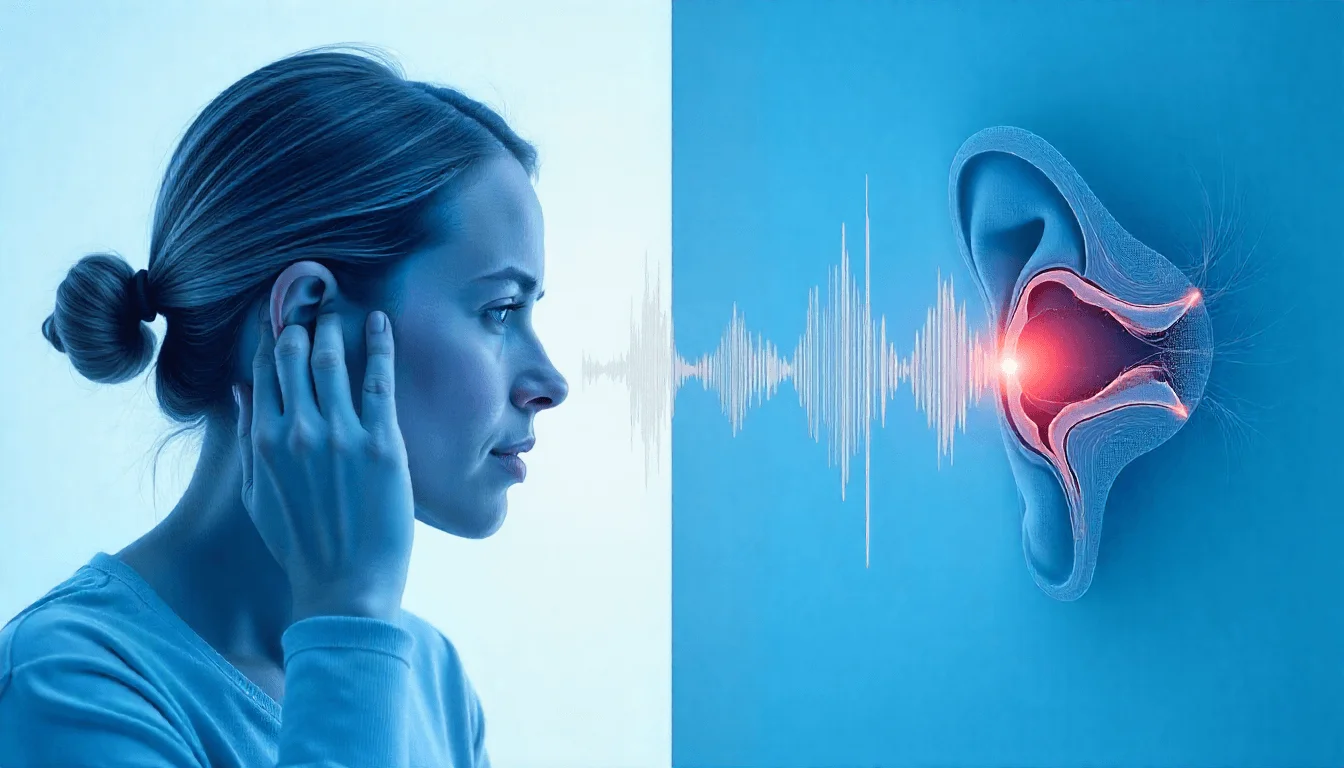
If you’ve ever experienced a persistent ringing, buzzing, or humming sound in your ears, you’re not alone. Tinnitus affects millions of people worldwide, often leaving them wondering about its connection to their hearing health. Many individuals find themselves asking: is tinnitus a sign of hearing loss? This question is more common than you might think, and understanding the relationship between these two conditions is crucial for your auditory wellness.
Hearing loss is a widespread concern that affects people of all ages, from young adults exposed to loud music to seniors experiencing age-related changes. While tinnitus and hearing loss often occur together, their relationship is complex and not always straightforward. In this comprehensive guide, we’ll explore the intricate connection between tinnitus and hearing loss, backed by research and expert insights, to help you understand when tinnitus might signal hearing damage and when it might indicate something else entirely.
What Exactly Is Tinnitus?
Tinnitus is the perception of sound when no external sound source is present. This phantom auditory sensation manifests in various forms, and understanding its characteristics is essential for recognizing its potential connection to hearing loss. The Mayo Clinic defines tinnitus as sounds that “fill your head that no one else hears.”
Common Symptoms and Types
Tinnitus presents itself through several distinct sound patterns:
- Ringing: The most common form, often described as a high-pitched bell or telephone ring
- Buzzing: Similar to an electrical hum or the sound of a bee
- Hissing: Resembling the sound of escaping steam or static
- Pulsing: Rhythmic sounds that may match your heartbeat
- Clicking: Sharp, intermittent sounds
- Roaring: Low-frequency sounds similar to ocean waves or wind
Temporary vs. Chronic Tinnitus
Temporary tinnitus typically lasts from a few minutes to several days and often results from:
- Exposure to loud concerts or machinery
- Ear infections
- Earwax blockages
- Certain medications
Chronic tinnitus persists for more than six months and may indicate underlying auditory system damage or other medical conditions.
Impact on Daily Life
Chronic tinnitus can significantly affect quality of life by:
- Disrupting sleep patterns and causing insomnia
- Interfering with concentration and work productivity
- Contributing to anxiety and depression
- Making it difficult to enjoy quiet activities like reading
- Affecting social interactions and communication
For those struggling with nighttime symptoms, learning how to stop ringing in ears at night can be particularly helpful for improving sleep quality.
Is Tinnitus a Sign of Hearing Loss? Understanding the Connection
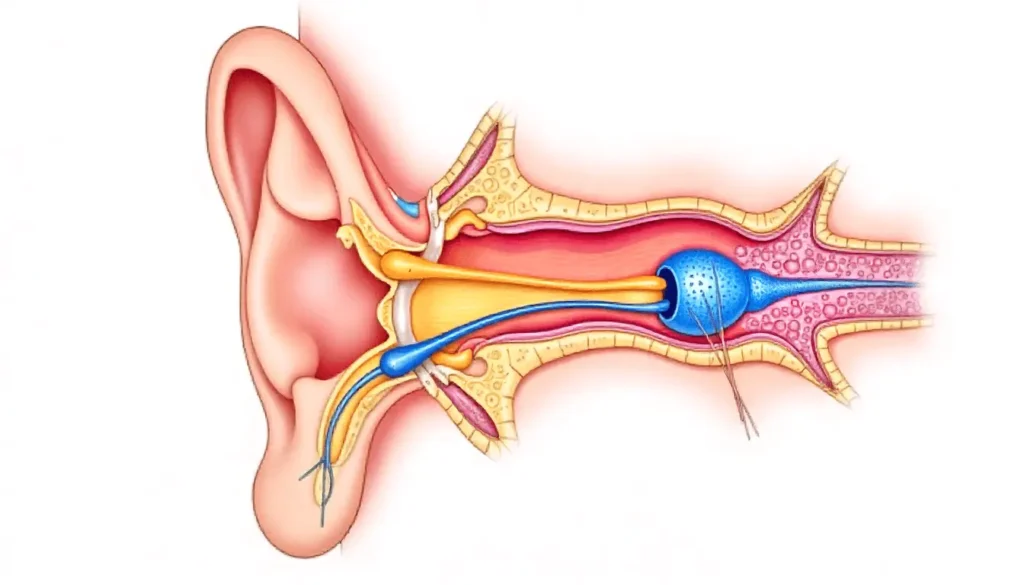
The connection between tinnitus and hearing loss lies primarily in the inner ear’s delicate structure. When tiny hair cells in the cochlea become damaged, they can send erratic signals to the brain, resulting in both hearing difficulties and tinnitus perception.
The Science Behind the Connection
Research reveals fascinating insights about this relationship. According to the Mayo Clinic, “Ninety percent of those with tinnitus have hearing loss”, highlighting the strong correlation between these conditions:
| Study Finding | Percentage | Implication |
|---|---|---|
| Tinnitus sufferers with measurable hearing loss | 80-90% | Strong correlation exists |
| Hearing loss patients experiencing tinnitus | 10-15% | Not all hearing loss causes tinnitus |
| Tinnitus cases with normal hearing tests | 10-20% | Other factors may be involved |
Why They Often Appear Together
Several mechanisms explain this co-occurrence:
- Shared anatomical pathways: Both conditions often involve the same inner ear structures
- Compensatory brain activity: The brain may generate tinnitus sounds to “fill in” missing frequencies
- Neural plasticity changes: Hearing damage can alter how the brain processes sound signals
- Common risk factors: Noise exposure, aging, and certain medications affect both conditions
However, it’s crucial to understand that tinnitus and hearing loss are not always synonymous. While they frequently coexist, each can occur independently of the other.
When Tinnitus Is a Sign of Hearing Loss
Several specific scenarios strongly suggest that tinnitus may indicate underlying hearing damage:
Age-Related Hearing Decline (Presbycusis)
As we age, the hair cells in our inner ears naturally deteriorate, leading to:
- Gradual high-frequency hearing loss
- Difficulty understanding speech, especially in noisy environments
- Accompanying tinnitus, often in higher frequencies
- Progressive worsening over time
Key indicators: If your tinnitus developed alongside increasing difficulty hearing conversations, particularly in restaurants or group settings, it may signal age-related hearing loss.
Noise-Induced Hearing Loss
Exposure to loud sounds can cause immediate or gradual damage:
Acute exposure (concerts, explosions, firearms):
- Sudden onset of tinnitus
- Temporary or permanent hearing reduction
- Feeling of fullness in the ears
Chronic exposure (workplace noise, headphones, machinery):
- Gradual development of both tinnitus and hearing loss
- Often affects specific frequency ranges
- It may be preventable with proper protection
Ototoxic Medications
Certain medications can damage the inner ear, causing both tinnitus and hearing loss:
- Antibiotics: Gentamicin, streptomycin, neomycin
- Chemotherapy drugs: Cisplatin, carboplatin
- Loop diuretics: Furosemide, bumetanide
- High-dose aspirin: Regular use of large quantities
- Antimalarial drugs: Chloroquine, quinine
Important Note: If you’re taking any of these medications and develop tinnitus, consult your healthcare provider immediately. Don’t stop medications without medical guidance.
When Tinnitus May Occur Without Hearing Loss
While tinnitus often accompanies hearing loss, several conditions can cause tinnitus in people with normal hearing:
Stress and Anxiety
Psychological factors significantly influence tinnitus:
- Stress hormones can affect inner ear function
- Anxiety may heighten awareness of existing tinnitus
- Sleep deprivation can worsen symptoms
- Depression often coexists with chronic tinnitus
Ear Infections and Blockages
Physical obstructions or infections can create tinnitus without permanent hearing damage:
Earwax buildup:
- Creates pressure and fullness
- Usually resolves with proper cleaning
- Should be removed by healthcare professionals
Middle ear infections:
- Causes temporary hearing loss and tinnitus
- Often accompanied by pain and fever
- Typically resolves with appropriate treatment
Temporomandibular Joint (TMJ) Disorders
TMJ problems can cause tinnitus through:
- Muscle tension affecting the ear
- Nerve pathway overlap
- Joint inflammation spreading to nearby structures
Symptoms to watch for:
- Jaw pain or clicking
- Difficulty chewing
- Facial muscle tension
- Tinnitus that worsens with jaw movement
Other Medical Conditions
Various health conditions can trigger tinnitus:
- High blood pressure: Can cause pulsatile tinnitus
- Meniere’s disease: It involves fluid buildup in the inner ear
- Acoustic neuroma: Benign tumor affecting hearing nerves
- Thyroid disorders: Can affect overall ear function
Other Warning Signs of Hearing Loss
Recognizing additional hearing loss symptoms can help determine if your tinnitus is related to auditory damage:
Communication Difficulties
- Asking “what?” frequently: Needing repetition in conversations
- Misunderstanding words: Especially similar-sounding words
- Difficulty with phone conversations: Struggling to hear through devices
- Problems with background noise: Restaurants and parties become challenging
Behavioral Changes
- Volume adjustments: Gradually increasing TV, radio, or phone volumes
- Reading lips unconsciously: Relying more on visual cues
- Avoiding social situations: Withdrawing from group conversations
- Fatigue from listening: Mental exhaustion after concentrating on sounds
Physical Sensations
- Ear fullness: Feeling like ears are plugged
- Sound distortion: Music or voices sounding unclear
- Echo effects: Hearing your own voice differently
- Balance issues: Potential vestibular system involvement
What to Do If You Have Tinnitus
Taking proactive steps can help you understand and manage your tinnitus effectively:
Keep a Symptom Diary
Track your tinnitus patterns to identify triggers and severity:
Daily tracking elements:
- Time of onset and duration
- Loudness level (1-10 scale)
- Type of sound experienced
- Potential triggers (stress, noise, medications)
- Impact on sleep and daily activities
- Associated symptoms (hearing difficulty, dizziness)
Schedule Professional Evaluation
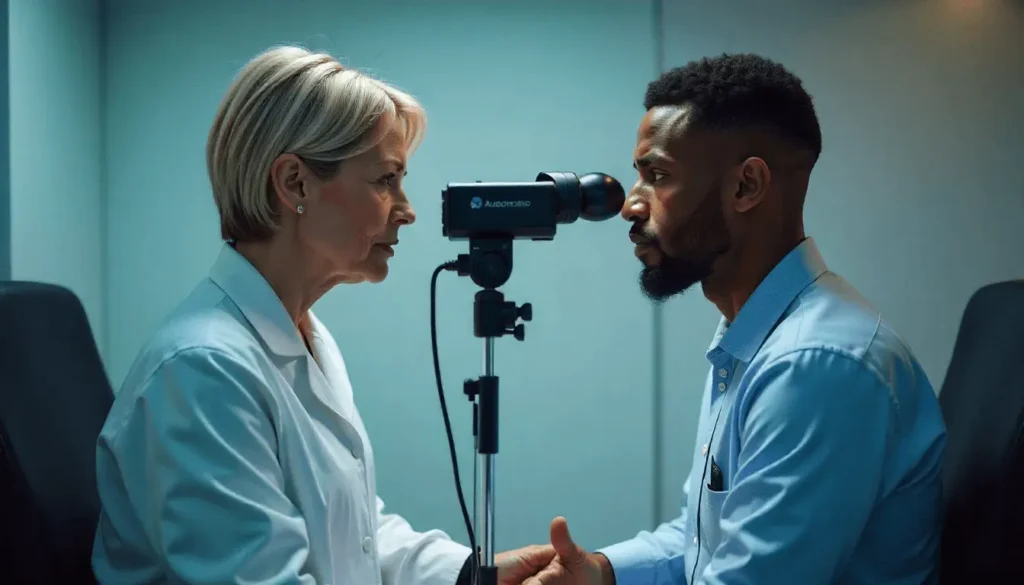
Audiological assessment should include:
- Comprehensive hearing test (audiometry)
- Tinnitus matching and assessment
- Medical history review
- Physical ear examination
- Discussion of symptoms and impact
When to seek immediate care:
- Sudden hearing loss
- Tinnitus in only one ear
- Severe dizziness or balance problems
- Ear pain or discharge
- Pulsatile tinnitus synchronized with the heartbeat
Natural Relief Strategies
While professional treatment is essential, several strategies may provide relief:
Sound therapy options:
- White noise machines
- Nature sounds (rain, ocean waves)
- Soft background music
- Hearing aids with built-in sound generators
Stress management techniques:
- Meditation and mindfulness practices
- Regular exercise
- Adequate sleep (7-9 hours nightly)
- Relaxation techniques
Dietary considerations:
- Limit caffeine and alcohol
- Reduce sodium intake
- Stay hydrated
- Consider anti-inflammatory foods
- Explore targeted nutritional supplements designed for ear health
Many individuals also explore natural remedies for tinnitus relief that you can try at home alongside professional treatment. Some people find additional support through specialized ear health supplements, which contains a blend of natural ingredients specifically formulated to support auditory wellness.
Medical Treatments & Support Options
Professional treatment options have shown significant success in managing tinnitus and associated hearing loss. The American Tinnitus Association, which has allocated over $6 million to advance tinnitus research since 1980, emphasizes the importance of comprehensive treatment approaches:
Hearing Aids with Tinnitus Features
Modern hearing aids offer sophisticated tinnitus management:
Benefits include:
- Amplification of environmental sounds
- Built-in sound masking programs
- Customizable relief sounds
- Bluetooth connectivity for streaming
- Smartphone app control
Cognitive Behavioral Therapy (CBT)
CBT addresses the emotional and behavioral aspects of tinnitus:
- Changing negative thought patterns
- Developing coping strategies
- Reducing tinnitus-related distress
- Improving sleep and relaxation
Sound Therapy and Tinnitus Retraining Therapy (TRT)
TRT combines:
- Sound therapy to reduce tinnitus perception
- Counseling to change emotional responses
- Gradual habituation to tinnitus sounds
- Long-term management strategies
Complementary Approaches
While professional medical treatment remains the gold standard, many people explore complementary approaches alongside conventional therapy.
Lifestyle modifications: Regular exercise, stress reduction, and adequate sleep can significantly impact tinnitus severity and overall ear health.
Importance of Professional Diagnosis
Only qualified healthcare providers can:
- Determine underlying causes
- Rule out serious medical conditions
- Recommend appropriate treatments
- Monitor progress and adjust therapies
- Coordinate care between specialists
According to the Mayo Clinic’s comprehensive tinnitus guide, proper diagnosis is essential because tinnitus can be caused by many different health conditions, making personalized treatment approaches crucial.
Expert Insight: “Early intervention is key to successful tinnitus management. The sooner we can identify the cause and begin appropriate treatment, the better the outcomes for patients.” – Dr. Sarah Johnson, Audiologist
Conclusion
Understanding whether tinnitus is a sign of hearing loss requires careful consideration of multiple factors. While research shows that 80-90% of tinnitus sufferers have some degree of hearing loss, the relationship isn’t always straightforward. Tinnitus can indeed be an early warning sign of hearing damage, particularly when it occurs alongside difficulty understanding conversations, the need to increase volume levels, or follows exposure to loud noises.
However, tinnitus can also result from stress, ear infections, medication side effects, or other medical conditions unrelated to hearing loss. The key is recognizing that both conditions deserve professional attention and can be effectively managed with appropriate care.
If you’re experiencing tinnitus, whether or not you suspect hearing loss, don’t wait to seek professional evaluation. Modern audiology offers sophisticated diagnostic tools and treatment options that can significantly improve your quality of life. Remember, tinnitus management and hearing support are readily available, and with proper care, you can find relief and maintain your auditory health for years to come.
Take action today: Schedule a comprehensive hearing evaluation with a qualified audiologist to understand your specific situation and explore the best treatment options for your needs.
FAQ
Is tinnitus always a sign of hearing loss?
No, tinnitus is not always a sign of hearing loss. While 80-90% of people with tinnitus do have some degree of hearing loss, tinnitus can also be caused by stress, ear infections, medications, or other medical conditions.
What percentage of tinnitus sufferers have hearing loss?
Research shows that 80-90% of people with tinnitus have measurable hearing loss, though the severity can vary significantly.
When should I see a doctor for tinnitus?
See a healthcare provider if you experience sudden hearing loss, tinnitus in only one ear, severe dizziness, ear pain, or if tinnitus significantly impacts your daily life or sleep.