Table of Contents
When the Music Doesn’t Stop
You leave a concert, and the music is over, but your ears are still ringing. Sound familiar?
That persistent buzz, hum, or high-pitched whine following an epic night of live music is more than just an annoyance; it’s your body’s warning signal. If you’ve experienced tinnitus after a loud concert, you’re not alone. Millions of music lovers, festival-goers, and concert enthusiasts face this exact scenario every year, often wondering whether the ringing will fade or if they’ve permanently damaged their hearing.
Understanding what’s happening in your ears right now, why it occurs, and what immediate steps you can take makes all the difference between temporary discomfort and lasting hearing damage. This guide will walk you through the science behind noise-induced ear ringing, actionable recovery strategies, and prevention tips to keep enjoying live music without sacrificing your auditory health.
What Is Tinnitus?
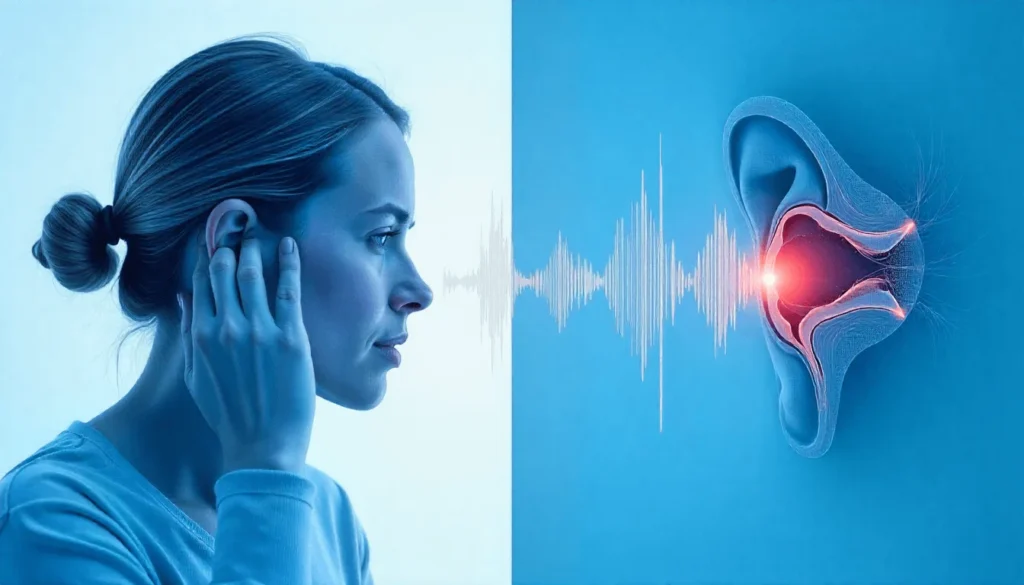
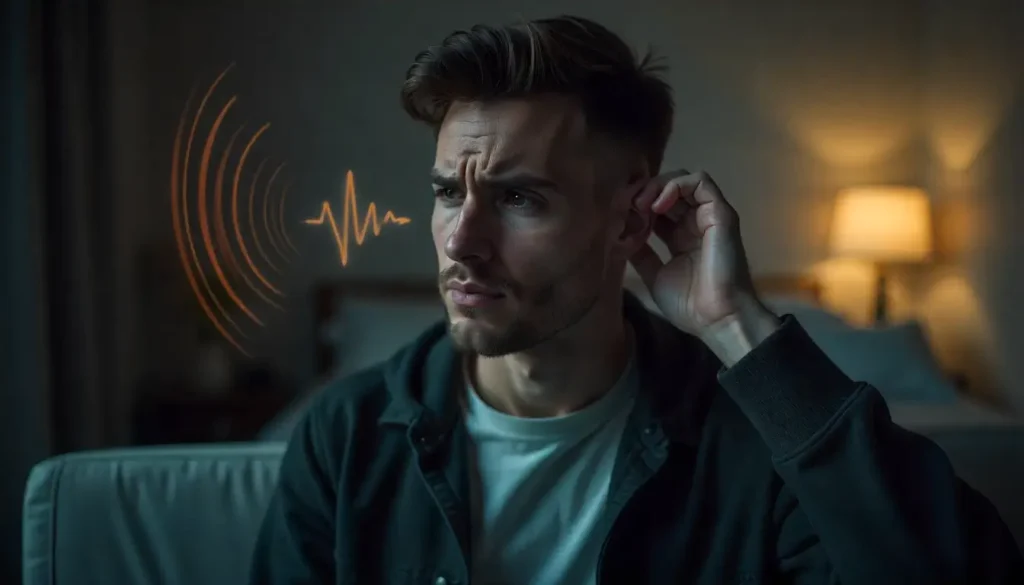
Tinnitus is the perception of sound when no external noise is present. People describe it differently; some hear ringing, others experience buzzing, humming, hissing, or even a roaring sensation. The phantom noise can be constant or intermittent, loud or subtle, affecting one or both ears.
Types of Tinnitus
| Type | Characteristics | Duration |
|---|---|---|
| Temporary Tinnitus | Occurs after noise exposure; fades with rest | Hours to several days |
| Chronic Tinnitus | Persistent condition lasting months or years | Ongoing |
| Pulsatile Tinnitus | Rhythmic sound matching heartbeat | Varies |
| Objective Tinnitus | Rare; can be heard by a doctor during examination | Varies |
Noise-induced tinnitus represents one of the most frequent causes globally. According to hearing health experts, exposure to sounds above 85 decibels (dB) can trigger temporary or permanent auditory damage, and concerts frequently exceed 100-120 dB, equivalent to standing near a chainsaw or thunderclap.
It’s worth noting that tinnitus can also result from other causes, such as ear infections, which require different treatment approaches.
Why Loud Concerts Can Trigger Tinnitus
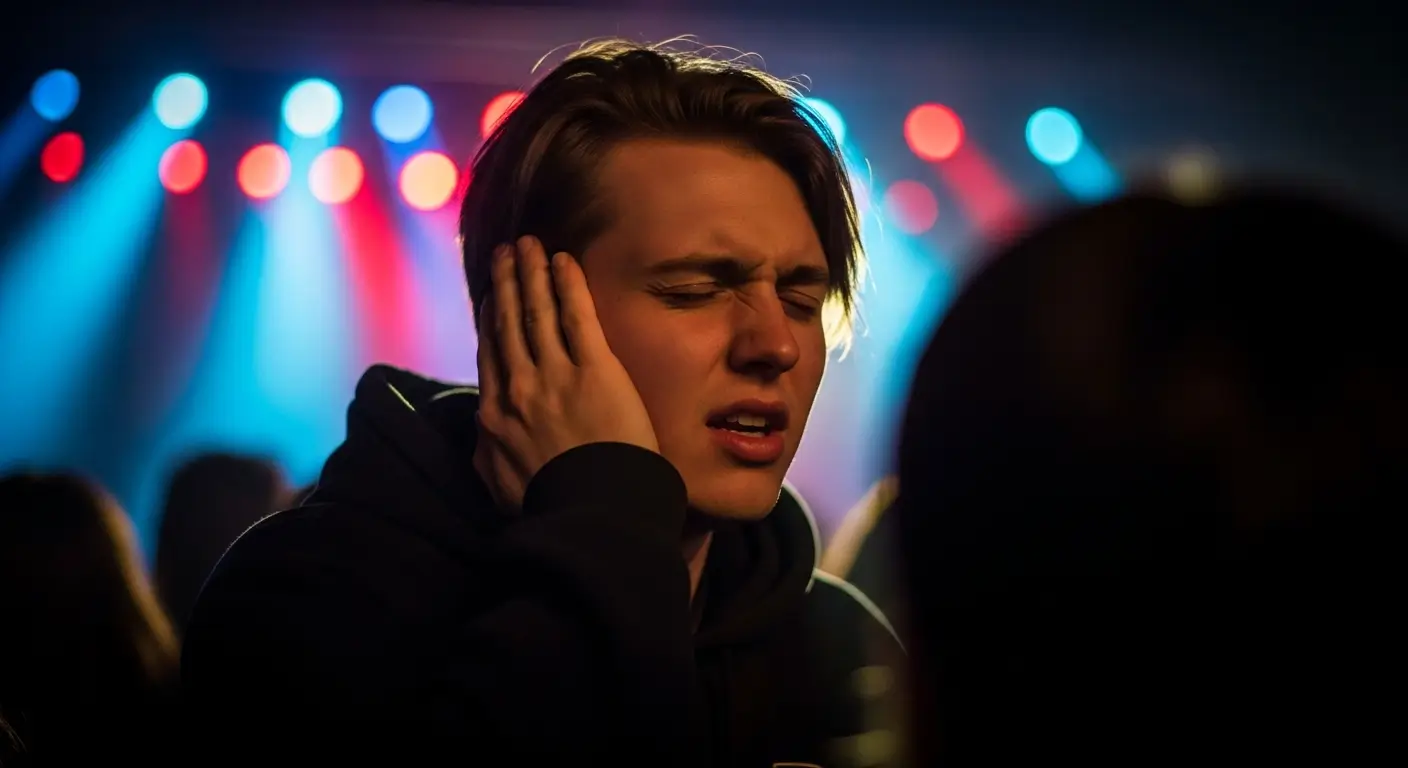
Live concerts create an incredible sensory experience, but they expose your ears to dangerously high sound levels. Tinnitus after a loud concert happens when your ears are subjected to extreme noise. Most venues pump out volumes ranging from 100 to 120 decibels, far exceeding the 85 dB threshold considered safe for prolonged exposure.
The Biological Mechanism
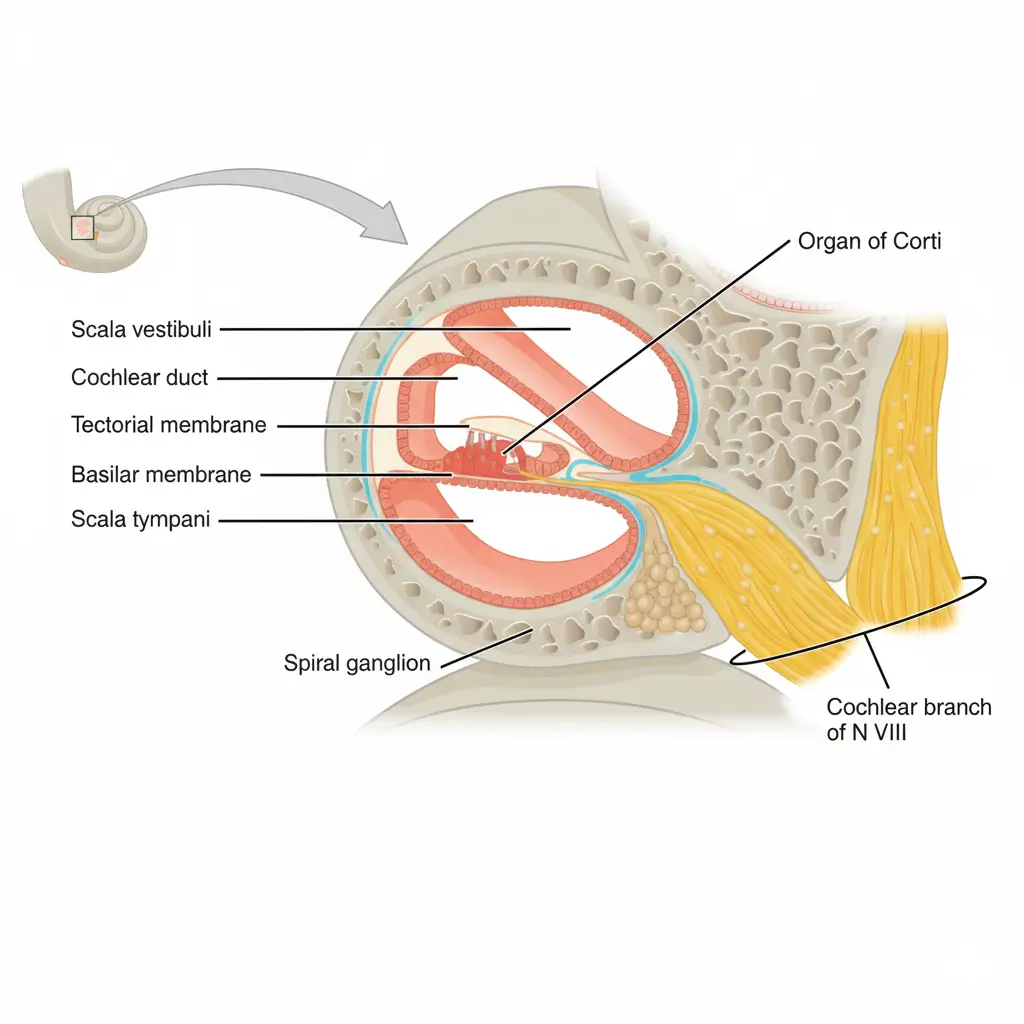
Here’s what happens inside your ears during that loud show:
- Sound Wave Impact: Intense sound waves travel through your ear canal and strike your eardrum
- Hair Cell Overstimulation: Tiny hair cells (stereocilia) in your inner ear’s cochlea vibrate excessively when bombarded with loud noise
- Cellular Fatigue and Damage: These delicate cells become “fatigued” or damaged from overstimulation
- Signal Confusion: When hair cells malfunction, your brain misinterprets the disrupted or missing auditory signals as phantom sound
“Think of it like muscle soreness after an intense workout. Your ear’s sensory cells are exhausted and temporarily not functioning properly, causing your brain to ‘hear’ sounds that aren’t there.”
The louder and longer the exposure, the more severe the damage. Standing near speakers or attending multiple shows without protection compounds the risk exponentially. According to WebMD, up to 90% of people with tinnitus have some level of noise-induced hearing loss.
Is Tinnitus After a Concert Permanent?
The million-dollar question: will the ringing stop? Understanding whether tinnitus after a loud concert is temporary or permanent depends on several factors.
Temporary vs. Permanent Tinnitus
Good news: Most people experience temporary tinnitus following loud noise exposure, which typically resolves within 16-48 hours as the hair cells recover.
The concern: Repeated exposure or extremely intense sound can cause permanent damage. Once hair cells die, they don’t regenerate, leading to chronic tinnitus and potential hearing loss. The American Tinnitus Association notes that when tinnitus persists beyond 48 hours following noise exposure, it’s crucial to seek professional evaluation.
Factors Affecting Recovery
- Exposure intensity: Higher decibel levels cause more damage
- Duration: Longer concerts increase risk
- Frequency: Regular concert-goers without protection face cumulative damage
- Individual sensitivity: Some people have naturally more vulnerable ears
- Ear protection use: Earplugs dramatically reduce risk
According to the National Institute on Deafness and Other Communication Disorders (NIDCD), even a single exposure to extremely loud sound can cause permanent changes to your auditory system. Research shows that approximately 15% of Americans aged 20-69 experience hearing damage from noise exposure.
What to Do Immediately After a Loud Concert
Experiencing ear ringing after a show? If you’re dealing with tinnitus after a loud concert, take these immediate actions to support recovery and minimize potential damage:
Your 48-Hour Recovery Protocol
1. Give Your Ears Complete Rest
- Avoid loud environments for at least 48 hours
- Skip headphones, earbuds, and loud television
- Create a quiet, peaceful environment
- Consider using soft background noise if silence feels uncomfortable
2. Support Your Body’s Healing Process
- Stay hydrated: Proper hydration helps maintain healthy inner ear fluid
- Get quality sleep: Your body repairs cellular damage during rest
- Eat nutrient-rich foods: Focus on anti-inflammatory options
3. Avoid Substances That Worsen Symptoms
- Limit caffeine: Can constrict blood vessels and worsen ringing
- Reduce alcohol: Causes dehydration and increases blood flow to the ears
- Avoid ototoxic medications: Check with your doctor about any medications that may affect hearing
4. Practice Safe Ear Hygiene
- Never insert cotton swabs into ear canals
- Avoid using any objects to “clean” your ears
- Let ears recover naturally without interference
5. Monitor Your Symptoms
Track the following:
- Intensity level (scale of 1-10)
- Duration and frequency
- Associated symptoms (pain, dizziness, hearing loss)
- Improvement or worsening patterns
If ringing persists beyond 48-72 hours, schedule an appointment with an audiologist or ENT specialist. Many people also find relief with natural remedies for tinnitus that can complement medical treatment.
When to See a Doctor or Audiologist
While temporary tinnitus often resolves independently, certain warning signs require professional evaluation:
Seek Medical Attention If:
- Ringing continues longer than 3 days
- You experience sudden hearing loss
- Tinnitus is accompanied by pain or drainage
- You feel dizzy or experience balance problems
- The sound becomes increasingly intense
- Ringing affects only one ear (could indicate other issues)
If you’re wondering is tinnitus a sign of hearing loss, it’s important to understand that while they often occur together, tinnitus can also appear independently.
Professional Treatment Options
An audiologist or ENT doctor may recommend:
Diagnostic Testing
- Comprehensive hearing evaluation
- Audiogram to measure hearing thresholds
- Tympanometry to assess middle ear function
Management Strategies
- Sound therapy: White noise machines or specialized apps
- Tinnitus masking devices: Wearable devices that provide relief
- Hearing aids: Amplify external sounds, making tinnitus less noticeable
- Cognitive behavioral therapy (CBT): Helps manage emotional response to tinnitus
- Tinnitus retraining therapy (TRT): Combines sound therapy with counseling
The Mayo Clinic emphasizes that while there’s no cure for most cases of tinnitus, many people can successfully manage their symptoms through these therapeutic approaches.
If ear ringing keeps you awake, learn effective techniques to stop ringing in ears at night for better sleep quality. Additionally, simple tinnitus relief exercises can provide immediate comfort.
Early intervention provides the best outcomes. Don’t wait weeks or months to address persistent symptoms.
How to Prevent Tinnitus at Future Concerts
Love live music? You don’t have to choose between concerts and hearing health. Preventing tinnitus after a loud concerts is possible when you implement these smart protection strategies:
Essential Concert Protection Tips
1. Invest in Quality Ear Protection
- Musician-grade earplugs: Reduce volume 15-25 dB while preserving sound quality
- Custom-molded earplugs: Provide optimal fit and protection
- High-fidelity filters: Maintain music clarity while protecting ears
- Cost: $15-$300 depending on quality
According to the American Tinnitus Association’s prevention guidelines, using proper hearing protection in loud environments is one of the most effective ways to prevent noise-induced tinnitus.
2. Strategic Positioning
- Stand at least 10-15 feet from speakers
- Avoid standing directly in front of amplifiers
- Position yourself toward the middle or back of the venue
- Use venue architecture (walls, pillars) as sound barriers
3. Take Listening Breaks
- Step outside for 10-15 minutes every hour
- Give your ears periodic rest during multi-hour events
- Use intermissions to move away from loud areas
4. Manage Pre-Show Habits
- Stay well-hydrated before and during events
- Limit alcohol consumption (dehydration worsens ear strain)
- Eat a balanced meal beforehand
5. Post-Concert Care
- Avoid blasting music on the drive home
- Skip after-show headphone use
- Continue protecting ears for 24 hours following exposure
Pro Tip: Keep a spare pair of earplugs in your wallet, car, or keychain. You’ll never be caught unprepared.
Long-Term Ear Care and Recovery Tips
Beyond immediate recovery from tinnitus after a loud concert, supporting your auditory health extends to daily lifestyle habits. Adopt these practices for optimal hearing wellness and faster recovery:
Nutritional Support

Certain nutrients may protect and support ear health:
| Nutrient | Benefits | Food Sources |
|---|---|---|
| Magnesium | Protects hair cells from noise damage | Spinach, almonds, dark chocolate, avocados |
| Zinc | Supports immune function and healing | Oysters, beef, pumpkin seeds, chickpeas |
| Antioxidants (Vitamins A, C, E) | Combat oxidative stress in ear tissue | Berries, citrus fruits, leafy greens, nuts |
| Omega-3 fatty acids | Reduce inflammation | Salmon, walnuts, flaxseeds |
| Folic acid | Improves blood flow to ears | Lentils, asparagus, broccoli |
Research shows that magnesium plays a crucial role in hearing health and tinnitus relief, while vitamin B12 deficiency has been linked to tinnitus in some cases. Discover more about foods that help tinnitus naturally to support your recovery.
Stress Management
Anxiety and stress amplify tinnitus perception. Try:
- Meditation: 10-15 minutes daily
- Breathing exercises: Deep belly breathing reduces tension
- Yoga or tai chi: Promotes relaxation and body awareness
- Progressive muscle relaxation: Systematically releases physical tension
Since stress can actually cause or worsen tinnitus, managing your stress levels is essential for recovery. You might also explore acupressure points for tinnitus relief as a complementary approach.
Sound Therapy Options
- White noise machines: Mask tinnitus during sleep
- Nature sounds: Ocean waves, rainfall, forest ambiance
- Mobile apps: ReSound Relief, Tinnitus Therapy, myNoise
- Notched music therapy: Removes tinnitus frequency from music
Natural Supplement Considerations
Some individuals explore supplements specifically formulated for hearing support, such as:
- Quietum Plus
- Audifort
- Sonus Complete
For an in-depth analysis, read our comprehensive Quietum Plus tinnitus supplement review to determine if it’s right for you.
Summary: Don’t Ignore the Ringing
If you’re experiencing tinnitus after a loud concert, remember that temporary ear ringing often improves with proper rest and care. Most people find their symptoms resolve within 24-72 hours when they follow recovery protocols and avoid additional noise exposure.
However, ignoring persistent symptoms or continuing to expose unprotected ears to loud environments significantly increases your risk of permanent hearing damage. Chronic tinnitus and hearing loss are irreversible conditions that profoundly impact quality of life.
Key Takeaways:
- Tinnitus after a loud concert results from overstimulated or damaged inner ear hair cells
- Most concert-related ringing is temporary but requires rest to heal
- Seek medical attention if symptoms persist beyond 3 days
- Prevention through ear protection is far easier than treatment
- Your hearing health directly impacts your ability to enjoy music long-term
Your ears are your lifelong concert ticket; protect them so the music never truly ends. Make hearing protection as essential as your concert ticket. Your future self will thank you when you’re still enjoying crystal clear sound at shows decades from now.
FAQ
Is tinnitus after a concert permanent?
Most tinnitus after a loud concert is temporary and fades within 16-48 hours. However, repeated exposure or extremely intense sound can cause permanent damage. If ringing persists for more than 48-72 hours, seek medical attention.
What should I do immediately after a loud concert if my ears are ringing?
Give your ears complete rest for 48 hours, avoid loud sounds, stay hydrated, get quality sleep, limit caffeine and alcohol intake, and monitor your symptoms. If ringing persists for more than 48-72 hours, see an audiologist.
How can I prevent tinnitus at concerts?
Wear musician-grade earplugs that reduce volume 15-25 dB, stand at least 10-15 feet from speakers, take listening breaks every hour, stay hydrated, and limit alcohol consumption.