Table of Contents
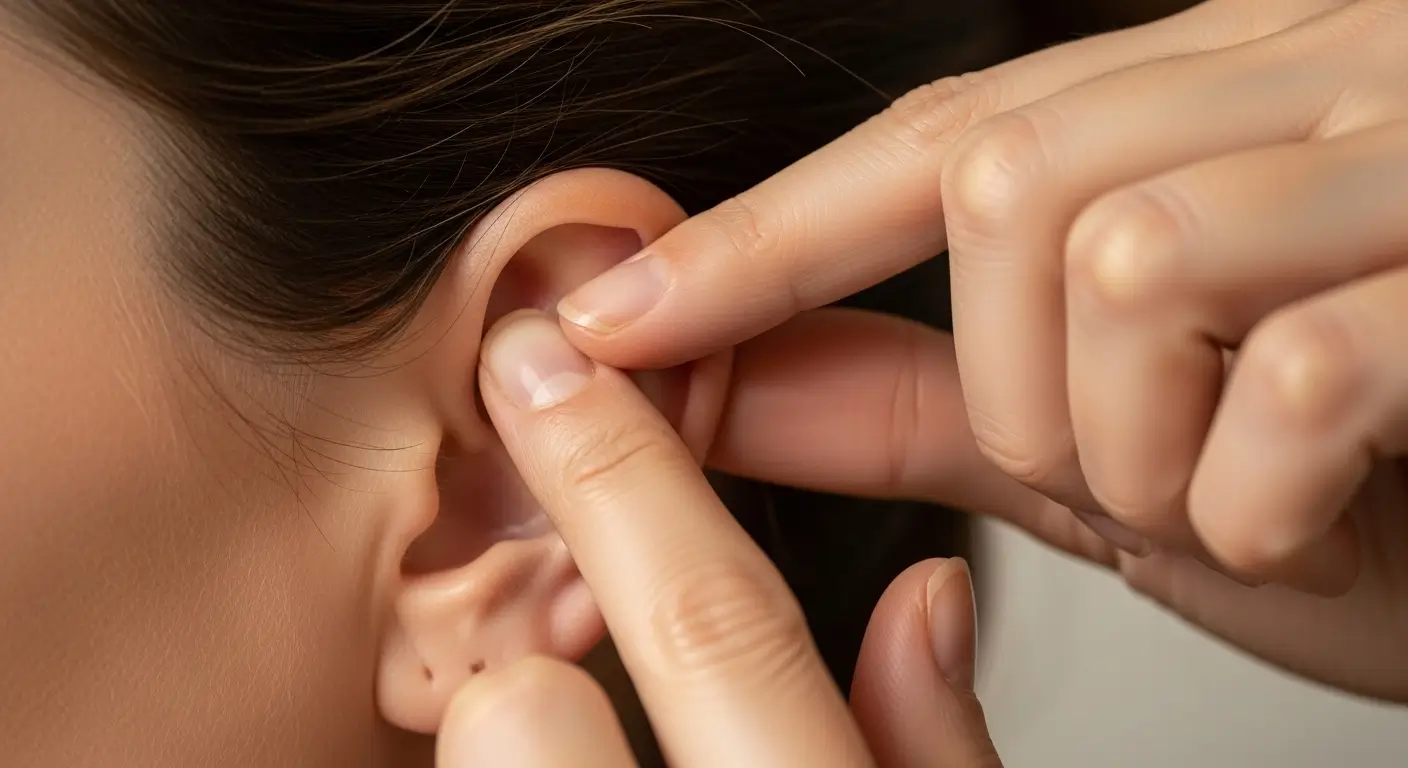
If you’re among the millions of people experiencing the persistent ringing, buzzing, or hissing sounds of tinnitus, you understand how challenging it can be to find lasting relief. While conventional treatments offer various options, many individuals are turning to natural, holistic approaches like acupressure points for tinnitus management. This ancient healing technique offers a drug-free, accessible way to potentially ease symptoms and improve your quality of life.
Tinnitus affects approximately 15-20% of the global population, with symptoms ranging from mild occasional ringing to severe, constant noise that disrupts daily activities. According to the Mayo Clinic, tinnitus can be caused by many health conditions, and treatment options vary by person. Understanding whether tinnitus indicates hearing loss can help you better address your symptoms. The growing interest in complementary therapies has led many to explore acupressure as a safe, non-invasive method that can be practiced at home. Unlike medications that may carry side effects, acupressure techniques focus on stimulating specific pressure points to promote natural healing and symptom relief.
What Is Acupressure and How Does It Work?
Acupressure is a therapeutic technique rooted in Traditional Chinese Medicine (TCM) that involves applying gentle pressure to specific points on the body, known as acupoints. Similar to acupuncture but without needles, this practice aims to stimulate the body’s natural healing mechanisms and restore balance to energy pathways called meridians.
The fundamental principle behind acupressure lies in the belief that blocked or imbalanced energy flow can contribute to various health issues, including tinnitus. By applying targeted pressure to specific points, practitioners aim to:
- Improve blood circulation to the ears and surrounding areas
- Reduce stress and tension that may exacerbate tinnitus symptoms
- Balance the body’s energy flow to promote overall wellness
- Stimulate the nervous system to modulate tinnitus perception potentially
Research suggests that acupressure may influence the autonomic nervous system, helping to regulate stress responses and promote relaxation. For tinnitus sufferers, this stress reduction component is particularly valuable, as anxiety and tension often worsen ear ringing symptoms. The American Tinnitus Association recognizes stress management as a crucial component in comprehensive tinnitus care.
Benefits of Acupressure for Tinnitus Management
Incorporating acupressure points for tinnitus into your wellness routine offers several potential advantages:
| Benefit | Description | Impact on Tinnitus |
|---|---|---|
| Stress Reduction | Activates the relaxation response | Reduces stress-induced tinnitus flares |
| Improved Circulation | Enhances blood flow to ears | May support ear health and function |
| Non-Invasive | No needles or medications required | Safe for daily use |
| Cost-Effective | Can be self-administered | Reduces dependency on expensive treatments |
| Complementary | Works alongside medical treatments | Enhances overall treatment outcomes |
The beauty of acupressure lies in its accessibility and safety profile. Unlike pharmaceutical interventions, acupressure techniques can be practiced daily without concerns about drug interactions or side effects. This makes it an excellent complementary therapy for individuals already receiving medical treatment for their tinnitus.
7 Essential Acupressure Points for Tinnitus Relief
1. Ting Gong (SI-19) – The Auditory Palace
Location: Positioned directly in front of the ear canal, in the small depression that forms when you open your mouth.
Technique: Place your index finger on this point and apply gentle, circular pressure for 1-2 minutes. You should feel a slight indentation where the point is located.
Benefits: This point is specifically associated with ear health in TCM and is believed to help alleviate ear ringing, improve hearing clarity, and reduce ear congestion. Many practitioners consider Ting Gong one of the most important acupressure points for tinnitus relief.
2. Ermen (TE-21) – The Ear Gate
Location: Found near the top of the ear canal, just above the Ting Gong point, in the small notch in front of the ear.
Technique: Use your middle finger to apply steady pressure for 1-3 minutes. Breathe deeply while maintaining gentle but firm contact.
Benefits: Ermen is traditionally used to address ear congestion, ringing sensations, and hearing difficulties. This point may help open blocked energy pathways related to ear function and reduce the intensity of tinnitus symptoms.
3. Feng Chi (GB-20) – Wind Pool
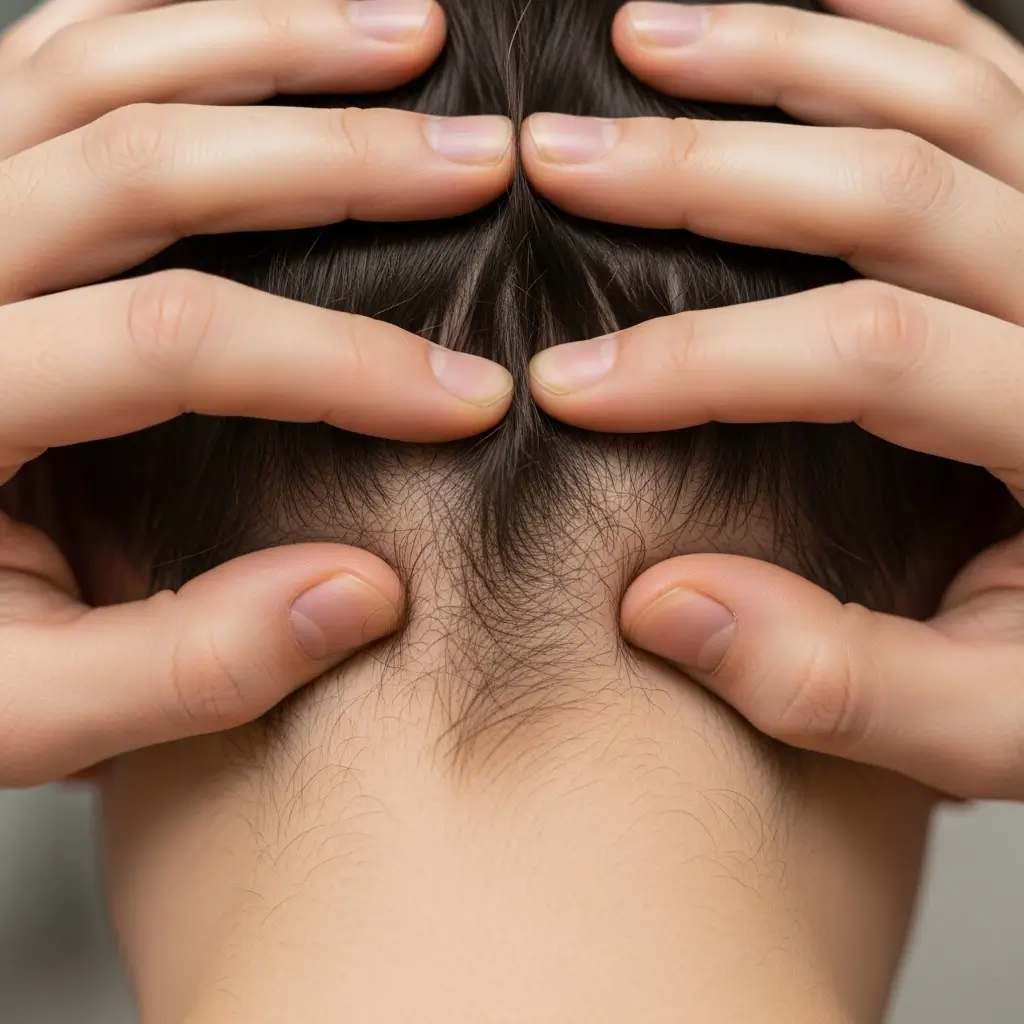
Location: At the base of the skull, in the hollows on either side of the neck muscles, approximately two finger-widths from the center of the neck.
Technique: Place both thumbs on these points simultaneously and apply upward pressure for 2-3 minutes. Tilt your head slightly back for better access.
Benefits: Feng Chi is renowned for improving circulation to the head and ears, reducing dizziness, and alleviating various ear-related symptoms. This point also helps reduce tension headaches that may accompany tinnitus.
4. Zhong Zhu (TE-3) – Central Islet
Location: On the back of the hand, between the ring finger and little finger knuckles, in the depression behind the knuckles.
Technique: Use your opposite thumb to apply firm pressure for 1-2 minutes on each hand. You can work both hands alternately or simultaneously.
Benefits: This distant point helps regulate energy flow to the ears and head region. Zhong Zhu is particularly useful for stress-related tinnitus and can promote overall relaxation.
5. Yingxiang (LI-20) – Welcome Fragrance
Location: On either side of the nostrils, in the nasal groove where the nose meets the cheek.
Technique: Use your index fingers to apply gentle pressure on both sides simultaneously for 1-2 minutes. Breathe normally and focus on relaxation.
Benefits: While primarily associated with sinus health, Yingxiang can help improve overall circulation in the head region and may reduce ear pressure that contributes to tinnitus symptoms.
6. Baihui (GV-20) – Hundred Meetings
Location: At the very top of the head, where a line from ear to ear would intersect with a line from the nose to the neck.
Technique: Place your middle finger on this point and apply gentle downward pressure for 1-3 minutes. This point is sensitive, so use light pressure initially.
Benefits: Baihui is considered a master point for calming the mind and reducing stress-related symptoms. For tinnitus sufferers, this point may help reduce anxiety and mental agitation associated with persistent ear ringing.
7. Anmian (Extra Point) – Peaceful Sleep
Location: Behind the ear, in the depression between the ear and the neck, slightly below the earlobe.
Technique: Use your index finger to locate the soft depression and apply gentle circular pressure for 2-3 minutes on each side.
Benefits: Anmian is particularly valuable for tinnitus sufferers who experience sleep difficulties. This point promotes relaxation and may help reduce nighttime tinnitus intensity, leading to better sleep quality. For additional nighttime relief strategies, consider exploring specific techniques to stop ear ringing at night.
How to Apply Acupressure Safely and Effectively
To maximize the benefits of these acupressure points for tinnitus, follow these essential guidelines:
Preparation and Technique
- Clean hands: Always wash your hands before beginning
- Comfortable position: Sit or lie down in a relaxed position
- Gentle pressure: Apply firm but comfortable pressure never force it
- Consistent timing: Hold each point for 1-3 minutes as recommended
- Deep breathing: Maintain slow, deep breathing throughout the session
Daily Practice Schedule
- Morning routine: Apply acupressure for 10-15 minutes after waking
- Midday break: Use 5-minute sessions during stressful periods
- Evening wind-down: Include acupressure in your bedtime routine
- Symptom flares: Apply techniques whenever tinnitus symptoms intensify
Safety Considerations
- Stop if pain occurs: Acupressure should never cause significant discomfort
- Pregnancy caution: Consult healthcare providers before use during pregnancy
- Open wounds: Avoid applying pressure to areas with cuts or infections
- Medical conditions: Discuss with your doctor if you have circulatory issues
Complementary Natural Remedies

While acupressure points for tinnitus offer valuable benefits, combining them with other natural approaches can enhance overall results. You can also incorporate simple tinnitus relief exercises into your daily routine for comprehensive symptom management:
Stress Management Techniques
- Meditation: Daily 10-20 minute sessions can significantly reduce tinnitus-related stress
- Yoga: Gentle yoga poses improve circulation and promote relaxation
- Progressive muscle relaxation: Systematic tension release throughout the body
- Mindfulness practices: Present-moment awareness reduces tinnitus anxiety
Nutritional Support
| Nutrient | Food Sources | Tinnitus Benefits |
|---|---|---|
| Magnesium | Leafy greens, nuts, seeds | May protect against noise-induced hearing damage |
| Vitamin B12 | Fish, meat, fortified cereals | Supports nerve health and hearing function |
| Zinc | Oysters, beef, pumpkin seeds | Essential for inner ear health |
| Omega-3 fatty acids | Fatty fish, walnuts, flaxseeds | Reduces inflammation |
For a comprehensive guide on dietary approaches, explore these foods that help with tinnitus naturally.
Sound Therapy Integration
- White noise machines: Mask tinnitus sounds during sleep
- Nature sounds: Ocean waves, rainfall, or forest sounds for relaxation
- Soft background music: Classical or ambient music at low volumes
- Hearing aids with masking features: For those with hearing loss
When to Seek Professional Medical Care
While acupressure represents a safe, natural approach to tinnitus management, certain symptoms require immediate professional attention:
Red Flag Symptoms
- Sudden onset of tinnitus: Especially if it occurs in one ear only
- Progressive hearing loss: Gradual or sudden reduction in hearing ability
- Severe dizziness: Persistent vertigo or balance problems
- Ear pain: Sharp, persistent, or throbbing ear pain
- Discharge from ears: Any fluid, blood, or pus from the ear canal
The National Institute on Deafness and Other Communication Disorders (NIDCD) emphasizes the importance of professional evaluation for persistent or severe tinnitus symptoms.
Professional Treatment Integration
Remember that acupressure serves as a complementary therapy rather than a primary treatment. The most effective approach often combines:
- Medical evaluation: Proper diagnosis and treatment of underlying conditions
- Audiological assessment: Professional hearing testing and counseling
- Tinnitus retraining therapy: Specialized sound therapy programs
- Cognitive behavioral therapy: Psychological support for tinnitus management
- Natural approaches: Including acupressure, dietary changes, and stress reduction
- Supplement support: Some individuals find relief with targeted tinnitus supplements
Research and Evidence
While anecdotal evidence for acupressure’s effectiveness in tinnitus management is substantial, scientific research continues to explore its mechanisms and benefits. Several studies have shown promising results, including research published in peer-reviewed journals demonstrating that acupressure and acupuncture techniques can reduce tinnitus loudness and severity:
- Stress reduction: Multiple studies confirm acupressure’s ability to reduce stress hormones
- Pain management: Research demonstrates acupressure’s analgesic effects
- Sleep improvement: Studies show enhanced sleep quality with regular acupressure practice
- Circulation enhancement: Evidence suggests improved blood flow with pressure point stimulation
The growing body of research supports acupressure as a valuable tool in comprehensive tinnitus management, particularly when combined with conventional treatments.
Creating Your Personal Acupressure Routine
Developing a consistent practice with acupressure points for tinnitus requires patience and dedication. Consider these steps to establish an effective routine:
Week 1-2: Foundation Building
- Focus on learning the correct point locations
- Practice 5-10 minutes daily
- Keep a symptom diary to track changes
- Concentrate on 2-3 main points initially
Week 3-4: Routine Expansion
- Increase session duration to 15-20 minutes
- Add remaining acupressure points
- Combine with breathing exercises
- Notice patterns in symptom relief
Ongoing Practice: Optimization
- Customize your routine based on results
- Adjust timing and pressure based on response
- Integrate with other wellness practices
- Maintain consistent daily practice
Conclusion: Embracing Natural Tinnitus Relief
The journey to tinnitus relief often requires a multifaceted approach, and acupressure points for tinnitus offer a valuable, accessible tool in this process. By incorporating these seven essential pressure points into your daily routine, you’re taking an active role in managing your symptoms while supporting your overall well-being.
Remember that consistency is crucial for experiencing the full benefits of acupressure therapy. While some individuals notice improvements within days, others may require several weeks of regular practice to see significant changes. The key is to remain patient and committed to your practice while maintaining realistic expectations.
As you explore these natural healing techniques, consider keeping a journal to track your progress, noting which points seem most effective for your specific symptoms. This personal data will help you customize your approach and communicate more effectively with healthcare providers about your complementary therapy use.
Most importantly, view acupressure as part of a comprehensive wellness strategy that includes professional medical care, healthy lifestyle choices, and stress management techniques. By combining ancient wisdom with modern medical knowledge, you’re giving yourself the best possible chance for meaningful tinnitus relief and improved quality of life.
Take the first step today by trying one or two of these acupressure points. Your ears and your overall well-being will thank you for this gentle, natural approach to healing.