Table of Contents
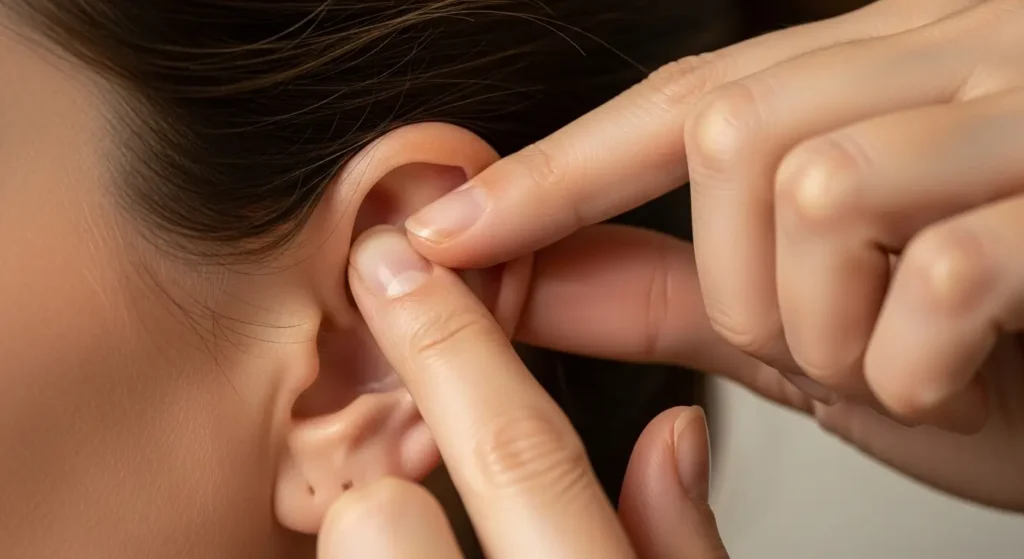
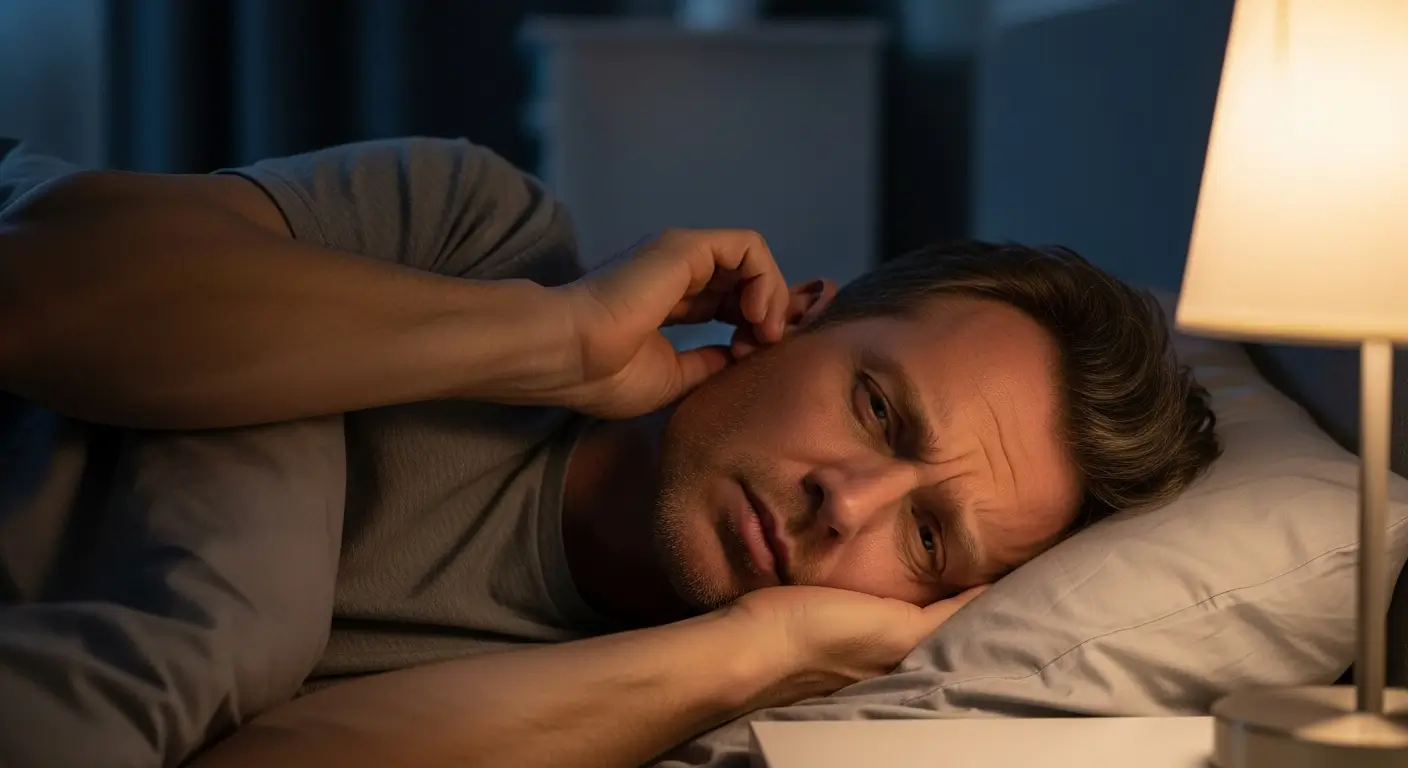
If you’re struggling with persistent ear ringing that disrupts your peaceful sleep, you’re not alone. Learning how to stop ringing in ears at night is crucial for millions of people worldwide who experience tinnitus, the perception of sound when no external noise is present. According to the American Tinnitus Association, over 50 million Americans experience some form of tinnitus. This phantom ringing, buzzing, or humming can transform bedtime into a frustrating battle against unwanted noise, significantly impacting your sleep quality and overall well-being.
Nighttime tinnitus doesn’t just affect your rest; it creates a cascade of problems, including daytime fatigue, reduced concentration, and heightened stress levels. Tinnitus sleep problems are among the most commonly reported complaints by sufferers. The good news? You don’t have to surrender to sleepless nights. This comprehensive guide presents five practical, science-backed strategies to help you reclaim quiet evenings and restorative sleep.
Why Does Tinnitus Feel Worse at Night? Understanding How to Stop Ringing in Ears at Night
Understanding why ear ringing intensifies after dark is the first step toward effective management. During daytime hours, environmental sounds naturally mask tinnitus symptoms; traffic, conversations, air conditioning, and general ambient noise all work together to distract your brain from internal ear sounds.
The Silence Amplification Effect
When you settle into your quiet bedroom, this natural sound masking disappears. Your auditory system, designed to detect even subtle sounds for survival purposes, becomes hypervigilant in the absence of external stimuli. This heightened sensitivity makes tinnitus perception significantly more pronounced, which is exactly why learning how to stop ringing in ears at night becomes so crucial for quality sleep.
| Daytime Factors | Nighttime Changes | Impact on Tinnitus |
|---|---|---|
| Busy environment | Quiet surroundings | Increased perception |
| Active distractions | Mental stillness | Greater focus on symptoms |
| Lower stress hormones | Elevated cortisol | Enhanced sensitivity |
Contributing Factors to Nighttime Tinnitus:
- Daily noise exposure that temporarily masks symptoms during active hours
- Accumulated stress and fatigue from the day’s activities
- Circadian rhythm changes affecting neurotransmitter levels
- Horizontal positioning potentially alters blood flow to the ears
- Underlying conditions such as hearing loss, earwax buildup, or medication side effects
Research from the Mayo Clinic indicates that tinnitus can be caused by various factors, from simple earwax blockages to more complex neurological conditions. Understanding tinnitus at night patterns helps identify the most effective management strategies.
Tip 1 – Use Background Sound to Mask the Ringing: Essential Step to Stop Ringing in Ears at Night

Sound masking represents one of the most immediate and effective approaches to managing nighttime tinnitus. By introducing carefully selected background noise, you can redirect your brain’s attention away from internal ear sounds while promoting relaxation. This technique is fundamental when learning how to stop ringing in ears at night effectively.
Effective Sound Masking Options:
• White noise machines: Generate consistent, broad-spectrum sound that effectively covers tinnitus frequencies
• Nature sounds: Ocean waves, rainfall, or forest ambiance create soothing environments
• Soft instrumental music: Classical pieces or ambient compositions without sudden volume changes
• Ceiling fans: Provide gentle, consistent airflow sounds while improving bedroom comfort
“Sound therapy works by giving the brain something more pleasant to focus on than tinnitus. It’s not about volume, it’s about providing auditory enrichment that promotes relaxation.” – American Tinnitus Association
Recommended Apps and Tools:
- Noisli: Customizable background noise combinations
- Rain Rain: Extensive library of nature and ambient sounds
- Under-pillow speakers: Deliver sound directly without disturbing partners
- Smart speaker playlists: “Sleep sounds” or “tinnitus relief” collections
Pro Tip: Set your masking sound at a volume slightly below your tinnitus level; complete masking isn’t necessary, and softer sounds promote better sleep quality.
Tip 2 – Practice Relaxation Before Bed
The stress-tinnitus connection creates a challenging cycle: tinnitus increases stress levels, which in turn amplifies tinnitus perception. Breaking this cycle through intentional relaxation practices can significantly reduce nighttime symptoms while improving overall sleep quality. Understanding how to stop ringing in ears at night requires addressing both the physical and psychological aspects of tinnitus management.
Evidence-Based Relaxation Techniques:
Deep Breathing Exercises:
- Inhale slowly for 4 counts through your nose
- Hold your breath for 4 counts
- Exhale through your mouth for 6 counts
- Repeat 10-15 times before bed
Progressive Muscle Relaxation:
- Start with your toes, consciously tensing for 5 seconds, then releasing
- Work systematically up through your body
- Focus on the contrast between tension and relaxation
- This technique reduces physical stress that can worsen tinnitus
Mindfulness Meditation: Rather than fighting tinnitus sounds, mindfulness teaches acceptance and reduces the emotional distress associated with symptoms. The National Center for Complementary and Integrative Health reports that meditation can effectively reduce stress and improve sleep quality. Even 10 minutes of guided meditation can lower cortisol levels and promote better sleep.
Creating Effective Bedtime Rituals:
| Time Before Bed | Activity | Benefit |
|---|---|---|
| 1 hour | Dim lights, avoid screens | Promotes melatonin production |
| 30 minutes | Gentle stretching or yoga | Releases physical tension |
| 15 minutes | Deep breathing or meditation | Activates the parasympathetic nervous system |
| 5 minutes | Gratitude journaling | Shifts focus to positive thoughts |
Tip 3 – Limit Stimulants and Alcohol in the Evening
What you consume in the hours leading up to bedtime can significantly impact your perception of tinnitus and sleep quality. Understanding how different substances affect your auditory system empowers you to make choices that support peaceful nights. This dietary awareness is a crucial component of knowing how to stop ringing in ears at night naturally.
Substances That Worsen Tinnitus:
Caffeine: Can increase anxiety, elevate blood pressure, and heighten nervous system sensitivity, all factors that intensify tinnitus perception. Avoid coffee, tea, chocolate, and energy drinks after 2 PM.
Nicotine: Acts as a stimulant while also constricting blood vessels, potentially reducing blood flow to the inner ear and worsening tinnitus symptoms.
Alcohol: While initially sedating, alcohol disrupts REM sleep patterns and can cause rebound anxiety as it metabolizes, often leading to middle of the night tinnitus spikes.
Sleep-Promoting Alternatives:
• Chamomile tea: Contains apigenin, which promotes relaxation and sleepiness
• Warm milk with honey: Provides tryptophan and natural sugars that support serotonin production
• Magnesium supplements: Can help relax muscles and calm the nervous system.
• Herbal teas: Valerian root, passionflower, or lemon balm offer natural calming properties
• Natural tinnitus supplements: Some people find relief with supplements, which contains a blend of herbs and nutrients specifically formulated to support ear health and reduce tinnitus symptoms
Timing Recommendations:
- Stop caffeine consumption at least 6-8 hours before bedtime
- Avoid large meals within 3 hours of sleep
- If you choose to drink alcohol, limit consumption and finish at least 3 hours before bed
Tip 4 – Check Ear Health and Address Possible Causes
Addressing underlying ear health issues often provides the most significant and lasting relief from nighttime tinnitus. Many cases stem from treatable conditions that, once resolved, dramatically reduce or eliminate symptoms. Professional evaluation is essential for anyone seeking comprehensive answers on how to stop ringing in ears at night permanently.
Common Treatable Causes:
Earwax Buildup (Cerumen Impaction):
- Affects up to 10% of children and 5% of adults
- Can cause hearing loss, fullness sensation, and tinnitus
- Safe removal methods: Consult healthcare providers rather than using cotton swabs, which can push wax deeper
Nutritional Deficiencies: Research indicates that specific vitamin deficiencies may contribute to tinnitus symptoms. Vitamin B12 deficiency has been linked to tinnitus in several studies, highlighting the importance of addressing nutritional factors as part of comprehensive tinnitus management.
Medication Side Effects: Over 200 medications are considered “ototoxic” (potentially harmful to hearing), according to the American Speech Language Hearing Association. Common culprits include:
- High-dose aspirin
- Certain antibiotics (gentamicin, tobramycin)
- Loop diuretics
- Some antidepressants
“Nearly 90% of tinnitus cases are associated with some degree of hearing loss. Addressing the underlying hearing issue often significantly improves tinnitus symptoms.” – Hearing Loss Association of America
When to Schedule a Professional Evaluation:
| Symptom | Urgency Level | Recommended Action |
|---|---|---|
| Sudden hearing loss with tinnitus | Immediate | Emergency ENT consultation |
| Unilateral (one-sided) tinnitus | Within 1-2 weeks | Audiological evaluation |
| Tinnitus with dizziness | Within 1 week | Medical examination |
| Gradual hearing changes | Within 1 month | Hearing test |
Professional Treatment Options:
- Audiological evaluation: Comprehensive hearing assessment
- Tinnitus retraining therapy (TRT): Combines sound therapy with counseling, as endorsed by the British Tinnitus Association
- Cognitive behavioral therapy: Addresses emotional responses to tinnitus
- Hearing aids: Can reduce tinnitus by improving overall hearing
- Natural supplement support: Products like Quietum Plus offer a natural approach with ingredients such as hawthorn berry, garlic, and ginkgo biloba, which may support overall ear health when used in conjunction with professional treatment. Please read our detailed Quietum Plus review to learn more about this supplement option
Tip 5 – Optimize Your Sleep Environment: Complete Guide on How to Stop Ringing in Ears at Night
Creating an ideal sleep environment addresses multiple factors that influence tinnitus perception while promoting deeper, more restorative sleep. Small environmental changes can yield significant improvements in sleep quality and symptom management. These modifications are essential elements of mastering how to stop ringing in ears at night effectively.
Essential Environmental Factors:
Temperature Control:
- Maintain bedroom temperature between 65-68°F (18-20°C)
- Cool environments promote natural melatonin production, as supported by research from the Sleep Foundation
- Use breathable bedding materials to prevent overheating
Lighting Management:
- Install blackout curtains or eye masks to block external light
- Use dim, warm-colored lights in the evening (avoid blue light)
- Consider a sunrise alarm clock for gentler morning awakening
Sound Environment Optimization:
Strategic Sound Placement:
• Bedside sound machines: Position 3-4 feet from your head for optimal masking
• Under-pillow speakers: Provide personal sound therapy without partner disruption
• Smartphone apps: Convenient, but ensure devices are in airplane mode to avoid electromagnetic interference
Advanced Sleep Environment Tips:
- Consistent sleep schedule: Go to bed and wake up at the same time daily, even on weekends
- Bedroom air quality: Use air purifiers or plants to maintain fresh, clean air
- Comfortable bedding: Invest in quality pillows and mattresses that support restful sleep
- Technology boundaries: Keep electronic devices out of the bedroom or at least 3 feet from your bed
Weekly Sleep Environment Checklist:
- Room temperature optimized for sleep
- All light sources are eliminated or blocked
- Sound masking equipment is functioning properly
- The bedding is clean and comfortable
- Electronic devices silenced or removed
- Air quality is fresh and clean
- Sleep schedule consistent
When to Seek Medical Help
While the strategies outlined above provide effective management for many people, certain situations require professional medical evaluation. Recognizing when to seek help ensures you receive appropriate treatment and avoid potential complications. Persistent tinnitus and sleep problems that don’t improve with self-care warrant professional assessment.
Red Flag Symptoms Requiring Immediate Attention:
- Sudden onset of tinnitus accompanied by rapid hearing loss
- Pulsatile tinnitus that synchronizes with your heartbeat
- Unilateral symptoms affecting only one ear
- Severe dizziness or balance problems alongside ear ringing
- Tinnitus following head trauma or loud noise exposure
When Conservative Management Isn’t Enough:
If you’ve consistently applied these techniques for 4-6 weeks without improvement, a professional evaluation can identify underlying causes and provide advanced treatment options. The Cleveland Clinic emphasizes that modern tinnitus management includes sophisticated approaches such as:
- Tinnitus retraining therapy (TRT)
- Notched sound therapy
- Neuromodulation treatments
- Specialized hearing aids with tinnitus masking features
Questions to Ask Healthcare Providers:
- What might be causing my specific tinnitus pattern?
- Are there any underlying conditions that need treatment?
- Would hearing aids or sound therapy devices help my situation?
- Are there any medications that might be contributing to my symptoms?
- What realistic timeline should I expect for improvement?
Conclusion
Managing nighttime tinnitus doesn’t require complex medical interventions often; the most effective solutions are practical changes you can implement starting tonight. These five evidence-based strategies work synergistically to reduce tinnitus perception while promoting better sleep quality. Mastering how to stop ringing in ears at night is achievable with consistent application of these techniques:
- Use background sound masking to redirect your brain’s attention
- Practice relaxation techniques to break the stress-tinnitus cycle
- Limit evening stimulants that worsen symptoms
- Address underlying ear health issues through professional care
- Optimize your sleep environment for maximum comfort and rest
Remember, learning how to stop ringing in ears at night is often a gradual process that requires patience and consistency. The journey toward understanding how to stop ringing in ears at night effectively begins with implementing these proven strategies one step at a time. Start with one or two techniques that resonate with you, then gradually incorporate additional strategies as they become habitual.