Table of Contents
That Annoying Whooshing Sound: What’s Going On?
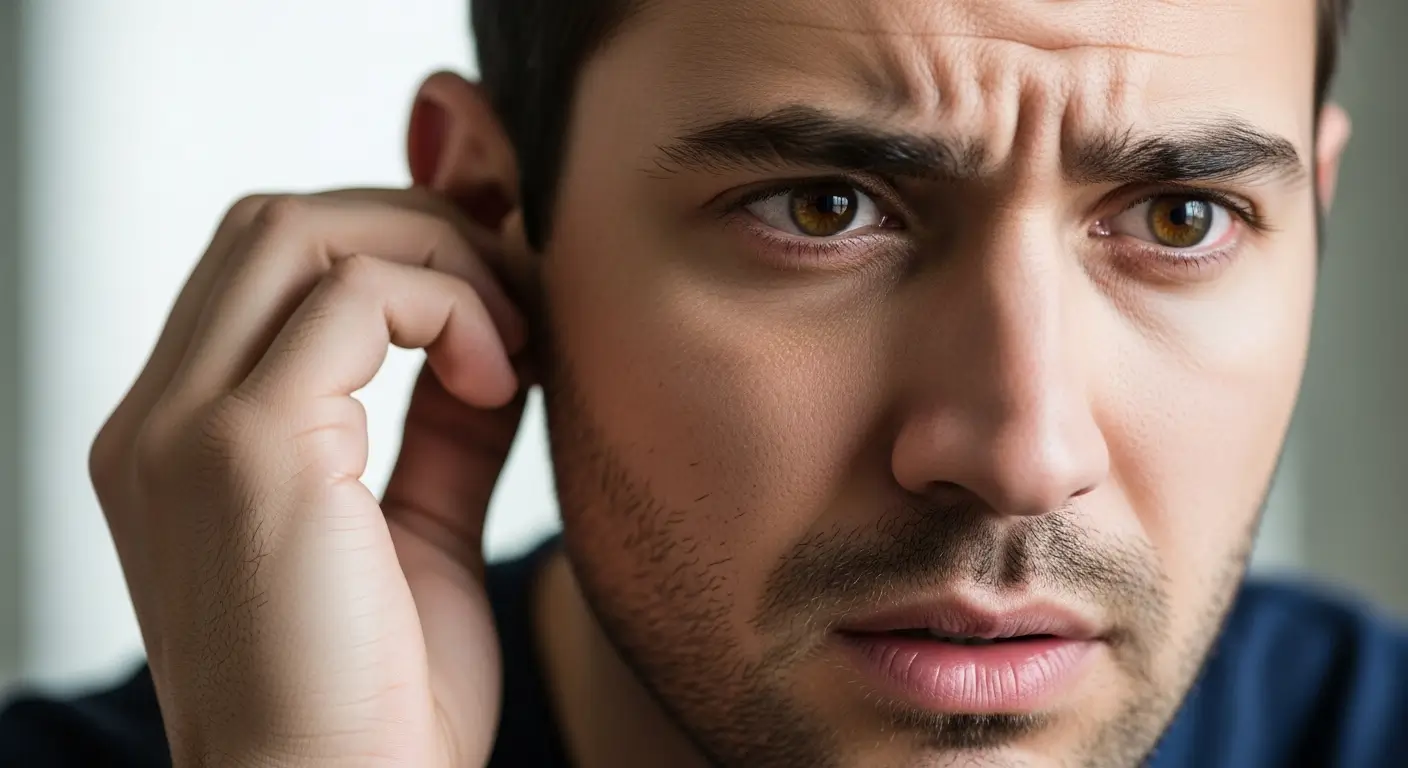
Ever heard a rhythmic whooshing in your ear, like your heartbeat decided to take up residence right next to your eardrum? You’re not alone. This unsettling sensation affects thousands of people daily, turning quiet moments into frustrating experiences filled with an internal soundtrack you never asked for.
This rhythmic pulsing is often a condition called pulsatile tinnitus, and while it can be alarming, the good news is that it’s frequently treatable. In this comprehensive guide, we’ll explore what causes the whooshing sound, how to naturally stop the whooshing sound in the ear using home remedies, when to seek medical treatment, and lifestyle changes that can help prevent it from returning.
Whether you’re experiencing this for the first time or you’ve been dealing with it for months, understanding the root cause is your first step toward lasting relief.
What Is the Whooshing Sound in the Ear?
The whooshing, pulsing, or thumping sensation you’re experiencing is medically known as pulsatile tinnitus. Unlike regular tinnitus, which typically presents as a constant ringing, buzzing, or hissing sound, pulsatile tinnitus is rhythmic and synchronized with your heartbeat or pulse. According to the National Institute on Deafness and Other Communication Disorders (NIDCD), tinnitus affects approximately 10-25% of adults, with pulsatile tinnitus representing a distinct subset of cases.
Key Characteristics:
- Rhythmic pattern: The sound beats in time with your heart
- One or both ears: Can affect either ear independently or both simultaneously
- Sound description: Often described as whooshing, thumping, pulsing, or swooshing
- Vascular connection: Usually related to blood flow near the ear structures
Quick Comparison: “While normal tinnitus sounds like a ringing phone that won’t stop, pulsatile tinnitus feels more like a steady drumbeat playing inside your ear one that follows your pulse.”
This distinction matters because pulsatile tinnitus often has a physical, identifiable cause related to blood flow, whereas standard tinnitus can stem from nerve damage or other factors. Understanding this difference helps point you toward the right treatment approach. If you’re also experiencing traditional ringing sounds, especially at night, check out our guide on how to stop ringing in ears at night for additional strategies.
Common Causes of the Whooshing Sound in Ear
Identifying the underlying cause is essential for effective treatment. Here are the most common culprits behind that persistent whooshing:
1. Blood Flow Issues
Narrowed or constricted blood vessels near your ear can create turbulent blood flow, which you perceive as sound. Conditions like atherosclerosis (plaque buildup in arteries) can restrict blood flow and create audible turbulence. The American Tinnitus Association notes that vascular abnormalities are among the most common causes of pulsatile tinnitus.
2. Ear Infections or Fluid Build-Up
When fluid accumulates in your middle ear due to infection or inflammation, it creates pressure changes that amplify internal sounds, including your pulse. Ear infections are a particularly common trigger for both pulsatile and regular tinnitus, learn more about tinnitus from ear infection and treatment options.
3. High Blood Pressure (Hypertension)
Elevated blood pressure increases the force and intensity of blood flow throughout your body. This heightened circulation can make the sound of blood moving through vessels near your ear more noticeable. According to Mayo Clinic, high blood pressure is a significant risk factor for developing or worsening tinnitus symptoms.
4. Eustachian Tube Dysfunction
Your Eustachian tubes connect your middle ear to the back of your throat and help regulate pressure. When these tubes don’t drain properly or remain partially blocked, they can cause echoing sounds and amplify your heartbeat.
5. Middle Ear Tumors (Rare)
Though uncommon, benign tumors like glomus tumors can develop near the ear and affect blood vessels, creating pulsatile sounds. These require medical evaluation and treatment.
6. Stress and Anxiety
Chronic stress tightens muscles in your neck, jaw, and around your ears. This muscular tension can affect how sounds are transmitted and perceived, potentially amplifying the whooshing sensation. Discover the connection between stress and tinnitus and why managing anxiety is crucial for ear health.
7. Earwax Blockage
Excessive earwax buildup creates pressure against your eardrum and can amplify internal body sounds, including your heartbeat and blood flow.
| Cause | Mechanism | Typical Symptoms |
|---|---|---|
| Blood flow issues | Turbulent circulation | Rhythmic pulsing, especially when lying down |
| Ear infections | Fluid and pressure changes | Whooshing plus pain, fullness, or fever |
| High blood pressure | Intensified blood flow | Pulsing that worsens with activity |
| Eustachian tube dysfunction | Poor pressure regulation | Muffled hearing, popping, fullness |
| Earwax blockage | Pressure and amplification | Fullness, reduced hearing, echoing |
How to Stop Whooshing Sound in Ear Naturally
Before pursuing medical interventions, many people find relief through natural approaches. Here are proven strategies to help reduce or eliminate that whooshing sensation. For a comprehensive overview of holistic treatment options, explore our guide on natural remedies for tinnitus relief at home.
1. Manage Stress and Relax Muscles

Stress-related muscle tension can significantly contribute to ear problems and amplify pulsatile tinnitus.
Action steps:
- Practice deep breathing exercises for 10 minutes daily
- Try gentle neck stretches and head rolls to release tension
- Incorporate yoga or meditation into your routine
- Use progressive muscle relaxation techniques before bed
- Explore tinnitus relief exercises that target ear and neck tension
- Consider acupressure points for tinnitus relief as an alternative therapy
2. Keep Blood Pressure Under Control
Since hypertension is a leading cause of pulsatile tinnitus, managing your blood pressure naturally can provide substantial relief. The American Heart Association recommends lifestyle modifications as the first line of defense against high blood pressure.
Lifestyle adjustments:
- Reduce sodium intake to less than 2,300mg daily
- Limit caffeine consumption (coffee, energy drinks, tea)
- Minimize alcohol consumption
- Stay well-hydrated with 8-10 glasses of water daily
- Exercise regularly: aim for 30 minutes of moderate activity most days
3. Clear Earwax Safely
Removing excess earwax can immediately reduce pressure and whooshing sounds.
Safe removal methods:
- Use over-the-counter ear drops to soften wax
- Try warm water irrigation with a bulb syringe
- Visit an ENT specialist for professional removal
- Avoid cotton swabs—they push wax deeper and risk eardrum damage
4. Treat Ear Infections Promptly
If infection is causing your symptoms, addressing it quickly is crucial.
Natural remedies:
- Apply warm compresses to the affected ear
- Try garlic oil drops (known for antimicrobial properties)
- Keep your head elevated while sleeping
- For bacterial infections, follow through with doctor-prescribed antibiotics
5. Improve Circulation
Better blood flow means smoother, quieter circulation throughout your body.
Circulation boosters:
- Take regular walking breaks if you sit for long periods
- Massage the neck and jaw area gently
- Eat a balanced diet rich in omega-3 fatty acids
- Consider supplements like ginkgo biloba (consult your doctor first)
- Learn about how to improve hearing naturally through circulation-boosting techniques
6. Limit Caffeine and Alcohol
Both substances can constrict blood vessels and increase the intensity of pulsatile tinnitus.
Practical tips:
- Gradually reduce caffeine rather than quitting cold turkey
- Switch to decaf coffee or herbal teas
- Limit alcohol to occasional use
- Track your symptoms to identify your personal triggers
7. Try Sound Therapy
Masking the whooshing sound can help you cope while addressing underlying causes.
Effective options:
- White noise machines beside your bed
- Nature sounds (rain, ocean waves, forest ambiance)
- Smartphone apps designed for tinnitus relief
- Soft background music during quiet activities
Medical Treatments for Persistent Whooshing Sounds

If natural remedies don’t provide sufficient relief, or if your symptoms persist beyond a few weeks, it’s time to consult a healthcare professional. Here’s what medical intervention might involve:
When to See a Doctor
Schedule an appointment with an ENT (ear, nose, and throat) specialist or audiologist if:
- The whooshing persists for more than two weeks
- Home remedies provide no improvement
- The sound is getting progressively louder
- You’re experiencing significant quality of life impacts
Diagnostic Tests
Your doctor may recommend:
- MRI or CT scan: To visualize blood vessels and structures near your ear
- Ultrasound: To assess blood flow patterns
- Blood pressure monitoring: To evaluate cardiovascular health
- Hearing tests: To determine if hearing loss accompanies your symptoms (learn more about the connection between tinnitus and hearing loss)
Medical Treatment Options
Treating Vascular Issues
If narrowed or abnormal blood vessels are the cause, treatments may include:
- Medication to improve circulation
- Blood pressure medications
- In severe cases, surgical procedures to repair vessel abnormalities
Eustachian Tube Dilation
For persistent Eustachian tube dysfunction, balloon dilation can open blocked tubes and restore normal pressure regulation.
Hearing Aids with Tinnitus Masking
Modern hearing aids often include built-in sound generators that can mask the whooshing sound while improving overall hearing.
Cognitive Behavioral Therapy (CBT)
For cases where stress and anxiety contribute significantly, CBT helps you develop coping mechanisms and reduce your perception of the sound.
When to Seek Immediate Medical Help
While most cases of pulsatile tinnitus aren’t emergencies, certain symptoms require urgent attention. Seek immediate medical care if you experience:
Red Flag Symptoms
- Sudden onset after head injury: Could indicate trauma or bleeding
- One-sided sound only: May suggest a localized vascular problem
- Accompanied by severe dizziness or vertigo: Possible inner ear or neurological issue
- Sudden hearing loss in the affected ear: Requires emergency evaluation
- Severe headache with the whooshing: Could indicate increased intracranial pressure
- Vision changes: May signal a serious vascular condition
- Facial weakness or numbness: Possible neurological emergency
Important: These symptoms could indicate serious conditions such as aneurysm, arteriovenous malformation, or other vascular abnormalities that require immediate intervention.
Lifestyle Changes to Prevent Recurrence

Once you’ve found relief, maintaining healthy habits can help prevent the whooshing sound from returning:
Heart-Healthy Nutrition
Focus on foods that support cardiovascular health:
Key nutrients and sources:
- Magnesium: Leafy greens, nuts, seeds, whole grains (discover how magnesium affects hearing)
- Potassium: Bananas, sweet potatoes, avocados, spinach
- Omega-3 fatty acids: Salmon, mackerel, walnuts, flaxseeds
- Antioxidants: Berries, dark chocolate, green tea
- Vitamin B12: Essential for nerve health (read about vitamin B12 for tinnitus)
For a comprehensive list of ear-healthy nutrition, explore foods that help tinnitus naturally.
Daily Hydration
Proper hydration maintains healthy blood viscosity and circulation. Aim for:
- 8-10 glasses of water daily
- More if you exercise or live in a hot climate
- Limit diuretic beverages like coffee and alcohol
Stress Management
Make stress reduction a daily priority:
- Establish a consistent sleep schedule (7-9 hours nightly)
- Practice mindfulness or meditation
- Engage in hobbies that bring you joy
- Maintain social connections and support systems
Protect Your Ears
Prevent additional ear damage that could worsen symptoms:
- Wear hearing protection in loud environments (concerts, construction sites, power tools)
- Keep volume at safe levels when using headphones (60% maximum)
- Take breaks from noisy environments
- Have regular hearing checkups
Regular Exercise
Physical activity improves circulation and reduces stress:
Conclusion: Regain Peace and Quiet
The whooshing sound in your ear doesn’t have to be a permanent companion. Understanding how to stop whooshing sound in ear starts with identifying the underlying cause whether it’s blood pressure issues, earwax buildup, stress, or a vascular condition.
Most cases of pulsatile tinnitus respond well to a combination of natural remedies and lifestyle modifications. Start with stress management, blood pressure control, and ensuring your ears are clear of blockages. If symptoms persist, don’t hesitate to seek professional medical evaluation early intervention often leads to better outcomes.
Remember, treating pulsatile tinnitus isn’t just about silence; it’s about understanding what your body is telling you. That rhythmic whooshing might be your body’s way of signaling that something needs attention, whether it’s your cardiovascular health, stress levels, or ear hygiene.
Final reminder: “Your ears shouldn’t echo your heartbeat, listen to your body and take action early. With the right approach, you can restore the peace and quiet you deserve.”
By combining natural care strategies with medical guidance when needed, you’re taking important steps toward lasting relief. Stay patient, consistent with healthy habits, and proactive about seeking help when necessary. The path to quieter ears is within reach.