
Table of Contents
Introduction
Imagine recovering from a painful ear infection, only to notice a persistent ringing sound that won’t go away. You check your surroundings no alarm, no phone, no obvious source yet the sound continues. This frustrating experience affects millions of people each year, and understanding the connection between ear infections and hearing disturbances is crucial for proper treatment.
Tinnitus is the perception of sound when no external noise is present. It can manifest as ringing, buzzing, humming, or hissing in one or both ears. According to the Mayo Clinic, tinnitus affects millions of people and can be caused by various health conditions. While tinnitus has many potential causes, one of the most common and often overlooked is tinnitus from ear infection.
In this comprehensive guide, you’ll discover how ear infections trigger tinnitus, recognize the warning signs, explore effective treatment options, and learn prevention strategies to protect your hearing health for the long term.
Understanding the Link Between Ear Infections and Tinnitus
The relationship between ear infections and tinnitus is more direct than many people realize. Your ear is a complex system divided into three main sections: the outer ear, middle ear, and inner ear. Each plays a vital role in capturing, transmitting, and processing sound signals to your brain.
How Ear Infections Affect Hearing Function
When bacteria or viruses invade the ear, they cause inflammation and fluid accumulation. This disrupts the normal mechanics of hearing in several ways:
- Fluid buildup creates pressure against the eardrum and tiny bones in the middle ear
- Inflammation restricts the movement of structures responsible for sound conduction
- Swelling can affect the delicate hair cells and nerves that transmit auditory signals to the brain
Types of Ear Infections
| Infection Type | Location | Impact on Tinnitus |
|---|---|---|
| Otitis Externa | Outer ear canal | Low to moderate primarily causes muffled hearing |
| Otitis Media | Middle ear | High fluid and pressure commonly trigger ringing |
| Labyrinthitis | Inner ear | Very high directly affects hearing and balance nerves |
Understanding which type of ear infection you’re dealing with helps predict the likelihood and severity of associated tinnitus symptoms.
How Ear Infections Cause Tinnitus
The mechanisms behind infection related tinnitus vary depending on which part of the ear is affected. Let’s break down the most common scenarios:
Middle Ear Infections (Otitis Media)
This is the most frequent culprit behind tinnitus from ear infection. When the middle ear becomes infected:
- Fluid accumulates behind the eardrum, creating pressure
- The ossicles (tiny bones that transmit sound) can’t vibrate properly
- Abnormal pressure sends confused signals to your auditory nerve
- Your brain interprets these distorted signals as phantom sounds tinnitus
Middle ear infections are especially common in children but can affect adults, particularly those with allergies, sinus problems, or recent upper respiratory infections. The Mayo Clinic notes that ear infections typically develop when bacteria or viruses affect the middle ear, often following a cold or other respiratory infection.
Inner Ear Infections (Labyrinthitis or Vestibular Neuritis)
Inner ear infections are less common but potentially more serious. The inner ear contains:
- The cochlea: responsible for hearing
- The vestibular system: responsible for balance
- The auditory nerve: transmits sound signals to the brain
When infection reaches this area, inflammation directly impacts the hearing nerves. This can cause:
- Sudden onset of tinnitus
- Significant hearing loss
- Vertigo or severe dizziness
- A feeling of fullness or pressure deep in the ear
Important Note: Inner ear infections require prompt medical attention to prevent permanent hearing damage.
The Role of Inflammation in Sound Transmission
Even after the infection begins to clear, residual inflammation can continue affecting how sound signals travel. The inflamed tissues may send erratic electrical impulses to the brain, which your auditory system interprets as sound creating the persistent ringing sensation characteristic of tinnitus.
Common Symptoms of Tinnitus from Ear Infections
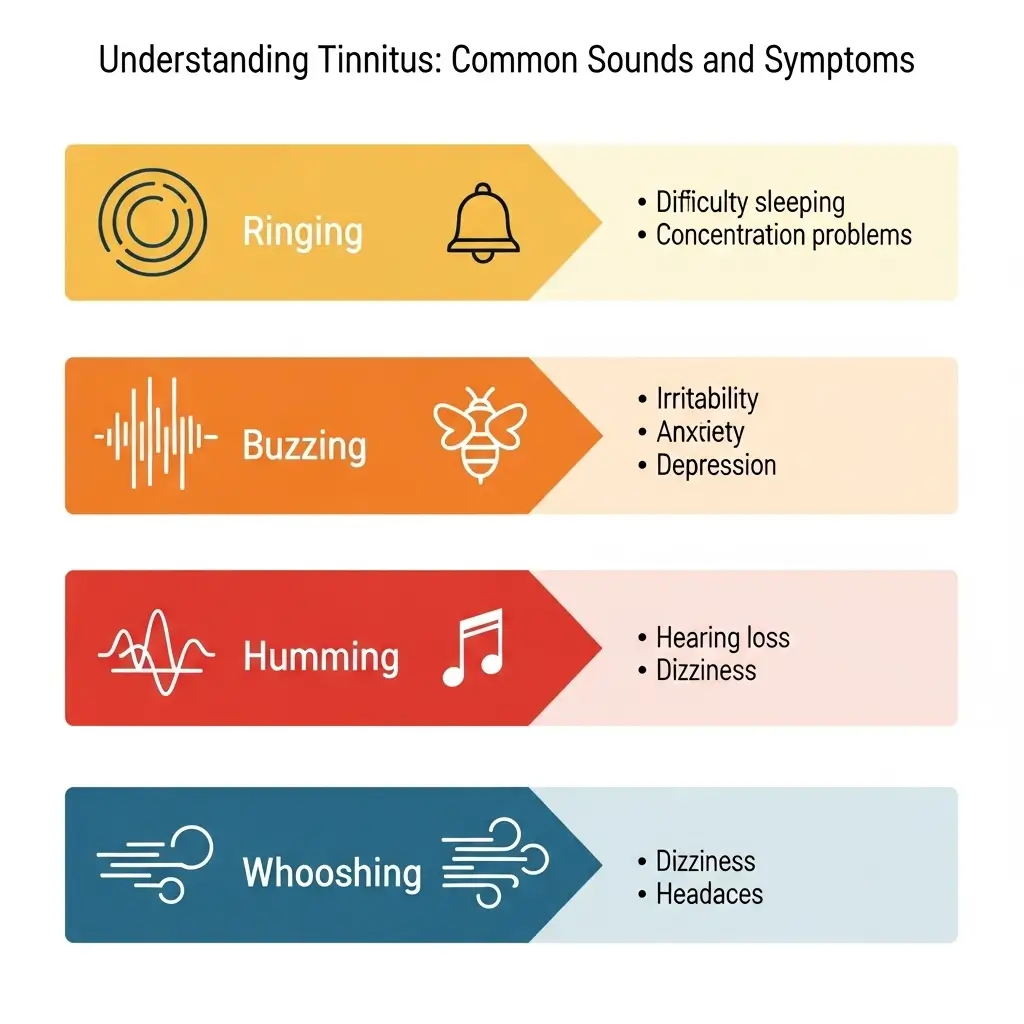
Recognizing the symptoms early can help you seek treatment before complications develop. Watch for these telltale signs:
Primary Tinnitus Symptoms
- Persistent ringing, buzzing, or humming in one or both ears
- Whooshing or pulsating sounds that may sync with your heartbeat
- High-pitched whistling that intensifies in quiet environments, especially at night when trying to sleep
- Low-frequency roaring similar to distant traffic or wind
If you’ve ever wondered why your ear randomly rings for a few seconds, ear infections can sometimes trigger brief episodes before developing into more persistent tinnitus.
Associated Ear Infection Symptoms
When tinnitus stems from an ear infection, you’ll typically experience additional symptoms:
- Ear pain ranging from mild discomfort to severe, sharp sensations
- Feeling of fullness or pressure inside the ear
- Muffled or distorted hearing
- Temporary hearing loss in the affected ear
- Discharge or fluid drainage from the ear canal
- Fever and general malaise (in acute infections)
Balance and Coordination Issues
If the inner ear is involved, you may also notice:
- Dizziness or vertigo (sensation that the room is spinning)
- Difficulty maintaining balance
- Nausea related to balance disturbances
- Sensitivity to head movements
Did you know? Studies suggest that approximately 40-80% of people with middle ear infections experience some degree of temporary tinnitus during their illness. The American Tinnitus Association identifies ear infections as one of the many potential causes of tinnitus symptoms.
How Long Does Tinnitus Last After an Ear Infection?
One of the most common questions patients ask is: “When will this ringing finally stop?” The answer depends on several factors.
Typical Recovery Timeline
Mild to Moderate Infections:
- Tinnitus often begins to fade within 3-7 days after starting treatment
- Most cases resolve completely within 2-4 weeks
- Hearing typically returns to normal as fluid drains and inflammation subsides
Severe or Complicated Infections:
- Recovery may take 4-8 weeks or longer
- Tinnitus may persist even after other symptoms improve
- Gradual improvement is expected, but patience is key
Factors Influencing Duration
Several variables affect how quickly your tinnitus resolves:
- Age: Children often recover faster due to better drainage of middle ear fluid
- Infection severity: More severe infections cause greater inflammation and longer recovery
- Nerve involvement: Direct nerve damage can lead to prolonged or permanent tinnitus
- Treatment timing: Early intervention typically results in faster resolution
- Overall health: Weakened immune systems may struggle to clear infections efficiently
- Chronic conditions: Allergies, diabetes, or autoimmune disorders can complicate recovery
When Tinnitus Becomes Chronic
In some cases, tinnitus from ear infection doesn’t fully resolve. This is more likely when:
- The infection caused permanent damage to inner ear structures
- Repeated ear infections have led to scarring or structural changes
- Underlying conditions contribute to persistent inflammation
- The auditory nerve sustained injury during the infection
If your tinnitus persists beyond 8-12 weeks after infection resolution, consult an audiologist or ENT specialist for comprehensive evaluation. It’s also worth understanding that tinnitus can be a sign of hearing loss, so professional assessment is crucial. The National Institute on Deafness and Other Communication Disorders (NIDCD) provides comprehensive information about tinnitus evaluation and treatment options.
Treatment Options for Tinnitus Caused by Ear Infections
Effective management addresses both the underlying infection and the tinnitus symptoms simultaneously.
1. Treating the Underlying Infection
The first priority is eliminating the infection itself:
- Antibiotics: Prescribed for bacterial infections (oral or ear drops)
- Antiviral medications: Used in specific cases of viral infections
- Anti-inflammatory drugs: Reduce swelling and pain (NSAIDs like ibuprofen)
- Decongestants: Help drain fluid from the middle ear
- Corticosteroids: May be prescribed for severe inflammation affecting the inner ear
Pro Tip: Always complete the full course of prescribed antibiotics, even if symptoms improve earlier. Incomplete treatment can lead to antibiotic resistance and recurring infections.
2. Managing Ear Pressure and Fluid
Reducing pressure helps alleviate both pain and tinnitus:
Home Remedies:
- Warm compress: Apply to the affected ear for 10-15 minutes several times daily
- Steam inhalation: Helps open Eustachian tubes and promote drainage
- Gentle Valsalva maneuver: Pinch nose, close mouth, and gently blow to equalize pressure (use cautiously)
- Stay hydrated: Thin mucus promotes better drainage
- Elevate head while sleeping: Reduces fluid accumulation
Medical Interventions:
- Myringotomy: Surgical procedure to drain persistent fluid
- Ear tubes: Inserted to maintain drainage in chronic cases
- Nasal sprays: Reduce inflammation in connected nasal passages
3. Tinnitus Relief Methods
While treating the infection, you can take steps to minimize tinnitus distress:
Sound Therapy and Masking
- White noise machines: Create ambient sound to mask tinnitus
- Nature sounds: Ocean waves, rainfall, or forest sounds can be soothing
- Smartphone apps: Many free apps provide customizable sound therapy
- Fans or humidifiers: Simple household items that generate background noise
Relaxation and Stress Management
Stress and anxiety can amplify tinnitus perception in fact, stress can even cause tinnitus or make it worse. Try these techniques:
- Deep breathing exercises: Calm your nervous system
- Progressive muscle relaxation: Reduce physical tension
- Meditation or mindfulness: Shift focus away from tinnitus
- Gentle yoga: Promotes overall relaxation and better sleep
- Acupressure points for tinnitus: Ancient technique that may provide relief
Nutritional Support for Ear Health
Certain supplements may support healing and reduce tinnitus severity. Learn more about how magnesium affects hearing and tinnitus relief and the benefits of vitamin B12 for tinnitus:
| Supplement | Potential Benefit | Typical Dosage |
|---|---|---|
| Magnesium | Protects inner ear cells from damage | 200-400mg daily |
| Vitamin B12 | Supports nerve health and regeneration | 500-1000mcg daily |
| Zinc | Boosts immune function and wound healing | 15-30mg daily |
| Omega-3 fatty acids | Reduces inflammation | 1000-2000mg daily |
| Ginkgo biloba | May improve blood flow to the inner ear | 120-240mg daily |
You might also consider researching comprehensive tinnitus supplements like Quietum Plus, which combines multiple ear-supporting nutrients. Additionally, certain foods that help tinnitus naturally can be incorporated into your daily diet.
Preventing Tinnitus from Future Ear Infections
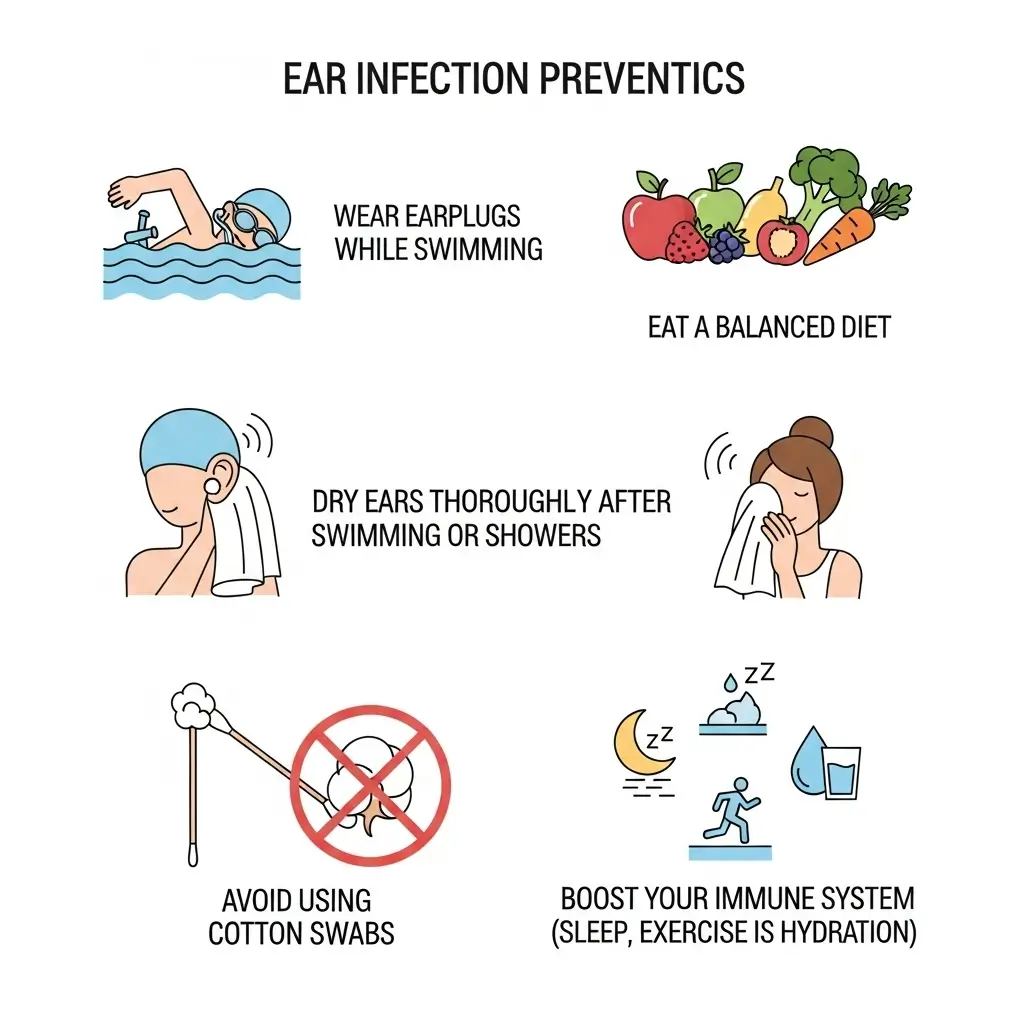
Prevention is always preferable to treatment. Adopt these habits to reduce your risk of ear infections and associated tinnitus:
Ear Hygiene Best Practices
Do:
- Keep ears dry after swimming or bathing (tilt head to drain water)
- Use earplugs during swimming in public pools or lakes
- Clean the outer ear gently with a soft washcloth
- Allow earwax to naturally migrate out of the ear canal
Don’t:
- Insert cotton swabs, bobby pins, or other objects deep into ear canals
- Use ear candles (ineffective and potentially dangerous)
- Ignore water trapped in ears after water activities
- Clean ears excessively, which removes protective wax
Manage Allergies and Sinus Issues
Chronic congestion and inflammation increase ear infection risk:
- Address seasonal allergies with appropriate medications
- Use saline nasal rinses to keep nasal passages clear
- Stay hydrated to maintain healthy mucus consistency
- Avoid known allergens when possible
- Consider allergy testing if you experience frequent sinus problems
Boost Your Immune System
A strong immune system helps fight off infections before they take hold:
- Eat a balanced diet rich in fruits, vegetables, and whole grains
- Get adequate sleep (7-9 hours nightly for most adults)
- Exercise regularly to support overall health
- Manage stress through healthy coping mechanisms
- Stay current with vaccinations (including flu and pneumococcal vaccines)
- Avoid smoking and limit alcohol consumption
Regular Hearing Check-ups
Early detection prevents complications:
- Schedule annual hearing screenings, especially if you’re over 50
- Have ears examined if you notice any changes in hearing
- Follow up promptly on any ear pain or unusual symptoms
- Keep track of ear infection frequency and patterns
- Learn how to improve hearing naturally through lifestyle changes
Special Considerations for Children
If you have children prone to ear infections:
- Ensure they’re up to date on recommended vaccines
- Avoid exposing them to secondhand smoke
- Breastfeed infants when possible (provides immune protection)
- Keep them upright during bottle feeding
- Address any anatomical issues (like enlarged adenoids) that may contribute to infections
Conclusion
The connection between ear infections and tinnitus is clear and well established. When inflammation, fluid, or pressure disrupts the delicate mechanisms of your auditory system, phantom sounds can emerge creating that characteristic ringing, buzzing, or humming sensation.
The good news? Most cases of tinnitus from ear infection are temporary. With prompt treatment of the underlying infection, proper management of symptoms, and patience during recovery, the majority of people experience complete resolution within weeks to months.
Key takeaways to remember:
- Ear infections, particularly those affecting the middle or inner ear, commonly cause temporary tinnitus
- Treating the infection promptly is essential for faster recovery and preventing complications
- Sound therapy, stress management, and nutritional support can help minimize tinnitus distress during healing
- Natural remedies for tinnitus relief can complement medical treatment
- Try easy tinnitus relief exercises to manage symptoms during recovery
- Most infection related tinnitus resolves within 2-8 weeks, though individual experiences vary
- Preventive measures including proper ear hygiene, allergy management, and immune support reduce future risk
Take Action for Your Hearing Health
Don’t let tinnitus from ear infection diminish your quality of life. If you’re experiencing persistent ringing after an ear infection, or if symptoms worsen despite home treatment, reach out to a healthcare professional. Early intervention makes all the difference.
Your hearing is precious protect it, treat it right, and listen to what your body is telling you.