Table of Contents
Introduction
If you’re among the millions dealing with the persistent ringing, buzzing, or humming of tinnitus, you’ve probably explored countless remedies searching for relief. Natural approaches like turmeric for tinnitus have gained significant attention in recent years, and for good reason.
Turmeric, the golden hued spice that’s been a cornerstone of Ayurvedic and traditional Chinese medicine for thousands of years, is now backed by modern research highlighting its powerful anti-inflammatory properties. Today, health conscious individuals are turning to this ancient remedy to address various conditions, including the frustrating symptoms of ear ringing.
In this comprehensive guide, you’ll discover how turmeric may support tinnitus management, the science behind its potential benefits, practical ways to incorporate it into your routine, and realistic expectations about what it can and cannot do. Let’s explore whether this golden spice deserves a place in your tinnitus management toolkit.
What Is Tinnitus? (Quick Overview)
Tinnitus is the perception of sound when no external noise is present. Most people describe it as ringing, but it can also manifest as buzzing, whistling, hissing, or even roaring sounds in one or both ears. According to the American Tinnitus Association, over 50 million Americans experience some form of tinnitus.
Common underlying causes include:
- Prolonged exposure to loud noises damages hair cells in the inner ear
- Age-related hearing loss
- Ear infections or blockages
- Cardiovascular issues affecting blood flow to the ear
- Chronic inflammation in the auditory system
- Nerve damage or dysfunction
- Certain medications (ototoxic drugs)
- Stress and anxiety amplify perception
The inflammation connection: Inflammation has emerged as a significant factor in tinnitus research. When tissues in the ear or auditory pathways become inflamed, they may trigger or worsen tinnitus symptoms. This is where anti-inflammatory compounds like those found in turmeric enter the conversation.
What Is Turmeric and How Does It Work?
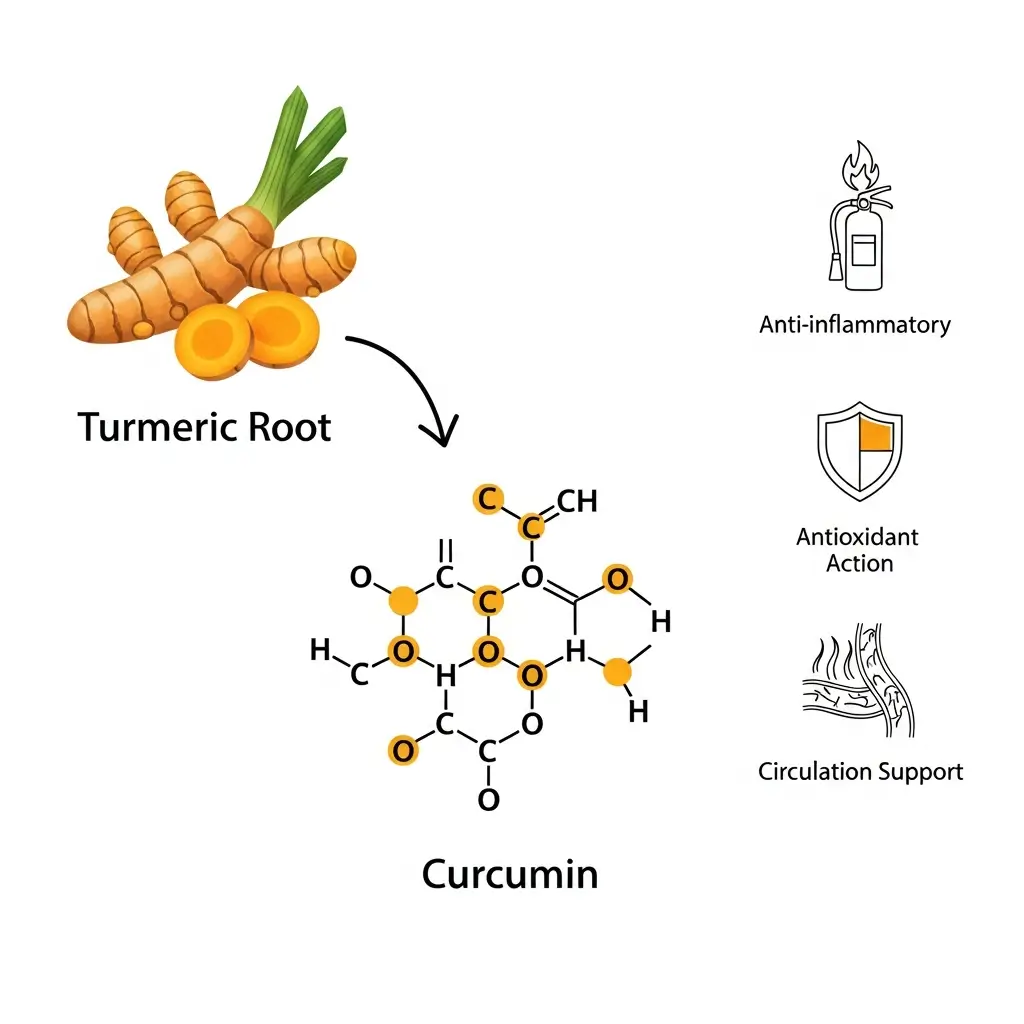
Turmeric (Curcuma longa) is a flowering plant in the ginger family, native to Southeast Asia. The rhizome (underground stem) is dried and ground into the vibrant yellow powder we recognize as a culinary spice.
The star player: Curcumin
The therapeutic magic of turmeric comes primarily from curcuminoids, with curcumin being the most abundant and studied. Curcumin comprises approximately 2-8% of most turmeric preparations and is responsible for the spice’s distinctive color and health benefits.
| Property | How It Works |
|---|---|
| Anti-inflammatory | Inhibits inflammatory molecules like COX-2 and cytokines |
| Antioxidant | Neutralizes free radicals and boosts the body’s own antioxidant enzymes |
| Neuroprotective | May support nerve health and cellular communication |
| Circulation support | Potentially improves blood flow and vascular health |
Think of it this way: If inflammation in your body is like a fire, curcumin acts as a fire extinguisher, helping to calm the flames before they cause lasting damage. This anti-inflammatory action is what makes turmeric promising for conditions involving chronic inflammation, including certain types of tinnitus.
Can Turmeric Help with Tinnitus?
Here’s the truth: While turmeric shows promise for tinnitus relief, the evidence is largely indirect and based on its known anti-inflammatory effects rather than tinnitus specific clinical trials.
How inflammation may contribute to ear ringing:
Inflammation in the inner ear, auditory nerve, or the brain’s auditory processing centers can disrupt normal hearing function and potentially trigger or worsen tinnitus. By reducing inflammatory markers, curcumin may help create a healthier environment for auditory tissues.
Potential effects on blood flow and nerve health:
Some research suggests curcumin may improve endothelial function (the health of blood vessel linings) and increase circulation. Since poor blood flow to the inner ear is linked to certain types of tinnitus, this circulatory support could be beneficial.
Additionally, curcumin’s neuroprotective properties might help maintain the health of auditory nerves, though more research is needed to confirm this specifically for tinnitus.
What scientific studies suggest:
- A 2017 study published in Neuroscience Letters found that curcumin reduced noise-induced hearing damage in animal models
- Research in Hearing Research demonstrated curcumin’s protective effects against age-related hearing loss in mice
- Multiple studies confirm curcumin’s ability to reduce systemic inflammation, which may indirectly benefit inflammatory tinnitus
Setting realistic expectations:
“Turmeric should be viewed as a complementary approach that may help manage symptoms, not as a cure for tinnitus.” – Integrative Medicine Perspective
Turmeric for tinnitus works best as part of a holistic strategy addressing inflammation, circulation, and overall ear health not as a standalone miracle cure.
Best Ways to Use Turmeric for Tinnitus

5.1 Turmeric Supplements
Supplements offer the most concentrated and bioavailable form of curcumin, making them the preferred choice for therapeutic purposes.
Curcumin extracts vs. raw turmeric powder:
- Curcumin supplements: Contain 95% curcuminoids, offering therapeutic doses in small capsules
- Turmeric powder: Contains only 2-8% curcumin, requiring large amounts for therapeutic effect
The bioavailability challenge:
The body poorly absorbs curcumin on its own. According to research from Molecular Nutrition & Food Research, curcumin has low bioavailability due to poor absorption and rapid metabolism. Look for supplements featuring:
- Piperine (black pepper extract): Increases curcumin absorption by up to 2,000%
- Liposomal formulations: Encapsulate curcumin in fat molecules for better absorption
- Curcumin with phospholipids: Bound to fats for enhanced uptake
Recommended supplement features:
- Standardized to 95% curcuminoids
- Contains piperine or other bioavailability enhancers
- Third-party tested for purity
- Free from unnecessary fillers
5.2 Turmeric in Food
Incorporating turmeric into your diet provides additional nutrients and can complement the use of supplements.
Golden Milk (Turmeric Latte):
This traditional Ayurvedic drink is delicious and therapeutic:
- 1 cup milk (dairy or plant-based)
- 1 teaspoon turmeric powder
- 1/4 teaspoon black pepper
- 1/2 teaspoon cinnamon
- Honey to taste
Heat gently, whisk together, and enjoy before bed for anti-inflammatory support.
Turmeric Tea:
Simmer fresh turmeric root or powder in water for 10 minutes, add lemon and honey, and drink 1-2 cups daily.
Adding turmeric to meals:
- Sprinkle into scrambled eggs or omelets
- Stir into soups, stews, and curries
- Mix into rice dishes or grain bowls
- Blend into smoothies (pairs well with mango and ginger)
- Season roasted vegetables
Pro tip: Always combine dietary turmeric with black pepper and a healthy fat (olive oil, coconut oil, or avocado) to maximize absorption.
5.3 Topical Use (What to Know)
While turmeric paste is popular for skin conditions, topical application is not effective for tinnitus. Tinnitus originates from internal structures deep within the ear and auditory pathways that topical treatments cannot reach.
Safety considerations:
- Turmeric can stain skin and clothing
- Never insert turmeric or any substance directly into the ear canal
- Focus on oral consumption for internal anti-inflammatory benefits
Dosage and How Long It Takes to Work
Common dosage ranges from research:
| Form | Typical Daily Dose |
|---|---|
| Curcumin supplements | 500-2,000 mg per day |
| Turmeric powder | 1-3 grams per day |
| Turmeric extract | Follow manufacturer guidelines |
Most studies on inflammation use doses between 500-1,000 mg of curcumin daily, divided into 2-3 doses with meals.
Timeline for potential benefits:
- Week 1-2: Minimal noticeable changes; curcumin levels build in your system
- Week 4-8: Some people report subtle improvements in tinnitus intensity or frequency
- Month 3+: Optimal benefits typically emerge with consistent use
The importance of consistency:
Curcumin doesn’t work overnight. Think of it as a gradual, cumulative effect rather than immediate relief. Consistent daily use over several months is necessary to assess whether turmeric benefits your specific tinnitus.
Who May Benefit Most from Turmeric
Inflammation-related tinnitus:
If your tinnitus is associated with:
- Autoimmune conditions
- Chronic ear infections
- Inflammatory diseases like rheumatoid arthritis
- Allergies or sinus inflammation
You may experience more noticeable benefits from turmeric’s anti-inflammatory properties.
Stress or circulation linked symptoms:
People whose tinnitus worsens with stress or who have cardiovascular concerns may benefit from curcumin’s effects on blood flow and stress response.
When turmeric is unlikely to help:
- Tinnitus from physical ear damage or structural abnormalities
- Medication-induced (ototoxic) tinnitus
- Tinnitus from tumors or growths requiring medical intervention
- Sudden onset of tinnitus requiring immediate medical evaluation
Safety, Side Effects, and Interactions
While turmeric for tinnitus is generally safe for most people, awareness of potential issues is important.
Possible side effects (usually mild):
- Digestive upset, nausea, or diarrhea at high doses
- Increased bleeding risk
- Lowered blood sugar
- Allergic reactions (rare)
Who should avoid turmeric or curcumin supplements:
- Pregnant or breastfeeding women
- People with gallbladder disease or bile duct obstruction
- Those with bleeding disorders
- Anyone scheduled for surgery (stop 2 weeks before)
- Individuals with iron deficiency (high doses may interfere with absorption)
Medication interactions:
Turmeric can interact with:
- Blood thinners (warfarin, aspirin, clopidogrel): increased bleeding risk
- Diabetes medications: may enhance blood sugar-lowering effects
- Stomach acid reducers: turmeric increases stomach acid production
- Chemotherapy drugs: may interfere with certain treatments
Always consult your healthcare provider before starting turmeric supplements, especially if you take medications or have underlying health conditions. The National Institutes of Health provides comprehensive information on turmeric’s safety profile.
Turmeric vs Other Natural Remedies for Tinnitus
How does turmeric stack up against other popular natural approaches?
| Remedy | Primary Benefit | Best For |
|---|---|---|
| Turmeric/Curcumin | Anti-inflammatory, antioxidant | Inflammation related tinnitus |
| Ginger | Anti-inflammatory, circulation | Improved blood flow to the ears |
| Magnesium | Nerve protection, muscle relaxation | Noise-induced tinnitus prevention |
| Omega-3 fatty acids | Reduce inflammation, support nerve health | Chronic inflammation, cardiovascular tinnitus |
| Ginkgo biloba | Improved blood flow to the ears | Circulation related tinnitus |
| Zinc | Immune support, cellular repair | Zinc deficient individuals |
Why combining lifestyle changes works better:
No single remedy is a magic bullet. The most effective approach combines:
- Anti-inflammatory supplements like turmeric
- Stress management techniques
- Adequate sleep and hydration
- Reduced exposure to loud noises
- A nutrient-dense, anti-inflammatory diet
- Regular exercise for improved circulation
Conclusion
Using turmeric for tinnitus represents a promising, evidence based natural approach that may offer symptom relief for some individuals, particularly those with inflammation related ear ringing. Its powerful anti-inflammatory and antioxidant properties, combined with potential circulatory benefits, make it a worthwhile addition to a comprehensive tinnitus management strategy.
Remember these key takeaways:
- Turmeric is not a cure, but it may help manage symptoms
- Choose high-quality supplements with bioavailability enhancers
- Consistency over 2-3 months is essential for assessing effectiveness
- Combine with lifestyle modifications for the best results
- Always address underlying causes with medical guidance
While the golden spice holds promise, the most critical step is consulting with a healthcare professional to identify the root cause of your tinnitus and develop a personalized treatment plan. Turmeric can be a valuable tool in your wellness arsenal, but it works best as part of a holistic approach to ear health and overall well-being.
Have you tried turmeric for tinnitus? Share your experience and explore complementary strategies like sound therapy, dietary modifications, and cognitive behavioral approaches to support your journey toward quieter days and peaceful nights.
FAQ
Does turmeric cure tinnitus?
No, turmeric does not cure tinnitus. Currently, there is no definitive cure for most types of tinnitus. However, turmeric may help manage symptoms by reducing inflammation and supporting overall ear health when used consistently as part of a comprehensive approach.
How long should I take turmeric for tinnitus?
Most experts recommend trying turmeric for at least 8-12 weeks to assess its effectiveness. If you notice improvements, you can continue long-term use under medical supervision. If no benefits appear after three months, it may not be effective for your specific type of tinnitus.
Is turmeric tea good for ear ringing?
Turmeric tea can be beneficial, though it contains less curcumin than concentrated supplements. Drinking 1-2 cups daily with black pepper and a fat source may provide mild anti-inflammatory benefits. For therapeutic effects, supplements are generally more effective.
Can turmeric make tinnitus worse?
In rare cases, individuals may experience worsening symptoms or new reactions to any supplement. If you notice increased tinnitus intensity after starting turmeric, discontinue use and consult your healthcare provider. Most people tolerate turmeric well.