Table of Contents
Introduction: Can Diet Really Reduce Tinnitus Symptoms?
An anti inflammatory diet for tinnitus may be the missing piece in your quest for relief from persistent ear ringing. If you’re one of the millions experiencing constant buzzing, humming, or ringing in your ears, you’ve likely tried numerous remedies with varying success. Tinnitus a phantom sound that only you can hear affects approximately 15-20% of adults worldwide, with triggers ranging from noise exposure and ear infections to stress and underlying health conditions. According to the National Institute on Deafness and Other Communication Disorders (NIDCD), roughly 10% of U.S. adults have experienced tinnitus lasting at least five minutes in the past year.
Recent research reveals a powerful connection between chronic inflammation and tinnitus severity. When inflammatory processes affect the delicate structures of your inner ear, they can disrupt blood flow, damage auditory nerves, and intensify that relentless ringing. The good news? Adopting an anti inflammatory diet for tinnitus may offer significant relief by addressing inflammation at its source. While dietary changes won’t cure tinnitus overnight, they can create an internal environment that supports healthier auditory function and potentially reduces symptom intensity over time.
What Is an Anti Inflammatory Diet? (Simple Explanation)
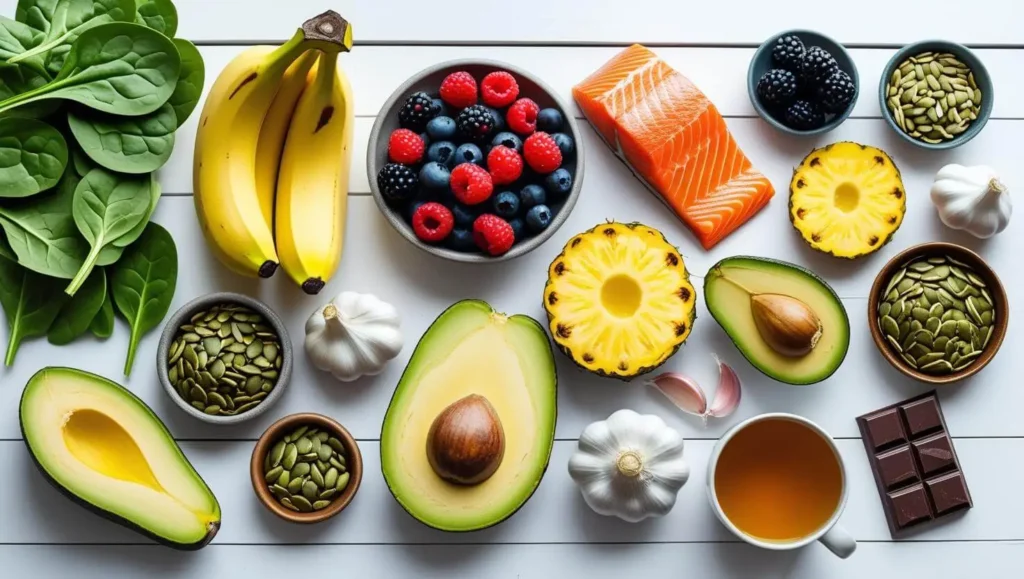
An anti-inflammatory diet isn’t a restrictive meal plan or trendy detox; it’s an eating pattern that emphasizes whole, nutrient-dense foods known to reduce inflammatory markers throughout your body. Think of it as choosing foods that calm your immune system rather than activating it.
The core principle is straightforward:
- Load up on colorful fruits and vegetables
- Choose healthy fats like omega-3s
- Select whole grains over refined carbohydrates
- Minimize processed foods, added sugars, and inflammatory oils
But why does this matter specifically for tinnitus sufferers? Your auditory system relies heavily on proper blood flow and healthy nerve function. When inflammation damages blood vessels or irritates auditory pathways, it can exacerbate ear ringing. By reducing systemic inflammation through dietary choices, you’re potentially improving circulation to the inner ear, protecting delicate hair cells from oxidative damage, and supporting the neural pathways responsible for processing sound.
For those dealing with tinnitus, the stakes are higher than for the general population. While anyone benefits from reducing inflammation, tinnitus sufferers may experience more noticeable improvements because their auditory system is already compromised and hypersensitive to inflammatory triggers.
How Inflammation Contributes to Tinnitus
Understanding the inflammation-tinnitus connection requires a closer look at what’s happening inside your ear and nervous system.
The Inflammatory Cascade in Your Auditory System
Oxidative Stress and Cellular Damage
Your inner ear contains approximately 15,000 microscopic hair cells responsible for converting sound waves into electrical signals. As the Cleveland Clinic explains, these hair cells are particularly vulnerable to oxidative stress, an imbalance between free radicals and antioxidants in your body. When inflammation triggers excessive free radical production, it can damage these delicate structures, leading to persistent tinnitus symptoms.
Vascular Inflammation and Blood Flow Disruption
The cochlea (your inner ear’s hearing organ) requires a consistent blood supply to function properly. Inflammation can narrow blood vessels and reduce circulation, depriving auditory structures of oxygen and essential nutrients. This vascular compromise may manifest as or worsen tinnitus.
Nerve Irritation and Hyperactivity
Inflammatory molecules called cytokines can irritate the auditory nerve and related neural pathways. According to WebMD, this irritation may cause neurons to fire spontaneously or become hyperactive, potentially creating the phantom sounds characteristic of tinnitus.
What the Research Shows
Peer-reviewed studies have established compelling links between chronic inflammation and tinnitus severity:
- Research published in PLOS ONE found that individuals with tinnitus showed significantly higher inflammatory marker levels compared to control groups
- A study in Hearing Research demonstrated that inflammatory conditions affecting blood vessels increased tinnitus prevalence and intensity
- Multiple investigations have shown that conditions associated with chronic inflammation, such as cardiovascular disease, diabetes, and autoimmune disorders, correlate with higher tinnitus rates
The evidence increasingly suggests that inflammation isn’t just coincidental to tinnitus; it’s often a contributing factor that, when addressed, may reduce symptom burden.
How an Anti Inflammatory Diet Supports Tinnitus Relief
Implementing dietary changes focused on reducing inflammation creates multiple pathways for tinnitus improvement:
1. Reduces Oxidative Stress in the Auditory System
Antioxidant-rich foods neutralize free radicals before they damage inner ear structures. This protective effect helps preserve hair cell function and may prevent further auditory deterioration.
2. Improves Blood Circulation to the Inner Ear
Certain anti inflammatory nutrients, particularly omega-3 fatty acids, improve vascular health and blood flow. Better circulation means your inner ear receives adequate oxygen and nutrients to function optimally.
3. Stabilizes Blood Sugar Levels
Blood sugar spikes trigger inflammatory responses and can worsen tinnitus symptoms. An anti inflammatory diet for tinnitus typically emphasizes low-glycemic foods that maintain stable blood glucose, preventing inflammation triggering fluctuations.
4. Reduces Systemic Inflammation
By lowering body wide inflammatory markers, you’re not just addressing ear specific issues, you’re creating a less inflammatory internal environment overall. This systemic improvement often translates to reduced tinnitus intensity.
5. Supports Healthier Nerve Signaling
Specific nutrients in anti-inflammatory foods support myelin sheath health and neurotransmitter production, both essential for proper communication between your ear and brain. Improved nerve function may reduce the misfiring that generates phantom sounds.
Best Anti-Inflammatory Foods for Tinnitus Relief
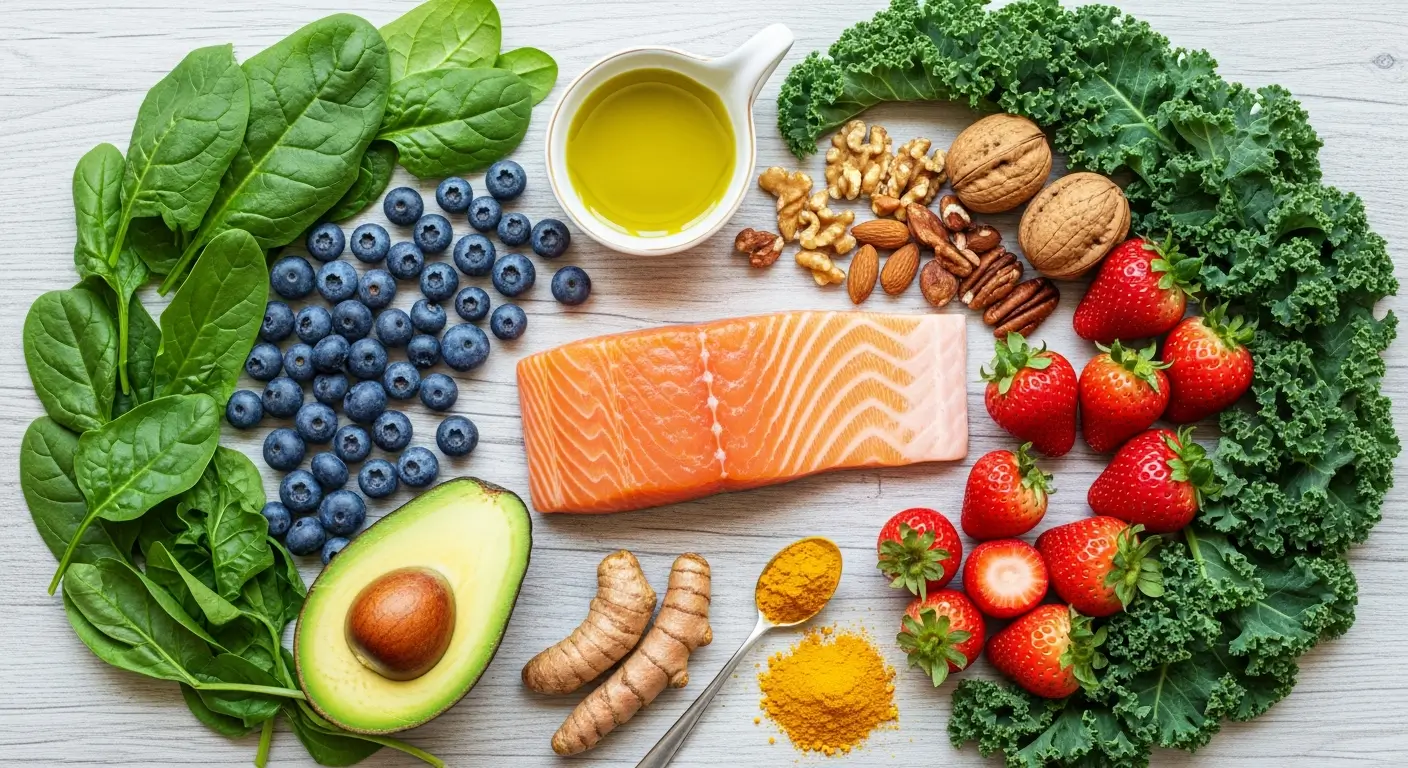
Let’s explore the nutritional powerhouses that should feature prominently in your meals:
5.1 Omega-3-Rich Fish (Salmon, Sardines, Mackerel)
Why they help: These fatty fish contain EPA and DHA omega-3 fatty acids with proven anti-inflammatory properties. They improve blood vessel flexibility, reduce inflammatory cytokines, and support neural health.
Practical tip: Aim for 2-3 servings weekly. Wild-caught salmon offers higher omega-3 concentrations than farmed varieties.
5.2 Leafy Greens (Spinach, Kale, Swiss Chard)
Why they help: Packed with antioxidants like vitamins C, E, and beta-carotene, leafy greens protect auditory nerves from oxidative damage. They also provide magnesium, which supports healthy nerve transmission.
Practical tip: Eat them raw in salads or lightly sautéed to preserve maximum nutrients.
5.3 Berries (Blueberries, Strawberries, Blackberries)
Why they help: Berries contain anthocyanin and flavonoid compounds that reduce inflammation and strengthen capillary walls. This vascular support is particularly beneficial for inner ear circulation.
Practical tip: Fresh or frozen berries retain their nutritional value. Add them to breakfast or enjoy as snacks.
5.4 Nuts & Seeds (Walnuts, Chia Seeds, Flaxseeds)
Why they help: These provide plant-based omega-3s, vitamin E, and minerals that support brain and auditory nerve function. Walnuts specifically contain alpha-linolenic acid, which converts to beneficial EPA and DHA.
Practical tip: A small handful daily is sufficient. Grind flaxseeds before consuming for better nutrient absorption.
5.5 Turmeric & Ginger
Why they help: Curcumin (in turmeric) and gingerol (in ginger) are potent natural anti inflammatory compounds. Studies show curcumin’s effectiveness rivals some pharmaceutical anti inflammatories without the side effects.
Practical tip: Add black pepper to turmeric; it increases curcumin absorption by up to 2,000%. Fresh ginger tea offers both hydration and anti-inflammatory benefits.
5.6 Extra Virgin Olive Oil
Why they help: Contains oleocanthal, a compound that works similarly to ibuprofen in reducing inflammation. Regular consumption supports cardiovascular health and reduces inflammatory markers.
Practical tip: Use for low-heat cooking or as a salad dressing base. Choose high-quality, cold pressed varieties.
5.7 Avocado
Why they help: Rich in monounsaturated fats, potassium, and antioxidants, avocados support healthy blood pressure and circulation both crucial for inner ear health.
Practical tip: Half an avocado daily provides substantial benefits without excessive calories.
Foods That May Worsen Inflammation and Tinnitus
Just as certain foods reduce inflammation, others can trigger or intensify it. Here’s what to minimize:
| Food Category | Why It Worsens Tinnitus |
|---|---|
| Refined Sugar | Causes blood sugar spikes and insulin resistance, triggering inflammatory responses. Sugar consumption correlates with increased tinnitus severity in multiple studies. |
| Processed Snacks | Contain inflammatory trans fats, excessive sodium, and refined carbohydrates. These ingredients promote vascular inflammation and oxidative stress. |
| Excess Caffeine | While moderate amounts may be tolerable, excessive caffeine can constrict blood vessels, potentially reducing inner ear circulation. Individual tolerance varies significantly. |
| Alcohol | Disrupts blood flow patterns and can temporarily or permanently worsen tinnitus. It also depletes B vitamins essential for nerve health. |
| Processed Meats | High in saturated fats, sodium, and nitrates, all inflammatory. Regular consumption increases cardiovascular inflammation. |
| High-Sodium Foods | Excessive salt can elevate blood pressure and increase fluid retention in the inner ear, potentially intensifying tinnitus symptoms. |
Important note: Everyone’s triggers differ. Consider keeping a food journal to identify personal correlations between specific foods and tinnitus intensity.
A Sample 1-Day Anti-Inflammatory Meal Plan for Tinnitus
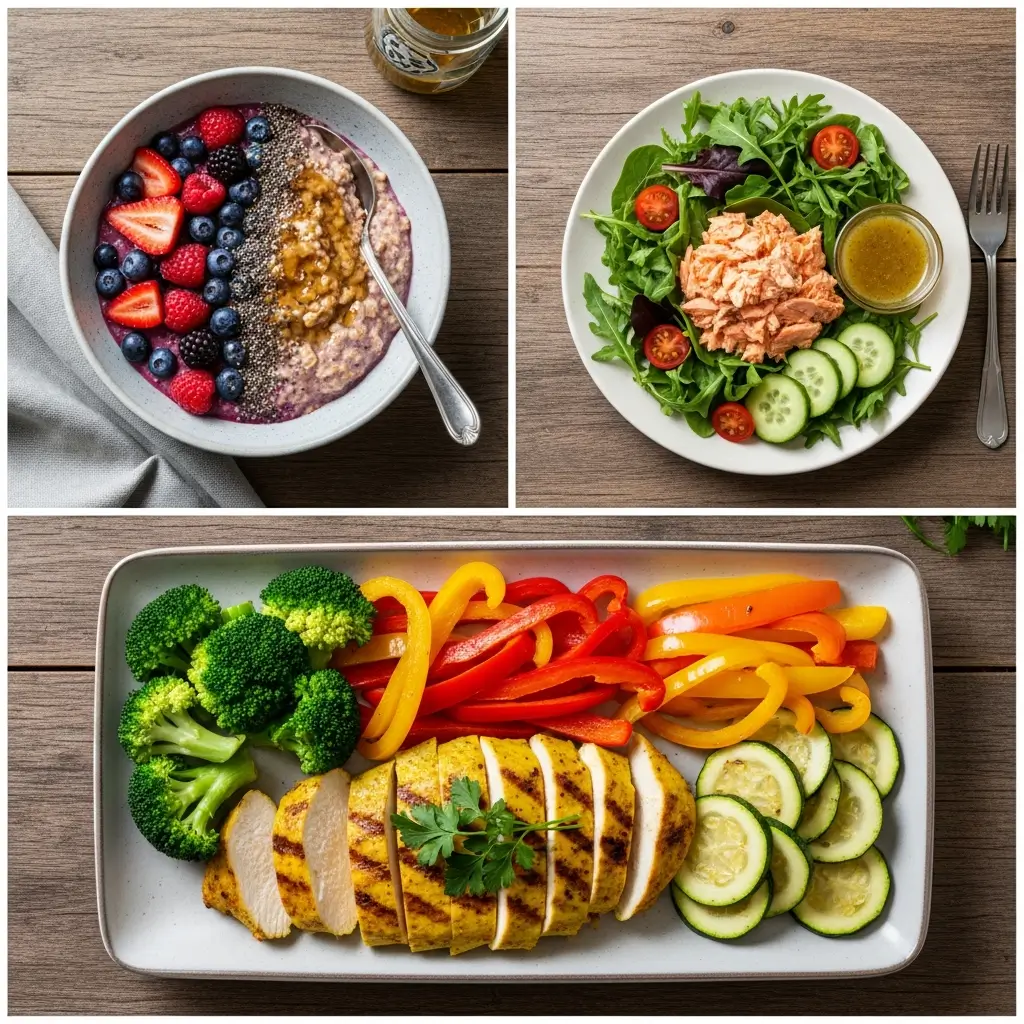
Here’s a practical, delicious day of eating that embodies anti inflammatory principles:
Breakfast: Berry Oatmeal with Chia Seeds
- ½ cup steel-cut oats cooked in unsweetened almond milk
- ½ cup mixed berries (blueberries, strawberries)
- 1 tablespoon chia seeds
- Sprinkle of cinnamon and a handful of walnuts
Why it works: Provides slow releasing carbohydrates for stable blood sugar, omega-3s, and powerful antioxidants to start your day without inflammatory spikes.
Lunch: Grilled Salmon Salad with Olive Oil Dressing
- 4 oz wild-caught salmon (grilled or baked)
- Mixed leafy greens (spinach, arugula, kale)
- Cherry tomatoes, cucumber, shredded carrots
- 2 tablespoons extra virgin olive oil + lemon juice dressing
- Pumpkin seeds for crunch
Why it works: Combines omega-3-rich fish with antioxidant-packed vegetables and healthy fats for comprehensive anti inflammatory benefits.
Afternoon Snack: Apple with Walnuts
- 1 medium apple (with skin for fiber)
- Small handful of raw walnuts
Why it works: Provides satisfying crunch, fiber for blood sugar stability, and healthy fats that sustain energy without inflammation.
Dinner: Turmeric Chicken with Steamed Greens
- 5 oz chicken breast marinated in turmeric, ginger, garlic, and olive oil
- Steamed broccoli and Swiss chard
- ½ cup quinoa
- Side of sautéed mushrooms in olive oil
Why it works: Lean protein combined with anti inflammatory spices and nutrient dense vegetables creates a satisfying, inflammation fighting meal.
Hydration Throughout the Day:
- Hibiscus tea: Rich in anthocyanins and vitamin C
- Ginger water: Fresh ginger slices steeped in warm water
- Plain water with lemon: Supports hydration and provides vitamin C
Daily totals approximate: 1,600-1,800 calories with balanced macronutrients emphasizing anti inflammatory compounds.
Additional Lifestyle Tips to Boost Anti Inflammatory Results

Diet creates the foundation, but these complementary practices amplify your results:
Stress Reduction Practices
Why it matters: Chronic stress elevates cortisol, a hormone that promotes inflammation and can worsen tinnitus perception.
What to do:
- Practice deep breathing exercises (4-7-8 technique: inhale for 4 counts, hold for 7, exhale for 8)
- Try meditation or mindfulness apps designed for tinnitus management
- Consider yoga, tai chi, or gentle stretching routines
- Engage in hobbies that fully absorb your attention, reducing focus on ear ringing
Regular Physical Exercise
Why it matters: Exercise improves cardiovascular health, enhances circulation to the inner ear, and reduces inflammatory markers throughout your body.
What to do:
- Aim for 150 minutes of moderate-intensity exercise weekly
- Include both cardiovascular activities (walking, swimming, cycling) and strength training
- Avoid exercises that strain your neck or jaw excessively, as these may temporarily worsen tinnitus
- Listen to your body if certain movements consistently spike symptoms, modify them
Sleep Optimization
Why it matters: Poor sleep increases inflammatory cytokines and can intensify tinnitus perception. Quality rest allows your body to repair and regulate inflammation effectively.
What to do:
- Maintain consistent sleep and wake times, even on weekends
- Create a dark, quiet sleeping environment (white noise machines can help mask tinnitus)
- Limit screen time 1-2 hours before bed
- Avoid large meals, caffeine, and alcohol close to bedtime
- Consider magnesium supplementation if deficient (consult your healthcare provider)
Ear Protection Habits
Why it matters: Preventing additional auditory damage stops inflammation from worsening and protects existing hearing function.
What to do:
- Wear earplugs in loud environments (concerts, construction sites, power tools)
- Follow the 60/60 rule for headphones: no more than 60% volume for 60 minutes at a time
- Take regular “listening breaks” during noisy activities
- Consider custom-fitted ear protection if you work in consistently loud environments
When Diet Alone Isn’t Enough: When to See a Specialist
While an anti inflammatory diet for tinnitus provides significant benefits for many people, certain situations require professional medical evaluation:
Seek immediate medical attention if you experience:
- Sudden hearing loss (even if temporary)
- Tinnitus in only one ear (could indicate acoustic neuroma or other serious conditions)
- Pulsatile tinnitus (hearing your heartbeat in your ear may signal vascular issues)
- Tinnitus accompanied by dizziness or vertigo (possible Ménière’s disease or vestibular disorder)
- Ear pain, discharge, or signs of infection
- Tinnitus following head or neck injury
Schedule a consultation with an ENT specialist or audiologist if:
- Your tinnitus significantly impacts the quality of life and sleep despite dietary changes
- Symptoms progressively worsen over weeks or months
- You suspect hearing loss accompanies your tinnitus
- Previous treatments haven’t provided adequate relief
- You want to explore options like hearing aids, sound therapy, or cognitive behavioral therapy
Remember: Dietary interventions complement but don’t replace proper medical diagnosis and treatment. The American Tinnitus Association offers comprehensive resources and support for those managing tinnitus. Work with healthcare professionals to develop a comprehensive tinnitus management strategy.
Conclusion: Can an Anti Inflammatory Diet Improve Tinnitus Long-Term?
The emerging evidence is compelling: adopting an anti inflammatory diet for tinnitus addresses one of the condition’s underlying mechanisms, chronic inflammation. While diet alone may not eliminate tinnitus, many people experience meaningful improvements in symptom intensity, frequency, and their ability to cope with ear ringing.
Key Takeaways:
- Inflammation contributes to tinnitus through oxidative stress, impaired circulation, and nerve irritation
- Nutrient-rich anti-inflammatory foods protect auditory structures and support healthy nerve function
- Omega-3 fatty acids, antioxidants, and anti-inflammatory spices form the foundation of tinnitus-supportive eating
- Avoiding inflammatory triggers (refined sugar, processed foods, excess sodium) is equally important
- Lifestyle factors like stress management, exercise, and quality sleep amplify dietary benefits
- Consistency matters more than perfection—focus on sustainable changes rather than drastic restrictions
The journey to tinnitus relief through diet isn’t instantaneous. Most people notice gradual improvements over 4-8 weeks of consistent anti-inflammatory eating. Some experience dramatic changes; others find their symptoms become more manageable and less intrusive.
Start with small, achievable modifications: add berries to breakfast, swap one meal weekly to include fatty fish, or replace inflammatory snacks with nuts and fruit. These incremental changes accumulate into profound long-term benefits for your auditory health and overall well-being.
Your ears and your quality of life deserve this investment in nourishing, inflammation-fighting nutrition.