
Table of Contents
The Daily Coffee Dilemma for Tinnitus Sufferers
If you’re one of the millions living with ringing ears, you’ve probably wondered does my morning coffee make it worse? It’s a question that crosses the minds of countless tinnitus sufferers every time they reach for their favorite caffeinated beverage. The concern is understandable: when you’re dealing with persistent ear ringing, you want to avoid anything that might amplify the noise.
Does caffeine make tinnitus worse? The answer might surprise you. While conventional wisdom suggests that caffeine worsens tinnitus symptoms, recent scientific research tells a more nuanced story. In this comprehensive guide, we’ll explore the relationship between caffeine consumption and tinnitus, separating fact from fiction and providing you with evidence-based insights to make informed decisions about your daily coffee habit.
Whether you’re a coffee lover reluctant to give up your morning ritual or someone desperately seeking relief from tinnitus symptoms, this post will deliver clear answers backed by scientific research, expert opinions, and practical strategies you can implement today.
Understanding Tinnitus: A Quick Refresher
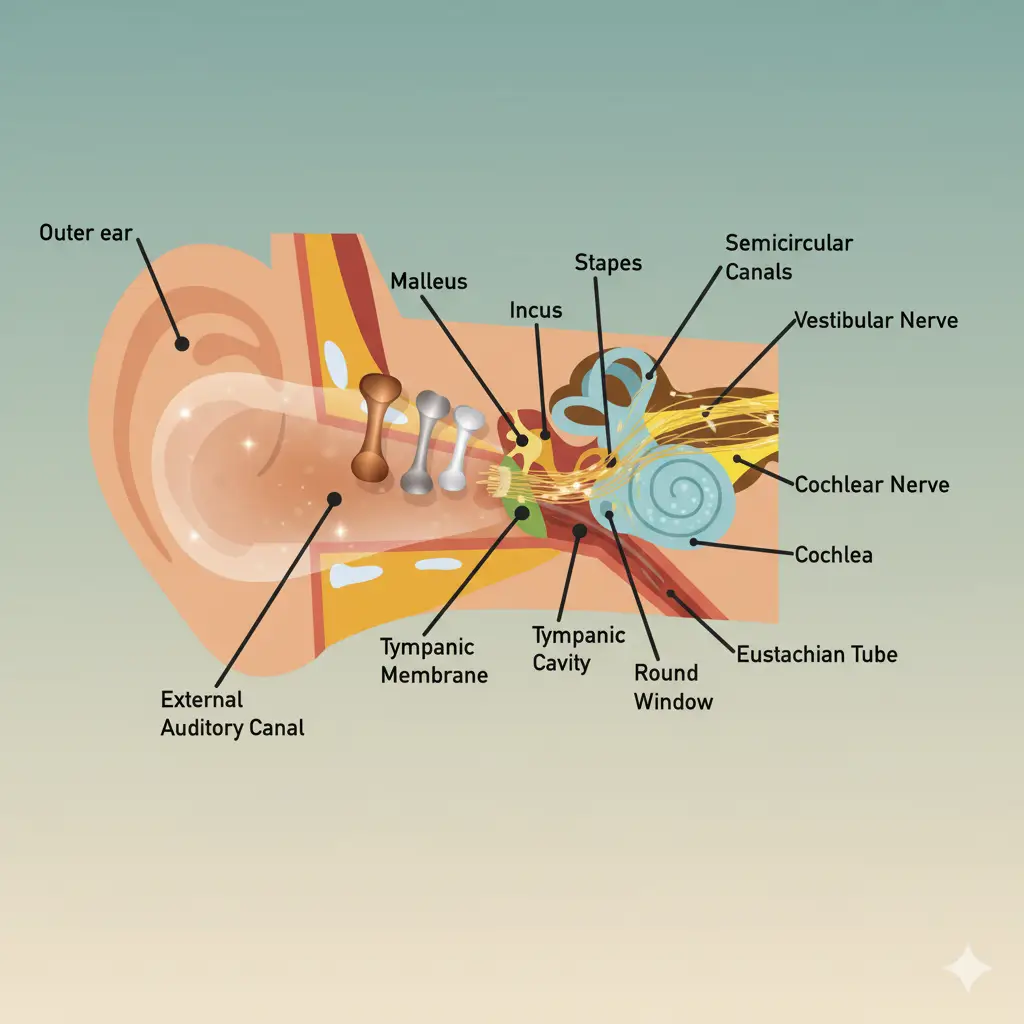
Before we dive into the caffeine connection, let’s establish a baseline understanding of what tinnitus actually is.
Tinnitus is the perception of sound typically described as ringing, buzzing, hissing, clicking, or roaring when no external sound source is present. It’s not a disease itself but rather a symptom that can stem from various underlying conditions. According to the Mayo Clinic, approximately 15-20% of adults experience some form of tinnitus, making it one of the most common auditory complaints.
Common Causes of Tinnitus
| Category | Specific Causes |
|---|---|
| Noise Exposure | Prolonged loud music, occupational noise, concerts |
| Medical Conditions | Ear infections, Meniere’s disease, otosclerosis |
| Medications | Aspirin, certain antibiotics, diuretics |
| Age-Related | Natural hearing loss (presbycusis) |
| Physical Factors | Head/neck injuries, TMJ disorders, high blood pressure |
| Lifestyle Factors | Stress, anxiety, sleep deprivation |
The mechanism behind tinnitus involves complex interactions between the auditory nerve and brain function. When the inner ear’s hair cells become damaged or overstimulated, they can send erratic signals to the brain. The brain then interprets these signals as sound, even though no actual sound exists externally. This neurological component is crucial to understanding how substances like caffeine might influence tinnitus perception. Understanding whether tinnitus is a sign of hearing loss can help you better assess your condition.
What Is Caffeine and How Does It Affect the Body?
Caffeine is the world’s most widely consumed psychoactive substance a central nervous system stimulant found naturally in coffee beans, tea leaves, cacao, and added to numerous energy drinks and medications.
How Caffeine Works in Your System
When you consume caffeine, it rapidly absorbs into your bloodstream and crosses the blood-brain barrier within 15-45 minutes. Here’s what happens:
- Blocks Adenosine Receptors: Adenosine is a neurotransmitter that promotes sleepiness. Caffeine blocks these receptors, preventing drowsiness and increasing alertness
- Increases Dopamine Production: This neurotransmitter enhances mood and cognitive function
- Stimulates the Nervous System: Heightens neural activity throughout the brain and body
- Affects Blood Flow: Can cause vasoconstriction (narrowing of blood vessels), which may influence circulation to the inner ear
- Triggers Adrenaline Release: Creates that familiar energy boost
Think of caffeine as a temporary boost that revs up your entire system including potentially sensitive auditory pathways. For most people, these effects are beneficial, but for those with tinnitus, the impact on the nervous system and inner ear circulation raises important questions.
Common Caffeine Sources and Content
| Beverage/Food | Caffeine Content (mg) |
|---|---|
| Coffee (8 oz brewed) | 95-200 |
| Espresso (1 oz) | 47-75 |
| Black tea (8 oz) | 40-70 |
| Green tea (8 oz) | 25-50 |
| Energy drink (8 oz) | 70-200 |
| Dark chocolate (1 oz) | 12-25 |
| Soda (12 oz) | 30-50 |
The Big Question: Does Caffeine Make Tinnitus Worse?
Now we arrive at the heart of the matter. For years, audiologists and ENT specialists commonly advised tinnitus patients to eliminate caffeine from their diets. But what does the actual scientific evidence say?
The Myth vs. The Evidence
The Traditional Belief: Caffeine increases ringing in the ears by overstimulating the nervous system and creating anxiety, which amplifies tinnitus perception.
What Research Actually Shows: Multiple peer-reviewed studies have challenged this assumption, with some research suggesting that moderate caffeine consumption may actually be protective against tinnitus or have no significant negative impact.
Key Scientific Studies
Study #1: The American Journal of Medicine (2014)
A landmark study published in the American Journal of Medicine examined over 65,000 women in the Nurses’ Health Study II over an 18 year period. The researchers found:
- Women who consumed higher amounts of caffeine (approximately 450-599 mg daily) had a 15% lower incidence of developing tinnitus
- The protective effect was most pronounced in younger women
- The study suggested that caffeine’s effects on the central nervous system might provide some protective benefits against tinnitus development
Study #2: Hearing Research (2010)
Research published in Hearing Research examined caffeine’s impact on hearing and auditory function:
- No consistent evidence that caffeine consumption worsened existing tinnitus symptoms
- Individual responses varied significantly
- The study emphasized the importance of personal sensitivity over blanket recommendations
Study #3: International Journal of Audiology (2018)
This systematic review analyzed multiple studies on dietary factors and tinnitus:
- Found no significant association between moderate caffeine intake and tinnitus severity
- Noted that abrupt caffeine withdrawal could temporarily worsen symptoms
- Recommended individualized approaches rather than universal caffeine avoidance
Important Note: While these studies provide valuable insights, they don’t definitively prove that caffeine is beneficial for everyone with tinnitus. The key takeaway is that the relationship is more complex than previously thought.
How Caffeine Might Influence Tinnitus (Mechanisms)
Understanding the biological mechanisms can help explain why caffeine affects individuals differently. Let’s break down the possible ways caffeine might interact with tinnitus:
1. Increased Nervous System Activity
Caffeine stimulates the central nervous system, which can heighten overall sensory perception including auditory signals. For someone with tinnitus, this heightened state of neural activity might temporarily make them more aware of their ear ringing, especially during periods of concentration or in quiet environments.
The Effect: Not necessarily worsening tinnitus itself, but potentially increasing your awareness of it.
2. Vasoconstriction and Inner Ear Blood Flow
Caffeine causes mild vasoconstriction the narrowing of blood vessels. The inner ear relies on adequate blood supply for optimal function. Theoretically, reduced blood flow could:
- Decrease oxygen delivery to cochlear hair cells
- Alter fluid dynamics in the inner ear
- Potentially affect auditory signal processing
However, the vasoconstriction from moderate caffeine intake is generally minimal and unlikely to cause significant problems in healthy individuals.
3. Sleep Disruption
This might be caffeine’s most significant indirect effect on tinnitus. Caffeine consumed late in the day can disrupt sleep quality and duration. Poor sleep, in turn:
- Increases stress hormones
- Reduces the brain’s ability to filter out tinnitus signals
- Amplifies perception of symptoms
- Decreases overall coping capacity
Many tinnitus sufferers report that symptoms feel worse after a poor night’s sleep regardless of caffeine intake. If you struggle with nighttime symptoms, check out our guide on how to stop ringing in ears at night for practical solutions.
4. Caffeine Withdrawal Effects
Here’s an often overlooked factor: suddenly eliminating caffeine can temporarily worsen tinnitus. When regular caffeine consumers abruptly quit, they may experience:
- Headaches
- Fatigue
- Irritability
- Changes in brain chemistry that can amplify tinnitus perception
This withdrawal effect typically lasts 2-9 days and may explain why some people feel their tinnitus worsens when they try to quit coffee.
5. Anxiety and Stress Response
Caffeine can increase anxiety levels in sensitive individuals, and anxiety is a well-established tinnitus aggravator. The relationship creates a potential feedback loop:
Caffeine → Increased anxiety → Heightened tinnitus awareness → More stress → Worse perception
What Experts and Audiologists Say
The professional consensus on caffeine and tinnitus has evolved significantly in recent years. Here’s what leading experts now recommend:
Current Professional Opinion
Most audiologists and ENT specialists agree that caffeine affects people differently, and blanket recommendations to eliminate it may not be necessary or helpful for everyone.
“The relationship between caffeine and tinnitus is highly individual. Rather than automatically advising patients to eliminate coffee, we now encourage them to monitor their own responses. For many people, moderate caffeine consumption poses no problems and the stress of giving up a beloved routine might actually worsen their symptoms.”
— Dr. Jennifer Henderson, Audiologist
“It’s less about cutting caffeine and more about managing overall stress, sleep quality, and auditory health. If someone finds that caffeine clearly worsens their tinnitus, we support reducing it. But the evidence doesn’t support universal caffeine elimination.”
— Dr. Sarah McCombe, ENT Specialist
Professional Recommendations Include:
- Individual assessment rather than one size fits all advice
- Moderation (typically 200-400 mg daily) rather than complete elimination
- Timing caffeine consumption earlier in the day to avoid sleep disruption
- Gradual reduction if elimination is desired, to avoid withdrawal effects
- Comprehensive management addressing all lifestyle factors, not just caffeine
The American Tinnitus Association acknowledges that while some individuals report sensitivity to caffeine, research doesn’t support universal avoidance recommendations.
Practical Tips for Managing Caffeine and Tinnitus
Rather than making drastic changes based on myths or fear, take a strategic, evidence-based approach to understanding your personal caffeine tinnitus relationship.
1. Keep a Tinnitus-Caffeine Journal
What to Track:
- Daily caffeine intake (amount and timing)
- Tinnitus loudness/severity (scale of 1-10)
- Sleep quality
- Stress levels
- Other potential triggers (noise exposure, diet, etc.)
Track for at least 2-3 weeks to identify patterns. Many people discover that other factors like poor sleep or stress have a much greater impact than caffeine.
2. Avoid Late-Day Caffeine Consumption
Since sleep disruption can worsen tinnitus perception:
- Stop caffeine consumption by 2 PM (or at least 6-8 hours before bedtime)
- This allows caffeine to metabolize before sleep
- Better sleep quality often equals better tinnitus management
3. Reduce Gradually If Cutting Back
If you decide to reduce or eliminate caffeine:
- Decrease by 25-50 mg every 3-4 days
- Switch to half-caff coffee as a transition
- Replace one caffeinated beverage with decaf each week
- This minimizes withdrawal symptoms that could temporarily spike tinnitus
4. Stay Well Hydrated
Dehydration can worsen tinnitus symptoms. If you consume caffeine:
- Drink an extra glass of water for each caffeinated beverage
- Aim for 8-10 glasses of water daily
- Proper hydration supports inner ear fluid balance
5. Focus on Overall Lifestyle Management
Caffeine is just one piece of the tinnitus puzzle. For comprehensive management:
| Strategy | Benefits for Tinnitus |
|---|---|
| Sound Therapy | Masks tinnitus, retrains brain response |
| Stress Management | Reduces symptom severity and perception |
| Regular Exercise | Improves circulation, reduces stress |
| Healthy Diet | Supports overall auditory health |
| Quality Sleep | Decreases symptom awareness, improves coping |
| Limit Alcohol | Prevents temporary tinnitus spikes |
| Protect Ears | Prevents further auditory damage |
6. Consider Your Total Caffeine Load
Remember that caffeine isn’t just in coffee:
- Check medications (pain relievers, diet pills)
- Energy drinks often contain much higher doses
- Tea, soda, and chocolate add up throughout the day
- Aim to stay below 400 mg daily (about 4 cups of coffee)
Consider complementary approaches like natural remedies for tinnitus relief or exploring acupressure points for tinnitus.
7. Test Caffeine-Free Periods Strategically
If you want to determine caffeine’s effect:
- Choose a low-stress period for testing
- Taper gradually to avoid withdrawal confusion
- Go caffeine-free for 2-3 weeks minimum
- Reintroduce slowly and monitor symptoms
- Be objective use your journal data, not just subjective feelings
Summary: The Truth About Caffeine and Tinnitus
After examining the scientific evidence, expert opinions, and real world experiences, what can we conclude about whether caffeine makes tinnitus worse?
The Key Takeaways
Current research doesn’t prove that caffeine makes tinnitus worse in fact, some studies suggest that moderate intake might even be protective for certain individuals. The relationship between caffeine consumption and tinnitus is highly individualized, with significant variation in how people respond.
Here’s what we know for certain:
- Individual responses vary dramatically: What affects one person may not affect another
- Moderate consumption (200-400 mg daily) appears safe for most tinnitus sufferers
- Sudden caffeine withdrawal can temporarily worsen symptoms
- Indirect effects matter most: Sleep disruption and anxiety from caffeine may have more impact than direct effects on the auditory system
- Other lifestyle factors: Stress, sleep quality, noise exposure, and overall health typically have greater influence on tinnitus than caffeine alone
- Scientific studies are reassuring: Large-scale research doesn’t support blanket caffeine elimination
Your Action Plan
Rather than immediately eliminating your beloved morning coffee based on outdated advice:
- Track your personal response using a detailed journal
- Experiment thoughtfully with timing and amounts
- Prioritize sleep hygiene by avoiding late-day caffeine
- Focus on comprehensive management addressing all tinnitus factors
- Consult with healthcare professionals for personalized guidance
- Listen to your body – you’re the best judge of your symptoms
A Hopeful Conclusion
The good news for coffee lovers with tinnitus? You may not need to give up your cherished morning ritual after all. The evidence suggests that for most people, moderate caffeine consumption can coexist peacefully with tinnitus management.
So, before you quit coffee, test and listen to your body. Pay attention to patterns, make informed decisions based on your individual experience, and remember that managing tinnitus effectively involves a holistic approach that addresses sleep, stress, overall health, and yes perhaps that comforting cup of coffee that helps start your day.
The relationship between caffeine and tinnitus is more nuanced than we once believed. Armed with accurate information and a personalized approach, you can make the best decision for your unique situation one that supports both your auditory health and your quality of life.