Table of Contents
Introduction: Why Probiotics Are Being Linked to Tinnitus
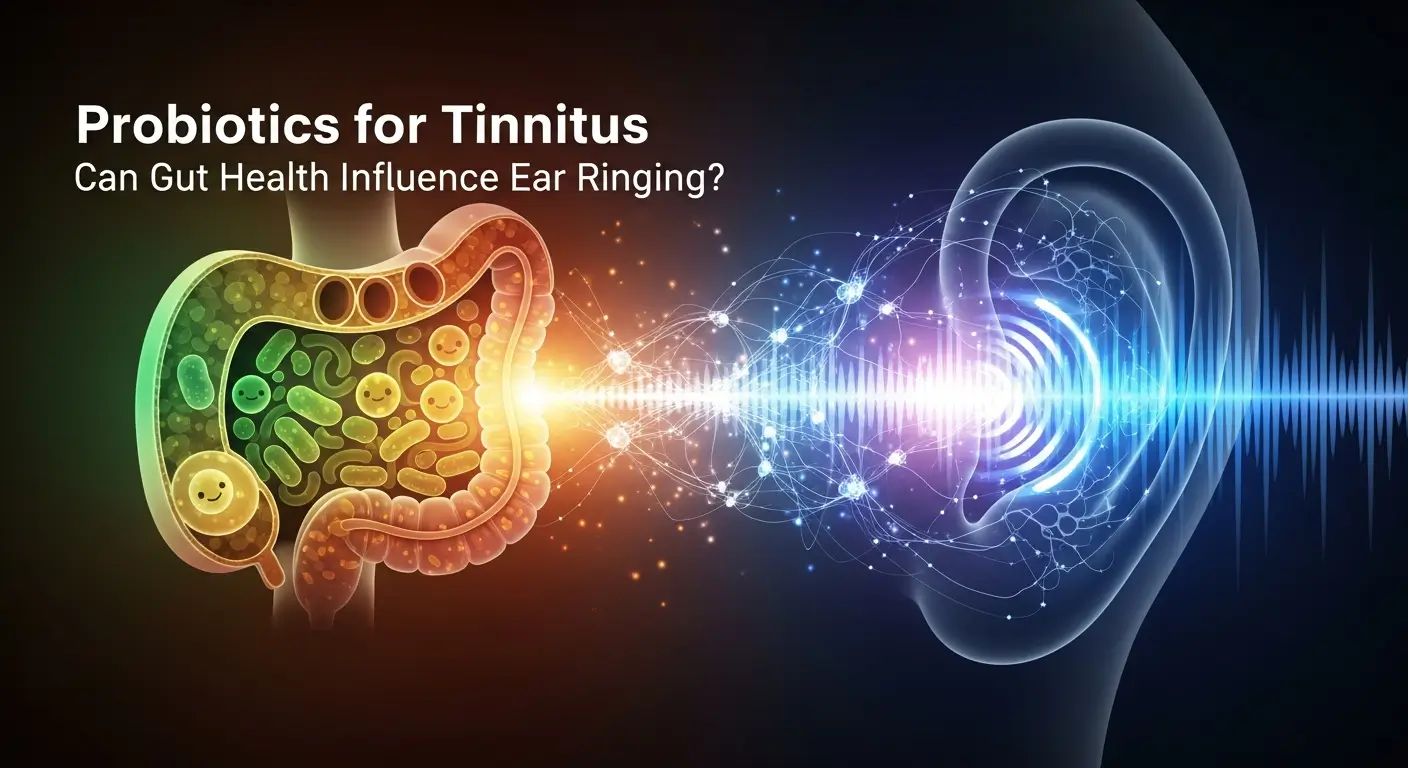
If you’ve been living with the constant ringing, buzzing, or humming of tinnitus, you’ve probably explored dozens of potential remedies. But have you considered that the solution might start in your gut? The connection between probiotics for tinnitus relief is gaining serious attention in both the scientific community and among those desperately seeking relief from persistent ear ringing.
The emerging research on gut brain ear connections is revealing something remarkable: your digestive system might play a more significant role in auditory health than anyone previously imagined. While probiotics won’t magically silence tinnitus overnight, growing evidence suggests they may influence the underlying conditions that contribute to this frustrating symptom.
More people with tinnitus are turning to probiotics as part of their wellness routine, and for good reason. Studies exploring the microbiome and ear health are uncovering fascinating links between intestinal bacteria, inflammation, and neural signaling, all factors that can influence tinnitus severity. This isn’t about chasing miracle cures; it’s about understanding how systemic health impacts auditory perception.
In this article, we’ll explore the science behind probiotics and tinnitus, examine what research currently tells us, and help you determine whether adding probiotics to your routine might support your journey toward probiotics tinnitus relief. We’ll separate fact from fiction, explore practical applications, and provide actionable insights based on current scientific understanding.
Key Takeaway: Probiotics may influence tinnitus indirectly through gut and nervous system health, offering support for underlying conditions rather than directly eliminating ear ringing.
What Are Probiotics?
Before diving into their potential connection with tinnitus, let’s establish what probiotics actually are. Probiotics are live microorganisms, primarily beneficial bacteria and yeasts, that provide health benefits when consumed in adequate amounts. While we often hear about their role in digestive health, their influence extends far beyond the gut.
The Role of Probiotics in Your Body
Think of probiotics as maintenance workers keeping your internal systems balanced. They:
- Support digestive function by helping break down food and absorb nutrients
- Strengthen immune responses by crowding out harmful bacteria
- Produce essential vitamins like B12 and K2
- Maintain the intestinal barrier that prevents toxins from entering your bloodstream
- Communicate with your nervous system through complex biochemical pathways
How Probiotics Interact With the Nervous System
Here’s where it gets interesting for tinnitus sufferers. Your gut contains approximately 100 million neurons, sometimes called your “second brain.” These neurons communicate constantly with your central nervous system through what scientists call the gut-brain axis. Probiotics influence this communication by:
- Producing neurotransmitters like GABA, serotonin, and dopamine
- Regulating inflammatory responses throughout the body
- Affecting stress hormone levels
- Modulating immune system activity
Common Probiotic Strains
Not all probiotics are created equal. Different strains offer different benefits:
| Probiotic Strain | Primary Functions |
|---|---|
| Lactobacillus acidophilus | Digestive support, immune modulation |
| Bifidobacterium longum | Stress reduction, gut-brain signaling |
| Lactobacillus rhamnosus | Inflammation reduction, barrier function |
| Bifidobacterium bifidum | Immune support, vitamin production |
| Lactobacillus plantarum | Anti-inflammatory effects, antioxidant production |
Key Takeaway: Probiotics support more than digestion; they influence systemic health through complex interactions with your immune and nervous systems.

Understanding the Gut Brain Ear Connection
The idea that your gut could influence what you hear might seem far fetched, but research is revealing increasingly sophisticated connections between these seemingly distant systems. Understanding this relationship is crucial to grasping how probiotics for tinnitus might work.
The Gut-Brain Axis and Auditory Health
Your gut microbiome doesn’t just sit passively in your intestines. It actively communicates with your brain through multiple pathways:
- Chemical messengers: Gut bacteria produce neurotransmitters and metabolites that enter your bloodstream
- Immune signals: Bacterial populations influence inflammatory markers throughout your body
- The vagus nerve: This major nerve highway connects your gut directly to your brainstem, including areas involved in auditory processing
Research published in Frontiers in Neuroscience has demonstrated that gut dysbiosis (microbial imbalance) can alter brain chemistry and neural function. When your gut bacteria are out of balance, it can trigger systemic inflammation and neurotransmitter disruptions that may affect auditory perception.
The Vagus Nerve: Your Body’s Information Superhighway
The vagus nerve deserves special attention when discussing the microbiome and ear health. This cranial nerve:
- Connects directly to the cochlea and auditory pathways
- Carries signals from the gut to the brain
- Regulates inflammation responses
- Influences stress and anxiety levels, both common tinnitus triggers
When your gut microbiome is healthy, it sends calming signals through the vagus nerve. When it’s disrupted, inflammatory signals can dominate, potentially affecting auditory processing centers.
Why Tinnitus May Worsen With Systemic Imbalance
Tinnitus isn’t just about your ears; it’s often a symptom of broader physiological imbalances. Consider these factors:
“The perception of tinnitus is modulated by central nervous system activity, inflammation levels, and stress responses, all systems influenced by gut health.” — Current understanding from neuroscience research
When your gut microbiome is compromised, you may experience:
- Increased systemic inflammation that affects neural tissues
- Altered neurotransmitter production impacting auditory signal processing
- Elevated stress hormones that amplify tinnitus perception
- Weakened blood-brain barrier, allowing inflammatory compounds to reach auditory centers
Key Takeaway: Tinnitus may be influenced by processes that start far from the ears, with the gut microbiome playing a supporting role in inflammation, neurotransmitter balance, and stress response.
Can Probiotics Help With Tinnitus Symptoms?
Let’s address the elephant in the room: probiotics are not a magic bullet for tinnitus. They won’t directly “cure” ear ringing or eliminate tinnitus overnight. However, they may help manage certain underlying conditions that contribute to tinnitus severity.
What Probiotics Can Realistically Influence
When considering probiotics for tinnitus, it’s essential to have realistic expectations. Probiotics may support:
Inflammation Reduction: Chronic inflammation is increasingly recognized as a contributor to tinnitus. Probiotics can help reduce inflammatory markers like C-reactive protein, TNF-alpha, and interleukin 6 compounds that may affect auditory tissues and neural pathways.
Neural Regulation By influencing neurotransmitter production and the gut-brain axis, probiotics may help stabilize the neural circuits involved in tinnitus perception. This doesn’t eliminate the sound but may reduce its intensity or your brain’s focus on it.
Stress and Anxiety Management: Since stress often worsens tinnitus, and probiotics have demonstrated anxiety reducing effects in multiple studies, this indirect pathway could provide meaningful relief for some individuals.
Immune System Balance: Autoimmune responses and immune dysregulation have been linked to certain types of tinnitus. Probiotics help modulate immune function, potentially reducing inflammatory attacks on auditory structures.
Why Probiotics Are Not a Direct Tinnitus “Cure”
It’s crucial to understand what probiotics cannot do:
- They cannot repair physical damage to the inner ear
- They won’t reverse noise induced hearing loss
- They can’t eliminate tinnitus caused by structural abnormalities
- They’re not a replacement for medical treatment of underlying conditions
Instead, think of probiotics as one tool in a comprehensive tinnitus management toolkit. They work best when combined with other evidence based approaches like sound therapy, stress management, and addressing any underlying health conditions.
Key Takeaway: Probiotics may support conditions linked to tinnitus, like inflammation, stress, and immune dysfunction, rather than silence ringing directly.
Scientific Evidence on Probiotics and Tinnitus
When exploring probiotics for tinnitus relief, it’s important to examine what the science actually says. While research is promising, we’re still in the early stages of understanding this connection.
Current Research Limitations
Transparency matters: there are no large scale, randomized controlled trials specifically testing probiotics as a tinnitus treatment. The evidence we have comes from:
- Studies on gut-brain axis function
- Research on inflammation and auditory health
- Trials examining probiotics’ effects on anxiety and stress
- Animal studies exploring microbiome impacts on neural function
Studies on Inflammation, Stress, and Neural Signaling
Several relevant research areas provide insight:
Inflammation and Auditory Function Research published in Brain, Behavior, and Immunity has demonstrated that gut microbiota composition influences inflammatory responses throughout the body, including the central nervous system. Inflammatory cytokines have been detected at elevated levels in some tinnitus patients, suggesting a potential mechanistic link.
Probiotics and Neurotransmitter Production Studies in the Nutrients journal have shown that specific probiotic strains can:
- Increase GABA production (a calming neurotransmitter often deficient in tinnitus patients)
- Modulate serotonin pathways (affecting mood and pain perception)
- Reduce cortisol levels (stress hormone that can worsen tinnitus)
Gut-Brain Communication Emerging research indicates that microbiome composition affects:
- Blood-brain barrier integrity
- Neuroplasticity (the brain’s ability to reorganize neural pathways)
- Central auditory processing
- Stress response systems
Why More Human Trials Are Needed
While the theoretical framework is compelling, we need:
- Direct tinnitus outcome studies measuring symptom changes with probiotic interventions
- Larger sample sizes to account for tinnitus heterogeneity
- Longer follow-up periods to assess sustained benefits
- Strain-specific research identifying which probiotics work best
- Subgroup analysis determining who benefits most
Key Takeaway: Evidence is emerging but still indirect; the connection between probiotics and tinnitus is scientifically plausible but not yet definitively proven in clinical trials.
Probiotic Strains That May Support Tinnitus-Related Factors
Not all probiotics offer the same benefits. If you’re exploring probiotics for tinnitus, strain selection matters more than simply choosing the supplement with the highest CFU (colony-forming unit) count.
6.1 Lactobacillus Strains
Lactobacillus species are among the most studied probiotics, with several showing promise for tinnitus related factors:
Lactobacillus rhamnosus
- Benefits: Reduces anxiety and stress responses
- Research highlight: Studies show it can lower cortisol levels and improve stress resilience
- Tinnitus relevance: May help with stress related tinnitus exacerbation
Lactobacillus plantarum
- Benefits: Strong anti-inflammatory effects
- Research highlight: Produces antioxidants that protect against oxidative stress
- Tinnitus relevance: May reduce inflammatory damage to auditory structures
Lactobacillus acidophilus
- Benefits: Supports overall gut barrier function
- Research highlight: Helps prevent “leaky gut” that can trigger systemic inflammation
- Tinnitus relevance: Reduces inflammatory compounds entering circulation
6.2 Bifidobacterium Strains
Bifidobacterium species are particularly effective for gut-brain communication:
Bifidobacterium longum
- Benefits: Excellent for stress and anxiety reduction
- Research highlight: Clinical trials show measurable anxiety improvements
- Tinnitus relevance: Addresses the stress tinnitus feedback loop
Bifidobacterium bifidum
- Benefits: Immune system modulation
- Research highlight: Helps balance inflammatory and anti-inflammatory responses
- Tinnitus relevance: May help in immune mediated tinnitus cases
Bifidobacterium breve
- Benefits: GABA production and neural support
- Research highlight: Improves neurotransmitter balance
- Tinnitus relevance: GABA deficiency is linked to tinnitus in some research
6.3 Multi-Strain Formulas
While individual strains have specific benefits, multi-strain formulas offer advantages:
Why Diversity Matters:
- Different strains colonize different gut regions
- Synergistic effects enhance overall benefits
- Broader impact on various tinnitus-related pathways
- Better adaptation to individual microbiome variations
Effective Combinations: Look for formulas containing:
- At least 5-10 different strains
- Both Lactobacillus and Bifidobacterium species
- Evidence-based strains with clinical research
- Adequate CFU counts (typically 10-50 billion per serving)
Key Takeaway: Strain selection matters more than probiotic count choose formulas with clinically researched strains that target inflammation, stress, and gut-brain communication.
How Probiotics May Reduce Tinnitus Triggers
Think of probiotics working like stabilizing the foundation of a building to reduce noise upstairs. They don’t directly address the “noise” (tinnitus) but may reduce the underlying instability that amplifies it.
Supporting Immune Balance
An overactive or dysregulated immune system can contribute to tinnitus through several mechanisms:
- Autoimmune reactions may target inner ear structures
- Chronic inflammation affects blood flow to auditory tissues
- Inflammatory cytokines alter neural signaling in auditory pathways
Probiotics help by:
- Regulating immune cell activity
- Reducing pro-inflammatory cytokine production
- Strengthening gut barrier function to prevent immune activation
- Promoting anti-inflammatory compound production
Improving Sleep and Stress Response
The tinnitus stress sleep triangle is vicious:
- Tinnitus disrupts sleep
- Poor sleep increases stress
- Stress amplifies tinnitus perception
How probiotics intervene:
| Mechanism | Effect | Tinnitus Benefit |
|---|---|---|
| Serotonin production | Better sleep quality | Reduced nighttime tinnitus awareness |
| Cortisol regulation | Lower stress response | Less stress-related tinnitus spikes |
| GABA enhancement | Improved relaxation | Better coping with tinnitus |
| Vagus nerve signaling | Enhanced calm state | Reduced tinnitus-related anxiety |
Reducing Systemic Inflammation
Systemic inflammation is increasingly recognized as a common thread in many chronic conditions, including tinnitus:
Inflammatory Pathways Probiotics May Address:
- Gut barrier integrity: Preventing lipopolysaccharides (LPS) from entering bloodstream
- Cytokine balance: Shifting from pro-inflammatory to anti-inflammatory profiles
- Oxidative stress: Producing antioxidants that protect cells
- Metabolite production: Creating anti-inflammatory compounds like short-chain fatty acids
“Reducing systemic inflammation doesn’t eliminate tinnitus, but it may lower the volume dial by reducing neural hyperactivity and improving overall nervous system function.”
Key Takeaway: Probiotics may lower tinnitus “triggers” stress, inflammation, immune dysregulation, and sleep disruption rather than eliminate sound perception itself.
Best Natural Sources of Probiotics
While supplements have their place, food based probiotics offer gentle, consistent support with additional nutritional benefits. Incorporating these fermented foods into your diet provides a natural approach to supporting microbiome and ear health.
Fermented Dairy Products
Yogurt
- Choose varieties with “live and active cultures.”
- Look for minimal added sugar (sugar can promote inflammation)
- Greek yogurt typically offers higher protein content
- Serving suggestion: 1 cup daily provides billions of beneficial bacteria
Kefir
- Contains more diverse probiotic strains than yogurt (typically 30+ vs. 2-7)
- Easier to digest for lactose sensitive individuals
- Provides additional B vitamins and calcium
- Serving suggestion: 4-8 ounces daily, plain or in smoothies
Fermented Vegetables
Sauerkraut
- Rich in Lactobacillus species
- Choose unpasteurized, refrigerated versions (heat kills probiotics)
- Provides fiber and vitamin C
- Serving suggestion: 2-3 tablespoons with meals
Kimchi
- Contains multiple probiotic strains
- Offers anti-inflammatory compounds from garlic and ginger
- Provides vitamins A, B, and C
- Serving suggestion: 1-2 tablespoons daily (note: can be spicy)
Pickles
- Must be naturally fermented (not vinegar-pickled)
- Look for “probiotic” or “live cultures” on labels
- Lower calorie option for probiotic intake
- Serving suggestion: 1-2 pickles as a snack
Other Probiotic-Rich Foods
Miso
- Fermented soybean paste is rich in beneficial bacteria
- Contains antioxidants and anti-inflammatory compounds
- Caution: High in sodium; use in moderation
- Serving suggestion: 1 tablespoon in soup or dressing (add after cooking to preserve probiotics)
Kombucha
- Fermented tea containing multiple probiotic strains
- May support detoxification pathways
- Caution: Contains small amounts of alcohol and caffeine
- Serving suggestion: 4-8 ounces, 2-3 times weekly (moderation advised due to sugar content)
Tempeh
- Fermented soybean product with firm texture
- Excellent plant-based protein source
- Contains vitamin B12 (rare in plant foods)
- Serving suggestion: 3-4 ounces as a meat alternative
Tips for Maximizing Food-Based Probiotics
- Don’t heat them: High temperatures kill beneficial bacteria
- Start slowly: A gradual introduction prevents digestive discomfort
- Combine with prebiotics: Fiber-rich foods feed probiotics (onions, garlic, bananas, oats)
- Eat consistently: Regular consumption maintains beneficial bacterial populations
- Choose variety: Different foods provide different probiotic strains
Key Takeaway: Food based probiotics offer gentle, consistent support with additional nutritional benefits incorporate a variety for best results.
Probiotic Supplements: What to Look For
When food sources aren’t sufficient or convenient, supplements can provide concentrated, specific strains. However, the probiotic supplement market is crowded and confusing. Here’s how to choose wisely when seeking probiotics tinnitus relief.
CFU Count vs. Strain Quality
The CFU Myth: Many people assume that higher CFU (colony-forming units) counts automatically mean better results. Not true. What matters more:
- Strain identity: Specific strains have specific benefits
- Survivability: Do bacteria survive stomach acid to reach the intestines?
- Colonization ability: Can they actually take up residence in your gut?
- Research backing: Are these strains clinically studied?
Recommended CFU Ranges:
- General health: 5-10 billion CFU daily
- Specific conditions: 10-50 billion CFU daily
- Therapeutic use: 50-100+ billion CFU daily (under professional guidance)
Shelf Stability and Survivability
Critical questions when evaluating supplements:
Storage Requirements
- Refrigerated formulas: Often more fragile, but may contain sensitive strains
- Shelf-stable options: More convenient; look for delayed-release capsules
- Expiration dates: Potency decreases over time; buy fresh and use promptly
Delivery Technology Look for:
- Enteric coated capsules (protect from stomach acid)
- Delayed release formulations
- MAKTrek or BIO-tract technology
- Spore based strains (naturally acid-resistant)
When Supplements May Be Helpful
Consider probiotic supplements if you:
- Have digestive issues that limit fermented food tolerance
- Need specific, researched strains at therapeutic doses
- Travel frequently and need consistent, portable options
- Are you recovering from antibiotic use
- Have confirmed gut dysbiosis from testing
- Want to complement dietary sources with targeted strains
Quality Markers to Look For
| Quality Indicator | What It Means | Why It Matters |
|---|---|---|
| Third-party testing | Independent verification of contents | Ensures label accuracy |
| Genus, species, strain listed | Specific bacterial identification (e.g., L. rhamnosus GG) | Confirms researched strains |
| CFU guarantee at expiration | Potency is maintained throughout the shelf life | Many degrade significantly |
| Clinical research | Strains used in published studies | Evidence-based selection |
| No unnecessary additives | Minimal fillers, allergens, or excipients | Reduces inflammation triggers |
Red Flags to Avoid
- Vague strain listings (“proprietary blend”)
- Unrealistic health claims (“cures tinnitus”)
- Extremely high CFU counts (500+ billion) without a clear rationale
- Multiple allergens or inflammatory additives
- No expiration date or storage instructions
- Price too good to be true (quality costs)
Key Takeaway: Quality and consistency matter more than high CFU numbers; choose supplements with researched strains, proper delivery systems, and third-party verification.
Who May Benefit Most From Probiotics for Tinnitus
Probiotics for tinnitus aren’t one size fits all. Certain individuals are more likely to experience benefits based on their tinnitus characteristics and overall health profile.
People With Digestive Issues
If you experience tinnitus alongside:
- Irritable bowel syndrome (IBS)
- Inflammatory bowel disease (IBD)
- Chronic bloating or gas
- Food sensitivities
- Frequent antibiotic use
Why you might benefit: Your gut microbiome is likely disrupted, potentially contributing to systemic inflammation and neurotransmitter imbalances. Addressing gut health may reduce inflammatory triggers affecting auditory pathways.
Those With Inflammation-Related Tinnitus
Indicators that inflammation might be contributing to your tinnitus:
- Tinnitus fluctuates with illness or inflammation flares
- You have autoimmune conditions (rheumatoid arthritis, lupus, etc.)
- You experience joint pain, chronic fatigue, or other inflammatory symptoms
- Blood tests show elevated inflammatory markers (CRP, ESR)
- Tinnitus worsens after infection or injury
Why you might benefit: Probiotics’ anti-inflammatory effects may help reduce the inflammatory burden affecting your auditory system.
Individuals Under Chronic Stress
If you notice:
- Tinnitus worsens during stressful periods
- Anxiety or depression accompanies your tinnitus
- Sleep problems exacerbate symptoms
- You feel “wired and tired.”
Why you might benefit: Stress affects gut health, which affects brain function, which affects tinnitus perception. Probiotics with anxiety reducing strains (like B. longum and L. rhamnosus) may help break this cycle.
Additional Profiles That May Benefit
Recent Antibiotic Users
- Antibiotics devastate gut microbiome diversity
- Rebuilding beneficial bacteria may restore balance
- May reduce post-antibiotic tinnitus onset or worsening
Those With Poor Diet Quality
- Low-fiber, high-sugar diets promote harmful bacteria
- Probiotics combined with dietary improvements may help
- May address nutritional deficiencies affecting auditory health
Individuals With Metabolic Issues
- Diabetes, obesity, or metabolic syndrome
- These conditions involve gut dysbiosis and inflammation
- Probiotics may support metabolic health improvements
Key Takeaway: Probiotics may help specific tinnitus profiles more than others, particularly those with digestive issues, inflammation, or stress-related exacerbation.
When Probiotics May Not Help
Setting realistic expectations is essential. Probiotics are unlikely to provide meaningful relief in certain tinnitus scenarios.
Noise-Induced Hearing Damage
If your tinnitus resulted from:
- Concert or explosion exposure
- Prolonged loud noise exposure (machinery, music, gunfire)
- Acoustic trauma
Why probiotics probably won’t help: The damage is structural; hair cells in the cochlea are damaged or destroyed. While probiotics might reduce inflammation around damaged areas, they cannot regenerate lost hair cells or repair physical damage.
Structural Ear Conditions
Probiotics won’t address tinnitus caused by:
- Otosclerosis (abnormal bone growth)
- Meniere’s disease (structural inner ear disorder)
- Acoustic neuroma (benign tumor on the auditory nerve)
- Temporomandibular joint (TMJ) disorders
- Eustachian tube dysfunction
What to do instead: These conditions require medical intervention, medication, surgery, or specialized therapies. Consult an ENT specialist for appropriate treatment.
Short-Term Expectations
If you’re expecting:
- Immediate relief (within days)
- Complete elimination of tinnitus
- Results without addressing other health factors
Why this is unrealistic: Gut microbiome changes take weeks to months. Tinnitus improvement, if it occurs, is typically gradual and partial. Probiotics work best as part of a comprehensive approach.
Other Scenarios Where Benefits Are Unlikely
Medication-Induced Tinnitus: If your tinnitus is a side effect of:
- Certain antibiotics (aminoglycosides)
- High-dose aspirin
- Loop diuretics
- Chemotherapy drugs
Age-Related Hearing Loss (Presbycusis)
- Natural degradation of auditory structures with aging
- While probiotics support healthy aging, they can’t reverse presbycusis
Vascular Issues
- Pulsatile tinnitus from blood vessel abnormalities
- Requires vascular assessment and treatment
Key Takeaway: Not all tinnitus cases are gut related structural damage; medication effects, and vascular issues require different interventions.
How Long Before Noticing Changes?
Patience is crucial when exploring probiotics for tinnitus. The timeline for potential benefits differs significantly from taking aspirin for a headache.
Typical Adaptation Timelines
Week 1-2: Gut Colonization
- Probiotics begin establishing in your digestive tract
- You may experience mild digestive changes (bloating, gas, and changed bowel movements)
- No tinnitus changes expected yet
Week 3-6: Microbiome Shifts
- Beneficial bacteria populations increase
- Inflammatory markers may begin decreasing
- Neurotransmitter production changes may start
- Some people report subtle stress or sleep improvements
Week 8-12: Systemic Effects
- More established microbiome changes
- Reduced inflammation becomes more apparent
- Gut-brain axis communication improves
- This is when tinnitus changes might first be noticed (if they occur)
Month 4-6: Full Benefits
- Maximum microbiome diversity and stability
- Sustained inflammatory reduction
- Optimal neurotransmitter balance
- Tinnitus improvements, if present, become more consistent
Individual Variation
Everyone’s timeline differs based on:
- Initial microbiome state: More disrupted = longer recovery
- Probiotic dose and strain: Higher quality = potentially faster results
- Dietary factors: Poor diet undermines probiotic benefits
- Stress levels: High stress slows microbiome recovery
- Overall health: Multiple health issues extend timelines
Importance of Consistency
Why daily use matters:
- Probiotics don’t permanently colonize your gut
- You’re renting space for beneficial bacteria, not buying real estate
- Missing days disrupts population stability
- Benefits accumulate with consistent use
Best practices:
- Take probiotics at the same time daily
- Don’t stop and start frequently
- Give at least 2-3 months before assessing effectiveness
- Keep a symptom journal to track subtle changes
- Combine with dietary improvements for the best results
Why Patience Matters
“Gut health improvements take weeks, not days. Tinnitus changes, if they occur through probiotic use, will follow a similar gradual timeline.”
Expecting rapid results sets you up for disappointment. Instead:
- Focus on overall health improvements first
- Notice changes in digestion, sleep, or stress levels
- View tinnitus improvements as a potential bonus, not the sole measure of success
- Remember that the absence of immediate results doesn’t mean probiotics aren’t working
Key Takeaway: Gut health improvements take weeks to months, not days. Give probiotics at least 8-12 weeks of consistent use before evaluating tinnitus effects.
Safety and Side Effects
While generally safe, probiotics aren’t completely risk-free. Understanding potential side effects helps you use them appropriately.
Common Mild Effects
Most people tolerate probiotics well, but temporary digestive changes are normal:
During the first 1-2 Weeks:
- Bloating: As gut bacteria populations shift
- Gas: Increased bacterial fermentation
- Changed bowel movements: May be more frequent or different consistency
- Mild cramping: Temporary digestive adjustment
These typically resolve as your system adapts.
Who Should Consult a Healthcare Professional
Speak with your doctor before taking probiotics if you:
- Have a compromised immune system (HIV/AIDS, chemotherapy, immunosuppressant drugs)
- Are seriously ill or hospitalized
- Have central venous catheters
- Recently had surgery
- Have severe acute pancreatitis
- Are you pregnant or breastfeeding (generally safe, but worth discussing)
Rare But Serious Concerns
In very rare cases, probiotics can cause:
- Infection: In severely immunocompromised individuals
- Harmful metabolite production: In people with certain metabolic conditions
- Excessive immune stimulation: In those with autoimmune conditions (though usually probiotics help)
Starting Slowly to Reduce Discomfort
Best approach for beginners:
- Start with lower doses: Begin with 5-10 billion CFU
- Increase gradually: Double the dose every 5-7 days if tolerated
- Take with food: Reduces digestive upset
- Choose one product: Don’t start multiple supplements simultaneously
- Monitor reactions: Keep notes on any changes
When to Stop or Adjust
Discontinue probiotics if you experience:
- Severe or persistent digestive distress
- Allergic reactions (rash, itching, swelling)
- Unexplained fever
- Worsening of pre-existing conditions
Adjustments to try first:
- Lower the dose
- Switch to a different strain formula
- Try taking it at different times of day
- Focus on food-based probiotics instead
Interactions With Medications
Antibiotics
- Take probiotics at least 2 hours apart from antibiotics
- Continue probiotics for 2-4 weeks after the antibiotic course ends
Immunosuppressants
- Discuss with your doctor; probiotics may interact with these medications
Generally Safe With:
- Most blood pressure medications
- Cholesterol medications
- Diabetes medications
- Common pain relievers
Key Takeaway: Probiotics are generally safe but not suitable for everyone; start slowly, monitor your response, and consult healthcare providers if you have serious health conditions.
Final Thoughts: Probiotics for Tinnitus
As we’ve explored throughout this article, probiotics for tinnitus represent a promising but nuanced approach to managing this challenging condition.
What Probiotics Can and Cannot Do
Probiotics CAN:
- Support gut health and microbiome diversity
- Reduce systemic inflammation
- Improve stress and anxiety responses
- Enhance neurotransmitter balance
- Strengthen immune function
- Support overall nervous system health
Probiotics CANNOT:
- Directly cure or eliminate tinnitus
- Repair structural damage to the ear
- Work overnight or provide instant relief
- Replace medical treatment for underlying conditions
- Help everyone with tinnitus equally
Role in a Holistic Tinnitus Management Plan
Think of probiotics as one instrument in an orchestra, valuable, but most effective when working in harmony with other approaches:
Comprehensive Tinnitus Management Includes:
- Medical Assessment
- Rule out treatable underlying causes
- Address any hearing loss
- Manage related health conditions
- Lifestyle Modifications
- Stress reduction techniques
- Regular exercise
- Adequate sleep
- Limiting alcohol and caffeine
- Dietary Improvements
- Anti-inflammatory foods
- Reduced sugar and processed foods
- Adequate hydration
- Probiotics and prebiotics
- Sound Therapy
- White noise or nature sounds
- Hearing aids, if appropriate
- Specialized tinnitus retraining therapy
- Mental Health Support
- Cognitive behavioral therapy (CBT)
- Mindfulness and meditation
- Support groups
- Professional counseling is needed
Importance of Diet and Lifestyle Integration
Probiotics work best when supported by:
- Fruits and vegetables
- Omega-3 fatty acids (fish, flax, walnuts)
- Whole grains
- Lean proteins
Prebiotic Foods (feed your probiotics)
- Onions and garlic
- Bananas
- Oats and barley
- Asparagus and artichokes
Lifestyle Habits
- Regular physical activity (reduces inflammation, supports gut health)
- Stress management (protects microbiome)
- Adequate sleep (allows gut repair)
- Limiting antibiotics to when truly necessary
Moving Forward With Realistic Expectations
If you decide to try probiotics for tinnitus, approach it with:
Informed Optimism
- Understand the science and limitations
- Give it adequate time (3-6 months)
- Track changes in a journal
- Celebrate overall health improvements, not just tinnitus changes
Personalized Approach
- Choose strains based on your specific profile
- Consider food sources first, supplements second
- Adjust based on your response
- Work with healthcare providers when needed
Patience and Consistency
- Remember that microbiome changes are gradual
- Maintain daily probiotic intake
- Support probiotics with diet and lifestyle
- Don’t give up too quickly
Final Words of Encouragement
Living with tinnitus can be incredibly frustrating, and it’s natural to search for solutions. While probiotics aren’t a miracle cure, they represent a safe, evidence-based approach to supporting the underlying health factors that may influence your tinnitus experience.
The emerging understanding of microbiome and ear health connections offers hope that addressing gut health might provide some relief, even if indirect. Whether through fermented foods, quality supplements, or both, supporting your microbiome is worthwhile for overall health regardless of tinnitus outcomes.
Remember: tinnitus management is a journey, not a destination. Be patient with yourself, celebrate small improvements, and keep exploring what works for your unique situation. Probiotics for tinnitus relief may be part of your solution, particularly if inflammation, stress, or gut health issues are contributing factors.
Key Takeaway: Probiotics may support tinnitus management as part of a broader strategy that includes medical care, lifestyle modifications, stress management, and dietary improvements. They work best when expectations are realistic, and use is consistent over time.
FAQ
Can probiotics help with tinnitus?
Probiotics may help tinnitus indirectly by reducing systemic inflammation, supporting gut-brain axis communication, and improving stress responses. While not a direct cure, probiotics can address underlying factors that contribute to tinnitus severity in some individuals.
What probiotic strains are best for tinnitus?
Lactobacillus rhamnosus, Lactobacillus plantarum, Bifidobacterium longum, and Bifidobacterium bifidum show promise for tinnitus-related factors like inflammation reduction, stress management, and gut-brain communication. Multi-strain formulas offer the most comprehensive support.
How long before probiotics help tinnitus symptoms?
Probiotics typically require 8-12 weeks of consistent use before potential tinnitus improvements may be noticed. Gut microbiome changes take time, and benefits accumulate gradually rather than appearing immediately.
What is the connection between gut health and tinnitus?
The gut brain ear connection involves the vagus nerve, inflammatory pathways, and neurotransmitter production. Gut dysbiosis can trigger systemic inflammation and neural signaling changes that may affect auditory perception and tinnitus severity.
Are probiotics safe for tinnitus sufferers?
Probiotics are generally safe for most people with tinnitus. Common mild side effects include temporary bloating or gas. Those with compromised immune systems or serious health conditions should consult healthcare providers before starting probiotics.