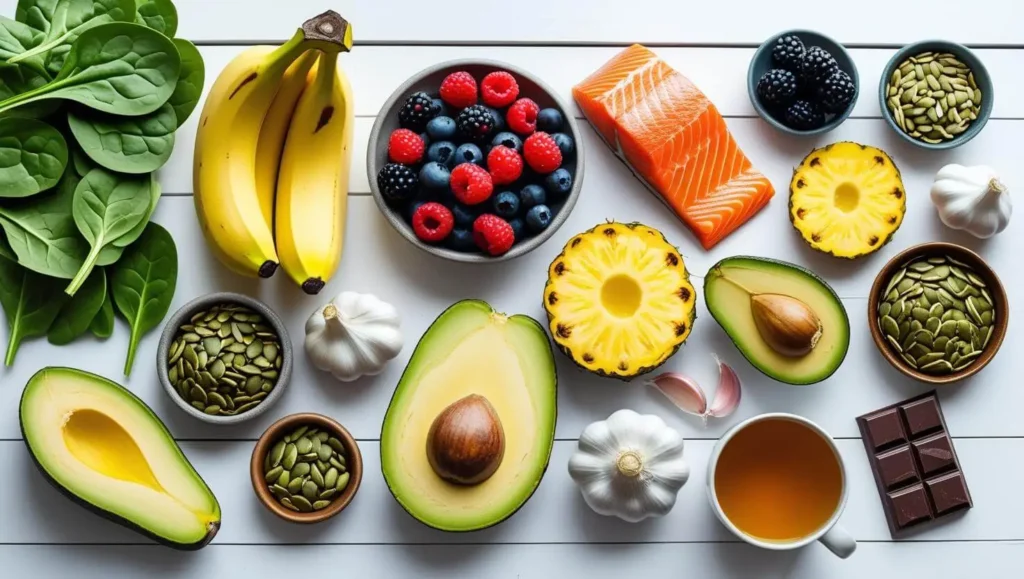
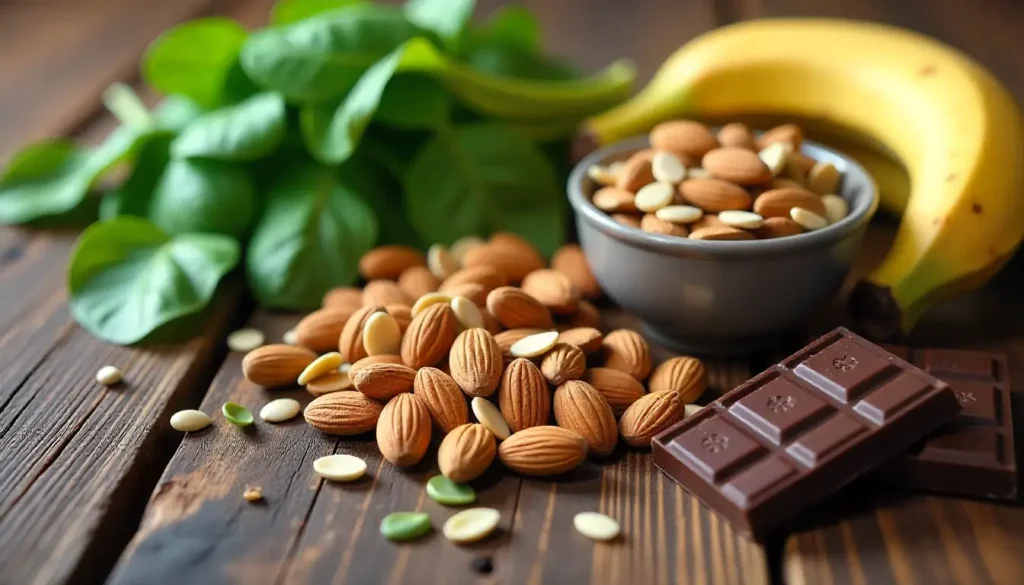
Table of Contents
Introduction
If you’ve been living with the persistent ringing, buzzing, or humming of tinnitus, you know how exhausting it can be to search for relief. While there’s no magic cure, emerging research suggests that what you eat particularly how you manage blood sugar may play a significant role in symptom severity. A low carb diet for tinnitus has gained attention among both health practitioners and sufferers as a potential strategy for managing this challenging condition.
The connection between diet and ear health isn’t as far-fetched as it might seem. Your inner ear relies on stable blood flow, proper nerve function, and minimal inflammation to work optimally. When blood sugar levels swing wildly throughout the day, these delicate systems can become disrupted, potentially intensifying tinnitus symptoms. Many individuals report that their diet cured my tinnitus or at least made it significantly more manageable though results vary widely from person to person.
This comprehensive guide explores how adopting a low carb diet for tinnitus relief might help stabilize your symptoms. We’ll examine the science behind blood sugar’s impact on ear health, identify which foods support or sabotage your efforts, and provide practical meal plans to get you started. Whether you’re new to dietary management or looking to refine your ear diet for tinnitus, this article will equip you with evidence-based strategies and realistic expectations.
What Is a Low Carb Diet?
A low carb diet fundamentally means reducing your intake of carbohydrates particularly refined sugars, white flour products, and starchy foods while increasing consumption of proteins, healthy fats, and fiber-rich vegetables. Unlike extreme restrictions, most sustainable low carb approaches focus on choosing quality carbohydrates in moderate amounts rather than eliminating them entirely.
Common Low Carb Approaches
There are several ways to implement carbohydrate reduction:
- Moderate Low Carb: Typically 50-100 grams of carbs daily, focusing on whole food sources
- Keto-Style: Very low carb (under 50 grams daily), pushing the body into ketosis
- Balanced Low Carb: Eliminating refined carbs while keeping nutrient-dense options like sweet potatoes and quinoa
Think of blood sugar stabilization like smoothing out electrical noise in a sound system. When you consume refined carbs and sugars, your blood glucose spikes rapidly, then crashes creating “static” in your body’s systems. A low carb diet for tinnitus aims to create steady, consistent energy levels, reducing that metabolic turbulence that may aggravate your symptoms.
How Blood Sugar Affects Tinnitus
The relationship between blood sugar fluctuations and tinnitus involves several interconnected mechanisms that affect your inner ear’s delicate environment.
Blood Sugar Spikes and Inflammation
When you eat high-carb meals, particularly those rich in refined sugars, your blood glucose levels surge. This triggers inflammatory responses throughout your body, including in the microscopic structures of your inner ear. Chronic inflammation can damage the hair cells responsible for transmitting sound signals to your brain, potentially worsening tinnitus perception. Research from the National Institute on Deafness and Other Communication Disorders confirms that inflammation plays a role in various forms of auditory dysfunction.
Insulin Resistance and Nerve Sensitivity
Repeated blood sugar spikes lead to insulin resistance over time. This metabolic dysfunction affects nerve function throughout your body, including the auditory nerve. Research suggests that insulin resistance may increase nerve excitability, making tinnitus signals more prominent and harder to ignore. The American Diabetes Association provides extensive information on how insulin resistance affects various body systems, including neurological function.
Circulation Changes in the Inner Ear
Your inner ear requires consistent, healthy blood flow to function properly. Blood sugar instability can impair circulation, reducing oxygen and nutrient delivery to the cochlea. This vascular compromise may amplify existing tinnitus or create new symptoms.
Why Carb Fluctuations May Worsen Ringing
The constant roller coaster of blood sugar highs and lows creates metabolic stress. Each spike and crash cycle potentially triggers a cascade of events:
- Sudden glucose elevation → inflammatory response
- Insulin surge → temporary improved circulation followed by constriction
- Blood sugar crash → reduced oxygen to inner ear
- Repeat cycle → cumulative damage and symptom amplification
Can a Low Carb Diet Improve Tinnitus?
The honest answer: it depends on the individual, but there’s promising evidence supporting dietary intervention for some tinnitus sufferers.
What Current Research Suggests
While large scale clinical trials specifically examining low carb diets for tinnitus remain limited, related research offers encouraging insights:
- Studies on metabolic syndrome show that blood sugar stabilization reduces inflammatory markers associated with auditory dysfunction
- Research on diabetic patients published in journals like Diabetes Care indicates that better glucose control correlates with reduced tinnitus severity
- Small observational studies report subjective improvement in tinnitus symptoms among individuals who adopted carbohydrate-restricted diets
Indirect Benefits
Even if a low carb approach doesn’t eliminate your tinnitus entirely, it may provide several supportive benefits:
- Reduced systemic inflammation: Less inflammatory signaling means potentially calmer nerve responses
- Improved circulation: Stable blood sugar supports better vascular health and blood flow to the inner ear
- Weight management: Excess weight often correlates with worse tinnitus; low carb diets typically promote healthy weight loss
- Enhanced energy levels: Fewer blood sugar crashes mean more stable energy and potentially better stress management
Who May Benefit Most
You might see particularly good results from a low carb diet for tinnitus if you:
- Have metabolic syndrome, prediabetes, or type 2 diabetes
- Notice your tinnitus worsens after high-sugar meals
- Experience concurrent symptoms like brain fog or energy crashes
- Carry excess weight, especially around the midsection
- Have inflammatory conditions alongside your tinnitus
Realistic Expectations
It’s crucial to approach this strategy with clear-eyed expectations. While some people claim “diet cured my tinnitus,” complete elimination of symptoms is rare. Most individuals who benefit experience:
- Reduced symptom intensity rather than complete silence
- Fewer “spike” days with extremely loud ringing
- Better ability to cope with existing symptoms
- Improvement over weeks or months, not overnight changes
Foods to Eat on a Low Carb Diet for Tinnitus
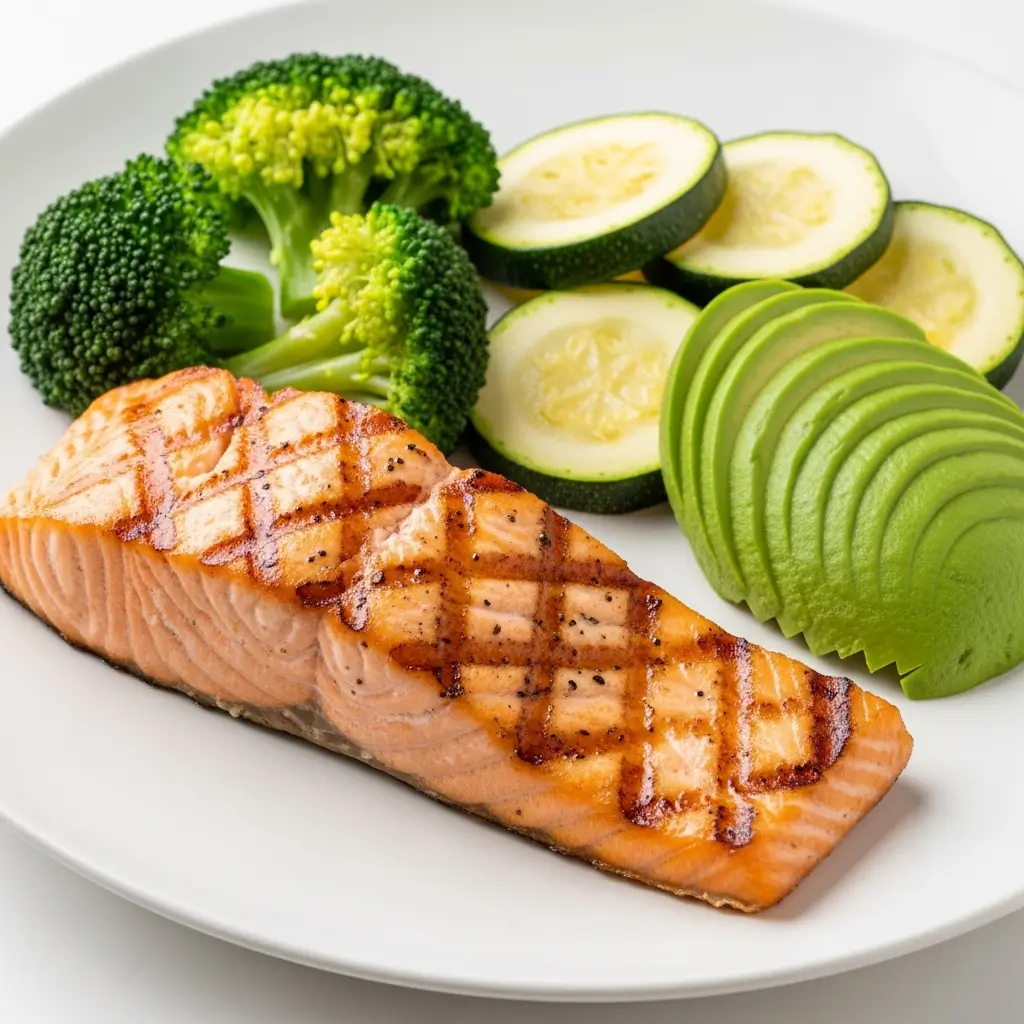
Building an effective ear diet for tinnitus means focusing on nutrient-dense, anti-inflammatory foods that stabilize blood sugar while supporting auditory health.
Lean Proteins
| Protein Source | Benefits for Tinnitus |
|---|---|
| Wild-caught fish (salmon, sardines) | High in omega-3s; reduces inflammation |
| Pastured eggs | Rich in B vitamins; supports nerve health |
| Organic poultry | Lean protein without blood sugar spikes |
| Grass-fed beef | Provides zinc and B12 for ear health |
Healthy Fats
- Olive oil: Anti-inflammatory properties support vascular health
- Avocados: Rich in potassium, which helps regulate fluid balance in the inner ear
- Nuts and seeds: Especially almonds, walnuts, and pumpkin seeds for magnesium
- Coconut oil: Medium chain triglycerides for stable energy
Low-Carb Vegetables
Focus on non-starchy vegetables that provide fiber, vitamins, and minerals without spiking blood sugar:
- Leafy greens (spinach, kale, arugula)
- Cruciferous vegetables (broccoli, cauliflower, Brussels sprouts)
- Zucchini and summer squash
- Bell peppers
- Asparagus
- Mushrooms
Magnesium and Omega-3 Rich Foods
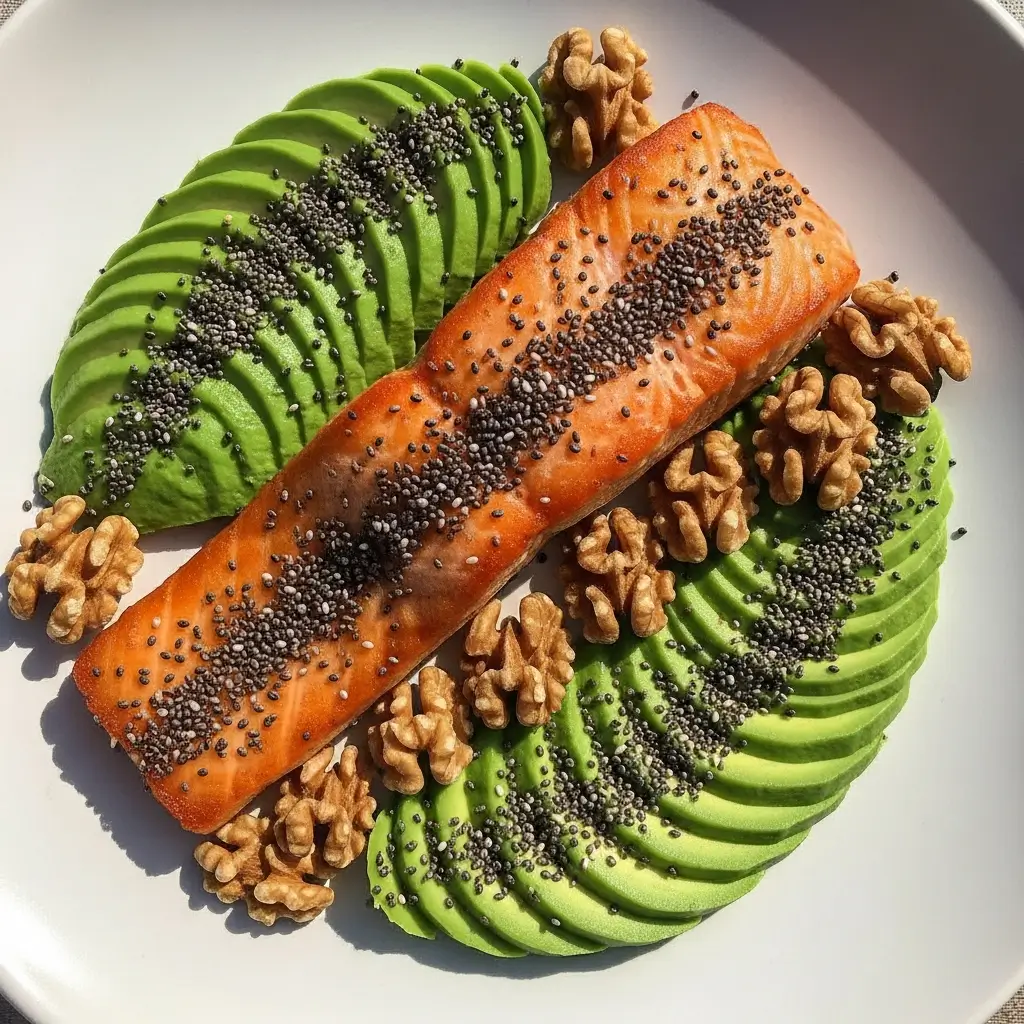
These nutrients deserve special attention for tinnitus management. According to the American Tinnitus Association, magnesium deficiency has been linked to increased tinnitus severity in some individuals, while omega-3 fatty acids support auditory health through their anti-inflammatory properties.
High-Magnesium Choices:
- Pumpkin seeds
- Dark chocolate (85%+ cacao)
- Almonds
- Spinach
Omega-3 Powerhouses:
- Fatty fish (salmon, mackerel, sardines)
- Flaxseeds
- Chia seeds
- Walnuts
“After three months on a low carb diet emphasizing omega-3 rich fish and leafy greens, my tinnitus went from a constant 7/10 to a manageable 3/10 most days.” — Sarah M., dietary intervention success story
Foods to Limit or Avoid
Eliminating or drastically reducing these foods forms the foundation of a low carb diet for tinnitus:
Refined Sugars and Sweets
- Candy, cookies, and cakes
- Ice cream and frozen desserts
- Sweetened yogurts
- Chocolate bars (except dark chocolate 85%+)
White Bread, Pasta, and Pastries
These refined grain products cause rapid blood sugar spikes and provide minimal nutritional value. Replace with:
- Cauliflower rice instead of white rice
- Zucchini noodles instead of pasta
- Lettuce wraps instead of bread
Sugary Drinks and Fruit Juices
Even “natural” fruit juices contain concentrated sugars without the fiber that would slow absorption. Avoid:
- Sodas and sweetened beverages
- Fruit juices and smoothies with added sugars
- Energy drinks
- Sweet tea and flavored coffee drinks
Highly Processed Foods and Hidden Carbs
Read labels carefully. Many seemingly low-carb foods contain hidden sugars:
- Commercial salad dressings
- Tomato sauces and ketchup
- Protein bars and “healthy” snacks
- Low-fat products (often compensate with added sugar)
Sample Low Carb Meal Plan for Tinnitus Support

Here’s a practical seven day framework to get started with your ear diet for tinnitus:
Breakfast Options
Day 1-2: Vegetable omelet with spinach, mushrooms, and feta cheese; side of avocado
Day 3-4: Greek yogurt (full-fat, unsweetened) with crushed walnuts and berries
Day 5-6: Smoked salmon with cream cheese on cucumber slices
Day 7: Chia seed pudding made with unsweetened almond milk and cinnamon
Lunch Ideas
- Mediterranean-style: Grilled chicken salad with olive oil dressing, mixed greens, olives, and feta
- Asian-inspired: Stir-fried vegetables with shrimp and coconut aminos over cauliflower rice
- Classic comfort: Turkey and cheese roll-ups with bell pepper strips and guacamole
- Soup option: Homemade bone broth with vegetables and leftover protein
Dinner Examples
Monday: Baked salmon with roasted Brussels sprouts and garlic butter
Tuesday: Grass-fed beef stir-fry with broccoli, bell peppers, and ginger
Wednesday: Herb-roasted chicken thighs with cauliflower mash and green beans
Thursday: Zucchini noodles with turkey meatballs and sugar-free marinara
Friday: Pan-seared sea bass with sautéed spinach and cherry tomatoes
Saturday: Pork chops with roasted asparagus and mushrooms
Sunday: Slow-cooked lamb with cauliflower “couscous” and roasted eggplant
Snack Choices
- Hard-boiled eggs
- Celery sticks with almond butter
- Cheese cubes with cherry tomatoes
- Mixed nuts (portion-controlled)
- Pumpkin seeds
- Dark chocolate square (85%+ cacao)
Hydration Tips
Proper hydration supports inner ear fluid balance and overall circulation:
- Aim for 8-10 glasses of water daily
- Herbal teas (caffeine-free) count toward hydration
- Add lemon or cucumber for natural flavor
- Limit caffeine, which can worsen tinnitus for some individuals
- Avoid excessive sodium, which can affect fluid retention
Low Carb Diet vs Other Tinnitus Diet Approaches
Understanding how different dietary strategies compare helps you make informed decisions about the best approach for your situation.
Low Carb vs Anti-Inflammatory Diet
Similarities:
- Both emphasize whole foods and healthy fats
- Both limit refined sugars and processed foods
- Both support reduced inflammation
Differences:
- Anti-inflammatory diets may include more whole grains and legumes
- Low-carb is stricter about total carbohydrate intake
- Anti-inflammatory approaches focus more on specific inflammatory triggers (like nightshades)
Bottom Line: These approaches overlap significantly and can be combined effectively.
Low Carb vs Low Sodium Diet
Similarities:
- Both may improve inner ear fluid balance
- Both support cardiovascular health
- Both require mindful food selection
Differences:
- Low sodium specifically targets fluid retention (especially relevant for Ménière’s disease)
- Low carb focuses on blood sugar stabilization
- Salt restriction is not inherently part of low-carb eating
Bottom Line: Many tinnitus sufferers benefit from combining moderate carb restriction with mindful sodium intake.
How Diets Can Be Combined for Better Results
The most effective ear diet for tinnitus often incorporates elements from multiple approaches:
- Foundation: Low carb framework for blood sugar stability
- Layer in: Anti-inflammatory foods and omega-3s
- Monitor: Individual sodium sensitivity
- Add: Specific nutrients (magnesium, B vitamins, zinc)
- Eliminate: Personal trigger foods (often caffeine, alcohol, or specific additives)
Safety Considerations and Who Should Be Cautious
While a low carb diet for tinnitus offers potential benefits, it’s not appropriate for everyone without proper guidance.
Possible Side Effects of Low Carb Diets
When transitioning to low carb eating, some people experience:
- “Keto flu”: Temporary fatigue, headaches, irritability (usually resolves within a week)
- Digestive changes: Constipation if fiber intake isn’t adequate
- Electrolyte imbalances: Especially sodium, potassium, and magnesium
- Initial increases in tinnitus: Sometimes temporary as the body adapts
Who Should Consult a Healthcare Professional
Seek medical guidance before starting if you have:
- Type 1 diabetes or take insulin
- Kidney disease or compromised kidney function
- History of eating disorders
- Pregnancy or breastfeeding status
- Current medications that affect blood sugar
- Pre-existing heart conditions
Importance of Nutrient Balance
Even on a low carb diet, you need adequate:
- Fiber: From vegetables, nuts, and seeds to support digestion
- Micronutrients: Particularly B vitamins, magnesium, and zinc
- Protein: Sufficient amounts to maintain muscle mass
- Healthy fats: For hormone production and vitamin absorption
Consider working with a registered dietitian who understands both low carb approaches and tinnitus management to ensure nutritional adequacy. The Academy of Nutrition and Dietetics can help you find qualified professionals in your area.
Lifestyle Habits That Enhance Dietary Results
Diet alone rarely provides maximum benefit. These complementary strategies amplify your low-carb diet for tinnitus efforts:
Stress Management
Chronic stress elevates cortisol, which can worsen both blood sugar control and tinnitus perception. Incorporate:
- Daily meditation or breathing exercises (even 5-10 minutes)
- Regular yoga or tai chi practice
- Progressive muscle relaxation
- Time in nature
- Hobbies that promote flow states
Sleep Quality
Poor sleep amplifies tinnitus and disrupts metabolic health. The Sleep Foundation emphasizes the connection between quality rest and overall health outcomes, including sensory perception. Optimize your sleep by:
- Maintaining consistent sleep/wake times
- Creating a dark, cool sleeping environment
- Using white noise or nature sounds to mask tinnitus
- Avoiding screens 1-2 hours before bed
- Limiting late-day caffeine intake
Exercise and Circulation
Physical activity improves blood flow to the inner ear and supports blood sugar regulation. The Mayo Clinic recommends regular exercise as part of comprehensive health management:
- Cardiovascular exercise: Walking, swimming, or cycling 30 minutes most days
- Strength training: 2-3 times weekly to improve insulin sensitivity
- Neck and jaw exercises: May help if tinnitus relates to tension
- Avoid: Extremely loud gyms or headphone use at high volumes
Avoiding Caffeine and Alcohol Triggers
Both substances can affect tinnitus, though individual responses vary:
Caffeine considerations:
- May constrict blood vessels, reducing inner ear circulation
- Can increase anxiety, making tinnitus more noticeable
- Test your tolerance by eliminating for 2-3 weeks
Alcohol factors:
- Temporarily dilates blood vessels but leads to dehydration
- Disrupts sleep quality
- May interfere with blood sugar stability
- Some people report worsened symptoms the day after drinking
Conclusion
A low carb diet for tinnitus represents a promising, evidence-informed approach to managing this challenging condition. By stabilizing blood sugar, reducing inflammation, and improving circulation to the inner ear, carbohydrate restriction may help decrease symptom intensity and frequency for many sufferers.
Remember that dietary intervention works best as part of a comprehensive approach, including stress management, sleep optimization, and appropriate medical care. While some people experience dramatic improvements, even claiming their “diet cured my tinnitus,” most see gradual, modest benefits that significantly improve quality of life over time.
The key to success lies in individualization. Your response to a low carb ear diet for tinnitus depends on your unique physiology, the underlying causes of your symptoms, and your overall health status. Track your symptoms carefully, noting which foods and eating patterns correlate with better or worse days. Be patient with the process, giving your body adequate time to adapt and heal.
If you’re ready to explore dietary management of your tinnitus, start with small, sustainable changes. Replace refined carbs with nutrient-dense alternatives, increase your intake of anti-inflammatory foods, and monitor your response. Consider working with healthcare professionals who understand both nutrition and auditory health to optimize your approach.
Your tinnitus journey is personal, and while diet may not provide a complete cure, it offers a powerful tool for symptom management that puts control back in your handson e meal at a time.
FAQ
Can cutting carbs stop tinnitus completely?
Complete elimination of tinnitus through dietary changes alone is uncommon but not impossible. Most people who benefit from a low carb diet for tinnitus experience reduced symptom intensity, fewer severe episodes, and improved quality of life rather than total silence.
How long before diet changes affect tinnitus?
Timeline varies considerably among individuals. Some notice subtle improvements within 1-2 weeks as blood sugar stabilizes, while others require 2-3 months of consistent eating before experiencing significant changes.
Is keto better than low carb for tinnitus?
Not necessarily. While very low carb ketogenic diets provide powerful blood sugar control, they’re also more restrictive and harder to maintain long-term. Many people achieve excellent results with moderate low carb approaches (50-100g daily) that are more sustainable.
Can low carb diets worsen tinnitus in some people?
Yes, particularly during the initial adaptation phase. Some individuals experience temporary symptom increases due to electrolyte shifts, dehydration, or metabolic adjustment.