
Table of Contents
When Ringing in Your Ears Isn’t Just in Your Head
If your ears suddenly start ringing or feel clogged, earwax buildup might be the surprising reason. That persistent buzzing, humming, or high-pitched ringing you’re experiencing could have a simpler explanation than you think.
Tinnitus, the perception of sound when no external noise is present, affects millions of people worldwide. According to the National Institute on Deafness and Other Communication Disorders (NIDCD), surveys estimate that 10 to 25% of adults experience tinnitus. While many associate it with aging or noise exposure, earwax buildup tinnitus is one of the most common yet overlooked causes. The good news? When earwax is the culprit, the solution is often straightforward and highly effective.
In this comprehensive guide, you’ll discover the fascinating connection between earwax accumulation and those frustrating phantom sounds. We’ll explore why earwax matters, how blockages trigger earwax buildup tinnitus symptoms, safe removal methods you can try at home, and when professional intervention becomes necessary. Whether you’re currently experiencing symptoms or want to prevent them, understanding this relationship can help you take control of your ear health.
Understanding Earwax and Its Purpose
Before we dive into the problems earwax can cause, let’s appreciate what it does for us. Earwax, scientifically known as cerumen, is a naturally occurring substance produced by specialized glands lining your ear canal. Despite its somewhat unpleasant reputation, this waxy secretion serves several crucial protective functions.
The Protective Roles of Earwax
| Function | How It Works |
|---|---|
| Debris Trapping | Catches dust, dirt, and foreign particles before they reach the eardrum |
| Antibacterial Defense | Contains antimicrobial properties that prevent infections |
| Moisturization | Maintains optimal moisture levels to prevent dry, itchy ear canals |
| Self-Cleaning | Naturally migrates outward, carrying trapped particles with it |
Your ears are remarkably self-sufficient organs. Under normal circumstances, earwax gradually moves from the inner ear canal toward the outer ear, where it dries up and falls out or gets washed away during bathing. This natural conveyor belt system keeps your ears clean without any intervention needed.
A small amount of earwax is not just normal, it’s healthy and necessary. Problems arise only when earwax accumulates faster than it can be naturally expelled, hardens into an impacted mass, or gets pushed deeper into the canal through well-intentioned but misguided cleaning attempts.
How Earwax Buildup Can Cause Tinnitus
The connection between excessive cerumen and tinnitus involves several interconnected mechanisms. Understanding these processes helps explain why clearing the blockage often provides immediate relief from earwax buildup tinnitus.
The Blockage Effect
When earwax accumulates and forms a plug, it creates a physical barrier that interferes with normal sound transmission. Sound waves that would typically travel smoothly through your ear canal to the eardrum now encounter an obstacle. This blockage doesn’t just muffle external sounds; it fundamentally changes how your auditory system processes information, leading to earwax buildup tinnitus symptoms.
Pressure and Vibration
An impacted earwax plug can press against the eardrum or the walls of the ear canal, creating abnormal pressure. This pressure can trigger vibrations that your brain interprets as sound, even though no external noise exists. These vibrations manifest as the ringing, buzzing, or humming characteristic of tinnitus.
The Auditory Compensation Response
Here’s where it gets particularly interesting. Your auditory system constantly adjusts its sensitivity in response to environmental input. When earwax buildup reduces the volume of external sounds reaching your inner ear, your brain essentially “turns up the gain” to compensate for the perceived hearing loss. This amplification doesn’t just boost external sounds; it also increases your awareness of internal auditory signals, making tinnitus more noticeable.
Key Insight: Research suggests that when the brain receives less auditory input from the outside world, it becomes more attentive to internal neural activity, which can manifest as tinnitus sounds.
The encouraging news is that earwax buildup tinnitus is often completely reversible. Once the blockage is removed and normal sound transmission resumes, the brain typically readjusts its sensitivity levels, and tinnitus symptoms diminish or disappear entirely, sometimes within hours or days.
Signs and Symptoms of Earwax Buildup-Related Tinnitus
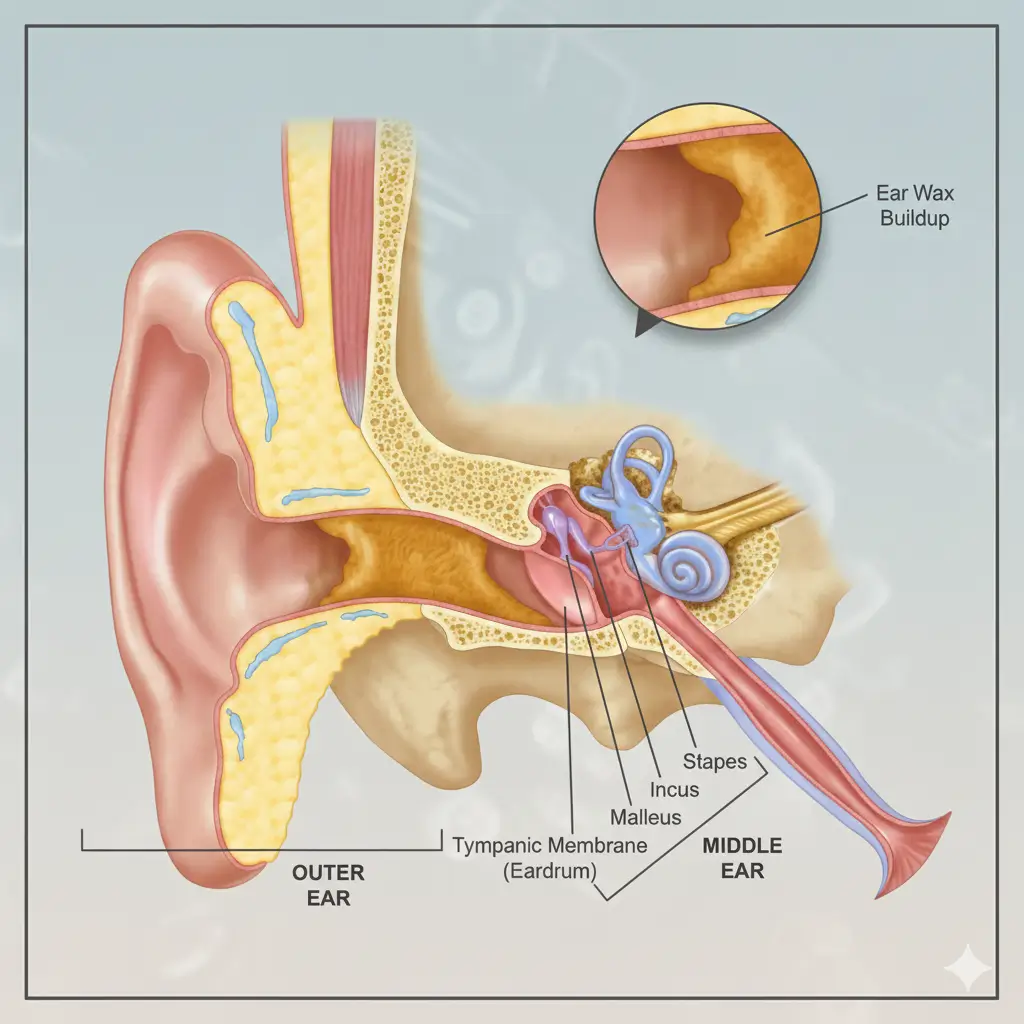
Recognizing the symptoms of cerumen-related hearing issues helps you identify earwax buildup tinnitus early and seek appropriate treatment. While symptoms can vary in intensity, certain patterns strongly suggest earwax as the underlying cause.
Common Symptoms Include:
- Partial hearing loss or muffled sound quality – External sounds seem distant or unclear, as if you’re hearing through cotton
- Fullness or pressure sensation – A feeling of congestion or blockage in the ear canal
- Ringing, buzzing, or hissing noises – The hallmark tinnitus symptoms, ranging from barely noticeable to significantly disruptive
- Ear discomfort or pain – In severe cases, pressure from impacted wax can cause aching
- Dizziness or imbalance – Particularly when the blockage affects the deeper portions of the ear canal
- Itchiness or discharge – May indicate accompanying irritation or secondary infection
Important distinguishing feature: Tinnitus caused by earwax accumulation typically affects only one ear, especially in the early stages. The Mayo Clinic notes that symptoms like earache, feeling of fullness, and ringing in the ear are common signs of earwax blockage. If you notice these symptoms predominantly on one side, excess cerumen becomes an even more likely culprit. Some people also experience brief random ringing episodes, which may signal early earwax buildup.
The symptoms often develop gradually as wax accumulates over days or weeks, though sudden onset can occur if water exposure causes existing wax to swell and completely block the canal.
Common Causes of Excessive Earwax Buildup
Understanding why some people experience more cerumen accumulation than others helps with both treatment and prevention strategies for earwax buildup tinnitus. Multiple factors can contribute to problematic earwax levels.
Primary Contributing Factors:
- Overproduction of earwax – Some individuals naturally produce more cerumen due to genetic factors or hormonal influences. Cleveland Clinic reports that older adults often experience increased production as earwax becomes drier and less mobile.
- Cotton swab misuse – Perhaps the most common cause of impaction. Inserting cotton swabs, bobby pins, or similar objects pushes wax deeper into the canal rather than removing it, creating a compressed plug against the eardrum.
- Regular use of in-ear devices – Hearing aids, earbuds, and earplugs can interfere with the natural outward migration of earwax, trapping it inside the canal and promoting accumulation.
- Anatomical variations – Narrow, curved, or unusually shaped ear canals make it more difficult for wax to exit naturally, increasing impaction risk.
- Skin conditions affecting the ear canal – Eczema, psoriasis, or dermatitis can alter the consistency of earwax and increase production, making blockages more likely.
- Excessive hair in the ear canal – More common in older adults, dense ear hair can trap wax and prevent its natural movement outward.
Safe Ways to Remove Earwax Buildup at Home
For mild to moderate earwax buildup tinnitus, several home remedies can effectively soften and remove the blockage. However, safety must be your top priority; improper techniques can worsen the problem or damage delicate ear structures.
Recommended Home Treatment Methods:
Over-the-counter Ear Drops
- Look for hydrogen peroxide-based or carbamide peroxide solutions
- Olive oil or mineral oil drops are gentler alternatives
- Apply according to package directions, typically 2-3 drops twice daily for 3-5 days
- Allow time for the solution to soften hardened wax before attempting removal
Warm Water Irrigation
- Use a rubber bulb syringe filled with body-temperature water (never cold or hot)
- Tilt your head to the side and gently squeeze water into the ear canal
- Allow water to drain out, bringing softened wax with it
- Repeat as needed, but stop if you experience pain or dizziness
Commercial Earwax Softeners
- Products like Debrox or Murine contain carbamide peroxide
- Follow instructions carefully for best results
- Most effective when used before irrigation
Critical Safety Warnings:
AVOID These Dangerous Practices:
- Cotton swabs or Q-tips inside the ear canal
- Sharp objects like bobby pins or paperclips
- Ear candles (ineffective and potentially dangerous)
- Excessive force or pressure during irrigation
- Very cold or very hot liquids
Important: If your tinnitus worsens, you experience severe pain, notice bleeding, or feel increased dizziness during home treatment, stop immediately and consult a healthcare professional. These symptoms may indicate eardrum perforation, infection, or other complications requiring medical attention. Remember, treating earwax buildup tinnitus requires patience and gentle care.
When to See a Doctor or Audiologist
While home treatments work well for many cases of earwax buildup tinnitus, certain situations require professional evaluation and care. Recognizing when to seek expert help prevents complications and ensures proper treatment.
Seek Professional Care When:
- Symptoms don’t improve after 3-5 days of home treatment
- You experience severe or worsening ear pain
- Drainage, bleeding, or foul odor develops from the ear
- Dizziness becomes severe or persistent
- Tinnitus continues or intensifies despite earwax removal attempts
- You have a history of eardrum perforation or ear surgery
- You suspect you might have pushed wax deeper into the canal
Professional Removal Options:
Microsuction. This increasingly popular method uses a small vacuum device to gently suction out earwax under microscopic visualization. It’s quick, comfortable, and highly effective even for hardened impactions. Many patients experience immediate relief from earwax buildup tinnitus symptoms following the procedure.
Manual Removal (Curette) An ENT specialist uses specialized instruments to carefully extract earwax under direct visualization. This method works well for particularly stubborn or deeply impacted wax.
Irrigation by Healthcare Professionals. Medical professionals use specialized irrigation systems with controlled pressure and temperature, making the process safer and more effective than home attempts.
Beyond removing the immediate blockage, healthcare providers can examine your ears for other potential causes of tinnitus, including infections, eardrum abnormalities, or more serious auditory system issues. This comprehensive evaluation ensures you receive appropriate treatment for your specific situation.
Preventing Earwax Buildup (and Tinnitus) Naturally

Prevention is always preferable to treatment. By adopting simple ear hygiene practices, you can minimize your risk of experiencing problematic cerumen accumulation and associated tinnitus.
Effective Prevention Strategies:
Practice Hands-Off Ear Care
- Resist the urge to insert anything into your ear canal
- Remember: ears are self-cleaning organs that function best with minimal intervention
- The old adage holds true: don’t put anything smaller than your elbow in your ear
Clean Only the Outer Ear
- Use a damp washcloth to gently clean the outer ear and entrance to the canal
- Dry the outer ear after showering to prevent excess moisture
- This approach removes visible wax without disrupting the natural cleaning process
Maintain Optimal Ear Health
- Stay well hydrated. Proper hydration keeps earwax at the right consistency
- Use preventive earwax softener drops monthly if you’re prone to buildup
- Consider periodic professional ear checks, especially if you use hearing aids
- Explore ways to improve hearing naturally through lifestyle habits
Optimize Hearing Aid and Earbud Use
- Remove hearing aids or earbuds regularly to allow natural wax migration
- Clean devices according to manufacturer recommendations
- Schedule regular professional ear cleanings if you’re a frequent user
Address Underlying Conditions
- Manage skin conditions like eczema that may affect ear canal health
- Discuss earwax concerns with your doctor if you notice changes in production
These preventive measures significantly reduce your risk of developing the blockages that lead to earwax buildup tinnitus, and other uncomfortable symptoms.
Other Possible Causes of Tinnitus (If Not Earwax)
If you’ve addressed earwax concerns but tinnitus persists, other factors may be at play. Understanding alternative causes helps you and your healthcare provider identify the appropriate treatment path.
Common Tinnitus Triggers Beyond Earwax:
Noise Exposure
- Concerts, loud workplaces, or recreational activities (shooting, motorcycling) can damage delicate inner ear structures
- Even a single extremely loud event can trigger lasting tinnitus
- Cumulative exposure over time gradually damages hearing
Age-Related Hearing Loss (Presbycusis)
- Natural deterioration of inner ear structures typically begins in middle age
- Often accompanied by gradual tinnitus development
- Affects high-frequency hearing first
- Learn more about the connection between tinnitus and hearing loss
Ear Infections and Sinus Issues
- Acute or chronic middle ear infections alter pressure and fluid dynamics
- Sinus congestion can affect Eustachian tube function, creating tinnitus symptoms
- Discover more about tinnitus caused by ear infections
Stress and Mental Health Factors
- Anxiety, depression, and chronic stress can amplify tinnitus perception
- Sleep deprivation makes symptoms more noticeable and bothersome
- Stress management often reduces tinnitus severity (learn more about how stress affects tinnitus)
Medication Side Effects
- Certain antibiotics (aminoglycosides, erythromycin)
- High-dose aspirin or NSAIDs
- Some diuretics and chemotherapy drugs
- Tinnitus usually resolves when medication is discontinued
- Nutritional support, like vitamin B12 or magnesium may help support ear health
Other Medical Conditions
- Meniere’s disease (inner ear fluid imbalance)
- Temporomandibular joint (TMJ) disorders
- Cardiovascular conditions affecting blood flow
- Tumors on the auditory nerve (rare but serious)
Important Note: If tinnitus continues after thorough earwax removal, schedule a comprehensive hearing evaluation with an audiologist. The American Tinnitus Association notes that blockages in the ear canal can cause pressure buildup affecting the eardrum’s operation, and removal of the blockage often alleviates tinnitus symptoms. Testing can identify the underlying cause and guide appropriate treatment, which might include hearing aids, sound therapy, tinnitus retraining therapy, or medical interventions, depending on the diagnosis. You may also explore natural remedies for tinnitus relief or try simple tinnitus relief exercises that can complement professional treatment.
Conclusion: Clearing the Way for Quiet Ears
The link between earwax buildup tinnitus represents one of the most treatable forms of this common and often frustrating condition. Unlike tinnitus caused by permanent hearing damage or other complex medical issues, symptoms stemming from cerumen accumulation are frequently reversible with proper care.
If you’re experiencing the characteristic ringing, buzzing, or humming sounds of tinnitus alongside feelings of ear fullness or muffled hearing, earwax blockage deserves serious consideration as a potential cause. The gentle home removal methods outlined in this guide offer safe, effective first steps toward relief for many people.
Remember these key takeaways:
- Earwax serves important protective functions. Problems arise only with excessive buildup
- Blockages interfere with sound transmission and can trigger tinnitus through multiple mechanisms
- Safe home treatments work well for mild to moderate cases
- Professional help ensures safe, effective removal of stubborn impactions
- Prevention through proper ear hygiene reduces future problems
For comprehensive information about tinnitus, visit the National Institute on Deafness and Other Communication Disorders (NIDCD) or the American Tinnitus Association for additional resources and support
Sometimes, relief from tinnitus truly is as simple as clearing the blockage. Whether you choose to start with home remedies or seek professional evaluation, taking action represents an important step toward reclaiming the comfort of quiet ears. Don’t let earwax buildup diminish your quality of life. With the right approach, those phantom sounds may soon become a distant memory.