Table of Contents
If you’ve ever experienced the persistent hum, buzz, or ringing of tinnitus, you know how desperately you search for relief, and that search often leads straight to your kitchen. More people with tinnitus are discovering that what they eat matters just as much as what they hear. Among the foods generating buzz in tinnitus communities, oatmeal stands out as a breakfast staple worth examining closely.
The connection between oatmeal and tinnitus isn’t just folklore; it’s rooted in how certain nutrients influence blood sugar stability, inflammation, and nerve health. But before you rush to stock your pantry with oats, you need to understand the nuances: when oatmeal helps, when it might worsen symptoms, and how to prepare it for maximum benefit.
This article will clarify the relationship between oatmeal and tinnitus, exploring the nutritional science, practical tips, and personalized strategies to help you decide if that morning bowl deserves a permanent spot in your tinnitus management plan.
What Is Tinnitus? (Brief Overview)
Tinnitus is the perception of sound ringing, buzzing, hissing, or humming when no external sound exists. According to the National Institute on Deafness and Other Communication Disorders, it affects roughly 15-20% of adults and can range from a minor annoyance to a debilitating condition that disrupts sleep, concentration, and quality of life.
Common triggers include:
- Exposure to loud noise
- Ear infections or blockages
- Certain medications
- Underlying health conditions
- Blood sugar fluctuations
- Inflammatory responses
Think of tinnitus like background static on a radio. The quality of “fuel” you put into your body through diet can either amplify that static or help quiet it down. Blood sugar spikes, nutrient deficiencies, and inflammation act like interference, making the ringing more noticeable. Stable, nutrient-rich foods may help reduce that interference.
Nutritional Profile of Oatmeal
Oatmeal earns its superfood status through an impressive nutritional lineup that directly impacts factors linked to tinnitus:
| Nutrient | Amount (per 1 cup cooked) | Relevance to Tinnitus |
|---|---|---|
| Fiber (Beta-Glucan) | 4g | Stabilizes blood sugar, reduces inflammation |
| Magnesium | 61mg (15% DV) | Improves blood flow to the auditory system |
| Zinc | 2.3mg (21% DV) | Essential for inner ear health |
| Iron | 2.1mg (12% DV) | Improves blood flow to auditory system |
| B-Vitamins | Various | Supports nervous system health |
| Complex Carbs | 27g | Provides sustained energy without spikes |
Complex carbohydrates in oatmeal digest slowly, releasing glucose gradually into your bloodstream rather than causing the rapid spikes associated with refined grains. This steady release matters tremendously for tinnitus sufferers sensitive to blood sugar fluctuations.
The beta-glucan fiber in oats is particularly valuable because it forms a gel-like substance in your digestive tract that slows sugar absorption and reduces inflammatory markers throughout your body, including the delicate structures of your inner ear.
Can Oatmeal Affect Tinnitus Symptoms?
The relationship between oatmeal and tinnitus centers on several mechanisms:
Blood Sugar Stability
Research indicates that blood sugar fluctuations can intensify tinnitus symptoms. When glucose levels spike and crash, your body releases stress hormones like cortisol and adrenaline, which can heighten nervous system sensitivity, including the nerves in your auditory pathway. Oatmeal’s slow-digesting carbohydrates help maintain steady glucose levels, potentially reducing this trigger.
Magnesium’s Role in Nerve Signaling
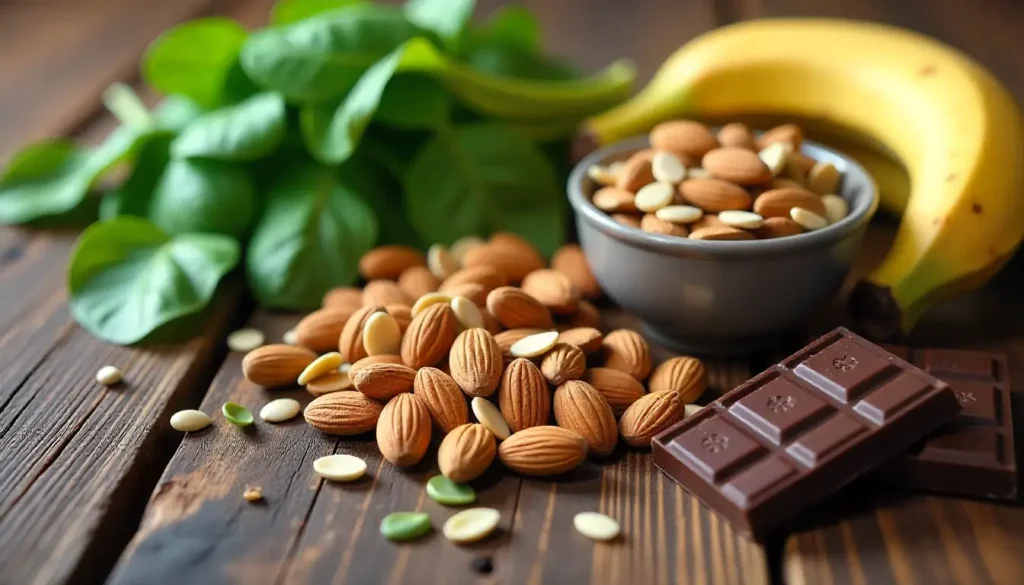
Magnesium acts as a natural “calming agent” for your nervous system. Studies from the American Journal of Otolaryngology suggest magnesium deficiency correlates with increased tinnitus severity, particularly noise-induced tinnitus. While oatmeal isn’t the richest magnesium source, it contributes meaningfully to daily intake, especially when combined with magnesium-rich toppings like almonds or pumpkin seeds.
Inflammation and Inner Ear Health
Chronic inflammation damages the delicate hair cells in your inner ear responsible for sound transmission. The anti-inflammatory properties of oat beta-glucan, combined with antioxidants naturally present in whole grain oats, may support inner ear health and reduce inflammatory responses that exacerbate ringing.
What Current Research Suggests
Direct studies on oatmeal and tinnitus remain limited. However, indirect evidence strongly supports the connection:
- A 2018 study in Nutrients found that anti-inflammatory diets reduced tinnitus intensity in participants
- Research on blood sugar management from the American Diabetes Association shows improved neurological symptoms, including auditory issues
- Nutritional studies from Harvard T.H. Chan School of Public Health consistently link magnesium and zinc intake to better ear health outcomes
When Oatmeal May Help Tinnitus
Oatmeal shows the most promise for specific tinnitus profiles:
1. Blood Sugar-Sensitive Individuals If your tinnitus worsens after sugary breakfasts or improves with stable eating patterns, oatmeal’s glycemic benefits could be transformative. Many tinnitus sufferers report that replacing quick-digesting cereals with steel-cut oats reduces symptom intensity within days.
2. Stress-Related Tinnitus The B-vitamins in oatmeal support neurotransmitter production and stress hormone regulation. For people whose tinnitus flares during stressful periods, starting the day with nutrient-dense oatmeal may help buffer stress responses.
3. Inflammation-Linked Symptoms If your tinnitus coincides with other inflammatory conditions (arthritis, autoimmune issues, chronic pain), incorporating oatmeal into an overall anti-inflammatory eating pattern may offer cumulative benefits. The beta-glucan fiber actively reduces inflammatory markers like C-reactive protein, as documented by the Mayo Clinic’s nutrition research.
4. Nutrient Deficiency Cases People deficient in magnesium, zinc, or B vitamins may experience tinnitus as one manifestation of inadequate nutrition. Regular oatmeal consumption helps close these nutritional gaps progressively.
When Oatmeal Might Make Tinnitus Worse

Not all oatmeal is created equal, and certain preparations or individual factors may backfire:
Highly Sweetened or Flavored Varieties Instant oatmeal packets loaded with sugar, artificial flavors, and preservatives defeat the purpose entirely. These products cause the same blood sugar spikes that destabilize your nervous system and may trigger tinnitus flare-ups. Check labels, some flavored oatmeals contain 12-15g of added sugar per serving.
Large Portions Causing Glucose Spikes. Even healthy oatmeal can overwhelm your system in excessive amounts. A massive bowl (2+ cups cooked) delivers more carbohydrates than many people can process smoothly, potentially creating the glucose roller coaster you’re trying to avoid.
Gluten Sensitivity or Oat Intolerance. While oats are naturally gluten-free, they’re often contaminated with wheat during processing. People with celiac disease or gluten sensitivity may experience inflammatory responses that worsen tinnitus. The Celiac Disease Foundation recommends purchasing certified gluten-free oats if you have sensitivities. Additionally, a small percentage of people react to avenin, the protein in oats, similarly to how they react to gluten.
Individual Variability: Bodies respond uniquely to foods. Some people simply don’t tolerate carbohydrate-heavy breakfasts well, even from healthy sources. If oatmeal consistently leaves you feeling foggy, fatigued, or experiencing louder ringing, it may not be your optimal choice, regardless of its general benefits.
Best Ways to Eat Oatmeal for Tinnitus Support
Maximize oatmeal’s benefits with these preparation strategies:
Choose Steel-Cut or Rolled Oats
- Steel-cut oats: Least processed, lowest glycemic index, most filling
- Rolled oats: A good middle ground between convenience and nutrition
- Avoid: Instant oats with added sugars and flavoring agents
Add Protein and Healthy Fats. Balance your bowl to slow digestion even further and prevent blood sugar spikes:
- 1-2 tablespoons nut butter (almond, walnut)
- 1/4 cup nuts or seeds
- Greek yogurt on top
- A soft-boiled egg on the side
This combination transforms oatmeal from a carb-dominant meal to a balanced breakfast that supports sustained energy and stable blood sugar.
Avoid Added Sugars: Skip the brown sugar, honey, maple syrup, and sweetened dried fruit. Instead, rely on:
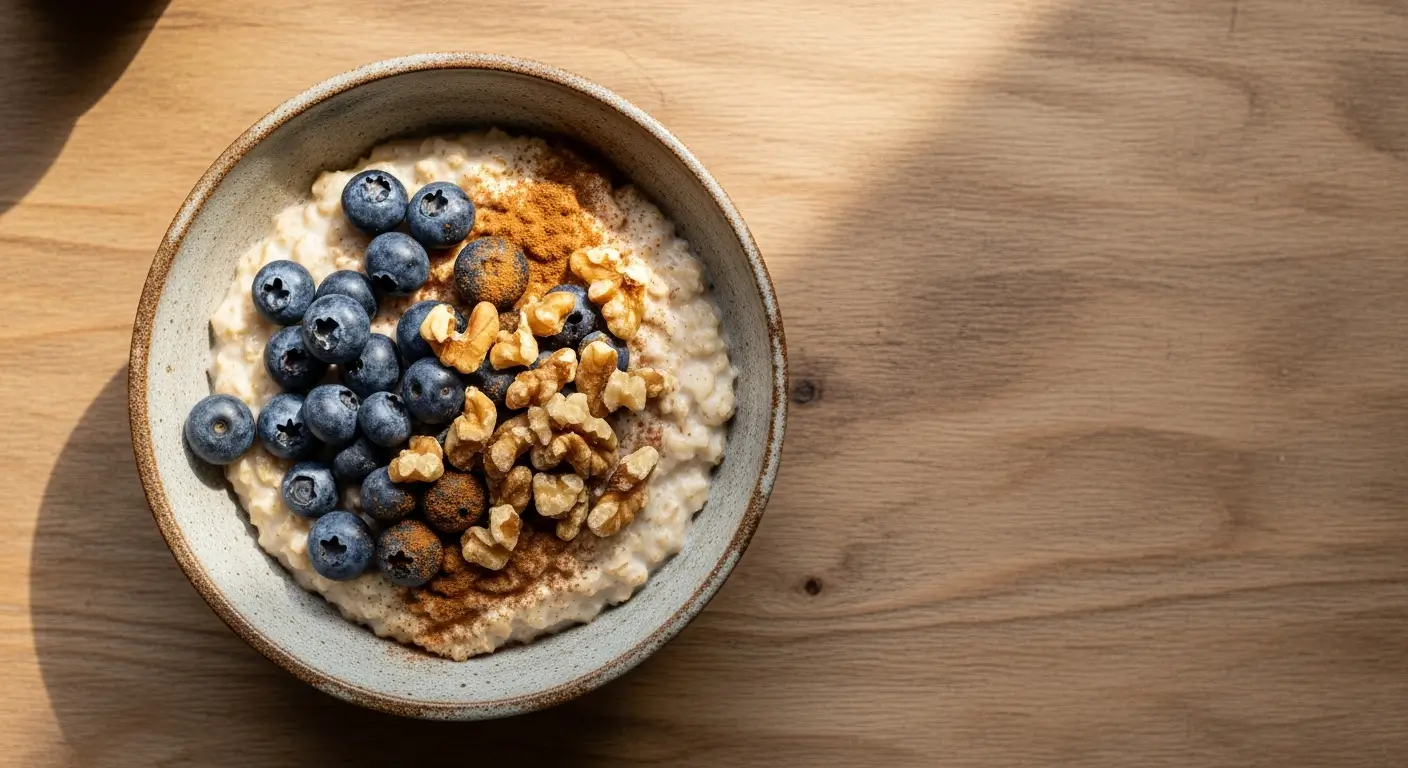
- Fresh berries for natural sweetness
- Cinnamon for flavor and blood sugar control
- Vanilla extract
- A small amount of unsweetened applesauce
Portion Control Tips
- Start with 1/2 cup dry oats (makes about 1 cup cooked)
- Use a smaller bowl to avoid unconscious overeating
- Eat mindfully and assess how you feel 1-2 hours later
- Track symptoms to identify your personal sweet spot
Oatmeal Add-Ins That Support Ear Health
Transform your basic oatmeal into a tinnitus-fighting powerhouse with strategic toppings:
Nuts and Seeds (Omega-3s)
Best choices:
- Walnuts: Highest plant-based omega-3 content
- Pumpkin seeds: Excellent zinc source
- Chia seeds: Omega-3s plus additional fiber
- Flaxseeds: Anti-inflammatory lignans
These additions combat inflammation, support nerve cell membranes, and provide minerals critical for auditory function.
Berries (Antioxidants)
Top picks:
- Blueberries: Anthocyanins protect delicate ear structures
- Strawberries: Vitamin C supports connective tissue in the ear
- Blackberries: High in antioxidants and low glycemic impact
Berries add natural sweetness without spiking blood sugar while delivering compounds that neutralize free radicals, damaging inner ear cells.
Cinnamon (Blood Sugar Control)
Research from PubMed Central shows that 1/2 teaspoon of cinnamon can improve insulin sensitivity and glucose metabolism. It’s one of the most effective natural blood sugar regulators you can add to oatmeal, and it tastes great.
What to Avoid
- Brown sugar, honey, or maple syrup in large amounts
- Sweetened dried fruit (raisins, cranberries with added sugar)
- Chocolate chips or candy pieces
- Sweetened plant milks with 10+ grams of sugar
Oatmeal vs Other Breakfast Options for Tinnitus
How does oatmeal stack up against alternatives?
Oatmeal vs Sugary Cereals: This isn’t even close. Sugary cereals cause rapid glucose spikes followed by crashes that can intensify tinnitus. They lack the fiber, minerals, and complex carbohydrates that make oatmeal beneficial. If you currently eat sweetened cereal and experience tinnitus, switching to properly prepared oatmeal could be one of the most impactful changes you make.
Oatmeal vs Eggs and Protein-Based Breakfasts Eggs with vegetables offer superior protein, healthy fats, and virtually no carbohydrates, making them excellent for people who function better on low-carb diets. For tinnitus specifically:
| Factor | Oatmeal | Eggs & Protein |
|---|---|---|
| Blood sugar stability | Good (with proper prep) | Excellent |
| Magnesium content | Moderate | Low |
| Fiber | High | None |
| Satiety | Good | Excellent |
| Inflammation | Anti-inflammatory | Neutral to anti-inflammatory |
The verdict: Neither is universally superior. Some people with tinnitus thrive on carbohydrate moderate breakfasts, including oatmeal; others do better with high-protein, low-carb options. The key is personalizing based on your body’s response.
How to Personalize Your Breakfast
- Track symptoms: Keep a food and symptom journal for two weeks
- Test systematically: Try oatmeal for 5 days, then eggs for 5 days
- Note patterns: Does your tinnitus volume change? What about clarity of thought, energy, and mood?
- Consider hybrid approaches: Alternate between oatmeal and protein breakfasts based on your schedule and stress levels
Conclusion
The connection between oatmeal and tinnitus reveals a broader truth: managing ear ringing requires attention to the whole body, and nutrition plays a powerful role. While oatmeal isn’t a miracle cure, its combination of stable blood sugar support, anti-inflammatory fiber, and ear-healthy minerals makes it a valuable tool for many people seeking symptom relief.
The key takeaways:
- Preparation and portion size determine whether oatmeal helps or harms
- Steel-cut or rolled oats with protein and healthy fats offer the best benefits
- Individual response varies. Track your symptoms to discover your personal patterns
- Oatmeal works best as part of a comprehensive anti-inflammatory approach to tinnitus management
Start with a simple experiment: Try properly prepared oatmeal for breakfast five days in a row, keeping notes on your tinnitus intensity, energy levels, and overall well-being. Pay attention to what your body tells you; it’s the most accurate guide to whether oatmeal deserves a regular place in your tinnitus management strategy.
Remember that tinnitus is complex and multifactorial. While optimizing your diet matters tremendously, also consider stress management, noise exposure, sleep quality, and medical guidance from hearing healthcare professionals. Your morning bowl of oatmeal might just be one piece of the puzzle that helps quiet the noise.
FAQ
Is oatmeal good for tinnitus?
Oatmeal can be beneficial for tinnitus when prepared properly using steel-cut or rolled oats without added sugars, combined with protein and healthy fats. It supports stable blood sugar, provides ear-healthy minerals like magnesium and zinc, and has anti-inflammatory properties. However, sweetened instant varieties or oversized portions may worsen symptoms.
Can oatmeal reduce ringing in the ears?
While oatmeal won’t cure tinnitus, it may help reduce symptom intensity for people whose ringing is triggered by blood sugar fluctuations, inflammation, or nutrient deficiencies. The effect is typically subtle and works best as part of an overall anti-inflammatory, nutrient-dense diet rather than as a standalone solution.
Should people with tinnitus avoid carbs?
Not necessarily. Quality matters more than quantity. Complex carbohydrates from whole grains like oats, quinoa, and brown rice support steady energy and provide essential nutrients. The carbs to minimize are refined sugars and processed grains that cause blood sugar instability.
Is oatmeal better than bread for tinnitus?
Generally yes, especially compared to white bread or sweetened breads. Oatmeal has a lower glycemic index, more fiber, and higher mineral content than most bread products. Whole grain sourdough bread can be comparable to oatmeal nutritionally, but portion control is easier with measured oatmeal servings.