Table of Contents
Have you ever heard a rhythmic whooshing sound in your ear that seems to beat in time with your heart? You’re not imagining it—and you’re not alone. Pulsatile tinnitus affects thousands of people worldwide, and understanding what it means can help you determine whether it’s a minor annoyance or something that requires medical attention.
Unlike regular tinnitus, which creates constant ringing or buzzing sounds, pulsatile tinnitus follows the rhythm of your pulse. It often sounds like hearing your heartbeat inside your ear, a persistent reminder of your body’s internal workings that can range from mildly distracting to deeply concerning. If you’re curious about whether your tinnitus symptoms might indicate hearing loss, understanding the type of tinnitus you’re experiencing is an important first step.
The good news? Most cases of pulsatile tinnitus have identifiable causes, and many are treatable once properly diagnosed. In this comprehensive guide, we’ll explore what pulsatile tinnitus really is, what causes it, when you should worry, and what treatment options are available to help you find relief.
What Is Pulsatile Tinnitus?
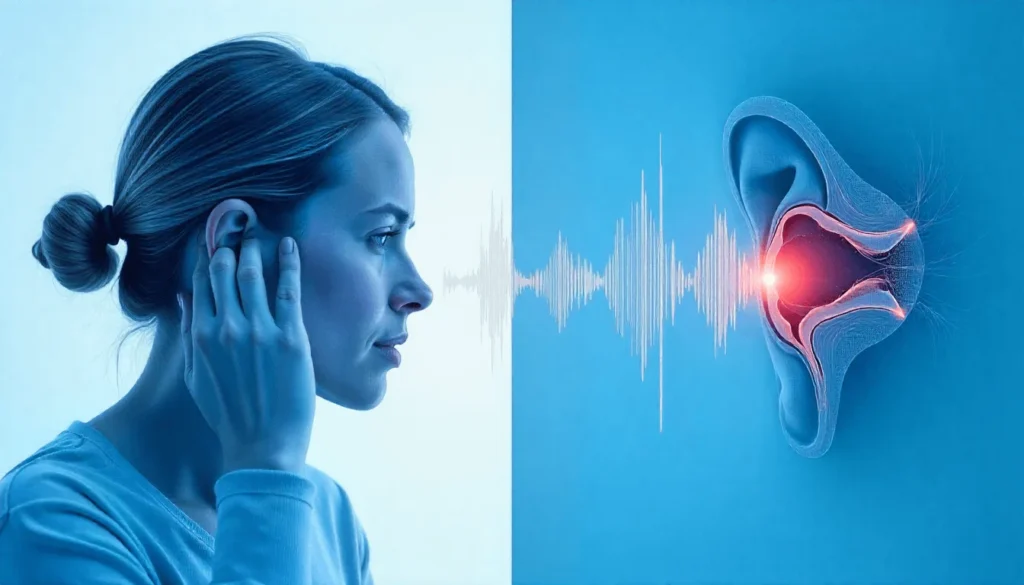
Pulsatile tinnitus is a specific type of tinnitus characterized by rhythmic sounds that synchronize with your heartbeat. Unlike the steady ringing or buzzing associated with standard tinnitus, this condition creates a pulsing, whooshing, or thumping sensation that beats in time with your cardiovascular system.
The mechanism behind this phenomenon involves changes in blood flow near the ear structures. According to the National Institute on Deafness and Other Communication Disorders (NIDCD), when blood moves through vessels near your inner ear, particularly when flow patterns become turbulent or blood pressure increases, you may become aware of these normally silent internal sounds.
Think of it like water rushing through a pipe. When pressure increases under normal circumstances, the flow is smooth and quiet. But when something changes the pressure or narrows the passage, you hear the rushing sound. The same principle applies to the blood vessels near your auditory system.
Subjective vs. Objective Pulsatile Tinnitus
Medical professionals distinguish between two types:
- Subjective pulsatile tinnitus: Only you can hear the sound. This represents the vast majority of cases and typically relates to how you perceive the sounds of blood flow.
- Objective pulsatile tinnitus: A rare form where the sound is audible to others, usually your doctor, using a stethoscope. This often indicates vascular abnormalities or structural issues that create actual vibrations.
Common Symptoms of Pulsatile Tinnitus
Recognizing the characteristic signs of pulsatile tinnitus helps differentiate it from other auditory conditions. Here are the hallmark symptoms:
| Symptom | Description | Significance |
|---|---|---|
| Rhythmic pulsing | Whooshing or thumping that matches your pulse | Primary indicator |
| Heartbeat synchronization | Sound intensifies when you check your pulse | Confirms vascular connection |
| Positional changes | Worsens when lying down or turning the head | Suggests venous involvement |
| Post-exercise intensity | Increases after physical activity | Related to elevated heart rate |
| Unilateral presentation | Sound in only one ear | May indicate a localized vascular issue |
When Symptoms Are Mild vs. Concerning
Mild symptoms typically include:
- Occasional pulsing that comes and goes
- Sounds that don’t interfere with daily activities
- No accompanying neurological symptoms
- Gradual onset without sudden changes
Concerning symptoms that warrant immediate medical evaluation:
- Sudden, severe onset
- Accompanying headaches or visual disturbances
- Persistent sound in only one ear
- Progressive worsening over days or weeks
What Causes Pulsatile Tinnitus? (Step-by-Step Breakdown)
Understanding the root causes of pulsatile tinnitus requires examining how blood flow, vascular structures, and the ear’s anatomy interact. Here are the most common culprits:
1. High Blood Pressure (Hypertension)
When your blood pressure rises, the increased force of blood flow makes the pulsing more noticeable in the delicate structures of your inner ear. The American Heart Association notes that hypertension affects nearly half of American adults, and the turbulent flow creates audible vibrations that you perceive as rhythmic sounds.
2. Atherosclerosis
Narrowed arteries from plaque buildup increase blood flow turbulence, similar to how squeezing a garden hose makes water spray more forcefully. This turbulence creates the characteristic whooshing sound of pulsatile tinnitus.
3. Venous Sinus Stenosis
Blood flow can become turbulent in the venous channels that drain blood from your brain. This narrowing of the transverse or sigmoid sinuses is a leading cause, especially in younger women.
4. Glomus Tumors
Although rare, these benign vascular tumors near the ear create rhythmic sounds due to their rich blood supply. They’re highly vascular masses that can be heard as they pulse with each heartbeat.
5. Middle Ear Infections or Fluid
Inflammation and fluid accumulation in the middle ear change pressure dynamics, making you more aware of blood flow sounds. The fluid acts as a conductor, amplifying normally inaudible vascular sounds.
6. Idiopathic Intracranial Hypertension (IIH)
Elevated pressure around the brain, commonly affecting young women with obesity, compresses venous structures and creates turbulent flow patterns. The Mayo Clinic explains that the increased cerebrospinal fluid pressure translates to audible pulsations and can lead to serious complications if left untreated.
7. Anemia or Thyroid Issues
When you’re anemic, your heart pumps faster to compensate for reduced oxygen carrying capacity. This increased blood flow velocity can create pulsing sounds. Similarly, hyperthyroidism accelerates metabolism and heart rate, intensifying vascular sounds.
8. Pregnancy-Related Blood Flow Changes
Pregnant women experience an increase in blood volume (up to 50% more) and altered circulation patterns, which occasionally lead to temporary pulsatile tinnitus that resolves after delivery.
Key Insight: “The cause of pulsatile tinnitus often lies not in the ear itself, but in how blood flows near the ear structures.”
When Pulsatile Tinnitus Is a Sign to Worry
While many cases of pulsatile tinnitus stem from benign causes, certain warning signs require prompt medical evaluation. Recognizing these red flags enables you to make informed decisions about seeking care.
Critical Warning Signs
Seek immediate medical attention if you experience:
- Sudden onset with severe headache: Could indicate increased intracranial pressure or vascular emergency
- Unilateral (one-sided) pulsatile tinnitus: Higher likelihood of structural vascular abnormality requiring imaging
- Visual changes or dizziness: Suggests neurological involvement or increased brain pressure
- Neurological symptoms: Numbness, weakness, confusion, or difficulty speaking indicate a potential stroke or a serious condition
- Rapidly worsening symptoms: Progressive deterioration over hours or days requires urgent evaluation
Important Note
These signs do not always mean something dangerous, but they do require medical evaluation. Early diagnosis provides peace of mind and ensures appropriate treatment when needed.
How Doctors Diagnose Pulsatile Tinnitus
Diagnosing pulsatile tinnitus requires a systematic, detective-like approach to locate where the sound originates. Your healthcare provider will follow a comprehensive evaluation process:
Step 1: Detailed Medical History
Your doctor will ask about:
- Duration and frequency of symptoms
- Associated symptoms (headaches, vision changes, dizziness)
- Medical conditions (high blood pressure, thyroid disease)
- Recent illnesses or ear infections
- Medications you’re taking
Step 2: Physical Examination
Ear examination: Looking for signs of infection, fluid, or structural abnormalities
Auscultation: Your doctor listens to your neck, skull, and behind the ear with a stethoscope to detect objective pulsation sounds they can actually hear, which indicate vascular causes.
Step 3: Hearing Tests
An audiogram assesses your hearing function and can identify patterns associated with different types of tinnitus or conductive hearing loss.
Step 4: Advanced Imaging
| Imaging Type | What It Shows | When It’s Used |
|---|---|---|
| CT Scan | Bone structures, vessel calcification | Initial screening for vascular and bone abnormalities |
| MRI/MRA | Soft tissues, blood vessels, and brain structures | Detailed evaluation of vascular malformations, tumors |
| Ultrasound | Blood flow velocity in neck vessels | Assessing carotid artery stenosis or flow patterns |
Step 5: Blood Tests
Laboratory work checks for:
- Anemia (complete blood count)
- Thyroid function (TSH, T3, T4)
- Inflammatory markers
- Metabolic conditions
This thorough approach ensures that underlying causes aren’t missed, allowing for targeted treatment strategies.
Treatment Options for Pulsatile Tinnitus
Managing pulsatile tinnitus effectively depends on identifying and addressing the underlying cause. Treatment strategies fall into three main categories:
A. Treating the Underlying Cause
For High Blood Pressure:
- Lifestyle modifications (diet, exercise, stress management)
- Antihypertensive medications
- Regular monitoring and adjustment
For Ear Infections:
- Antibiotics for bacterial infections
- Decongestants for fluid drainage
- Anti-inflammatory medications
For Idiopathic Intracranial Hypertension:
- Weight loss programs
- Diuretics (acetazolamide)
- In severe cases, surgical shunting procedures
For Vascular Issues:
- Endovascular procedures for some vascular malformations
- Surgical intervention for glomus tumors or severe stenosis (rare)
- Stenting for venous sinus stenosis in select cases
If you’re specifically dealing with a whooshing sound, you might find additional strategies in our guide on how to stop whooshing sound in ear.
B. Non-Invasive Management
Even when the underlying cause is being treated, symptom management improves quality of life:
Sound Therapy:
- White noise machines mask the pulsing sound
- Nature sounds or soft music, create a distraction
- Specialized tinnitus masking devices
Stress Reduction Techniques:
- Mindfulness meditation reduces awareness of symptoms
- Cognitive behavioral therapy (CBT) helps reframe reactions
- Relaxation exercises lower blood pressure
Lifestyle Improvements:
- Consistent sleep schedule (7-9 hours)
- Adequate hydration (supports proper blood flow)
- Regular moderate exercise (improves vascular health)
- Limiting caffeine and alcohol intake
C. Supplements and Natural Options
While research is ongoing, some evidence-based supplements may provide support:
Magnesium: Studies suggest magnesium supplementation may improve tinnitus symptoms in some individuals, potentially by supporting healthy blood pressure and nerve function. Research indicates daily doses of 400-600mg may be beneficial, though results vary.
Ginkgo Biloba: Limited evidence supports ginkgo for tinnitus relief. Some studies have shown modest improvements in symptoms, possibly due to enhanced blood circulation. However, results are inconsistent, and more research is needed.
Important Considerations:
- Always consult your healthcare provider before starting supplements
- Supplements can interact with medications
- Quality and standardization vary between products
- Natural doesn’t always mean safe or effective
For more comprehensive information on holistic approaches, explore our article on natural remedies for tinnitus relief at home.
Can Pulsatile Tinnitus Go Away on Its Own?
The prognosis for pulsatile tinnitus varies significantly based on the underlying cause:
Temporary Causes (Often Self-Resolving)
Ear infections: Once the infection clears and the fluid drains, pulsatile tinnitus typically resolves within a few weeks.
Stress-related episodes: Temporary blood pressure spikes from acute stress usually normalize, and symptoms disappear.
Pregnancy-related changes: Pulsatile tinnitus triggered by pregnancy often resolves shortly after delivery as blood volume returns to normal.
Minor blood pressure fluctuations: Temporary hypertension from illness or medication may cause transient symptoms.
Persistent Cases Requiring Medical Care
Chronic hypertension: Without treatment, pulsatile tinnitus persists and may worsen.
Structural vascular abnormalities, Such as venous sinus stenosis or atherosclerosis, require intervention.
Glomus tumors: These benign growths don’t resolve spontaneously and require treatment.
Realistic Expectations for Recovery
Most people with properly diagnosed and treated pulsatile tinnitus experience significant improvement or complete resolution of their symptoms. The timeline varies:
- Infection-related: 2-6 weeks
- Blood pressure management: 1-3 months
- Structural repairs: 3-6 months post-procedure
How to Prevent Pulsatile Tinnitus
While not all cases are preventable, these strategies reduce your risk:
1. Control Blood Pressure
- Monitor blood pressure regularly
- Maintain a healthy diet (DASH diet recommended)
- Limit sodium intake to less than 2,300mg daily
- Take prescribed antihypertensive medications consistently
2. Avoid Extremely Loud Environments
- Use ear protection at concerts and construction sites
- Limit headphone volume to 60% maximum
- Take breaks from noisy environments
If you’ve recently attended a loud event and are experiencing ear symptoms, check out our guide on tinnitus after a loud concert and what to do now for immediate steps to take.
3. Maintain a Healthy Weight
- Reduces the risk of idiopathic intracranial hypertension
- Improves cardiovascular health
- Lowers blood pressure naturally
4. Keep Stress Levels Under Control
- Practice regular stress management techniques
- Ensure adequate sleep
- Maintain work-life balance
- Consider mindfulness or meditation practices
5. Regular Medical Checkups
- Annual physical examinations
- Cardiovascular health screening
- Early detection of vascular issues
- Thyroid function testing when indicated
Final Thoughts
Pulsatile tinnitus, which is a rhythmic whooshing sound synchronized with your heartbeat, is more than just an annoyance. It’s your body’s way of signaling that something has changed in how blood flows near your ear structures. Whether caused by high blood pressure, vascular changes, ear infections, or other conditions, understanding the root cause is essential for effective treatment.
The key takeaways to remember:
- Pulsatile tinnitus differs from regular tinnitus in that it follows your heartbeat’s rhythm
- Most causes are identifiable through proper medical evaluation
- Warning signs exist that warrant immediate medical attention
- Treatment targets the underlying cause, not just the symptoms
- Prevention focuses on cardiovascular health and lifestyle factors
If you’re experiencing pulsatile tinnitus, don’t panic; instead, take it seriously. Most causes are treatable once properly diagnosed. Schedule an appointment with your healthcare provider for a thorough evaluation, especially if you notice sudden onset, unilateral symptoms, or accompanying neurological signs.
Remember: hearing your heartbeat in your ear isn’t normal, but with the right approach, it’s usually manageable. Your ears are telling you something; it’s worth listening.
FAQ
What is pulsatile tinnitus?
Pulsatile tinnitus is a type of tinnitus characterized by rhythmic sounds that synchronize with your heartbeat. Unlike regular tinnitus, which creates a constant ringing or buzzing, pulsatile tinnitus creates a pulsing, whooshing, or thumping sensation caused by blood flow changes near the ear structures.
When should I worry about pulsatile tinnitus?
Seek immediate medical attention if you experience a sudden onset of severe headache, pulsatile tinnitus in only one ear, visual changes or dizziness, neurological symptoms like numbness or weakness, or rapidly worsening symptoms.
Can pulsatile tinnitus go away on its own?
Pulsatile tinnitus caused by temporary conditions, such as ear infections, stress, or temporary blood pressure spikes often resolves on its own. However, persistent cases related to chronic hypertension or structural vascular abnormalities typically require medical treatment.