Table of Contents
If you’ve been hearing persistent ringing, buzzing, or humming in your ears, you’re not alone. Tinnitus affects millions of people worldwide, and many are turning to acupuncture for tinnitus as a potential solution. But does it actually work? Let’s dive into the science, benefits, and realistic expectations surrounding this ancient healing practice.
Introduction: Living With the Ringing
Imagine trying to concentrate on work, enjoy a quiet evening, or fall asleep, all while a phantom sound plays on repeat in your head. That’s the daily reality for tinnitus sufferers. According to the American Tinnitus Association, approximately 15% of Americans experience some form of tinnitus. This persistent ear ringing can range from mildly annoying to completely debilitating, affecting sleep quality, concentration, emotional well-being, and overall quality of life.
Traditional treatments like sound masking devices, medications, and cognitive therapy help some people, but they don’t work for everyone. This is why many individuals explore alternative approaches, with acupuncture emerging as one of the most popular complementary therapies.
In this comprehensive guide, you’ll discover:
- What the latest research says about acupuncture’s effectiveness for tinnitus
- How acupuncture is supposed to work on ear ringing
- Which types of tinnitus may respond best to treatment
- Common acupuncture points used for relief
- Potential risks and side effects
- Realistic expectations and treatment timelines
What Is Acupuncture?
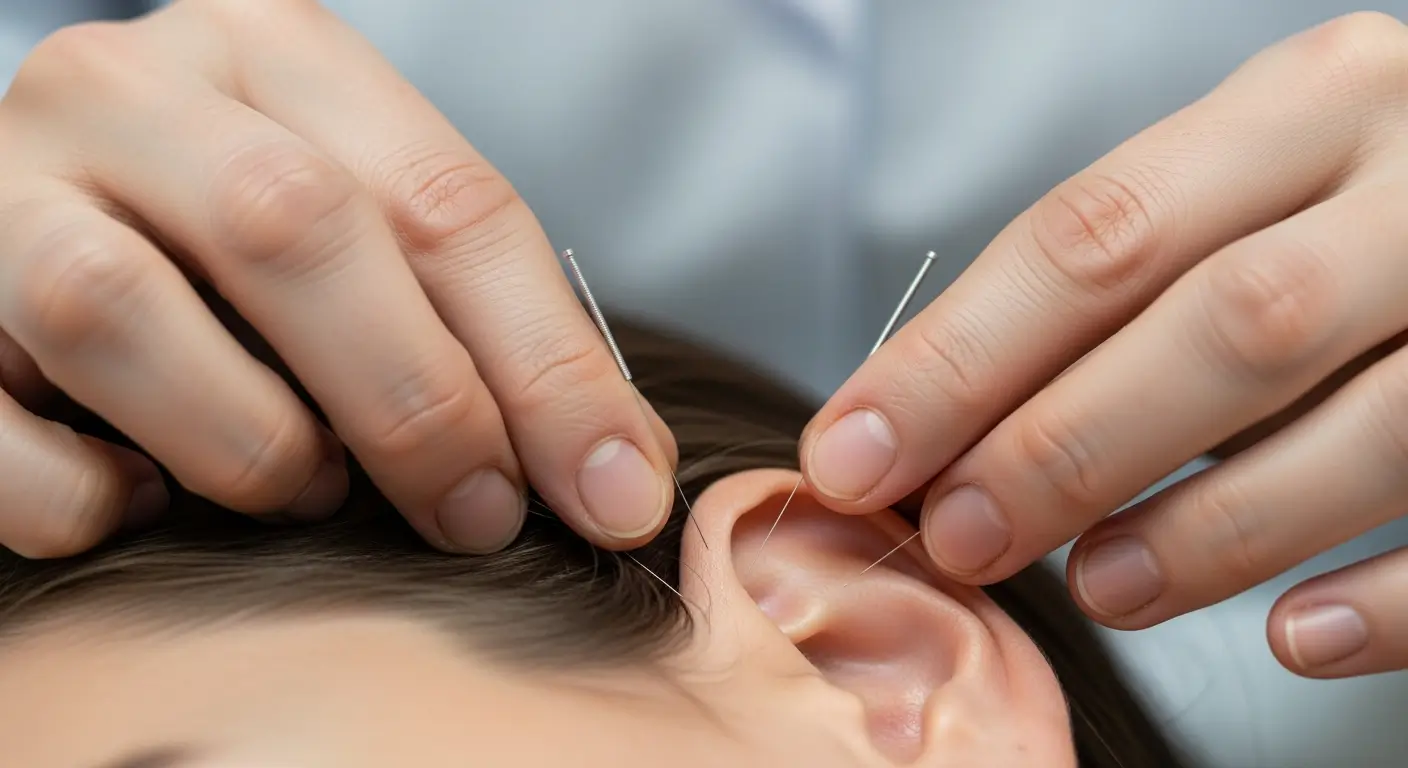
Acupuncture is a therapeutic technique rooted in Traditional Chinese Medicine (TCM) that dates back over 2,500 years. The practice involves inserting thin, sterile needles into specific points on the body to promote healing and balance. The National Center for Complementary and Integrative Health (NCCIH) recognizes acupuncture as one of the most widely used complementary health approaches in the United States.
The Theory Behind the Needles
According to TCM principles, acupuncture works by regulating the flow of “qi” (pronounced “chee”), the vital energy that circulates through pathways called meridians in your body. When qi becomes blocked or imbalanced, illness and symptoms like tinnitus can occur.
Modern Western medicine explains acupuncture differently. Research suggests that needle insertion may:
- Stimulate nerve endings and trigger the release of endorphins (natural pain relievers)
- Increase blood circulation to targeted areas
- Reduce inflammation and muscle tension
- Modulate the nervous system’s response to pain and stress
Think of it this way: Imagine your body as a complex network of roads. When there’s a traffic jam (blocked qi or poor circulation), problems develop. Acupuncture acts like a traffic controller, helping to clear congestion and restore smooth flow to specific areas.
How Acupuncture for Tinnitus Is Supposed to Work
When practitioners use acupuncture to address tinnitus, they target multiple physiological mechanisms that may contribute to ear ringing:
1. Blood Flow Regulation to the Inner Ear
Poor circulation in the tiny blood vessels of the inner ear can contribute to auditory problems. Acupuncture may help dilate blood vessels and improve oxygen delivery to delicate cochlear structures.
2. Nervous System Modulation and Stress Reduction
Stress and anxiety often worsen tinnitus symptoms. Acupuncture has been shown to activate the parasympathetic nervous system (your body’s “rest and digest” mode), potentially lowering stress hormones and creating a calmer state that makes tinnitus less noticeable.
3. Effects on Inflammation and Muscle Tension
Inflammation in the auditory system or tension in the neck and jaw muscles can trigger or intensify tinnitus. Needle stimulation may reduce inflammatory markers and release muscle knots that contribute to somatic tinnitus.
4. Brain Plasticity and Auditory Signal Processing
Some research suggests acupuncture might influence how the brain processes auditory signals. By modulating neural pathways, it could potentially help “retrain” the brain to perceive tinnitus differently or reduce its intensity.
What Does Research Say About Acupuncture for Tinnitus?
Here’s where things get nuanced. The scientific evidence on acupuncture for tinnitus presents a mixed picture.
Clinical Studies: The Good News
Several studies have shown promising results:
- A 2016 systematic review published in PLOS One examined multiple clinical trials and found that acupuncture combined with other treatments showed better outcomes than conventional therapy alone
- Some patients reported reduced tinnitus loudness and improved quality of life scores
- Research published in the Journal of Alternative and Complementary Medicine indicates that electroacupuncture (using mild electrical stimulation) may provide more consistent benefits than traditional needle acupuncture
The Reality Check: What the Data Actually Shows
| Finding | What It Means |
|---|---|
| Mixed Evidence | Some studies show benefit; others show minimal difference from placebo |
| Subjective Improvements | Many patients report feeling better, but objective measurements don’t always confirm changes |
| Quality Concerns | Many studies have small sample sizes or methodological limitations |
| Individual Variation | Response rates vary significantly between patients |
The Placebo Question
One challenge in tinnitus research is distinguishing between actual treatment effects and placebo responses. Since tinnitus perception is subjective and influenced by psychological factors, believing a treatment will work can sometimes create measurable improvements in symptoms regardless of the treatment’s specific mechanisms.
This doesn’t mean the relief isn’t real; it simply means we need more rigorous research to understand exactly why and how acupuncture helps when it does.
When Acupuncture Appears Most Effective
Current evidence suggests acupuncture for tinnitus may work best for:
- Recent-onset tinnitus (symptoms present for less than a year)
- Stress-related or anxiety-driven cases
- Tinnitus accompanied by neck pain, jaw tension, or headaches
- Patients who haven’t responded well to conventional treatments
- Cases where multiple therapeutic approaches are combined
Types of Tinnitus That May Respond Better to Acupuncture
Not all tinnitus is created equal, and understanding your specific type can help set realistic expectations.
Stress-Related or Anxiety-Related Tinnitus
If your ear ringing intensifies during stressful periods or you’ve noticed a connection between anxiety and symptom severity, acupuncture’s stress-reducing effects may provide meaningful relief.
Somatic Tinnitus (Neck or Jaw Tension)
This type of tinnitus is influenced by musculoskeletal factors. If you can change your tinnitus by moving your jaw, turning your head, or pressing on certain neck points, acupuncture targeting muscle tension may be particularly helpful.
Noise-Induced Tinnitus
While evidence is less robust, some people with tinnitus from loud noise exposure report improvements, possibly due to enhanced blood flow and reduced inflammation in the auditory system.
When Acupuncture Is Less Likely to Help
Be realistic about limitations. Acupuncture may not be effective for:
- Tinnitus caused by structural damage to the ear
- Symptoms related to Meniere’s disease or acoustic neuromas
- Cases where underlying medical conditions haven’t been addressed
- Long-standing chronic tinnitus (present for many years)
Common Acupuncture Points Used for Tinnitus
Licensed acupuncturists typically use a combination of local and distal points when treating ear ringing. Here are some acupuncture points for tinnitus commonly targeted:
Ear-Related Points (Local Points)
- Tinggong (SI 19): Located in front of the ear opening
- Ermen (SJ 21): Above the ear opening
- Yifeng (SJ 17): Behind the earlobe
- Tinghui (GB 2): Near the jaw joint
Head and Neck Points
- Fengchi (GB 20): Base of the skull
- Baihui (GV 20): Top of the head
- Taiyang: Temple area
Hand and Foot Points
- Hegu (LI 4): Between thumb and index finger
- Taichong (LV 3): On the foot
- Sanyinjiao (SP 6): Inner lower leg
Why Multiple Points Are Combined
Practitioners rarely rely on a single acupuncture point. Instead, they create customized treatment protocols based on your specific symptoms, overall health, and TCM diagnosis. This multi-point approach aims to address root causes while managing symptoms.
What to Expect During Acupuncture Treatment

Understanding the process can help reduce anxiety and set appropriate expectations.
Initial Consultation and Diagnosis
Your first visit typically lasts 60-90 minutes. The practitioner will:
- Take a detailed health history
- Ask about your tinnitus characteristics (pitch, volume, triggers)
- Examine your pulse and tongue (TCM diagnostic methods)
- Discuss treatment goals and create a personalized plan
Session Length and Frequency
- Individual sessions: 30-60 minutes
- Typical frequency: 1-2 times per week initially
- Treatment course: Usually 10-12 sessions to assess effectiveness
- Maintenance: Less frequent sessions if improvement occurs
Sensations During Treatment
Most people find acupuncture surprisingly comfortable. You might experience:
- A brief pinch when needles are inserted (usually minimal)
- Tingling, warmth, or heaviness around needle sites
- Deep relaxation or even drowsiness
- Temporary changes in tinnitus volume (sometimes louder initially)
Timeline for Potential Results
Be patient. Benefits rarely appear overnight:
- First 3-4 sessions: Some people notice improved sleep or reduced stress
- 6-8 sessions: Potential changes in tinnitus intensity or frequency
- 10-12 sessions: Clearer picture of whether acupuncture is helping
Is Acupuncture Safe for Tinnitus Patients?

General Safety Profile
When performed by licensed professionals, acupuncture has an excellent safety record. Serious complications are extremely rare.
Possible Side Effects
Most side effects of acupuncture for tinnitus are minor and temporary:
- Slight bruising or bleeding at needle sites
- Mild soreness or achiness
- Temporary fatigue or emotional release
- Lightheadedness (uncommon)
- Initial increase in tinnitus volume (usually temporary)
Who Should Avoid Acupuncture
Consult your doctor before trying acupuncture if you:
- Have bleeding disorders or take blood thinners
- Have a pacemaker or other electronic implants (for electroacupuncture)
- Are pregnant (certain points are contraindicated)
- Have severe immune system compromise
- Have metal allergies (though reactions to acupuncture needles are exceptionally rare)
Importance of Licensed Practitioners
This cannot be overstated: Only seek treatment from licensed, certified acupuncturists. Check credentials through:
- National Certification Commission for Acupuncture and Oriental Medicine (NCCAOM)
- State licensing boards
- Professional acupuncture associations
Proper training ensures sterile technique, appropriate point selection, and recognition of when acupuncture isn’t suitable.
Acupuncture vs Other Tinnitus Treatments
How does acupuncture stack up against other approaches?
| Treatment | Strengths | Limitations | Best Used For |
|---|---|---|---|
| Acupuncture | Low risk, addresses stress, may improve blood flow | Requires multiple sessions, variable results | Stress-related or somatic tinnitus |
| Sound Therapy | Evidence-based, non-invasive | Doesn’t treat underlying causes | Managing perception and habituation |
| Supplements | Easy to use | Limited evidence for most | Supporting overall ear health |
| Cognitive Behavioral Therapy (CBT) | Strong evidence, lasting benefits | Requires active participation | Tinnitus-related distress |
Using Acupuncture as a Complementary Approach
The most successful tinnitus management often involves multiple strategies. Consider combining acupuncture with:
- Sound masking or white noise therapy
- Stress management techniques (meditation, yoga)
- Dietary modifications (reducing caffeine, alcohol, sodium)
- Physical therapy for neck/jaw issues
- Hearing aids (if hearing loss is present)
Can Acupuncture Cure Tinnitus?
Let’s be clear: cure is different from relief.
What “Relief” Realistically Means
Most people who benefit from acupuncture experience:
- Reduced symptom intensity (tinnitus feels quieter or less intrusive)
- Better ability to cope with and ignore the sounds
- Improved sleep quality despite tinnitus
- Reduced anxiety or stress related to ear ringing
Complete elimination of tinnitus is rare with any treatment, including acupuncture.
Temporary vs Long-Term Effects
Benefits may be:
- Temporary: Requiring ongoing maintenance sessions
- Cumulative: Gradual improvement building over multiple sessions
- Variable: Good days and bad days even during treatment
Importance of Treating Underlying Causes
If tinnitus stems from an identifiable medical condition like high blood pressure, temporomandibular joint (TMJ) disorder, or medication side effects, addressing that root cause is essential. Acupuncture alone won’t resolve tinnitus if the underlying problem remains untreated. The Mayo Clinic provides comprehensive information about various tinnitus causes that should be medically evaluated.
Conclusion: Should You Try Acupuncture for Your Tinnitus?
After reviewing the evidence, here’s a balanced takeaway:
Acupuncture for tinnitus shows promise for certain individuals, particularly those with stress-related symptoms, recent-onset tinnitus, or muscular tension components. While it’s unlikely to cure tinnitus completely, it may provide meaningful relief and improve quality of life with minimal risks.
When Acupuncture May Be Worth Trying
Consider acupuncture if you:
- Haven’t found adequate relief from conventional treatments
- Want a low-risk complementary approach
- Experience stress-related symptom worsening
- Have neck pain, jaw tension, or headaches alongside tinnitus
- Are open to a multi-session commitment (10-12 treatments minimum)
Important Reminders
- Work with licensed, certified practitioners only
- Maintain realistic expectations about outcomes
- Continue any existing medical treatments unless advised otherwise by your doctor
- View acupuncture as one component of comprehensive tinnitus management
- Be patient, benefits may take several weeks to emerge
Ultimately, tinnitus management is highly individual. What works brilliantly for one person might not help another. By combining evidence-based treatments with complementary approaches like acupuncture under professional guidance, you give yourself the best chance of finding relief and reclaiming peace in your daily life.
Ready to explore acupuncture for your tinnitus? Start by consulting with your primary care physician or an ear, nose, and throat (ENT) specialist to rule out treatable underlying causes. Then, seek out a qualified acupuncturist with experience treating auditory conditions. Your journey to quieter days might be closer than you think.
FAQ
How many acupuncture sessions are needed for tinnitus?
Most practitioners recommend an initial course of 10-12 sessions scheduled 1-2 times weekly. This provides enough treatment exposure to assess effectiveness. If you see improvement, maintenance sessions (monthly or quarterly) may help sustain benefits.
Is acupuncture effective for pulsatile tinnitus?
Pulsatile tinnitus often has vascular causes that require medical evaluation. While acupuncture might help with associated stress or tension, it shouldn’t be your primary treatment. Always see a doctor first to rule out serious conditions.
Does acupuncture help tinnitus in one ear only?
Yes, practitioners can target specific sides and customize point selection based on whether your tinnitus is unilateral or bilateral. The treatment approach remains similar, though one-sided symptoms might suggest different underlying causes worth investigating medically.
Is acupuncture better than medication for tinnitus?
There’s no ‘better’ option, it depends on your specific situation. Very few medications effectively treat tinnitus directly. Acupuncture has fewer side effects than medications but also less predictable results. Many people use both approaches together.