Table of Contents
If you’re one of the millions experiencing that persistent ringing, buzzing, or whistling in your ears, you know how frustrating tinnitus can be. According to the Mayo Clinic, tinnitus can be caused by many health conditions, but emerging research suggests that certain foods that help tinnitus may offer natural relief by supporting ear health, improving circulation, and reducing inflammation. The good news? You might already have some of these powerful ingredients in your kitchen.
Understanding how diet influences ear health opens up new possibilities for managing tinnitus symptoms naturally. By incorporating specific nutrients and avoiding certain triggers, many people find their symptoms become more manageable, allowing them to reclaim quiet moments and better sleep. This nutritional approach works especially well when combined with other natural remedies for tinnitus relief.
For those seeking additional support beyond dietary changes, some individuals have found success with targeted nutritional supplements, which contain many of the same beneficial nutrients found in the foods we’ll discuss, including zinc, magnesium, and antioxidants in concentrated forms.
How Diet Affects Tinnitus
The connection between what you eat and your ear health runs deeper than you might think. Your inner ear relies on a delicate balance of fluids, proper blood circulation, and healthy nerve function, all of which can be influenced by your nutritional choices.
Inflammation and oxidative stress play significant roles in worsening tinnitus symptoms. When your body experiences chronic inflammation, it can affect the tiny blood vessels in your ears, potentially intensifying that unwanted ringing. Similarly, oxidative stress from free radicals can damage the sensitive hair cells in your inner ear.
Poor circulation is another culprit. Your ears need adequate blood flow to function properly, and certain nutrients can either support or hinder this vital process. This is why foods rich in circulation boosting compounds often make the list of foods that help tinnitus.
Food 1 – Spinach & Leafy Greens
“Magnesium is like a natural relaxant for your nervous system, including the nerves in your ears.” – Dr. Sarah Williams, Audiologist
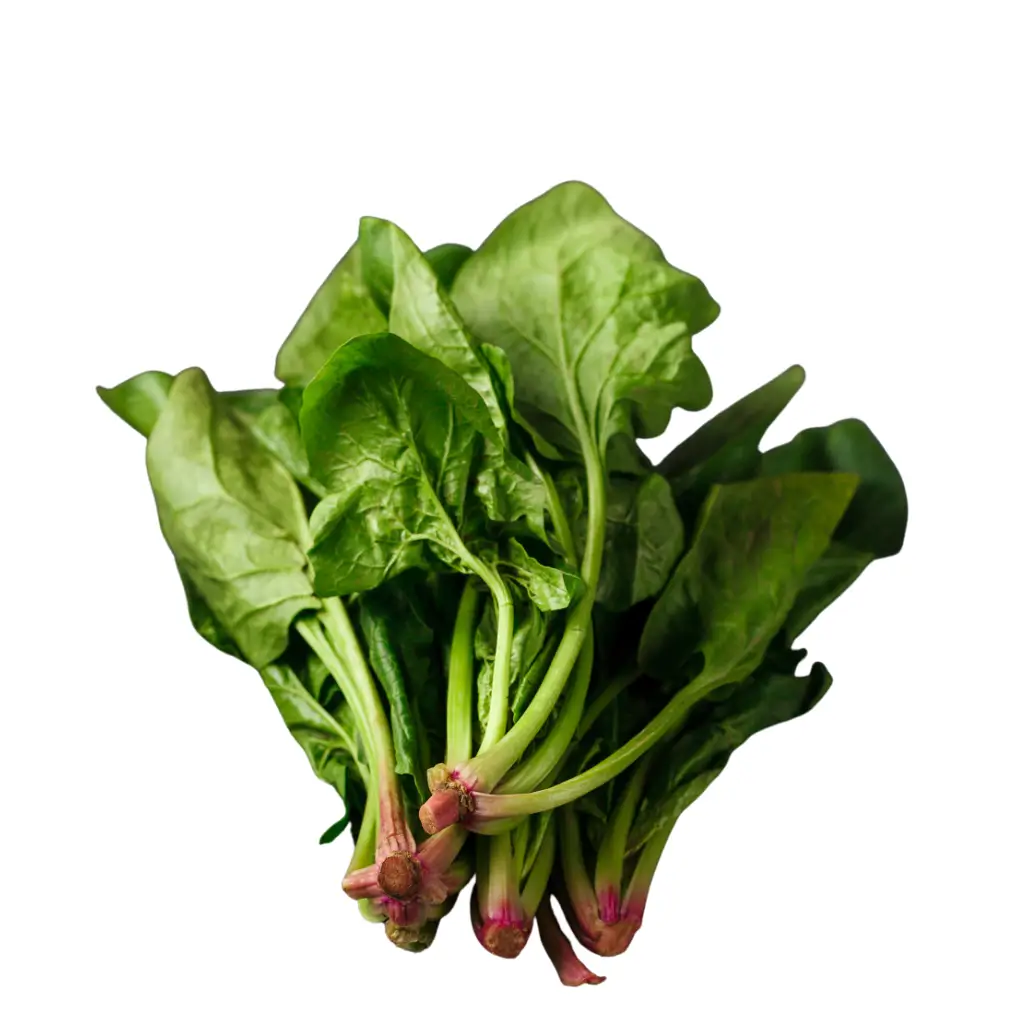
Spinach, kale, and other leafy greens top our list for good reason. These nutritional powerhouses are packed with magnesium, a mineral that’s crucial for proper nerve function and ear health.
Why magnesium matters:
- Supports healthy nerve transmission in the auditory system
- May help protect against noise-induced hearing damage
- Deficiency has been linked to increased tinnitus severity
Quick tip: Aim for at least one serving of dark leafy greens daily. Try adding spinach to smoothies, salads, or sautéing with garlic for maximum benefit.
Food 2 – Bananas

Don’t underestimate this humble fruit! Bananas are rich in potassium, which plays a vital role in maintaining fluid balance in your inner ear, the same area where tinnitus originates.
| Nutrient | Amount per Banana | Benefit for Tinnitus |
|---|---|---|
| Potassium | 422mg | Regulates inner ear fluid |
| Magnesium | 32mg | Supports nerve function |
| Vitamin B6 | 0.4mg | Aids nervous system health |
Potassium also helps regulate blood pressure, and since high blood pressure can worsen tinnitus symptoms, this makes bananas a smart choice for your daily snack rotation.
Food 3 – Berries (Blueberries, Strawberries)
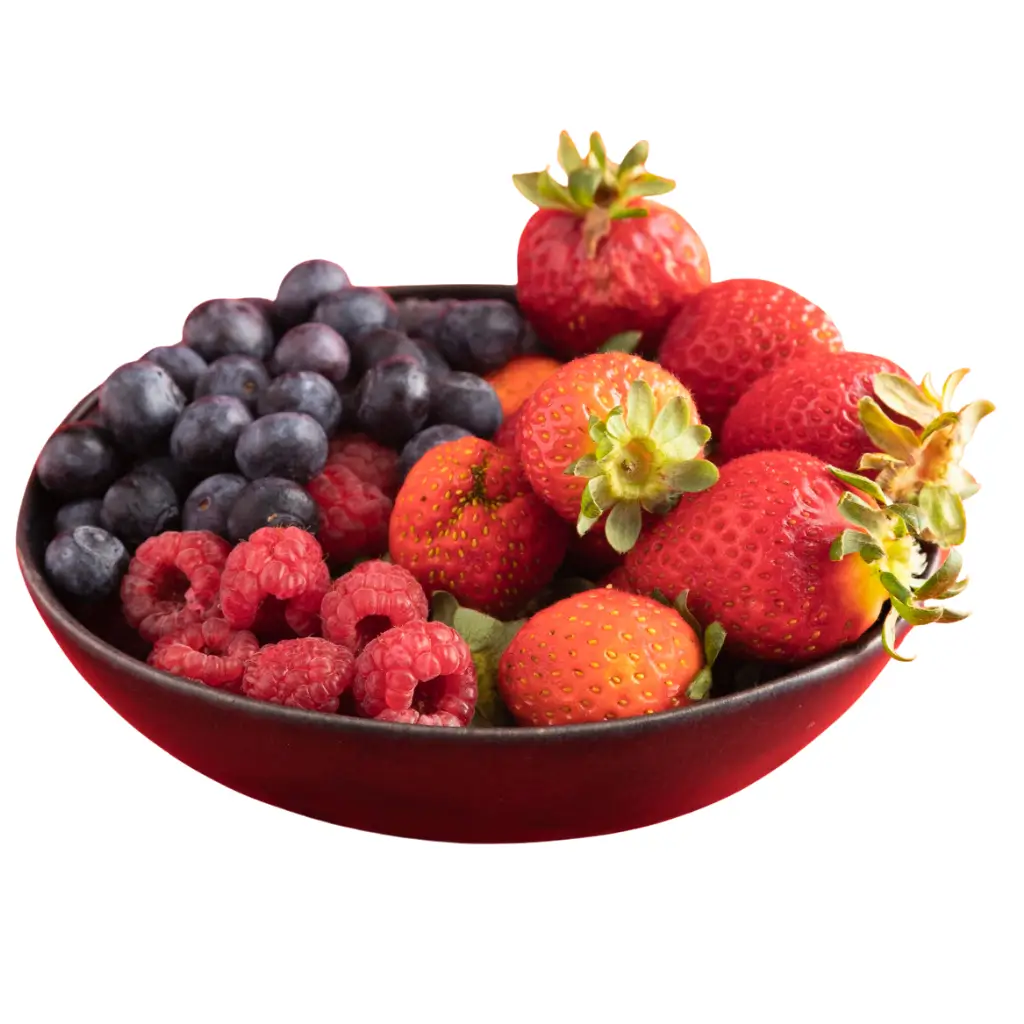
Berries are nature’s antioxidant superstars, and these tiny fruits pack a powerful punch against the oxidative stress that can damage your ears. Blueberries and strawberries contain high levels of vitamin C and flavonoids that protect delicate ear cells from free radical damage.
The antioxidant advantage:
- Neutralizes harmful free radicals
- Reduces inflammation in the ear tissues
- May slow age-related hearing decline
- Supports overall vascular health
Mix berries into your morning yogurt or oatmeal for a delicious way to fight tinnitus naturally.
Food 4 – Salmon & Fatty Fish
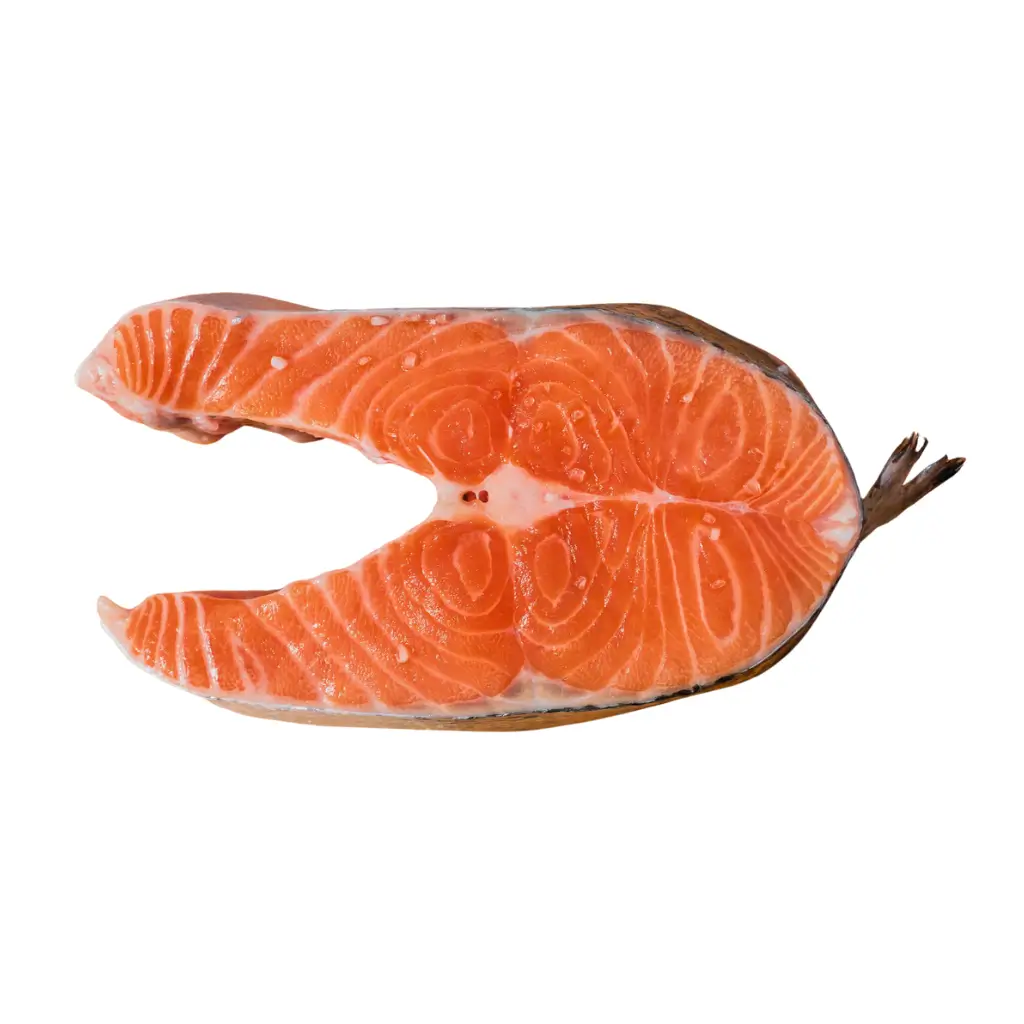
Omega-3 fatty acids found in salmon, mackerel, and sardines are true champions for ear health. These healthy fats support circulation and have potent anti-inflammatory properties that may help reduce tinnitus intensity.
Research insight: A study published in the American Journal of Clinical Nutrition found that people with higher omega-3 levels had better hearing function and less age-related hearing loss. The American Tinnitus Association has also highlighted the important role that diet plays in tinnitus and overall hearing health.
Best choices for omega-3s:
- Wild-caught salmon
- Mackerel
- Sardines
- Anchovies
Aim for 2-3 servings of fatty fish per week to maximize these benefits.
Food 5 – Pumpkin Seeds & Nuts
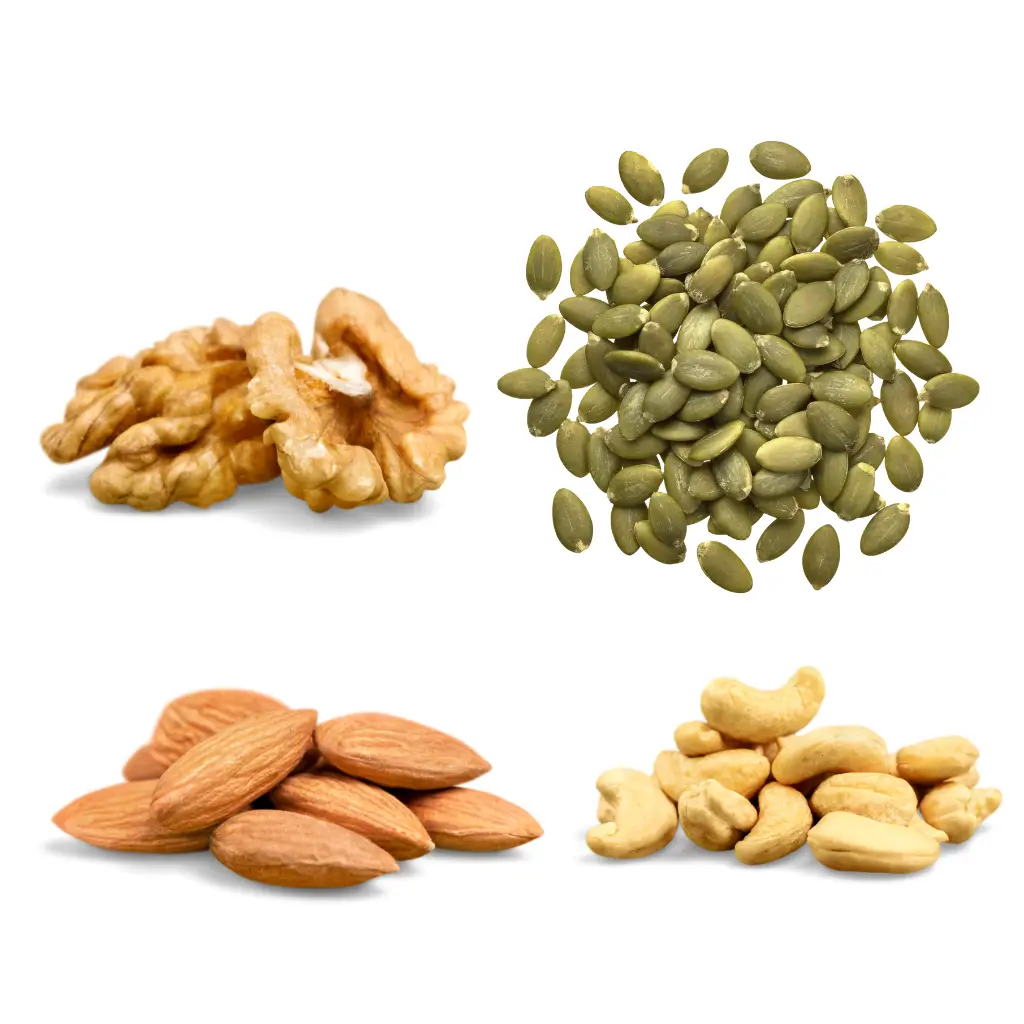
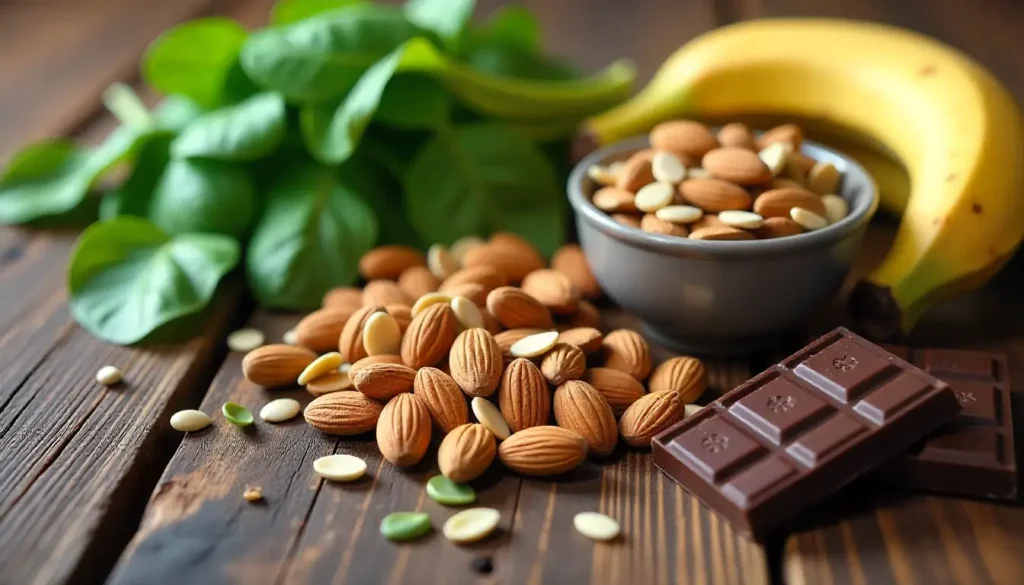
These crunchy snacks are loaded with zinc and magnesium, two minerals that are frequently deficient in people with tinnitus. Zinc deficiency, in particular, has been strongly linked to worsening tinnitus symptoms.
Zinc’s role in ear health:
- Essential for proper inner ear function
- Supports the immune system in the ear
- May help reduce tinnitus loudness
Top sources: Pumpkin seeds, almonds, walnuts, and cashews. A small handful daily provides substantial mineral support.
Pro tip: If you’re not getting enough zinc and magnesium from food sources alone, consider tracking your intake for a few weeks. Some people find it challenging to consistently consume adequate amounts of these crucial minerals through diet alone, which is why targeted supplementation might be beneficial for optimal ear health support.
Food 6 – Pineapple
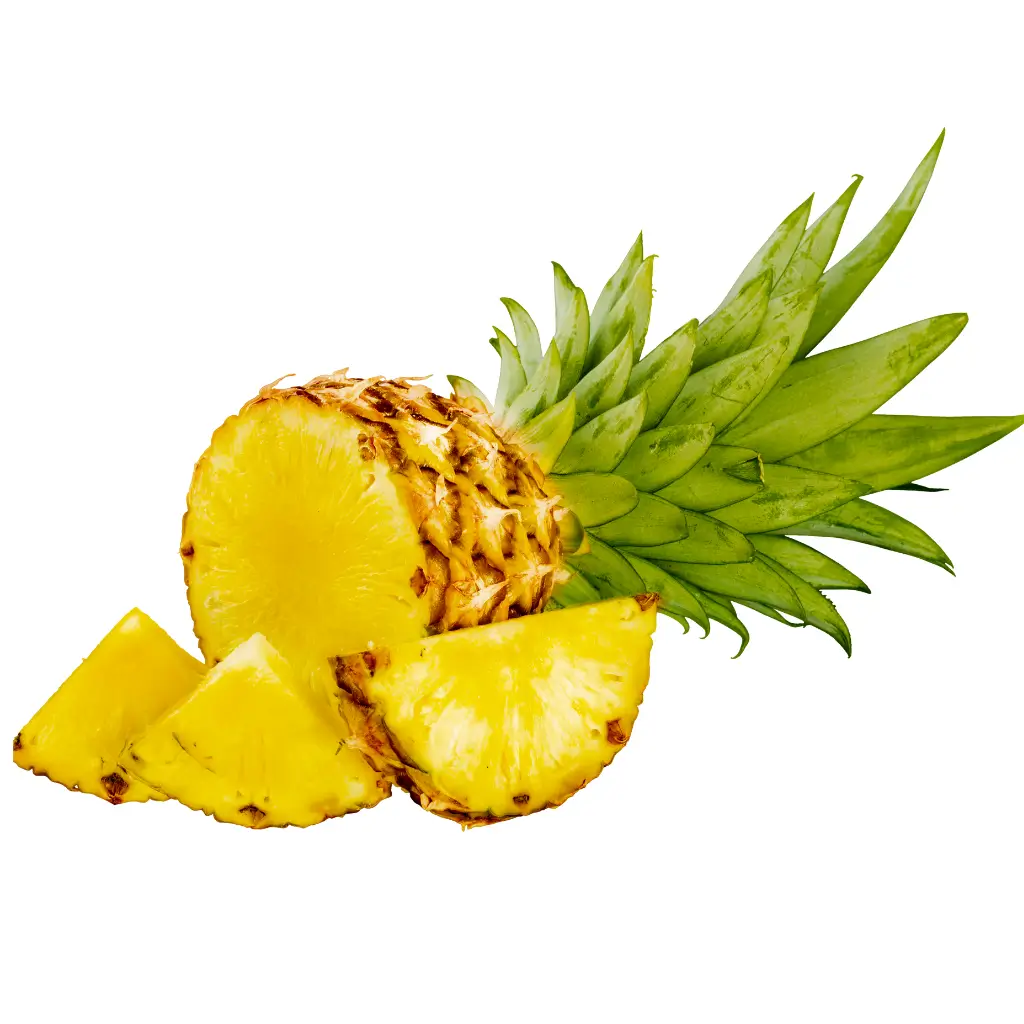
This tropical fruit contains bromelain, a unique enzyme with powerful anti-inflammatory effects. If your tinnitus is caused or worsened by inflammation, pineapple might become your new best friend.
Bromelain works by breaking down inflammatory compounds in your body, potentially reducing swelling in the ear tissues. Fresh pineapple contains more bromelain than canned versions, so opt for the fresh fruit when possible.
Food 7 – Garlic
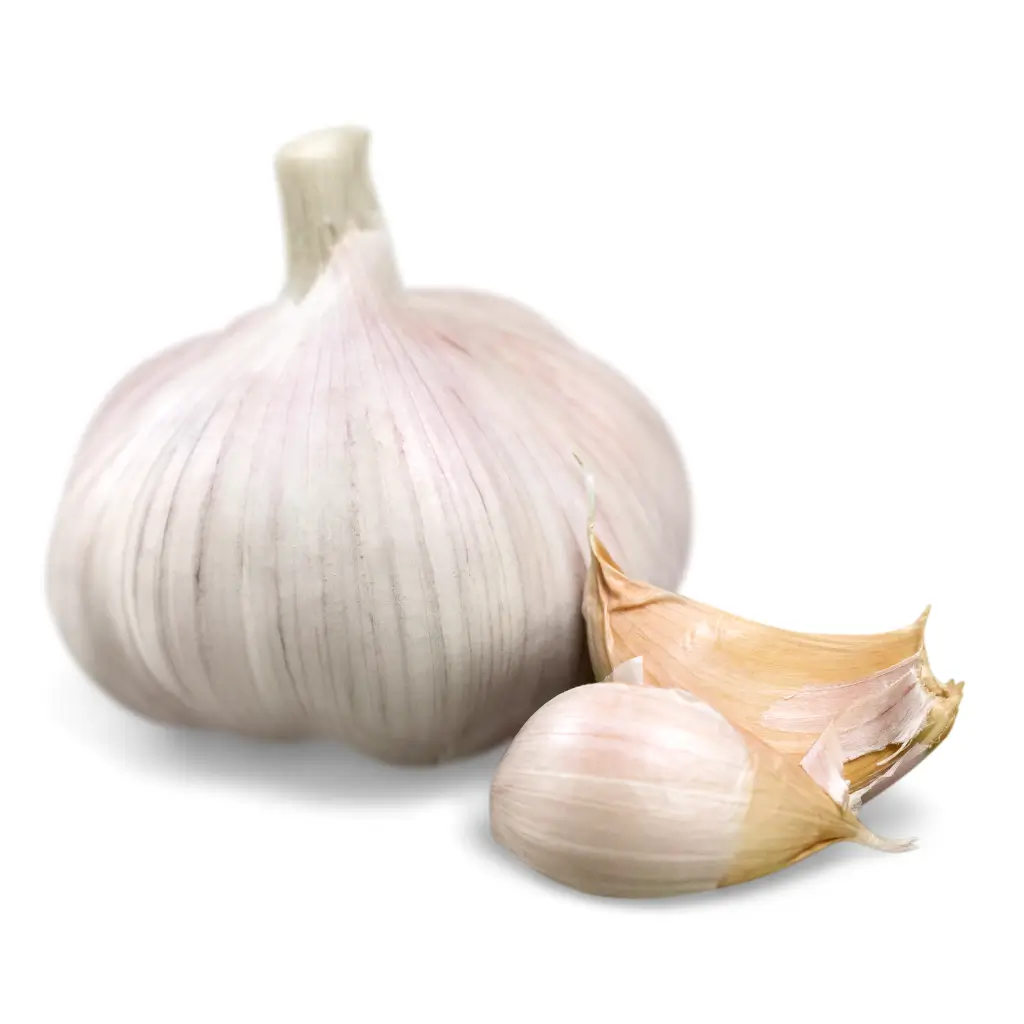
Garlic isn’t just for flavor; it’s a natural circulation booster that may help reduce ear pressure and ringing. The active compound allicin acts as a natural blood thinner, improving blood flow to your ears.
How garlic helps:
- Improves microcirculation in the ears
- May reduce ear pressure sensations
- Has antimicrobial properties
For maximum benefit, crush fresh garlic and let it sit for 10 minutes before cooking to activate the allicin.
Food 8 – Avocados
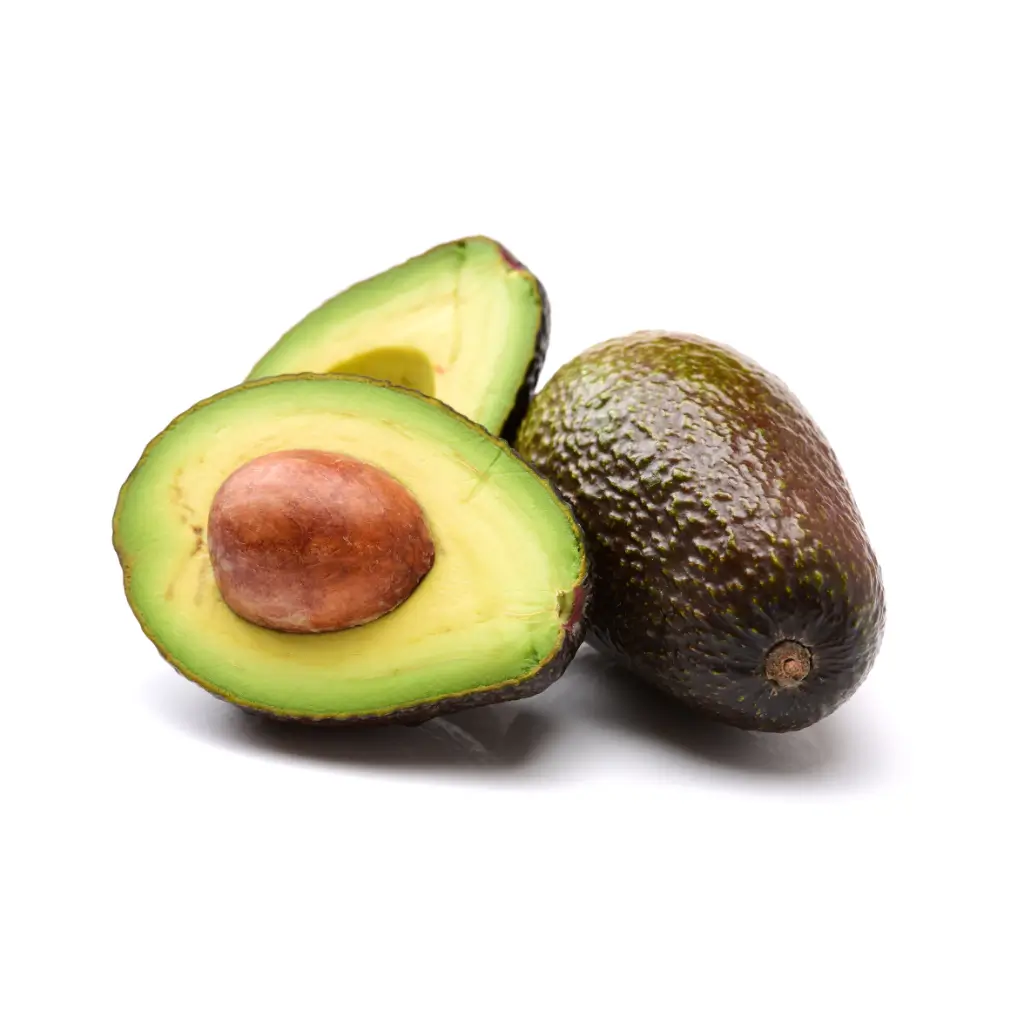
These creamy fruits are nutritional goldmines, packed with healthy monounsaturated fats, potassium, and magnesium. Avocados support both brain and nerve health important factors in how your body processes and perceives tinnitus.
The avocado advantage:
- Healthy fats support nerve membrane integrity
- High potassium content aids fluid balance
- Magnesium promotes a calm nervous system
Try adding half an avocado to salads, toast, or smoothies for a creamy, nutritious boost.
Food 9 – Dark Chocolate (in moderation)

Here’s some sweet news: dark chocolate (70% cacao or higher) contains zinc and antioxidants that may benefit tinnitus sufferers. It also has natural stress-relieving properties, which is important since stress often worsens tinnitus symptoms.
Important note: Enjoy dark chocolate in moderation. Too much can have a caffeine like effect that might actually worsen tinnitus in sensitive individuals. Stick to 1-2 small squares per day.
Food 10 – Herbal Teas (Ginger, Chamomile)

Certain herbal teas offer both anti-inflammatory benefits and relaxation support, a perfect combination for tinnitus management.
Ginger tea:
- Reduces inflammation
- Improves circulation
- May ease ear pressure
Chamomile tea:
- Promotes relaxation and better sleep
- Reduces stress related tinnitus flares
- Has mild anti-inflammatory effects
Sip these teas in the evening to support better sleep quality, which can significantly impact tinnitus perception. If nighttime tinnitus is particularly bothersome, combining herbal teas with other proven strategies to stop ringing in the ears at night can provide comprehensive relief.
Tinnitus Foods to Avoid Or Limit
While focusing on beneficial foods is important, it’s equally crucial to limit certain items that may worsen tinnitus:
High-Sodium Foods
Salt can worsen fluid retention in the inner ear, potentially increasing tinnitus intensity. Limit processed foods, canned soups, and restaurant meals.
Excessive Caffeine
While small amounts may be fine, too much caffeine can worsen tinnitus in some people. Monitor your response to coffee, energy drinks, and chocolate.
Alcohol
Alcohol can affect inner ear function and disrupt sleep patterns, both of which may worsen tinnitus symptoms.
Processed Sugars
High sugar intake can cause inflammation and blood sugar spikes that may intensify tinnitus.
When to Seek Professional Help
While dietary changes can be incredibly helpful, they’re not a substitute for professional medical care. The Mayo Clinic recommends seeking professional evaluation for persistent tinnitus. Consider seeing an audiologist or healthcare provider if:
- Your tinnitus persists despite lifestyle changes
- Symptoms suddenly worsen or change
- You experience hearing loss alongside tinnitus
- Tinnitus significantly impacts your daily life or sleep
A comprehensive hearing test and medical evaluation can help identify underlying causes and guide appropriate treatment options.
Conclusion
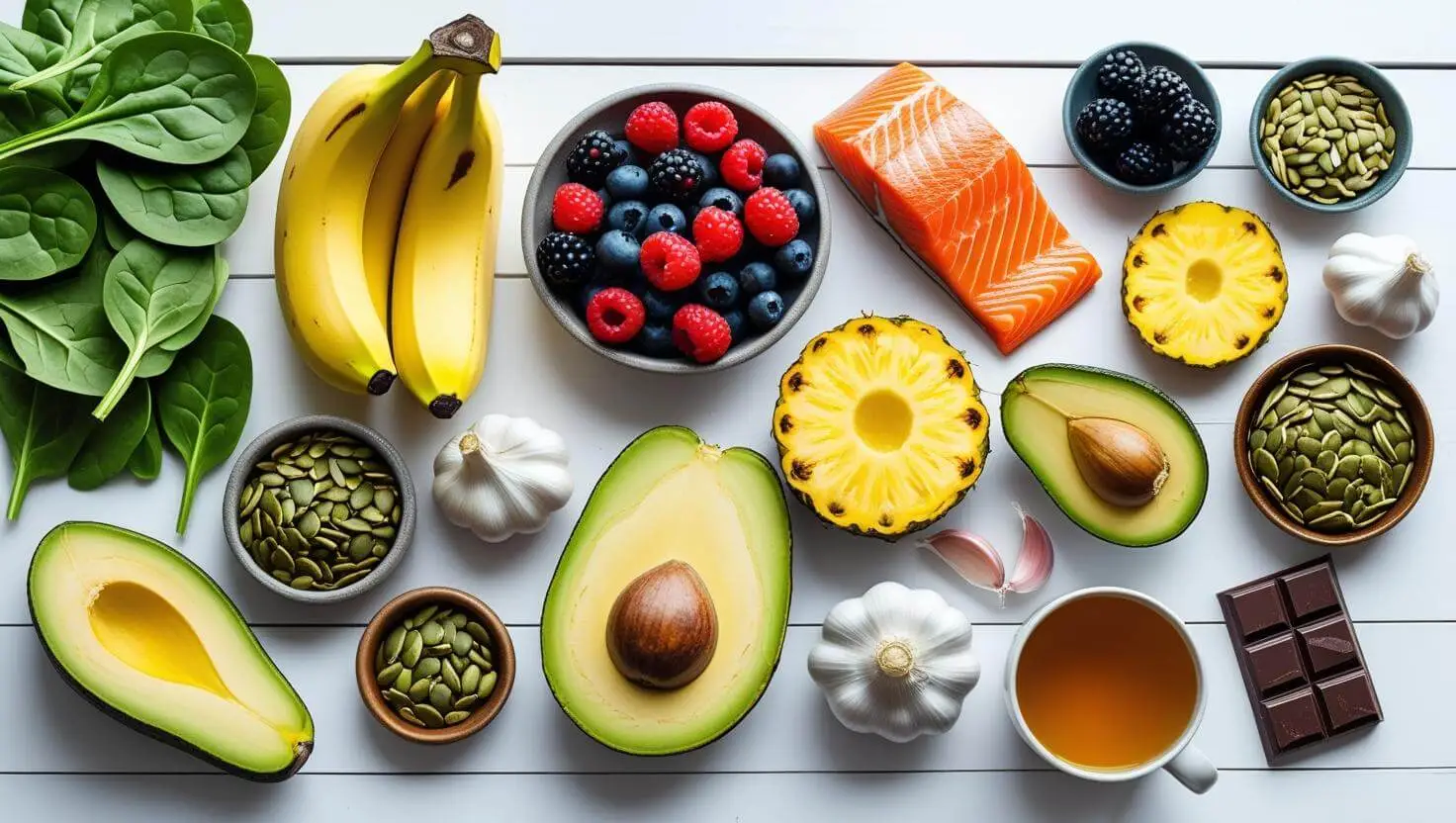
Managing tinnitus naturally through diet isn’t about finding a magic cure; it’s about supporting your overall ear health with nutrient rich foods that help tinnitus. From magnesium packed spinach to circulation boosting garlic, these ten foods offer science backed support for your auditory system.
While these dietary approaches form an excellent foundation for tinnitus management, some individuals find that combining food based nutrition with targeted supplements helps ensure they’re getting optimal levels of key nutrients.
Your action plan:
- Start with small changes: add one new tinnitus friendly food to your diet each week
- Focus on anti-inflammatory choices like berries and fatty fish
- Ensure adequate intake of key minerals: magnesium, zinc, and potassium
- Limit sodium, excessive caffeine, and processed foods
- Stay consistent: dietary changes take time to show results
- Consider tracking your nutrient intake to identify any gaps in your diet
Remember, everyone’s tinnitus is different, and what works for one person may not work for another. Research from the National Center for Biotechnology Information suggests that dietary modifications can significantly impact tinnitus severity for many individuals. Keep a food diary to track which dietary changes seem to help your symptoms most.