Table of Contents
Introduction
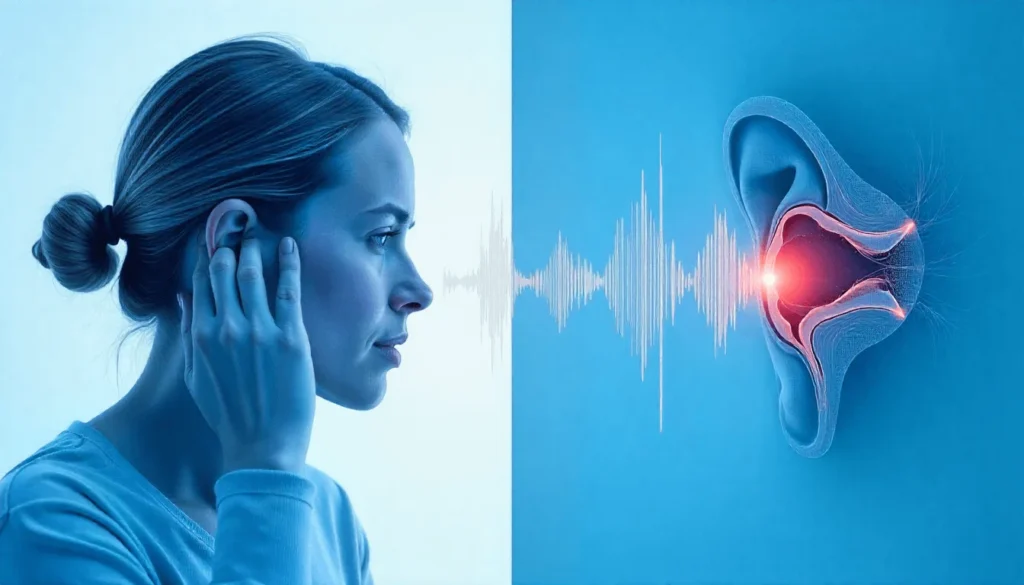
Have you ever noticed a rhythmic whooshing or thumping sound in just one ear that seems to pulse in sync with your heartbeat? You’re not alone. Pulsatile tinnitus in one ear only affects thousands of people and can range from a mild annoyance to a sign of something requiring medical attention.
Unlike regular tinnitus that persistent ringing, buzzing, or hissing sound many people experience, pulsatile tinnitus has a distinctive rhythmic quality that mirrors your pulse. When it occurs in only one ear, it raises important questions about what might be causing it and whether you should be concerned.
In this comprehensive guide, you’ll discover what pulsatile tinnitus is, explore the most common pulsatile tinnitus causes when it affects just one ear, learn to recognize accompanying pulsatile tinnitus symptoms, and understand exactly when you need to see a doctor. We’ll also cover diagnostic approaches and available pulsatile tinnitus treatment options so you can take informed action.
What Is Pulsatile Tinnitus in One Ear Only?
What is pulsatile tinnitus? Simply put, it’s a condition where you hear rhythmic sounds in your ear that synchronize with your heartbeat or pulse. According to the National Institute on Deafness and Other Communication Disorders (NIDCD), approximately 10-25% of adults experience some form of tinnitus, with pulsatile tinnitus being a rarer subtype. The sound often resembles:
- A whooshing noise like wind through a tunnel
- A thumping or drumming sensation
- A rhythmic pulsing or beating sound
- A swooshing pattern that ebbs and flows
Here’s a helpful analogy: imagine hearing water rushing through a pipe close to your ear. That internal “plumbing system” your blood vessels carry blood near your ear structures, and when something changes in how that blood flows, you can actually hear it.
Key Characteristics
| Feature | Pulsatile Tinnitus | Regular Tinnitus |
|---|---|---|
| Sound Pattern | Rhythmic, pulsing | Constant ringing/buzzing |
| Synchronization | Matches heartbeat | Not rhythmic |
| Primary Cause | Vascular or blood flow issues | Nerve or inner ear damage |
| Response to Activity | May change with pulse rate | Generally constant |
When pulsatile tinnitus occurs in only one ear (unilateral), it typically indicates a localized issue on that specific side of your head or neck. This differs from bilateral pulsatile tinnitus, which affects both ears and may suggest more systemic conditions.
Common Causes of Pulsatile Tinnitus in One Ear
Understanding the root cause is essential for effective treatment. Let’s break down the most frequent culprits:
3.1 Blood Flow and Vascular Causes
Your circulatory system plays a starring role in most cases of pulsatile tinnitus.
High Blood Pressure (Hypertension)
Elevated blood pressure increases the force of blood flow through your vessels, making it more audible, especially in the delicate structures near your ear. Think of it like turning up the water pressure in your home’s pipes; you’re more likely to hear the water rushing through.
Turbulent Blood Flow
When blood doesn’t flow smoothly through vessels near your ear, it creates turbulence. This can happen due to:
- Atherosclerosis (plaque buildup in arteries)
- Blood vessel malformations
- Increased blood flow during exercise or stress
Carotid Artery Issues
The carotid arteries run along both sides of your neck, carrying blood to your brain. When one becomes narrowed (stenosis) or develops a kink, blood flow becomes turbulent on that side, creating the characteristic pulsing sound in the corresponding ear.
3.2 Middle and Inner Ear Conditions
Problems within the ear itself can amplify the sounds of blood flow that we normally can’t hear.
Middle Ear Infections or Fluid Buildup
Inflammation or fluid in your middle ear can change how sound waves travel, making you more aware of internal sounds like blood flow. This is particularly common after colds or sinus infections.
Eustachian Tube Dysfunction
The eustachian tube connects your middle ear to the back of your throat, helping equalize pressure. When it doesn’t function properly:
- Pressure imbalances occur
- Internal sounds become amplified
- You may also experience ear fullness or muffled hearing
Otosclerosis
This condition involves abnormal bone growth in the middle ear, which can affect how sound is conducted and make vascular sounds more prominent in one ear.
3.3 Structural and Pressure-Related Causes
Some anatomical variations or conditions create the perfect environment for pulsatile tinnitus.
Jugular Bulb Abnormalities
The jugular vein runs close to the ear, and when the jugular bulb (an enlarged section of the vein) is positioned higher than normal or has a bony covering that’s thinner than usual, you’re more likely to hear blood flowing through it.
Idiopathic Intracranial Hypertension (IIH)
This condition involves increased pressure around the brain without a clear cause. It’s more common in women of childbearing age and can cause:
- Pulsatile tinnitus (often in one ear)
- Headaches
- Vision problems
- Pressure behind the eyes
Head or Neck Tumors
While rare, benign or malignant tumors in the head or neck region can press on blood vessels or directly involve them, creating altered blood flow patterns. Examples include:
- Glomus tumors (affect the ear area)
- Acoustic neuromas
- Vascular tumors
Important Note: Don’t panic most pulsatile tinnitus cases are NOT caused by tumors. However, this possibility underscores why medical evaluation is crucial.
Symptoms That Often Accompany Pulsatile Tinnitus
Pulsatile tinnitus rarely travels alone. Pay attention to these associated pulsatile tinnitus symptoms:
Primary Symptoms:
- Rhythmic whooshing or thumping that matches your heartbeat
- Volume changes with position changes (lying down vs. standing)
- Intensity variations with physical activity or stress
- One-sided sensation that doesn’t switch ears
Concerning Accompanying Symptoms:
- Hearing loss in the affected ear (gradual or sudden)
- Dizziness or balance issues that worsen over time
- Headaches (particularly severe or persistent)
- Visual disturbances such as blurred vision or temporary vision loss
- Neck pain or swelling on the affected side
- Ear fullness or pressure sensation
These additional symptoms provide valuable clues about the underlying cause and help doctors narrow down diagnostic possibilities.
Why Pulsatile Tinnitus Happens in Only One Ear
The unilateral nature of your symptoms is significant. Here’s why it typically affects just one side:
Anatomical Differences
No two sides of your body are perfectly symmetrical. Blood vessel positioning, bone structure, and soft tissue arrangements vary slightly between your left and right sides. These subtle differences mean that vascular changes affecting one side may not impact the other.
Localized Blood Vessel Changes
Conditions like atherosclerosis, blood vessel kinks, or vascular malformations typically develop in specific locations. If a carotid artery issue exists on your left side, you’ll hear pulsing in your left ear, not your right.
Side-Specific Ear or Sinus Issues
Infections, fluid buildup, or eustachian tube problems often affect one ear at a time. Even chronic sinus issues may be more severe on one side, creating asymmetric pressure that amplifies vascular sounds in only one ear.
When One-Sided Is More Concerning
While bilateral pulsatile tinnitus can indicate systemic issues like high blood pressure, unilateral symptoms warrant closer investigation because they may point to:
- Localized vascular abnormalities
- Tumors or growths
- Specific structural problems requiring targeted treatment
When to See a Doctor Immediately
Not all cases require emergency attention, but certain red flags demand immediate medical evaluation:
Seek Medical Care Right Away If You Experience:
- Sudden onset of pulsatile tinnitus, especially if it’s severe
- Neurological symptoms such as:
- Difficulty speaking or understanding speech
- Facial drooping or numbness
- Severe confusion or disorientation
- Vision loss (even temporary)
- Severe, sudden headache
- Worsening intensity or frequency despite rest
- Pulsatile tinnitus following head injury or trauma
- Complete hearing loss in the affected ear
- Symptoms suggesting stroke (remember FAST: Face drooping, Arm weakness, Speech difficulty, Time to call emergency services)
Schedule a Doctor’s Appointment Soon If:
- Pulsatile tinnitus persists for more than a week
- You notice progressive hearing changes
- Symptoms interfere with sleep or daily activities
- You have risk factors like hypertension or cardiovascular disease
- You experience persistent dizziness or balance problems
Don’t wait to “see if it goes away.” Early diagnosis can prevent complications and lead to more effective treatment.
How Doctors Diagnose Pulsatile Tinnitus
Diagnosing the cause requires a systematic approach. Here’s what to expect:
Medical History and Physical Examination
Your doctor will ask detailed questions about:
- When symptoms started
- What the sound is like
- What makes it better or worse
- Your medical history and medications
- Family history of cardiovascular disease
The physical exam includes:
- Listening to your neck and skull with a stethoscope (auscultation)
- Examining your ears with an otoscope
- Checking blood pressure
- Neurological assessment
Hearing Tests (Audiometry)
A comprehensive hearing evaluation determines:
- Whether you have hearing loss
- Which frequencies are affected
- Whether the issue is conductive or sensorineural
Imaging Tests
Based on initial findings, your doctor may order:
| Test Type | What It Reveals | When It’s Used |
|---|---|---|
| MRI (Magnetic Resonance Imaging) | Soft tissue details, blood vessel structure, tumors | Suspected vascular malformations, tumors, or IIH |
| CT Scan | Bone structure, blood vessel calcification | Evaluate the temporal bone and middle ear structures |
| MRA/CTA (Angiography) | Detailed blood vessel imaging | Suspected carotid stenosis, vessel abnormalities |
| Ultrasound (Doppler) | Blood flow patterns in neck vessels | Non-invasive screening for carotid disease |
Blood Pressure and Cardiovascular Evaluation
Comprehensive cardiovascular assessment may include:
- 24-hour blood pressure monitoring
- Blood tests (cholesterol, blood sugar, inflammatory markers)
- Echocardiogram if heart issues are suspected
Treatment Options for Pulsatile Tinnitus in One Ear
The good news? Pulsatile tinnitus treatment focuses on addressing the root cause, which often leads to symptom resolution.
Treating the Underlying Cause
For High Blood Pressure:
- Antihypertensive medications
- Dietary modifications (reducing sodium, increasing potassium)
- Weight management and exercise
- Stress reduction techniques
According to Mayo Clinic, treating the underlying condition is the most effective approach to managing pulsatile tinnitus, as symptoms often improve or resolve completely when the root cause is addressed.
For Eustachian Tube Dysfunction:
- Decongestants or antihistamines
- Nasal steroid sprays
- Eustachian tube balloon dilation (in persistent cases)
For Middle Ear Infections:
- Antibiotics (if bacterial)
- Anti-inflammatory medications
- Myringotomy (ear tube placement) for chronic fluid
For Vascular Issues:
- Cholesterol management with statins
- Antiplatelet therapy
- Managing diabetes and other cardiovascular risk factors
Surgical or Interventional Options
When necessary, surgical intervention may include:
- Carotid endarterectomy (removing plaque from the carotid artery)
- Stenting of narrowed blood vessels
- Embolization for vascular malformations
- Tumor removal if a growth is causing symptoms
- Shunt placement for idiopathic intracranial hypertension
Lifestyle Changes That May Reduce Symptoms
While addressing the underlying cause, these strategies can help:
Sound Therapy:
- White noise machines
- Relaxing background music
- Nature sounds apps
Stress Management:
- Meditation and mindfulness practices
- Regular exercise (with doctor approval)
- Adequate sleep (7-9 hours nightly)
Dietary Adjustments:
- Limit caffeine and alcohol (can worsen symptoms)
- Reduce sodium intake
- Stay well-hydrated
- Avoid foods that trigger symptoms
Position Awareness:
- Elevate your head while sleeping
- Notice if certain positions worsen symptoms
- Adjust accordingly
Can Pulsatile Tinnitus Go Away on Its Own?
The answer depends on the underlying cause.
Temporary Causes
Some cases resolve spontaneously when caused by:
- Temporary blood pressure spikes
- Acute middle ear infections
- Short-term medication effects
- Temporary eustachian tube dysfunction from allergies or colds
Persistent Causes
Conditions requiring treatment include:
- Chronic hypertension
- Structural vascular abnormalities
- Chronic ear conditions
- Tumors or growths
Factors Influencing Recovery
Positive prognostic factors:
- Early diagnosis and treatment
- Addressing modifiable risk factors
- Good treatment compliance
- Younger age and overall good health
Importance of Early Diagnosis
The sooner you identify and treat the underlying cause, the better your chances of complete symptom resolution. Some conditions, if left untreated, can worsen or lead to complications like:
- Permanent hearing loss
- Stroke (in cases of severe carotid stenosis)
- Vision loss (in untreated IIH)
Conclusion
Pulsatile tinnitus in one ear only is more than just an annoying sound; it’s your body’s way of signaling that something needs attention. While the rhythmic whooshing or thumping can be concerning, understanding the potential causes empowers you to take appropriate action.
Key Takeaways:
- Pulsatile tinnitus differs from regular tinnitus in that it synchronizes with your heartbeat
- Common causes range from high blood pressure to structural vascular issues
- Unilateral symptoms (affecting one ear) often indicate localized problems requiring specific evaluation
- Early medical evaluation is crucial, especially if you experience a sudden onset or accompanying symptoms
- Treatment focuses on addressing the underlying cause, often leading to symptom resolution
- Most cases are treatable when properly diagnosed
Your Next Steps
If you’re experiencing pulsatile tinnitus:
- Document your symptoms: Note when they occur, what makes them better or worse, and any accompanying issues
- Schedule a medical evaluation: Don’t delay, early diagnosis improves outcomes
- Manage cardiovascular risk factors: Control blood pressure, cholesterol, and blood sugar
- Stay positive: Most causes are treatable, and many patients experience significant improvement or complete resolution
Remember, you don’t have to live with that constant pulsing sound. With proper diagnosis and treatment, you can reclaim your quiet and enjoy life without the distraction of pulsatile tinnitus.
Have you experienced pulsatile tinnitus? Share your journey and help others by discussing your symptoms and treatment experiences in the comments below.
FAQ
Is pulsatile tinnitus in one ear dangerous?
Not always, but it warrants medical evaluation. While many causes are benign and treatable, pulsatile tinnitus can occasionally signal serious conditions like vascular malformations, high intracranial pressure, or tumors. The key is getting properly diagnosed.
Can anxiety cause pulsatile tinnitus?
Anxiety doesn’t directly cause pulsatile tinnitus, but it can exacerbate symptoms. Stress and anxiety increase heart rate and blood pressure, which may make the pulsing sound more noticeable.
Is pulsatile tinnitus always related to blood flow?
In most cases, yes. Pulsatile tinnitus typically results from hearing blood flow through vessels near your ear or from changes in blood flow patterns. However, the underlying reason for those changes varies widely.
Can sleeping position affect pulsatile tinnitus symptoms?
Absolutely. Many people notice their symptoms worsen when lying down, particularly on the affected side. This happens because positional changes affect blood flow and pressure distribution.