Table of Contents
If you’re among the millions experiencing the persistent ringing, buzzing, or humming of tinnitus, you’ve likely explored countless potential causes and remedies. But have you considered the connection between vitamin D deficiency and tinnitus? Emerging research suggests that this often-overlooked nutrient may play a surprising role in auditory health.
Tinnitus affects approximately 15-20% of adults worldwide, manifesting as phantom sounds that can range from mildly annoying to severely debilitating. While hearing loss, noise exposure, and stress are well-known triggers, scientists are increasingly investigating how nutritional deficiencies, particularly low vitamin D levels, might influence the severity and persistence of ear ringing.
In this comprehensive guide, we’ll explore the scientific connection between vitamin D and tinnitus, examine what happens when your body lacks this essential nutrient, and discover practical steps to support your auditory system through better nutrition and lifestyle choices.
What Is Vitamin D and Why Does the Body Need It?
Overview of Vitamin D
Vitamin D stands apart from other nutrients because your body can actually produce it when your skin is exposed to sunlight. This fat-soluble vitamin functions more like a hormone than a traditional vitamin, orchestrating numerous biological processes throughout your body.
Unlike water-soluble vitamins that pass through your system quickly, vitamin D is stored in fatty tissues and the liver, providing a reservoir your body can draw upon when needed. This unique characteristic makes it essential for long-term health maintenance.
How Vitamin D Supports the Nervous System
Your nervous system relies on vitamin D for optimal function in several critical ways:
Calcium Regulation: Vitamin D controls how your body absorbs and uses calcium, which is vital for nerve signal transmission. Without adequate vitamin D, nerves struggle to communicate effectively.
Neurotransmitter Balance: This nutrient influences the production and regulation of neurotransmitters like serotonin and dopamine, which affect mood, pain perception, and neural signaling throughout your auditory pathways.
Inflammation Control: Vitamin D acts as a powerful modulator of immune responses, helping to reduce chronic inflammation that can damage delicate nerve tissues.
Vitamin D and Inner Ear Health
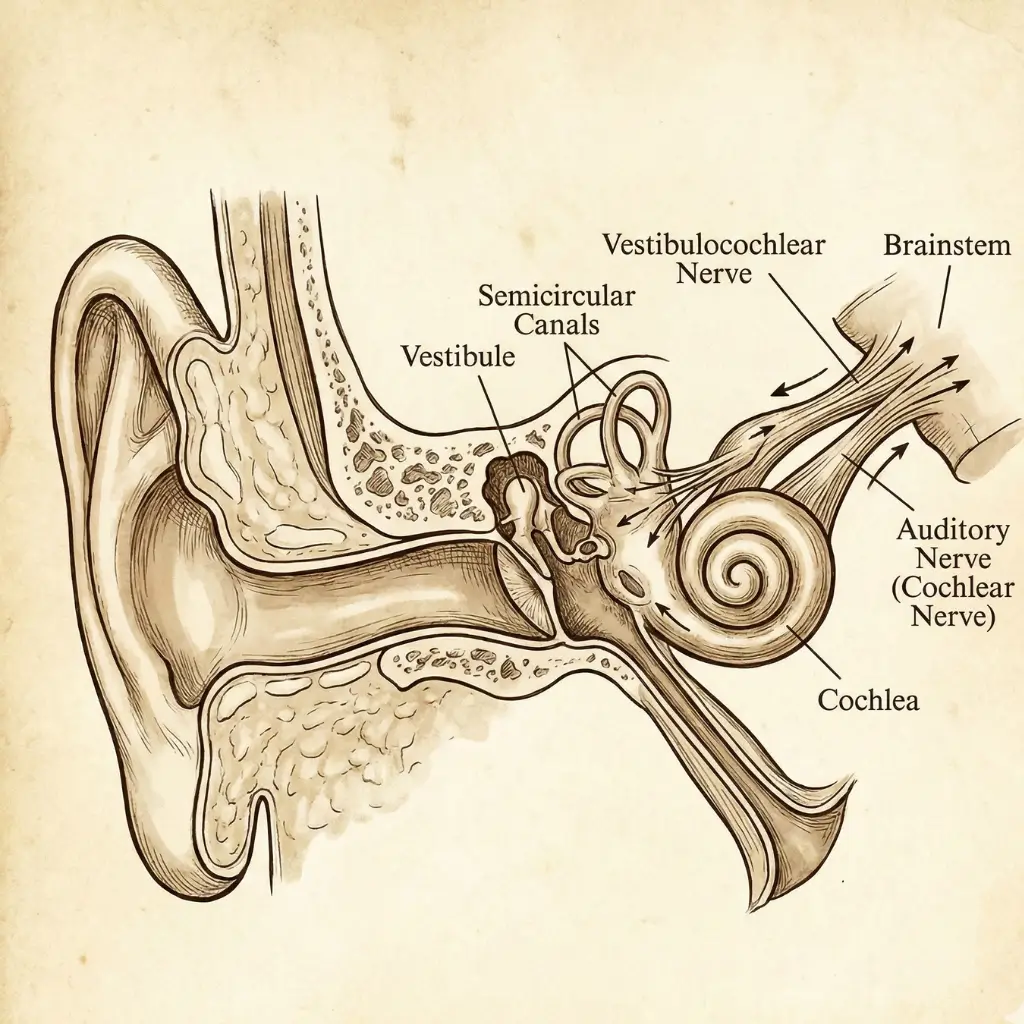
The connection between vitamin D and your inner ear is particularly fascinating. Your cochlea, the spiral-shaped organ responsible for converting sound waves into electrical signals, contains vitamin D receptors. This suggests the nutrient plays a direct role in auditory function.
Research indicates that vitamin D may:
- Protect cochlear hair cells from oxidative damage
- Support the health of auditory nerve pathways
- Regulate calcium homeostasis in the inner ear fluid
- Maintain the structural integrity of the bone surrounding the inner ear
Can Vitamin D Deficiency Cause or Worsen Tinnitus?
What Scientific Studies Reveal
The relationship between vitamin D deficiency and tinnitus has captured the attention of researchers worldwide. Here’s what peer-reviewed studies have discovered:
| Study Focus | Key Finding | Significance |
|---|---|---|
| Prevalence Studies | Tinnitus patients show significantly lower vitamin D levels compared to control groups | Suggests deficiency may be a risk factor |
| Severity Correlation | More severe tinnitus symptoms correlate with lower vitamin D concentrations | Indicates potential dose-response relationship |
| Supplementation Trials | Some patients report reduced tinnitus intensity after vitamin D correction | Points to potential therapeutic benefit |
Research published in peer-reviewed journals has found that individuals with chronic tinnitus had notably lower serum vitamin D levels than those without the condition. A comprehensive meta-analysis published in the journal Diagnostics confirmed this association, revealing that nearly 80% of tinnitus sufferers tested deficient in vitamin D, compared to just 35% of the general population.
While these findings are compelling, researchers emphasize that correlation doesn’t equal causation; we need more controlled trials to establish definitive causality.
Why Low Vitamin D May Influence Tinnitus
Scientists have proposed several biological mechanisms to explain how vitamin D deficiency and tinnitus are connected:
Increased Inflammation Around Auditory Nerves: Low vitamin D levels allow inflammatory cytokines to proliferate unchecked, potentially irritating the auditory nerve and amplifying phantom sound perception.
Higher Oxidative Stress in Cochlear Cells: Without sufficient vitamin D’s antioxidant properties, free radicals can damage the delicate hair cells in your cochlea, leading to abnormal neural firing patterns interpreted as ringing or buzzing.
Impaired Calcium Metabolism: Since vitamin D regulates calcium absorption, deficiency disrupts the precise calcium balance required for proper nerve signal transmission. This disruption may cause neurons to fire erratically, creating the perception of sound where none exists.
Vitamin D Is Not a Cure, But It May Help
Let’s be clear: addressing vitamin D deficiency won’t magically eliminate tinnitus for everyone. However, if low vitamin D levels are contributing to inflammatory processes or nerve dysfunction that exacerbate your symptoms, correcting the deficiency might provide meaningful relief.
Think of vitamins for tinnitus as one piece of a larger puzzle rather than a standalone solution. Comprehensive tinnitus management typically requires a multifaceted approach, including hearing protection, stress management, sound therapy, and addressing all underlying health issues, including nutritional deficiencies.
Common Symptoms of Vitamin D Deficiency (Often Overlooked)
Many people live with vitamin D deficiency without realizing it, attributing symptoms to stress, aging, or other conditions. Watch for these warning signs:
- Persistent Fatigue: Feeling exhausted despite adequate sleep
- Muscle Weakness: Difficulty with physical tasks that were previously manageable
- Mood Changes: Increased anxiety, depression, or irritability
- Frequent Illness: Getting sick more often as immune function declines
- Bone Pain: Aching bones or joints, particularly in the back and legs
- Increased Nerve Sensitivity: Heightened pain perception or tingling sensations
Here’s what makes this particularly relevant for tinnitus sufferers: many of these symptoms overlap with known triggers of tinnitus. Fatigue and stress can intensify ear ringing, while anxiety and depression often accompany chronic tinnitus, creating a vicious cycle. If you’re experiencing both tinnitus and several of these symptoms, vitamin D deficiency might be an underlying common factor worth investigating.
How Vitamin D Affects Inflammation Linked to Tinnitus
Chronic Inflammation and Ear Ringing
Inflammation isn’t always the obvious redness and swelling you see on your skin. Chronic, low-grade inflammation can simmer quietly throughout your body, including in your auditory system. Research into vitamin D deficiency and tinnitus has revealed that inflammation plays a critical role in symptom severity
When inflammatory molecules accumulate around auditory nerves, they can:
- Alter nerve firing patterns
- Increase sensitivity to sound signals
- Disrupt the normal filtering of irrelevant neural activity
- Create or intensify the perception of phantom sounds
Vitamin D as an Anti-Inflammatory Nutrient
Vitamin D functions as a natural anti-inflammatory agent by:
- Regulating Immune Cell Activity: It helps calibrate your immune response, preventing overreaction that leads to chronic inflammation
- Reducing Pro-Inflammatory Cytokines: Vitamin D suppresses molecules like TNF-alpha and IL-6 that drive inflammatory processes
- Supporting Barrier Integrity: It maintains healthy tissue barriers that prevent inflammatory triggers from reaching sensitive areas
For tinnitus sufferers, maintaining adequate vitamin D levels may help calm the inflammatory environment that contributes to symptom flare-ups. While it won’t address all causes of tinnitus, reducing inflammation is a scientifically supported strategy for symptom management.
Foods Rich in Vitamin D That Support Ear and Nerve Health

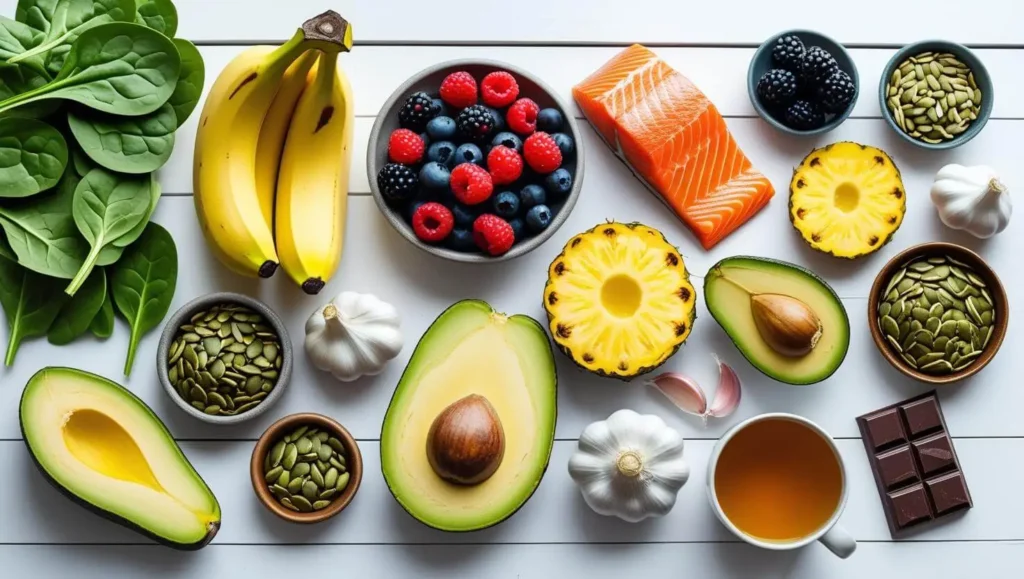
Diet plays a crucial role in maintaining healthy vitamin D levels. Here are the best food sources to incorporate into your nutrition plan:
Fatty Fish (Salmon, Sardines, Mackerel)
These ocean dwellers are vitamin D powerhouses, with a 3.5-ounce serving of salmon providing approximately 570 IU of vitamin D, well over half your daily requirement.
Bonus for Tinnitus: Fatty fish also deliver omega-3 fatty acids (EPA and DHA), which have their own anti-inflammatory properties and support auditory nerve health. This nutritional synergy makes fish an ideal choice for anyone concerned about both vitamin D and tinnitus.
Learn more about how omega-3 fatty acids can benefit tinnitus symptoms.
Egg Yolks
One large egg yolk contains about 37 IU of vitamin D, primarily in the form of vitamin D3 (the most bioavailable type). While this seems modest, regular egg consumption contributes to your overall intake.
Nerve Support: Eggs also provide choline, B vitamins, and quality protein that support nervous system function and neurotransmitter production.
Fortified Foods (Milk, Cereal, Orange Juice)
Many countries fortify common foods with vitamin D to combat widespread deficiency:
- Fortified milk: 115-130 IU per cup
- Fortified cereal: 40-100 IU per serving
- Fortified orange juice: 100 IU per cup
- Fortified plant-based milk: 100-144 IU per cup
These options are beneficial for people living in northern climates with limited sunlight exposure or those following plant-based diets.
Mushrooms Exposed to UV Light
Mushrooms are unique among plant foods because they can synthesize vitamin D when exposed to ultraviolet light, similar to human skin. UV-treated mushrooms can contain 130-450 IU per 3-ounce serving.
Vegan Advantage: For those avoiding animal products, UV-exposed mushrooms (look for labels indicating “UV-treated” or “vitamin D enriched”) offer a valuable dietary source.
Sun Exposure and Tinnitus: Does It Help Raise Vitamin D?

Safe Sunlight Guidelines
Your skin produces vitamin D when exposed to UVB radiation from sunlight. The amount of sun exposure needed varies based on several factors:
- Fair Skin: 10-15 minutes of midday sun without sunscreen, several times weekly
- Medium Skin Tone: 15-20 minutes
- Darker Skin: 20-30 minutes or more (melanin reduces vitamin D production)
The optimal time is when your shadow is shorter than your height (typically between 10 AM and 3 PM), as UVB radiation is strongest during these hours.
Factors That Reduce Vitamin D Production
Several barriers can prevent adequate vitamin D synthesis:
| Factor | Impact |
|---|---|
| Sunscreen (SPF 30+) | Blocks 95-99% of vitamin D production |
| Indoor Lifestyle | No UVB exposure through glass windows |
| Winter Weather | Reduced UVB intensity at higher latitudes (above 37° latitude) |
| Air Pollution | Absorbs and scatters UVB rays |
| Aging | 70-year-olds produce 75% less vitamin D than 20-year-olds |
Can Sunlight Directly Improve Tinnitus?
While sunlight doesn’t directly treat tinnitus, the vitamin D production it triggers may offer indirect benefits. By correcting the deficiency, you’re addressing one potential contributor to inflammation and nerve dysfunction that may worsen your symptoms. Understanding the vitamin D deficiency and tinnitus connection can help you make informed decisions about sun exposure as part of your management strategy.
Additionally, sunlight exposure has documented mood-boosting effects, which can be valuable since depression and anxiety often accompany chronic tinnitus. However, always balance vitamin D production with skin cancer prevention. Brief, regular exposure is the goal, not extended sunbathing.
Vitamin D Supplements: Can They Reduce Tinnitus?
When Supplements Are Recommended
Healthcare providers typically recommend vitamin D supplementation for:
- Confirmed Deficiency: Blood levels below 20 ng/mL (50 nmol/L)
- Insufficiency: Levels between 20-30 ng/mL (50-75 nmol/L)
- Limited Sun Exposure: Indoor workers, homebound individuals, or those covering skin for religious/cultural reasons
- Chronic Conditions: Kidney disease, liver disorders, or autoimmune conditions affecting vitamin D metabolism
- Malabsorption Issues: Celiac disease, Crohn’s disease, or gastric bypass surgery
If you suspect vitamin D deficiency and tinnitus might be connected in your case, ask your doctor for a 25-hydroxyvitamin D blood test before starting supplements.
Recommended Intake (General Guidance)
The appropriate dosage depends on your current levels, age, and health status. According to the National Institutes of Health Office of Dietary Supplements, recommended intake varies:
Maintenance Doses (for those with adequate levels):
- Adults: 600-800 IU daily
- Adults over 70: 800-1,000 IU daily
Therapeutic Doses (for deficiency correction):
- 1,000-4,000 IU daily for several weeks to months
- Higher doses under medical supervision for severe deficiency
Vitamin D2 vs. D3: Vitamin D3 (cholecalciferol) is generally more effective at raising blood levels than D2 (ergocalciferol). When choosing supplements, look for D3 derived from lanolin or lichen (vegan option).
Signs You May Be Taking Too Much
While vitamin D toxicity is rare, excessive supplementation can cause:
- Persistent headaches
- Nausea and vomiting
- Loss of appetite
- Excessive thirst and frequent urination
- Elevated calcium levels (hypercalcemia)
- Kidney problems
Important: The upper tolerable limit is 4,000 IU daily for most adults, though some people may safely take higher doses under medical supervision. Regular blood testing ensures you’re in the optimal range (30-50 ng/mL) without exceeding safe levels.
Who Is Most at Risk for Vitamin D Deficiency?
Understanding your risk factors helps you take proactive steps toward addressing potential vitamin D deficiency and tinnitus concerns:
Older Adults: Skin becomes less efficient at producing vitamin D, and kidney function may decline, reducing conversion to the active form.
People in Northern Climates: Those living above 37° latitude (north of Los Angeles, for example) receive insufficient UVB radiation during winter months.
Individuals with Kidney or Liver Issues: These organs convert vitamin D to its active form; disease impairs this process.
People with Autoimmune Disorders: Conditions like lupus or rheumatoid arthritis increase deficiency risk through inflammation and medication effects.
Darker Skin Tones: Higher melanin content requires longer sun exposure for equivalent vitamin D production.
Indoor Workers: Office jobs and limited outdoor recreation severely restrict sun exposure.
Limited Dietary Sources: Vegetarians, vegans, and those avoiding dairy and fish face greater difficulty meeting needs through food alone.
If you fall into multiple risk categories and experience tinnitus, investigating your vitamin D status becomes even more important. The vitamin D deficiency and tinnitus relationship may be particularly relevant for individuals with these risk factors.
Conclusion: Taking a Comprehensive Approach to Tinnitus and Nutrition
The emerging research on vitamin D and tinnitus reveals an intriguing connection that deserves attention, though we’re still uncovering the full scope of this relationship. While vitamin D isn’t a miracle cure for tinnitus, evidence suggests that correcting deficiency may help reduce inflammation, support nerve health, and potentially decrease symptom intensity for some individuals.
Key Takeaways:
- Vitamin D deficiency and tinnitus share documented connections in multiple research studies
- Low vitamin D levels may worsen tinnitus through inflammatory and neurological pathways
- Combining sunlight exposure, vitamin D-rich foods, and supplements (when needed) can optimize levels
- Addressing vitamins for tinnitus should be part of a broader management strategy, not a standalone treatment
If you’re struggling with persistent ear ringing, consider having your vitamin D levels checked. Whether through dietary changes, sensible sun exposure, or appropriate supplementation, correcting this deficiency might provide the relief you’ve been seeking or at least contribute to your overall auditory and neurological health. Many patients who address their vitamin D deficiency and tinnitus symptoms together report noticeable improvements in their quality of life.
Remember, tinnitus management is rarely a one-dimensional approach. Work with healthcare professionals to develop a comprehensive plan that addresses multiple factors: nutrition, stress management, hearing protection, underlying health conditions, and lifestyle modifications.
FAQ
Can vitamin D deficiency cause tinnitus?
Research suggests that vitamin D deficiency may worsen tinnitus symptoms through increased inflammation, oxidative stress, and impaired nerve function. While deficiency may not directly cause tinnitus, correcting low levels may help reduce symptom intensity for some individuals.
What are the best vitamins for tinnitus?
Vitamin D, B vitamins (especially B12), magnesium, and zinc are commonly studied for tinnitus management. Vitamin D specifically supports nerve health, reduces inflammation, and maintains inner ear function.
How much vitamin D should I take for tinnitus?
Dosage depends on your current vitamin D levels. Maintenance doses range from 600-1,000 IU daily, while therapeutic doses for deficiency may be 1,000-4,000 IU daily. Always consult a healthcare provider and get blood tests before starting supplementation.
Which foods are rich in vitamin D for ear health?
Fatty fish (salmon, sardines, mackerel), egg yolks, fortified milk and cereals, and UV-exposed mushrooms are excellent vitamin D sources that support auditory and nerve health.