Table of Contents
If you’ve ever experienced that persistent ringing, buzzing, or humming sound in your ears that no one else can hear, you’re not alone. Tinnitus affects millions of people worldwide, and while there’s no magic cure, emerging research suggests that antioxidant foods for tinnitus may offer meaningful relief by protecting the delicate cells in your inner ear.
Tinnitus occurs when the hair cells in your cochlea (the snail shaped part of your inner ear) become damaged or stressed. These microscopic cells are incredibly vulnerable to oxidative stress a process where harmful molecules called free radicals overwhelm your body’s natural defenses and cause cellular damage. Think of it like rust forming on metal, but happening inside your ears.
In this comprehensive guide, we’ll explore the fascinating connection between antioxidants and ear health, backed by scientific research. You’ll discover which antioxidant-rich foods can help protect your auditory system, practical meal plans to incorporate them into your daily routine, and realistic expectations about what dietary changes can and cannot do for your tinnitus symptoms.
What Are Antioxidants and Why Are They Important for Ear Health?
Before we dive into specific foods, let’s understand why antioxidants matter so much for your ears.
Understanding Oxidative Stress
Your body produces free radicals as a natural by product of metabolism, they’re created when you breathe, digest food, or even exercise. In normal amounts, free radicals aren’t necessarily harmful. The problem arises when they accumulate faster than your body can neutralize them.
How free radicals damage cochlear cells:
- They attack the cell membranes of hair cells in your cochlea
- They disrupt the delicate metabolic processes that convert sound waves into electrical signals
- They trigger inflammatory responses in the auditory nerve pathways
- They compromise the blood vessels that supply oxygen and nutrients to your inner ear
Research has established a clear link between oxidative stress and tinnitus severity. People experiencing chronic tinnitus often show elevated markers of oxidative damage in their bloodstream and reduced levels of protective antioxidants.
How Antioxidants Work in the Body
Antioxidants are your body’s defense system against free radicals. They work through several powerful mechanisms:
Neutralizing free radicals: Antioxidants donate electrons to unstable free radicals, essentially “disarming” them before they can damage healthy cells. This is particularly crucial in your inner ear, where hair cells cannot regenerate once destroyed.
Supporting mitochondrial function: Your auditory pathways require enormous amounts of energy. Antioxidants help protect the mitochondria (your cells’ power plants) in these areas, ensuring they can continue producing the energy needed for hearing.
Enhancing blood flow and reducing inflammation: Many antioxidants improve circulation to the tiny blood vessels in your cochlea while simultaneously reducing inflammation that can exacerbate tinnitus symptoms.
Can Antioxidants Reduce Tinnitus? What Research Suggests
Let’s look at what the science actually tells us about antioxidant foods for tinnitus relief.
Studies on Oxidative Stress and Tinnitus
Multiple peer-reviewed studies have revealed compelling connections between antioxidant levels and tinnitus severity:
- Research has found that people with chronic tinnitus had significantly lower plasma antioxidant capacity compared to those without the condition
- Studies published in scientific journals demonstrated that individuals with tinnitus showed elevated markers of oxidative stress, including increased lipid peroxidation
- Clinical trials have observed that patients with the most severe tinnitus symptoms often have depleted levels of key antioxidants like vitamin C, vitamin E, and glutathione
Antioxidants That Show Promise in Research
Several specific antioxidants have emerged as particularly beneficial for ear health:
| Antioxidant | Primary Benefit | Food Sources |
|---|---|---|
| Vitamin C | Protects blood vessel integrity | Citrus fruits, berries, peppers |
| Vitamin E | Shields cell membranes | Nuts, seeds, avocados |
| Magnesium | Reduces nerve excitability | Leafy greens, legumes, whole grains |
| Zinc | Supports immune function in ears | Oysters, pumpkin seeds, beef |
| N-acetylcysteine (NAC) | Boosts glutathione production | Available as supplement |
| Alpha-lipoic acid (ALA) | Regenerates other antioxidants | Spinach, broccoli, organ meats |
| CoQ10 | Protects mitochondria | Fatty fish, whole grains |
What Antioxidants Can and Cannot Do
Let’s set realistic expectations. Antioxidant-rich foods can:
- Reduce oxidative damage to cochlear hair cells
- Lower inflammation in auditory nerve pathways
- Potentially decrease the severity or frequency of tinnitus episodes
- Support overall ear health and circulation
- Work synergistically with other tinnitus management strategies
However, antioxidants are not a cure for tinnitus. They should be viewed as one component of a holistic approach that may also include sound therapy, stress management, proper sleep, and medical treatment when necessary.
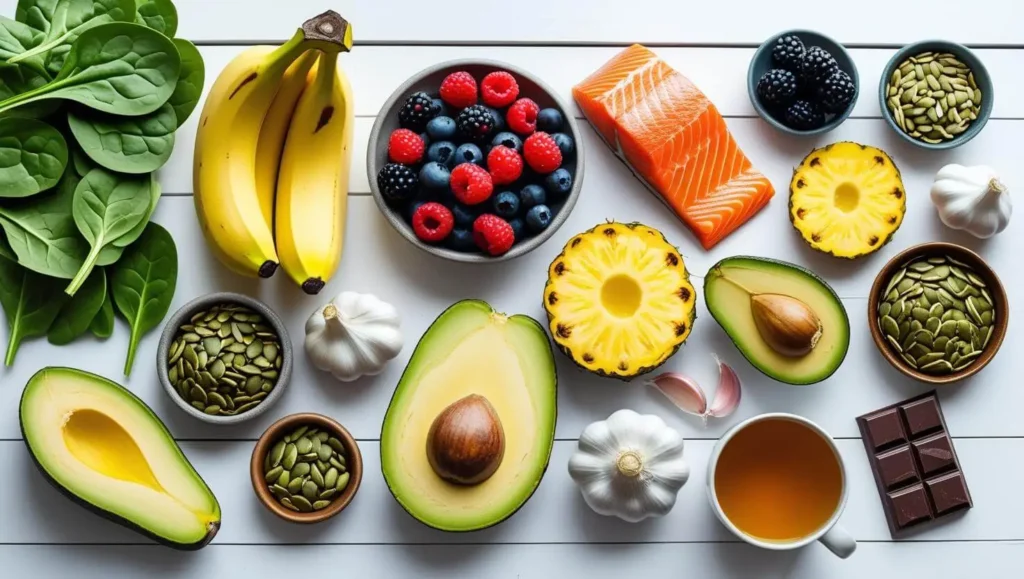
8 Best Antioxidant Foods for Tinnitus Relief (Science-Backed)
Now for the practical part which foods should you eat? Here are the top antioxidant foods for tinnitus management:
1. Berries (Blueberries, Strawberries, Blackberries)
Berries are nutritional powerhouses packed with anthocyanins antioxidants that give them their vibrant colors. These compounds have been shown to improve blood flow to the cochlea and protect against cellular damage.
Why they help: The high concentration of vitamin C and polyphenols in berries supports the health of tiny blood vessels in your inner ear, ensuring optimal oxygen and nutrient delivery.
Daily serving: Aim for 1-2 cups of mixed berries daily, fresh or frozen.
2. Dark Leafy Greens (Spinach, Kale, Swiss Chard)
If there’s one food group you should prioritize, it’s dark leafy greens. They’re loaded with magnesium a mineral that reduces the excitability of auditory nerves and may lower tinnitus perception.
Why they help: These greens provide a triple benefit: antioxidants to fight oxidative stress, magnesium to calm overactive neurons, and folate to support healthy blood cell production.
Daily serving: 2-3 cups of raw greens or 1-1.5 cups cooked.
3. Citrus Fruits (Oranges, Lemons, Grapefruits)
Citrus fruits are renowned for their vitamin C content, which is essential for collagen production and blood vessel health throughout your body including the delicate vessels in your ears.
Why they help: Vitamin C strengthens capillary walls and reduces inflammation, potentially minimizing tinnitus flare-ups triggered by poor circulation.
Daily serving: 1-2 medium citrus fruits or freshly squeezed juice.
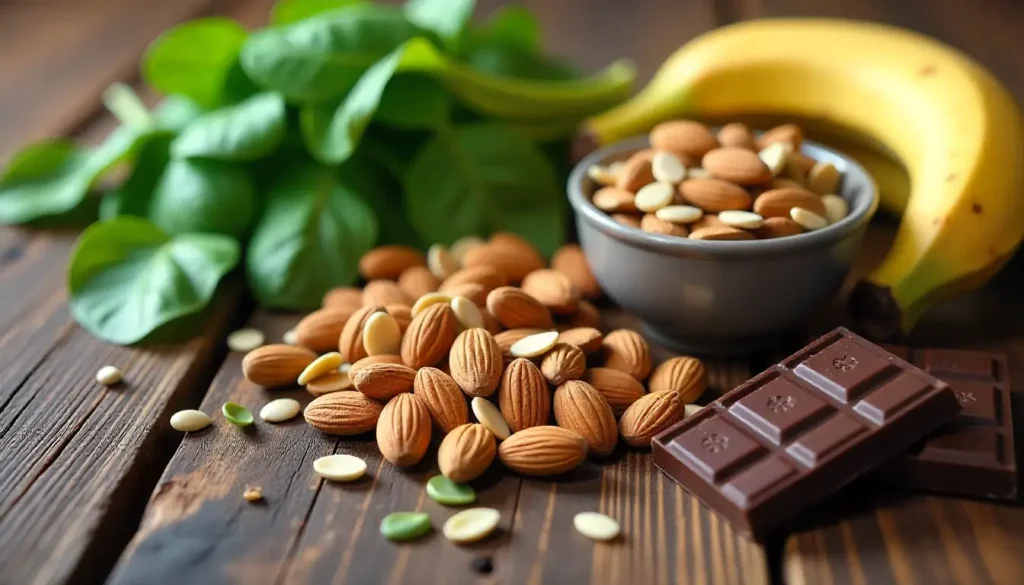
4. Nuts and Seeds (Almonds, Walnuts, Pumpkin Seeds)
These crunchy snacks contain vitamin E, zinc, and omega-3 fatty acid precursors all crucial for nerve health and cell membrane integrity.
Why they help: The combination of healthy fats and antioxidants in nuts and seeds supports the myelin sheath around auditory nerves and provides building blocks for cell repair.
Daily serving: A small handful (about 1 ounce or 28 grams).
5. Fatty Fish (Salmon, Sardines, Mackerel)
Omega-3 fatty acids found in fatty fish are powerful anti-inflammatory compounds that reduce inflammatory responses throughout your auditory system.
Why they help: Research suggests that omega-3s improve microcirculation in the ear and may reduce the severity of noise-induced tinnitus.
Weekly serving: 2-3 servings of 3-4 ounces each.
6. Turmeric and Ginger
These golden and pungent roots contain curcumin and gingerol potent anti-inflammatory antioxidants that have been used medicinally for centuries.
Why they help: Both compounds inhibit inflammatory pathways that can worsen tinnitus and support healthy circulation to your ears.
Daily serving: Fresh: 1-2 inches of root; Ground: 1-2 teaspoons in cooking.
7. Green Tea
Green tea provides epigallocatechin gallate (EGCG), a catechin with remarkable protective properties for inner ear cells.
Why they help: EGCG crosses the blood-brain barrier and offers direct protection to auditory structures while also promoting stress reduction important since stress often worsens tinnitus.
Daily serving: 2-3 cups of brewed green tea.
8. Dark Chocolate (70% Cacao and Above)
Yes, chocolate can be part of your tinnitus-friendly diet! Dark chocolate contains flavonoids that improve blood flow throughout your body.
Why they help: The improved circulation benefits auditory microcirculation, potentially reducing symptoms related to poor blood flow.
Daily serving: 1-2 small squares (about 20-30 grams) in moderation.
How Antioxidant Foods Support the Ears (Mechanisms)
Understanding the “why” behind antioxidant foods for tinnitus helps you appreciate their importance:
- Reduce inflammation around auditory nerves: Chronic inflammation can amplify tinnitus signals. Antioxidants dampen inflammatory responses, creating a calmer environment for nerve function.
- Protect cochlear hair cells from oxidative stress: These cells are particularly vulnerable because they’re constantly processing vibrations. Antioxidants create a protective shield against free radical damage.
- Improve vascular function and oxygen supply: Your inner ear needs a steady supply of oxygen rich blood. Antioxidants keep blood vessels flexible and open, ensuring optimal circulation.
- Regulate metabolic stress that worsens tinnitus: When your cells are under metabolic stress, they may misfire signals that your brain interprets as sound. Antioxidants help maintain metabolic balance.
Daily Eating Plan to Increase Antioxidants for Ear Health
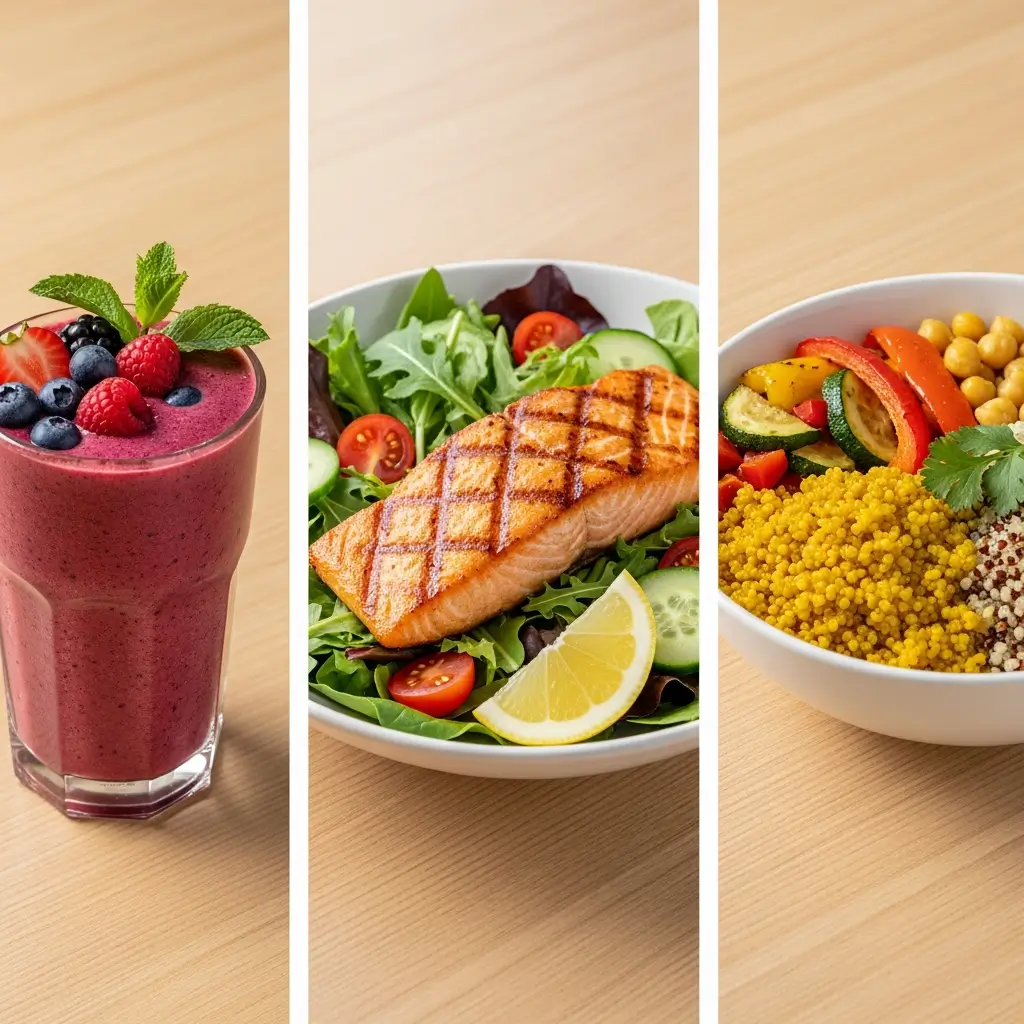
Ready to put this knowledge into action? Here’s a simple framework for incorporating antioxidant foods for tinnitus into your daily routine.
Simple Meal Ideas
Breakfast: Antioxidant Berry & Spinach Smoothie
- 1 cup mixed berries (blueberries, strawberries)
- 2 cups fresh spinach
- 1 tablespoon ground flaxseed
- 1 cup unsweetened almond milk
- ½ banana for natural sweetness
Lunch: Salmon Salad with Lemon Vinaigrette
- 4 oz grilled wild salmon
- Mixed dark leafy greens (kale, arugula, spinach)
- Cherry tomatoes and cucumber
- Handful of walnuts
- Dressing: olive oil, fresh lemon juice, garlic
Dinner: Turmeric Quinoa Bowl
- 1 cup cooked quinoa seasoned with turmeric
- Roasted vegetables (broccoli, bell peppers, sweet potato)
- ¼ cup pumpkin seeds
- Side of sautéed Swiss chard with garlic
Snacks for Antioxidant Boost
Keep these on hand for between-meal nutrition:
- Morning: Cup of green tea with a small handful of almonds
- Afternoon: Dark chocolate square (70% cacao) with orange slices
- Evening: Mixed nuts and berries
Hydration and Ear Function
Don’t overlook the importance of staying well-hydrated. Water supports the fluid balance in your inner ear and helps your body utilize antioxidants effectively. Aim for 8-10 glasses of water daily, and consider adding:
- Lemon or lime slices for extra vitamin C
- Fresh ginger for anti-inflammatory benefits
- Herbal teas (caffeine-free) in the evening
Supplements vs. Food Sources: What’s Better for Tinnitus?
This is a common question, and the answer is nuanced.
Benefits of Getting Antioxidants From Food
Food sources offer several advantages:
- Better absorption: Nutrients in whole foods come packaged with cofactors that enhance absorption
- More nutrient diversity: Foods contain hundreds of beneficial compounds working synergistically
- Lower risk of toxicity: It’s nearly impossible to overdose on antioxidants from food alone
- Additional benefits: Whole foods provide fiber, protein, healthy fats, and other nutrients
When Supplements May Help
There are situations where supplementation might be beneficial:
- Chronic oxidative stress: If you have conditions that increase oxidative stress (diabetes, cardiovascular disease)
- Poor diet or digestive issues: When your diet is limited or you have absorption problems
- Specific deficiencies: Blood tests showing low levels of key antioxidants
- Targeted support: NAC and alpha-lipoic acid are difficult to obtain in therapeutic amounts from food
Important: Always discuss supplementation with a healthcare professional before starting, especially if you’re taking medications or have underlying health conditions.
Who Should Be Cautious With Antioxidants?
While generally safe, certain groups should exercise caution:
People taking blood thinners: High doses of vitamin E, omega-3s, and turmeric can increase bleeding risk. Coordinate with your doctor.
People with kidney disorders: Some antioxidants (particularly vitamins C and E in supplement form) may accumulate when kidney function is impaired.
Those with autoimmune conditions: High dose antioxidant supplements might affect immune system balance. Food sources are typically safe.
Pregnant or breastfeeding individuals: While antioxidant-rich foods are beneficial, high dose supplements require medical supervision.
Conclusion
The connection between antioxidant foods for tinnitus and ear health is supported by growing scientific evidence. While antioxidants won’t cure tinnitus, they offer meaningful support by reducing oxidative stress, lowering inflammation, and protecting the delicate structures of your inner ear.
By incorporating a variety of antioxidant rich foods berries, leafy greens, fatty fish, nuts, seeds, and anti-inflammatory spices you’re giving your body the tools it needs to combat cellular damage and potentially reduce tinnitus severity. The American Tinnitus Association notes that a health conscious diet can reduce hypertension and weight, increase blood flow, and improve emotional well being all of which can benefit your tinnitus. Remember that tinnitus is highly individual, so what works for one person may differ for another.
Start with small, sustainable changes: add a serving of berries to your breakfast, swap your afternoon coffee for green tea, or include more fatty fish in your weekly meal plan. Over time, these habits can accumulate into significant benefits for your overall health and, potentially, your tinnitus symptoms.
Your journey to managing tinnitus is personal, and a nutrient rich diet is one powerful tool in your arsenal. Combine it with stress management, adequate sleep, hearing protection, and professional guidance for the most comprehensive approach to ear health. Recent research examining dietary patterns and tinnitus continues to support the importance of a balanced, antioxidant-rich diet for overall auditory wellness.
FAQ
Can antioxidants help reduce tinnitus?
Antioxidants can help reduce tinnitus by protecting cochlear hair cells from oxidative stress, lowering inflammation in auditory nerve pathways, and improving blood circulation to the inner ear. While not a cure, antioxidant-rich foods may decrease the severity or frequency of tinnitus episodes.
What are the best antioxidant foods for tinnitus?
The best antioxidant foods for tinnitus include berries (blueberries, strawberries), dark leafy greens (spinach, kale), fatty fish (salmon, sardines), nuts and seeds (almonds, walnuts, pumpkin seeds), citrus fruits, turmeric, ginger, green tea, and dark chocolate (70% cacao or higher).
How does oxidative stress cause tinnitus?
Oxidative stress occurs when free radicals damage cochlear hair cells in the inner ear. This damage disrupts the conversion of sound waves into electrical signals, triggers inflammation in auditory nerves, and compromises blood vessels supplying oxygen to the ear, all of which can contribute to tinnitus.
Should I take antioxidant supplements or eat antioxidant foods for tinnitus?
Antioxidant-rich whole foods are generally preferred because they offer better absorption, more nutrient diversity, and lower risk of toxicity. However, supplements may help in cases of chronic oxidative stress, specific deficiencies, or poor diet. Always consult a healthcare professional before starting supplements.
How long does it take for antioxidant foods to help with tinnitus?
Results vary by individual. Some people notice improvements within a few weeks of consistently eating antioxidant-rich foods, while others may take several months. Antioxidants work best as part of a comprehensive tinnitus management approach including stress reduction, sleep, and medical care.