Table of Contents
Introduction
If you’re one of the millions experiencing tinnitus, that persistent ringing, buzzing, or humming in your ears, you’ve probably explored countless potential triggers. From loud noise exposure to stress, the usual suspects are well-documented. But here’s something many people overlook: your diet, specifically tinnitus and salt intake, might be playing a significant role in those maddening ear sounds.
Does salt make tinnitus worse? The short answer is: it absolutely can, and the science behind it is both fascinating and actionable.
In this comprehensive guide, we’ll explore the mechanisms connecting sodium consumption to tinnitus symptoms, examine the research backing this connection, and provide you with practical strategies to manage your sodium intake. You’ll learn how high-salt foods trigger ear pressure, which specific foods to avoid, and what dietary changes can help you find relief. Whether you’re dealing with occasional flare-ups or persistent symptoms, understanding the relationship between tinnitus and salt intake could be your pathway to better ear health.
Understanding the Connection Between Salt Intake and Tinnitus
Before diving into how sodium affects your ears, let’s establish some fundamentals. Sodium is an essential mineral that serves critical functions in your body. It maintains fluid balance, supports nerve transmission, and helps muscles contract properly. You need it to survive, but like many things in life, too much of a good thing becomes problematic.
When you consume sodium (primarily through table salt, or sodium chloride), your body uses it to regulate the water balance in your cells and bloodstream. Think of sodium as a microscopic magnet for water molecules. When sodium levels rise in your blood, your body retains more fluid to maintain proper concentration ratios.
Here’s where tinnitus enters the picture: Your inner ear contains delicate fluid-filled chambers that are exquisitely sensitive to changes in fluid balance and pressure. The cochlea, your hearing organ, relies on precise fluid dynamics to convert sound waves into neural signals. When sodium levels spike, fluid regulation goes awry.
The Sponge Analogy
Imagine salt working like a sponge inside your body, pulling water wherever sodium concentrates. When you eat a salty meal, sodium doesn’t just stay in your stomach; it enters your bloodstream and affects tissues throughout your body, including the intricate structures of your inner ear. This fluid redistribution can increase pressure in places where extra fluid doesn’t belong, particularly in the cochlear chambers responsible for hearing.
How High Salt Intake Can Trigger Tinnitus Symptoms
The connection between tinnitus and salt intake manifests through several interconnected pathways. Let’s break down exactly how sodium wreaks havoc on your auditory system.
3.1 Increased Inner-Ear Fluid (Endolymph)
Your inner ear contains a specialized fluid called endolymph, which fills the cochlear duct and helps transmit sound vibrations to auditory nerve cells. This fluid must maintain a precise composition and pressure level for optimal hearing function.
When sodium levels rise in your bloodstream, osmotic pressure draws additional fluid into the inner ear spaces. This creates endolymphatic hydrops, essentially swelling or increased pressure in the cochlear compartments. The result? Your auditory system becomes overstimulated, producing phantom sounds: ringing, buzzing, whooshing, or humming that isn’t actually present in your environment.
Many people describe this sensation as “ear fullness” or feeling like their ears are underwater. The increased pressure physically pushes against the delicate hair cells and nerve endings that detect sound, causing them to fire inappropriately and generate the perception of noise.
3.2 Blood Pressure Spikes
High sodium consumption directly elevates blood pressure; this is a fundamental principle of cardiovascular health. But what does blood pressure have to do with tinnitus?
Everything, as it turns out. Elevated blood pressure increases the force of blood flow through tiny vessels in and around your ears. Picture a garden hose: when you increase water pressure, the hose not only becomes more rigid, but you can actually hear the water rushing through more forcefully. The same principle applies to the blood vessels servicing your auditory system.
This is particularly true for pulsatile tinnitus, a rhythmic whooshing or thumping sound that matches your heartbeat. When blood pressure spikes after a high-salt meal, the turbulent blood flow through vessels near the cochlea becomes audible. Some people describe it as hearing their own pulse in their ears, and it’s often exacerbated by sodium induced hypertension.
3.3 Impact on Circulation and Ear Nutrient Delivery
Beyond immediate pressure effects, chronic high sodium intake damages the microcirculation network serving your auditory system. The tiny capillaries delivering oxygen and nutrients to cochlear hair cells and auditory nerves are among the first casualties of vascular dysfunction.
Reduced blood flow means reduced nutrient delivery. When auditory nerve cells don’t receive adequate oxygen and glucose, they become stressed and dysfunctional. This metabolic compromise can intensify the frequency or volume of tinnitus and may even contribute to progressive hearing loss over time.
Think of it as slowly starving the very cells responsible for healthy hearing. The relationship between poor circulation and tinnitus creates a vicious cycle: high salt damages blood vessels, compromised vessels worsen tinnitus, and the stress of tinnitus may lead to compensatory dietary behaviors that include more processed (high-sodium) comfort foods.
What Does the Research Say? (Science Breakdown)
The connection between tinnitus and salt intake isn’t just anecdotal; it’s backed by peer-reviewed scientific evidence. Let’s examine what researchers have discovered.
Ménière’s disease, an inner-ear disorder characterized by severe vertigo, hearing loss, and tinnitus, has been extensively studied in relation to sodium intake. Multiple studies have demonstrated that sodium restriction significantly reduces the frequency and severity of Ménière’s attacks, as well as associated tinnitus symptoms.
Research published in medical journals has found that patients following a low-sodium diet (1,500 mg/day or less) experienced significant improvements:
- Reduction in tinnitus severity
- Decreased frequency of vertigo episodes
- Improved hearing stability
- Better overall quality of life scores
A study in Otology and Neurotology demonstrated that low-sodium diets combined with adequate water intake improved hearing and alleviated vertigo and tinnitus in patients with Ménière’s disease. Additional research on dietary modifications for Ménière’s disease has been conducted, though the evidence base continues to evolve
Research has also established that sodium reduction doesn’t just help those with diagnosed Ménière’s disease. General tinnitus sufferers who limit sodium intake report measurable improvements in symptom intensity and frequency. For comprehensive information about tinnitus, the National Institute on Deafness and Other Communication Disorders (NIDCD) provides evidence-based resources on causes, symptoms, and treatments.
The Scientific Consensus
It’s crucial to understand the nuance here: Salt doesn’t typically cause tinnitus from scratch, but it strongly exacerbates existing symptoms. If you have underlying auditory system sensitivity, whether from noise exposure, age-related changes, or other factors, high sodium intake can transform manageable tinnitus into debilitating symptoms.
The mechanism involves fluid retention, pressure changes, vascular effects, and inflammatory responses. Together, these create the perfect storm for tinnitus flare-ups.
Signs Your Tinnitus May Be Triggered by Salt
How do you know if sodium is your particular tinnitus trigger? Watch for these telltale patterns:
| Symptom | Description | Timing |
|---|---|---|
| Sudden Ringing After Meals | Noticeable increase in tinnitus volume within 1-3 hours of eating | Post-meal, especially after salty foods |
| Ear Fullness or Pressure | Sensation of plugged ears or pressure buildup | Develops gradually after high-sodium meals |
| Pulsatile Tinnitus | Rhythmic whooshing matches heartbeat | Often, within hours of fast food or restaurant meals |
| Increased Noise Sensitivity | Sounds seem louder or more irritating than usual | Accompanies tinnitus flare-ups |
| Headaches with Ringing | Mild to moderate headache plus increased ear noise | May include mild dizziness |
Key pattern to notice: If your tinnitus consistently worsens 2-4 hours after consuming processed foods, restaurant meals, or obviously salty snacks, you’ve likely identified sodium as a significant trigger.
Many people keep detailed food and symptom diaries discovering clear patterns: Chinese takeout on Friday leads to loud ringing on Saturday morning, or movie theater popcorn results in ear pressure that evening. These aren’t coincidences; they’re your body providing clear feedback about the relationship between tinnitus and salt intake.
How Much Salt Is Too Much? (Daily Limits)
Understanding recommended limits helps you set realistic targets. According to the American Heart Association, here are the guidelines:
- American Heart Association recommendation: 1,500 mg sodium per day (ideal)
- FDA general guideline: 2,300 mg sodium per day (maximum)
- Average American consumption: 3,400 mg sodium per day (too high!)
For tinnitus management specifically, many audiologists and otolaryngologists recommend aiming for the lower end, around 1,500 to 2,000 mg daily.
Why We Exceed These Limits So Easily
Processed and restaurant foods make sodium overload almost inevitable. The American Heart Association reports that more than 70% of the sodium in American diets comes from packaged, prepared, and restaurant foods, not the salt shaker. Consider these shocking examples:
One fast-food double cheeseburger = 1,300-1,500 mg sodium That’s nearly your entire daily allowance in a single item before adding fries (300-400 mg), a drink, or any other meals that day.
| Food Item | Sodium Content | % of Daily Limit (1,500 mg) |
|---|---|---|
| Bacon (3 slices) | 435 mg | 29% |
| Canned soup (1 cup) | 700-1,400 mg | 47-93% |
| Frozen pizza (1/4 of a pie) | 700-1,200 mg | 47-80% |
| Deli turkey (3 oz) | 900-1,100 mg | 60-73% |
| Soy sauce (1 tablespoon) | 900-1,000 mg | 60-67% |
As you can see, just two or three processed food items can push you well over healthy sodium limits, triggering the inner-ear fluid imbalances and blood pressure spikes that exacerbate tinnitus.
Foods High in Sodium That Commonly Trigger Tinnitus

Knowledge is power when it comes to managing tinnitus and salt intake. Let’s identify the worst offender foods that pack tremendous sodium in deceptively small servings.
7.1 Processed Meats
The category: Bacon, ham, sausage, pepperoni, salami, deli turkey, and other preserved meats.
Why they’re problematic: Salt serves as both a preservative and a flavor enhancer in processed meats. A typical deli sandwich contains 1,200-1,800 mg of sodium from the meat alone.
Tinnitus impact: The sodium spike from processed meats can cause noticeable ear pressure within 2-3 hours for sensitive individuals.
7.2 Packaged Snacks
The category: Potato chips, pretzels, crackers, microwave popcorn, salted nuts.
Why they’re problematic: Manufacturers use salt to create “craveable” products that trigger repeated consumption. A single-serving bag of chips (1 oz) contains 150-200 mg of sodium, but who stops at one ounce?
Tinnitus impact: Snacking sessions can easily deliver 600-1,000 mg of sodium, enough to trigger fluid retention and ear pressure.
7.3 Restaurant & Fast Foods
The category: Burgers, fried chicken, pizza, Chinese food, Mexican food, Italian food.
Why they’re problematic: Restaurants use significantly more salt than home cooking to enhance flavor and mask lower-quality ingredients. A typical restaurant meal contains 2,000-5,000 mg of sodium.
Tinnitus impact: Many people report their worst tinnitus flare-ups following restaurant meals, particularly from chains and fast-food establishments.
7.4 Hidden Sodium Sources
These are the sneaky culprits that catch people off guard:
- Canned soups: 700-1,400 mg per cup
- Instant noodles: 800-1,600 mg per package
- Sports drinks: 100-200 mg per serving (adds up quickly)
- Salad dressings: 200-400 mg per 2 tablespoons
- Bread and rolls: 150-300 mg per slice
- Condiments: Ketchup, mustard, BBQ sauce (100-200 mg per tablespoon)
- Cheese: 150-400 mg per ounce
The hidden sources are particularly dangerous because they don’t taste especially salty, yet contribute substantially to your daily total. Three seemingly innocent items, a sandwich on regular bread, with deli meat, cheese, and mustard, can easily exceed 2,000 mg of sodium.
Foods That Help Balance Sodium and Reduce Tinnitus Flare-Ups
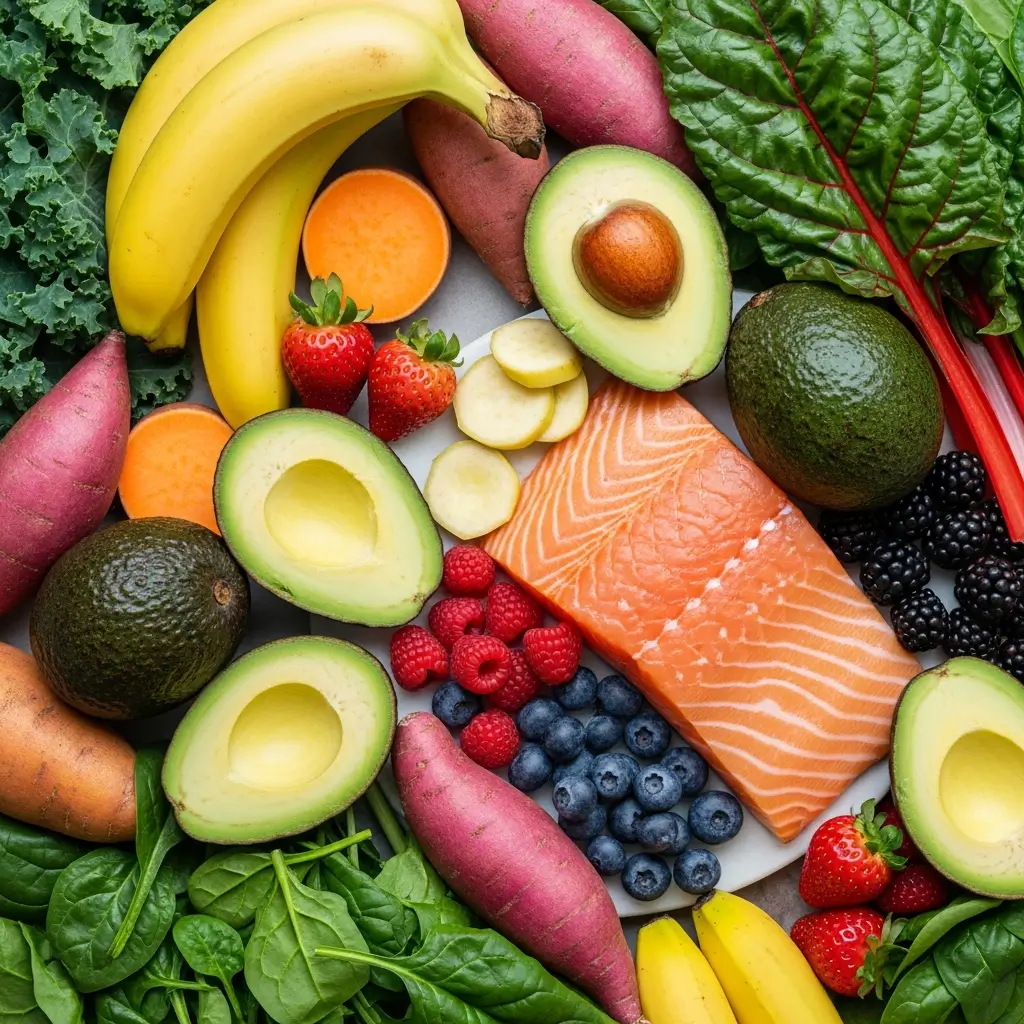
Managing tinnitus and salt intake isn’t just about restriction; it’s also about strategic addition of foods that counteract sodium’s effects and support ear health.
8.1 Potassium-Rich Foods
The science: Potassium works as sodium’s natural antagonist, helping your kidneys flush excess sodium and reduce fluid retention. Higher potassium intake is associated with lower blood pressure and better fluid balance, key factors in managing tinnitus symptoms.
Top sources to incorporate:
- Bananas: 422 mg potassium per medium banana
- Avocados: 708 mg per half avocado
- Sweet potatoes: 542 mg per medium potato
- Spinach: 840 mg per cooked cup
- Salmon: 534 mg per 3 oz serving
- White beans: 1,004 mg per cup
- Coconut water: 600 mg per cup
How they help tinnitus: By promoting sodium excretion and reducing fluid retention, potassium-rich foods help decrease inner-ear pressure and may reduce the intensity of ringing or fullness sensations.
8.2 Anti-Inflammatory Choices
Chronic inflammation can worsen tinnitus by affecting cochlear health and nerve function. Incorporate these anti-inflammatory powerhouses:
- Leafy greens: Kale, Swiss chard, collard greens
- Berries: Blueberries, strawberries, blackberries (high in antioxidants)
- Turmeric: Contains curcumin, a potent anti-inflammatory compound
- Ginger: Supports circulation and reduces inflammation
- Fatty fish: Wild salmon, sardines, mackerel (omega-3 fatty acids)
- Walnuts and flaxseeds: Plant-based omega-3s
8.3 Hydrating Foods and Fluids
Proper hydration helps regulate inner-ear fluid composition and supports healthy blood pressure. Focus on:
- Water: Aim for 8-10 glasses daily
- Herbal teas: Chamomile, peppermint, ginger (caffeine-free options)
- Cucumber: 96% water content
- Watermelon: Hydrating and potassium-rich
- Celery: High water content plus natural sodium in healthy amounts
- Citrus fruits: Oranges, grapefruit (vitamin C supports vascular health)
Pro tip: Don’t restrict fluids, thinking it will reduce ear fluid; this backfires. Adequate hydration helps your body maintain proper osmotic balance and actually supports better inner-ear function.
Practical Tips to Reduce Salt and Control Tinnitus Symptoms
Ready to take action? Implement these evidence-based strategies to manage tinnitus and salt intake effectively:
1. Master Label Reading
The skill: Check the “Sodium” line on nutrition labels and calculate the percentage of the daily value.
The goal is to choose products with less than 5% of the Daily Value (DV) per serving, which qualify as “low sodium.”
Watch for serving sizes: Many packages contain 2-4 servings but are labeled as single-serve. That 400 mg sodium listing might actually be 1,600 mg if you eat the whole package.
2. Cook at Home More Often
Why it works: You control every ingredient, making sodium management dramatically easier.
Quick wins:
- Prepare extra portions and freeze for busy nights
- Use meal prep Sundays to batch-cook low-sodium options
- Master 3-5 simple, low-sodium recipes you actually enjoy
3. Replace Salt with Flavor Boosters
The mistake: Thinking low-sodium food must be bland.
The solution: Deploy herbs, spices, acids, and aromatics for incredible flavor without sodium:
- Fresh herbs: Basil, cilantro, parsley, rosemary, thyme
- Spices: Cumin, paprika, turmeric, black pepper, cinnamon
- Aromatics: Garlic, onions, shallots, ginger
- Acids: Lemon juice, lime juice, vinegar
- Heat: Red pepper flakes, cayenne (if tolerated)
Example transformation: Plain chicken breast seasoned with rosemary, garlic, and lemon juice is incredibly flavorful without added salt.
4. Stay Strategically Hydrated
The guideline: Drink water consistently throughout the day, especially after high-sodium meals.
Why it helps: Adequate hydration helps your kidneys process and excrete excess sodium, reducing the duration and intensity of tinnitus flare-ups.
Avoid: Excessive caffeine or alcohol, which can worsen dehydration and potentially intensify tinnitus.
5. Track Symptoms with a Tinnitus Diet Journal
The method: For 2-4 weeks, record:
- Everything you eat and drink (with approximate sodium amounts)
- Tinnitus intensity (scale of 1-10) three times daily
- Any ear fullness, pressure, or related symptoms
- Other factors (stress, sleep, noise exposure)
The payoff: You’ll identify your personal triggers and discover which dietary changes provide the most symptom relief. Many people find this data invaluable when working with healthcare providers.
6. Plan for Restaurant Meals
Strategies:
- Review menus online beforehand and identify lower-sodium options
- Ask for sauces and dressings on the side
- Request grilled instead of fried preparations
- Skip appetizers (usually sodium bombs)
- Drink extra water with restaurant meals
When Salt Is Not the Issue: Other Dietary Triggers
While this article focuses on tinnitus and salt intake, it’s important to acknowledge that sodium isn’t the only dietary factor affecting ear symptoms. Research on the connections between diet and tinnitus continues to evolve. Consider these additional triggers:
| Trigger | Mechanism | Management Strategy |
|---|---|---|
| Caffeine | Stimulates the nervous system; may constrict blood vessels | Limit to 200 mg/day; monitor individual response |
| Sugar | Causes insulin spikes affecting the inner-ear fluid | Choose complex carbs over simple sugars |
| Alcohol | Alters blood flow; causes dehydration | Moderate intake or eliminate if sensitive |
| Artificial Sweeteners | May affect nerve function in sensitive individuals | Try eliminating for 2-3 weeks to assess |
| Dehydration | Concentrates inner-ear fluids; worsens circulation | Maintain consistent hydration throughout the day |
Some people find their tinnitus is multifactorially triggered by a combination of sodium, caffeine, and stress, for example. Your symptom journal will help identify whether you have multiple dietary triggers or if sodium is your primary concern.
When to See a Doctor or Audiologist
While dietary management helps many people, certain situations warrant professional evaluation:
Seek medical attention if you experience:
- Persistent or progressive worsening tinnitus despite dietary modifications
- Tinnitus combined with hearing loss, especially sudden hearing changes
- Severe dizziness or vertigo accompanying ear symptoms
- Pulsatile tinnitus (rhythmic whooshing) may indicate vascular issues requiring evaluation
- Tinnitus in only one ear warrants a thorough evaluation to rule out serious conditions
- Concerns about hypertension or cardiovascular health
The right specialists:
- Audiologist: Hearing tests, tinnitus evaluation, management strategies
- Otolaryngologist (ENT): Medical evaluation, diagnosis of underlying conditions
- Primary care physician: Blood pressure management, overall health assessment
Don’t suffer in silence. While the relationship between tinnitus and salt intake is real and manageable for many people, professional guidance ensures you’re not missing underlying conditions that require treatment.
Conclusion
The connection between tinnitus and salt intake is clear, scientifically validated, and most importantly, actionable. High sodium consumption affects tinnitus through multiple pathways: increasing inner-ear fluid pressure, elevating blood pressure, and compromising the microcirculation that nourishes your auditory system.
The good news? For many people, dietary sodium modification provides measurable relief. By targeting 1,500-2,000 mg of sodium daily, avoiding processed foods, and incorporating potassium-rich and anti-inflammatory choices, you can significantly reduce tinnitus intensity and frequency.
Remember these key takeaways:
- Salt doesn’t typically cause tinnitus, but powerfully exacerbates existing symptoms
- Restaurant and processed foods make sodium overload almost inevitable
- Symptom tracking reveals your personal triggers and helps measure progress
- Potassium-rich foods actively counteract sodium’s negative effects
- Professional evaluation is appropriate for persistent or worsening symptoms
Your next step: Start your tinnitus diet journal today. For the next two weeks, note your sodium intake and tinnitus patterns. The insights you gain will empower you to make informed dietary choices that could dramatically improve your quality of life.
Living with tinnitus is challenging, but understanding the role of salt gives you a powerful tool for symptom management. Diet-based tinnitus triggers are often highly manageable with knowledge, commitment, and strategic food choices. You can turn down the volume on those persistent ear sounds and reclaim the quiet moments you deserve.
FAQ
Does salt make tinnitus worse?
Yes, high salt intake can worsen tinnitus symptoms by increasing inner-ear fluid pressure, elevating blood pressure, and affecting circulation to the auditory system.
How much sodium should I consume if I have tinnitus?
For tinnitus management, aim for 1,500-2,000 mg of sodium per day, which is lower than the general recommendation of 2,300 mg per day.
What foods should I avoid if I Have tinnitus?
Avoid high-sodium foods, including processed meats, packaged snacks, fast food, canned soups, and restaurant meals, which can trigger tinnitus flare-ups.