Table of Contents
Introduction: The Surprising Link Between Hydration and Tinnitus
If you’ve ever experienced that persistent ringing, buzzing, or humming in your ears, you know how frustrating tinnitus can be. This common auditory condition affects millions of people worldwide, with triggers ranging from loud noise exposure and stress to certain medications and underlying health conditions. But here’s something that might surprise you: something as simple as not drinking enough water could be making your ear ringing worse.
Can dehydration cause tinnitus? While the relationship between hydration and ear health isn’t always straightforward, emerging evidence suggests that fluid balance plays a more significant role in tinnitus than many people realize. In this comprehensive guide, we’ll explore how dehydration affects your auditory system, why staying hydrated matters for ear health, and practical steps you can take to potentially reduce your tinnitus symptoms through better hydration habits.
Can Dehydration Really Cause Tinnitus? (Short Answer)
Let’s cut straight to the point: dehydration may not directly cause tinnitus in most cases, but it can significantly worsen existing symptoms and, in some situations, trigger temporary ear ringing.
When your body loses more fluids than it takes in, the delicate balance required for optimal auditory function becomes disrupted. The inner ear depends on proper fluid levels to transmit sound signals effectively. Dehydration impacts blood circulation, electrolyte balance, and nerve signaling all critical components of healthy hearing. Think of it this way: just as a plant wilts without adequate water, your auditory system struggles to perform at its best when you’re dehydrated.
For individuals already prone to tinnitus, insufficient hydration can amplify the intensity and frequency of ear ringing episodes. Understanding this connection empowers you to take proactive steps toward symptom management.
How Hydration Affects the Ears and Auditory System
Your ears are remarkably sophisticated organs, and proper hydration is essential for their optimal function. The inner ear contains fluid-filled chambers that play a crucial role in both hearing and balance. Here’s how water levels throughout your body directly impact your auditory system:
Blood Flow to the Cochlea
The cochlea, your ear’s spiral-shaped hearing organ, requires consistent blood flow to deliver oxygen and nutrients to thousands of tiny hair cells responsible for converting sound waves into electrical signals. When you’re dehydrated, blood volume decreases, reducing circulation to these delicate structures. Compromised blood flow means these cells can’t function optimally, potentially leading to distorted sound perception or heightened tinnitus.
Electrolyte Balance
Your body relies on electrolytes minerals like sodium, potassium, and magnesium to transmit electrical signals between nerve cells. The auditory nerve uses these signals to communicate sound information to your brain. Dehydration disrupts electrolyte concentrations, interfering with this communication pathway and potentially triggering or intensifying ear ringing.
Nerve Signaling
Proper hydration maintains the fluid balance necessary for efficient nerve impulse transmission. When you’re dehydrated, nerve cells throughout your body (including those in your auditory system) struggle to fire correctly, which can manifest as phantom sounds or increased tinnitus perception.
Ear Pressure Regulation
The middle ear connects to your throat through the Eustachian tube, which helps equalize pressure. Dehydration can thicken mucus membranes and affect pressure regulation, creating a sensation of fullness or pressure that often accompanies or worsens tinnitus symptoms.
Comparison: Think of your auditory system like a high-quality speaker system. When properly powered and maintained, it delivers clear, accurate sound. But reduce the power supply (analogous to dehydration), and you get distortion, static, or irregular output similar to how tinnitus presents itself.
Symptoms of Dehydration That Overlap With Tinnitus
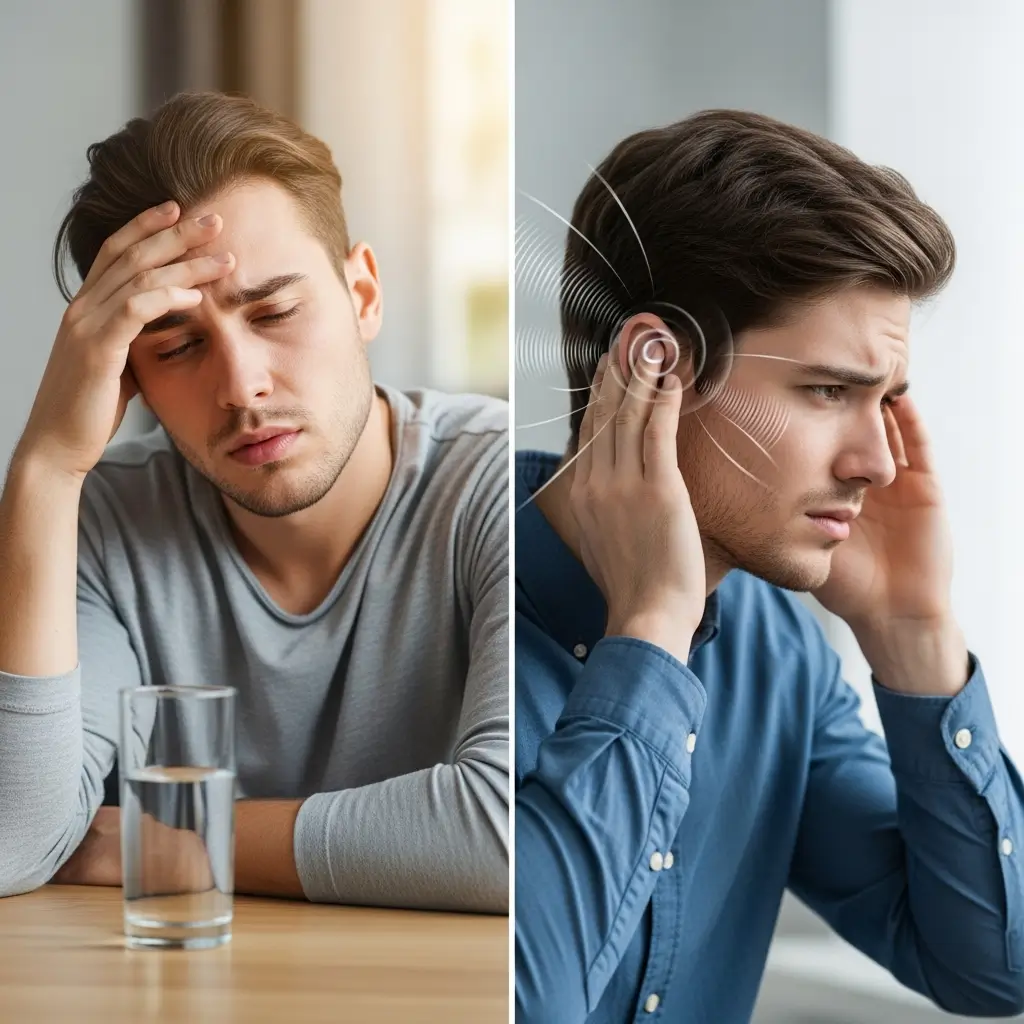
One reason the dehydration-tinnitus connection often goes unnoticed is that many dehydration symptoms overlap with or accompany ear ringing. Recognizing these signs can help you identify whether insufficient fluid intake might be contributing to your auditory issues:
| Dehydration Symptom | How It Relates to Tinnitus |
|---|---|
| Dizziness | Both inner ear fluid imbalance and dehydration cause vertigo and lightheadedness |
| Headaches | Tension and vascular headaches from dehydration can intensify tinnitus perception |
| Ear Pressure | Fluid imbalance creates fullness sensation that amplifies awareness of ear ringing |
| Dry Mouth/Throat | Mucous membrane dehydration affects Eustachian tube function |
| Fatigue | Low energy heightens stress, which increases tinnitus sensitivity |
| Difficulty Concentrating | Both conditions impair cognitive function and focus |
When these symptoms appear together, it’s a strong indicator that dehydration may be playing a role in your tinnitus experience. The good news? Addressing your hydration status might improve multiple symptoms simultaneously.
Why Dehydration May Trigger or Worsen Tinnitus
Understanding the mechanisms behind the hydration-tinnitus relationship helps explain why something as simple as drinking water can make a noticeable difference in your symptoms.
5.1 Reduced Blood Flow to the Inner Ear
Your inner ear contains some of the smallest blood vessels in your entire body. These microscopic capillaries are incredibly sensitive to changes in blood volume and circulation. When dehydration reduces overall blood volume, blood pressure drops and circulation becomes less efficient. The inner ear, being at the end of the circulatory line, receives reduced oxygen and nutrient delivery. This compromised blood flow can trigger tinnitus or make existing ear ringing more pronounced.
Poor circulation also affects the removal of metabolic waste products from inner ear tissues, potentially contributing to inflammation and cellular stress that manifest as auditory symptoms.
5.2 Electrolyte Imbalance
Dehydration doesn’t just mean water loss, it means electrolyte disruption. Key minerals that support auditory function include:
- Magnesium: Protects inner ear hair cells from damage and supports nerve function
- Potassium: Regulates fluid in the inner ear and maintains proper ion channels
- Sodium: Helps maintain cellular fluid balance and nerve signal transmission
When these minerals fall out of balance due to dehydration, the electrical signals in your auditory pathway become irregular. This disruption can create the phantom sounds characteristic of tinnitus or amplify existing symptoms.
5.3 Increased Stress Hormones
Your body perceives dehydration as a physiological stressor, triggering the release of cortisol and other stress hormones. Elevated cortisol has a well-documented connection to tinnitus, it increases nervous system sensitivity and can heighten your perception of phantom sounds. This creates a problematic cycle: dehydration causes stress, stress worsens tinnitus, and tinnitus causes more stress.
Additionally, stress hormones can cause blood vessels to constrict, further reducing blood flow to the inner ear and compounding circulation-related tinnitus issues.
5.4 Thickened Blood
Proper hydration keeps your blood at optimal viscosity for smooth flow through blood vessels. When you’re dehydrated, blood becomes thicker and more viscous, making it harder for your heart to pump efficiently. This thickened blood struggles to deliver oxygen to delicate structures like the cochlea’s hair cells.
Thicker blood also increases the risk of turbulent flow in blood vessels near the ear, which some researchers believe contributes to pulsatile tinnitus a rhythmic whooshing or thumping sound that matches your heartbeat.
How to Know If Your Tinnitus Is Dehydration-Related
Not all tinnitus stems from hydration issues, but certain patterns suggest a connection. Your ear ringing may be dehydration-related if you notice:
Timing Patterns:
- Symptoms worsen after physical exercise without adequate fluid replacement
- Ear ringing intensifies during hot weather or in heated environments
- Tinnitus spikes after consuming diuretic beverages (coffee, alcohol, energy drinks)
- Symptoms become more noticeable in the afternoon or evening when you’ve gone hours without drinking water
Response to Hydration:
- Ear ringing noticeably improves within 30-60 minutes of drinking water
- Tinnitus intensity decreases when you maintain consistent hydration throughout the day
- Symptoms reduce when you drink electrolyte-enhanced beverages
Accompanying Signs:
- Your tinnitus appears alongside thirst, dark urine, dry mouth, or fatigue
- You experience both ear ringing and dizziness or lightheadedness
- Symptoms correlate with periods of increased sweating or reduced fluid intake
Simple Test: Pay attention to your tinnitus levels first thing in the morning (after overnight fluid loss) versus after you’ve hydrated throughout the day. If there’s a noticeable difference, dehydration may be a contributing factor.
Best Ways to Hydrate to Reduce Tinnitus Symptoms
If dehydration contributes to your tinnitus, implementing proper hydration strategies can provide significant relief. Here’s how to optimize your fluid intake for ear health:
7.1 Water Intake Guidelines
The classic “eight glasses a day” rule is a starting point, but individual needs vary based on body size, activity level, climate, and overall health.
General Recommendations:
- Men: Approximately 3.7 liters (125 ounces) of total fluids daily
- Women: Approximately 2.7 liters (91 ounces) of total fluids daily
- Active individuals: Add 1.5-2.5 cups for every hour of exercise
- Hot climates: Increase intake by 20-30%
Practical tip: According to Harvard Health, you can divide your body weight (in pounds) by two that’s roughly how many ounces of water you should aim for daily. A 150-pound person would target about 75 ounces.
7.2 Electrolyte Support
Water alone isn’t always enough, especially if you’re replacing significant fluid loss from sweating or dealing with chronic tinnitus. Electrolytes enhance hydration efficiency and support nerve function.
Smart Electrolyte Choices:
- Magnesium-rich options: Coconut water, magnesium supplements, or magnesium-infused beverages (300-400mg daily)
- Low-sugar electrolyte blends: Look for products with minimal added sugars and balanced sodium-potassium ratios
- Natural sources: Add a pinch of sea salt and squeeze of lemon to water for homemade electrolyte support
- Avoid: High-sugar sports drinks that can cause inflammation and worsen tinnitus
Expert Insight: “Magnesium deficiency has been linked to increased tinnitus susceptibility. Ensuring adequate magnesium intake through diet or supplementation may help protect inner ear structures and reduce symptom severity.”
7.3 Foods High in Water Content
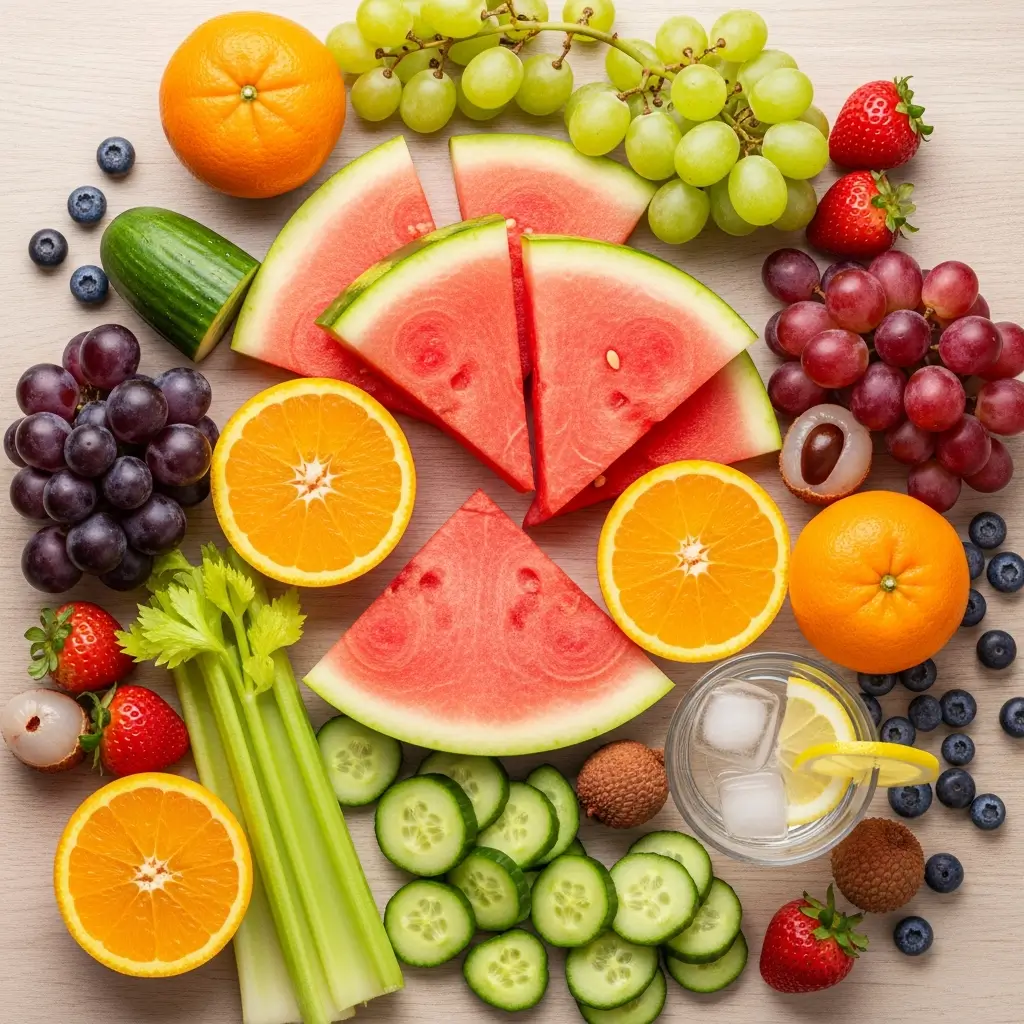
Your individual water needs may be greater than the recommendation, depending on the temperature, your activity level, and whether you are pregnant or breastfeeding, among other factors. Research shows that about 20% of our daily fluid intake comes from water-rich foods, so incorporating hydrating foods alongside water consumption provides comprehensive hydration support.
Top Hydrating Foods for Tinnitus Relief:
- Cucumber (96% water): Provides silica, supporting connective tissue health
- Watermelon (92% water): Rich in lycopene and vitamin C
- Celery (95% water): Contains beneficial electrolytes
- Oranges (87% water): High vitamin C supports vascular health
- Strawberries (91% water): Antioxidants combat oxidative stress
- Lettuce (96% water): Adds hydration to meals without added calories
- Zucchini (94% water): Versatile and nutrient-dense
Meal Idea: Create a hydrating smoothie with watermelon, cucumber, orange, and a handful of spinach refreshing hydration with tinnitus-fighting nutrients.
7.4 Hydration Timing Tips
When you drink matters as much as how much you drink. Strategic timing maintains consistent hydration levels throughout the day.
Optimal Hydration Schedule:
- Morning: Start with 16-20 ounces of water upon waking to replenish overnight fluid loss
- Throughout the day: Sip 8-12 ounces every 1-2 hours rather than chugging large amounts at once
- Before meals: Drink water 30 minutes before eating to support digestion and nutrient absorption
- During exercise: Consume 7-10 ounces every 10-20 minutes of activity
- Evening: Taper intake 1-2 hours before bed to avoid sleep disruption while maintaining hydration
Pro tip: Set phone reminders or use a marked water bottle to track intake throughout the day. Consistency prevents the dehydration dips that can trigger tinnitus spikes.
Habits That Increase Dehydration and Spike Tinnitus
Identifying and modifying dehydration promoting habits is crucial for managing tinnitus symptoms. These common behaviors can sabotage your hydration efforts:
Excessive Caffeine
Coffee, tea, and energy drinks contain caffeine, a diuretic that increases urine production. While moderate caffeine (1-2 cups of coffee daily) has minimal dehydrating effects if you’re well-hydrated otherwise, excessive consumption (4+ cups) can lead to fluid loss that worsens tinnitus. Additionally, caffeine stimulates the nervous system, potentially amplifying tinnitus perception independently of hydration status.
Solution: Limit caffeine to morning hours, stay under 400mg daily, and drink an extra glass of water for each caffeinated beverage consumed.
Alcohol
Alcohol is one of the most potent dehydrating substances. It suppresses antidiuretic hormone (ADH), causing your kidneys to expel more water than normal. Many tinnitus sufferers report significant symptom spikes after drinking alcohol, likely due to combined dehydration, blood vessel dilation, and nervous system effects.
Solution: If you choose to drink, alternate each alcoholic beverage with a full glass of water, and drink extra water before bed.
High-Sodium Foods
Processed foods, restaurant meals, and salty snacks contain excessive sodium that throws off your body’s fluid balance. High sodium levels pull water from cells and increase blood pressure, both of which can worsen tinnitus. Your body requires extra water to process and eliminate excess salt.
Solution: Cook meals at home using fresh ingredients, read nutrition labels, and aim for under 2,300mg of sodium daily.
Sweating Without Rehydration
Exercise, hot weather, saunas, or physically demanding work causes significant fluid and electrolyte loss through sweat. Failing to replace these losses creates a dehydration state that can trigger intense tinnitus episodes. You can lose 1-3 liters of fluid per hour during intense exercise or heat exposure.
Solution: Weigh yourself before and after exercise drink 20-24 ounces of water for every pound lost. Include electrolyte replacement for activities lasting over an hour.
Skipping Water During the Day
The most common hydration mistake is simply forgetting to drink water consistently. Many people go hours between drinks, creating dehydration valleys that stress the auditory system. By the time you feel thirsty, you’re already mildly dehydrated.
Solution: Make water constantly accessible. Keep a bottle at your desk, in your car, and by your bedside. Build drinking into your routine (e.g., water with every meal, after bathroom breaks, during TV commercial breaks).
When Hydration Isn’t the Only Cause: Other Triggers to Consider
While optimizing hydration may significantly improve tinnitus symptoms, it’s rarely the sole factor. Understanding the multifaceted nature of tinnitus helps you address the condition comprehensively.
Additional Common Tinnitus Triggers:
Loud Noise Exposure: Prolonged or sudden exposure to loud sounds damages inner ear hair cells, creating permanent or temporary tinnitus. This is the leading cause of hearing-related tinnitus.
Stress and Anxiety: Psychological stress activates the sympathetic nervous system, increasing tinnitus perception and making you more aware of phantom sounds. The stress-tinnitus relationship is bidirectional each worsens the other.
Earwax Buildup: Excessive or impacted cerumen blocks the ear canal, creating pressure changes and sound distortions that manifest as or worsen tinnitus.
Medications: Over 200 medications list tinnitus as a potential side effect, including certain antibiotics, anti-inflammatories, antidepressants, and chemotherapy drugs. These are called ototoxic medications.
Ear or Sinus Infections: Inflammation from infections affects pressure regulation and fluid balance in the middle and inner ear, often causing temporary tinnitus that resolves with treatment.
Underlying Health Conditions: Cardiovascular disease, diabetes, thyroid disorders, and temporomandibular joint (TMJ) dysfunction can all contribute to or cause tinnitus.
When to Seek Medical Advice
While improving hydration is a safe, self-manageable approach, certain situations warrant professional evaluation:
- Sudden onset of tinnitus, especially in one ear only
- Tinnitus accompanied by hearing loss, dizziness, or balance problems
- Pulsatile tinnitus (rhythmic whooshing matching your heartbeat)
- Symptoms that significantly interfere with sleep, work, or quality of life
- Tinnitus persisting despite addressing dehydration and lifestyle factors
- New tinnitus following head injury or medication changes
An audiologist or ENT specialist can conduct hearing tests, examine your ears, and help identify underlying causes requiring medical intervention.
Conclusion: Can Staying Hydrated Improve Tinnitus Long-Term?
The evidence is clear: while dehydration may not be the root cause of tinnitus for everyone, maintaining optimal hydration levels can significantly reduce symptom intensity and frequency for many sufferers. The connection between fluid balance and auditory health is undeniable your ears depend on proper blood flow, electrolyte balance, and nerve function, all of which require adequate hydration.
Key Takeaways:
- Can dehydration cause tinnitus? It can worsen existing symptoms and trigger temporary ear ringing in susceptible individuals
- The inner ear requires consistent hydration for optimal function
- Dehydration affects circulation, electrolyte balance, and stress hormones all tinnitus contributors
- Simple hydration improvements may provide noticeable relief within days
- Consistent, strategic fluid intake offers long-term symptom management
Your Action Plan:
Start by tracking your current water intake for three days, then gradually increase consumption to meet recommended levels. Pay attention to how your tinnitus responds to improved hydration many people notice differences within 3-7 days. Combine hydration optimization with other tinnitus management strategies like stress reduction, noise protection, and dietary improvements for comprehensive relief.
Remember, managing tinnitus is often about addressing multiple factors simultaneously. While staying properly hydrated won’t cure tinnitus, it’s a simple, accessible intervention that can make a meaningful difference in your daily experience with this challenging condition. For comprehensive information on tinnitus management strategies, visit the National Institute on Deafness and Other Communication Disorders for evidence-based resources. Your ears and your overall health will thank you for prioritizing consistent, adequate hydration.
Take the first step today: Fill up a water bottle, set a hydration reminder, and give your auditory system the fluid support it needs to function at its best.
FAQ
Can dehydration cause tinnitus?
While dehydration may not directly cause tinnitus in most cases, it can significantly worsen existing symptoms and trigger temporary ear ringing. Dehydration affects blood circulation, electrolyte balance, and nerve signaling, all critical for healthy hearing.
How much water should I drink to help with tinnitus?
Men should aim for approximately 3.7 liters (125 ounces) and women 2.7 liters (91 ounces) of total fluids daily. A practical guideline is to divide your body weight in pounds by two to get your target ounces of water per day.
What are signs that dehydration is worsening my tinnitus?
Your tinnitus may be dehydration-related if symptoms worsen after exercise, heat exposure, or consuming caffeine/alcohol, improve within 30-60 minutes of drinking water, or appear alongside typical dehydration signs like dizziness, headaches, and dry mouth.
What foods help with hydration and tinnitus?
Water-rich foods include cucumber (96% water), watermelon (92%), celery (95%), oranges (87%), strawberries (91%), lettuce (96%), and zucchini (94%). These foods provide hydration plus vitamins and minerals that benefit ear health.