Table of Contents
If you’re one of the millions experiencing persistent ringing, buzzing, or humming in your ears, you’ve likely noticed that certain lifestyle habits can make your symptoms flare up. The connection between alcohol and tinnitus is one that many sufferers report experiencing, and it deserves closer examination.
Understanding alcohol and tinnitus can be crucial, whether you’re dealing with occasional ear ringing or chronic symptoms. Many people notice their ear ringing intensifies after drinking, raising important questions about alcohol and tinnitus interactions. The relationship between alcohol and tinnitus involves multiple biological mechanisms that we’ll explore in detail.
In this comprehensive guide, we’ll examine the science behind how alcohol and tinnitus are connected, what research reveals about alcohol and tinnitus symptom changes, and provide practical strategies to help you navigate social situations. The alcohol and tinnitus connection affects individuals differently, but understanding these patterns can help you make informed choices about managing your alcohol and tinnitus symptoms effectively.
How Alcohol Affects the Body and Ears
How Alcohol Impacts Blood Vessels
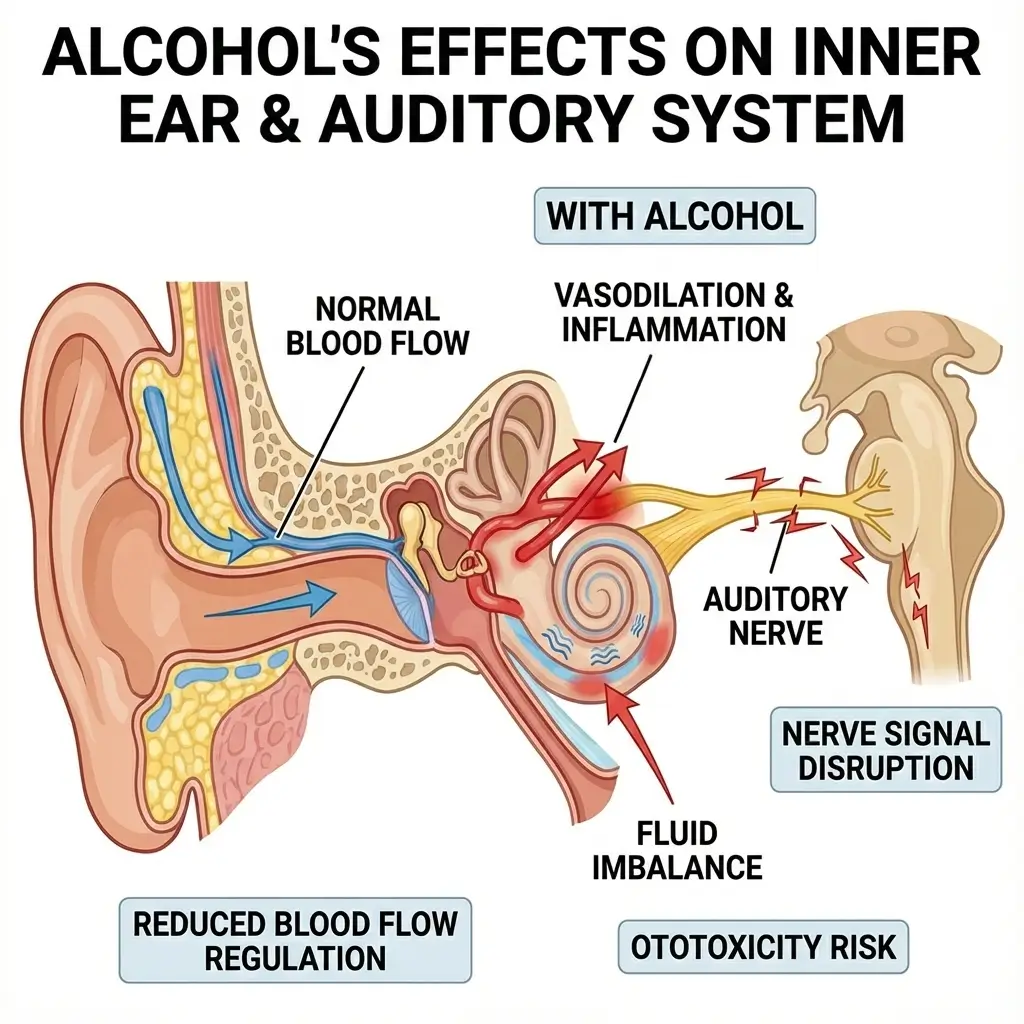
When you consume alcohol, your body responds in several measurable ways. One of the most immediate effects involves your cardiovascular system. Alcohol causes vasodilation, the widening of blood vessels throughout your body, including those in your head and ears.
Here’s what happens:
- Blood vessels expand, allowing increased blood flow to reach your auditory system
- Enhanced circulation to the inner ear can amplify the perception of internal sounds
- The pulsing of blood through dilated vessels near the ear structures becomes more noticeable
For someone without tinnitus, this increased blood flow might go unnoticed. However, for those already experiencing ear ringing, this heightened circulation can make existing symptoms significantly more prominent and bothersome.
Alcohol’s Effect on the Auditory System
The relationship between alcohol consumption and your hearing apparatus extends beyond simple blood flow changes. Your inner ear contains delicate structures that rely on precise fluid balance and nerve function.
Key impacts on the auditory system:
| Effect | What Happens | Impact on Tinnitus |
|---|---|---|
| Fluid Balance Disruption | Alcohol alters endolymph fluid in the cochlea | May intensify ringing sensations |
| Nerve Signal Changes | Neurotransmitter levels fluctuate | Can heighten sound sensitivity |
| Temporary Sensitivity | Auditory processing becomes more reactive | Ordinary sounds may seem louder |
These physiological changes explain why many individuals report that their tinnitus alcoholism symptoms worsen during or after drinking episodes. The auditory nerve, which transmits sound signals to your brain, becomes more excitable under alcohol’s influence, potentially amplifying the phantom sounds characteristic of tinnitus.
Can Alcohol Make Tinnitus Worse? What Research Shows
The question of whether alcohol and tinnitus symptoms are truly connected has been extensively studied by researchers worldwide. Understanding alcohol and tinnitus research helps clarify why so many people report symptom changes after drinking.
Scientific Findings
The scientific community has investigated the connection between alcohol consumption and tinnitus severity with varying results. Research presents a nuanced picture that challenges simple cause and effect assumptions.
Several peer-reviewed studies have examined this relationship:
A study published in the American Journal of Medicine found that moderate alcohol consumption didn’t universally worsen tinnitus symptoms across all participants. However, individual responses varied significantly, with approximately 30-40% of subjects reporting noticeable symptom increases after drinking. The American Tinnitus Association provides additional resources on lifestyle factors that influence tinnitus severity.
Research from audiology departments has documented that alcohol can temporarily increase tinnitus intensity for durations ranging from a few hours to several days post-consumption. The severity of this effect appears dose-dependent, meaning higher alcohol intake correlates with more pronounced symptoms.
Interestingly, some investigations have yielded mixed or even contradictory findings. Certain studies suggest that small amounts of alcohol might provide temporary relief for some individuals, possibly due to alcohol’s anxiolytic (anxiety-reducing) properties. However, these same studies emphasize that any initial relief typically gives way to rebound symptoms as alcohol metabolizes.
Why Reactions Vary From Person to Person
If you’ve noticed that your response to alcohol tinnitus differs from others, you’re observing a genuine phenomenon backed by scientific understanding.
Factors influencing individual responses:
- Metabolic differences: Genetic variations in alcohol dehydrogenase and aldehyde dehydrogenase enzymes affect how quickly your body processes alcohol
- Pre-existing ear conditions: Those with Meniere’s disease, acoustic trauma history, or age-related hearing loss may experience more severe reactions
- Underlying health factors: Cardiovascular health, inflammation levels, and circulation efficiency all play roles in determining your sensitivity
This variability means that while your friend might enjoy a glass of wine without consequence, you could experience noticeable symptom increases from the same amount. There’s no universal threshold; your personal tolerance requires individual assessment.
Why Alcohol Might Trigger Tinnitus Symptoms
Several mechanisms explain the alcohol and tinnitus connection. Understanding why alcohol and tinnitus interact helps you recognize and manage potential triggers more effectively.
Blood Pressure Fluctuations
Blood pressure plays a crucial role in tinnitus perception, and alcohol consumption creates a roller coaster effect on these levels.
In the short term, alcohol typically lowers blood pressure as blood vessels dilate. However, as your body metabolizes the alcohol, blood pressure can spike above baseline levels, sometimes significantly so, especially with heavy consumption.
Both scenarios are problematic for tinnitus:
- Low blood pressure: Reduced circulation to the inner ear may trigger compensatory mechanisms that heighten tinnitus awareness
- High blood pressure: Increased force of blood flow creates more pronounced pulsatile sounds that manifest as rhythmic ringing or whooshing
This double edged sword effect explains why tinnitus sufferers often report symptoms both during drinking and the following day.
Dehydration and Ear Ringing
Perhaps one of the most underappreciated factors in the alcohol and tinnitus relationship is dehydration. Alcohol functions as a diuretic, increasing urine production and depleting your body’s fluid reserves.
Your inner ear depends on proper hydration for optimal function. The cochlea, which houses your hearing sensory cells, requires stable fluid levels to transmit sound signals accurately. When dehydration occurs:
- Endolymph and perilymph fluids become more viscous
- Hair cells in the cochlea may become irritated
- Neural signals can become distorted or amplified
A study tracking hydration status and tinnitus severity found that even mild dehydration (2-3% body weight loss through fluid deficit) correlated with measurable increases in reported tinnitus intensity.
Increased Anxiety the Day After Drinking
The term “hangxiety” has gained popularity for good reason; it describes the very real phenomenon of heightened anxiety following alcohol consumption. This isn’t just psychological discomfort; it’s rooted in neurochemistry.
Alcohol temporarily boosts GABA (gamma-aminobutyric acid), your brain’s primary inhibitory neurotransmitter, while suppressing glutamate, an excitatory neurotransmitter. When alcohol leaves your system, these levels rebound sharply in the opposite direction, creating:
- Increased neural excitability
- Heightened stress response
- Enhanced sensitivity to stimuli, including tinnitus
Since anxiety and tinnitus share a bidirectional relationship, each can worsen the other. This post-drinking anxiety spike can significantly amplify your awareness of ear ringing. Many people report that their tinnitus alcoholism symptoms feel most severe not during drinking, but during the anxious hours or days following consumption.
Sleep Disturbances
Quality sleep serves as a protective factor against tinnitus severity. Unfortunately, alcohol disrupts multiple sleep stages, particularly REM (rapid eye movement) sleep, which plays a crucial role in neural restoration and stress processing.
Alcohol’s sleep interference includes:
- Fragmented sleep architecture with frequent micro-awakenings
- Reduced deep sleep stages
- Increased sleep apnea risk
- Earlier morning awakening
Poor sleep creates a perfect storm for tinnitus aggravation. Fatigue lowers your stress tolerance, reduces your ability to habituate to tinnitus sounds, and increases emotional reactivity, all factors that make ear ringing more bothersome and noticeable.
Does the Type of Alcohol Matter?
Beer
Beer presents unique considerations for tinnitus sufferers beyond its alcohol content. The combination of ingredients and compounds in beer can influence symptoms through multiple pathways.
Sodium content in beer varies by brand but can contribute to fluid retention, potentially increasing pressure in the inner ear. Additionally, carbonation may cause temporary bloating that some individuals associate with symptom changes. For those sensitive to gluten or grains, the immune response triggered by beer consumption could contribute to systemic inflammation affecting the auditory system.
Wine
Wine, particularly red varieties, contains histamine compounds that trigger inflammatory responses in sensitive individuals. Histamine intolerance affects a substantial portion of the population and can manifest in various ways, including:
- Vasodilation and blood vessel permeability changes
- Inflammatory cascade activation
- Fluid balance alterations
Red wine also contains sulfites (preservatives) and tannins, both of which some tinnitus sufferers identify as personal triggers. White wine typically contains lower histamine levels but still poses dehydration and alcohol related risks.
Spirits (Vodka, Whiskey, Rum, etc.)
Hard liquor presents the highest alcohol concentration per serving, which intensifies dehydration effects. A single shot of spirits contains the same alcohol as a standard beer or glass of wine, but in much less volume, meaning you’re consuming less fluid overall.
Darker spirits like whiskey, rum, and bourbon contain more congeners, byproducts of fermentation and aging that contribute to hangover severity. These compounds may increase inflammatory responses and worsen next day alcohol tinnitus symptoms.
Summary: It’s Usually the Alcohol, Not the Drink Type
While individual triggers certainly exist, research suggests the primary culprit remains the alcohol itself rather than the specific beverage type. That said, personal sensitivities matter significantly.
Your experience might differ based on:
- Your histamine sensitivity (affecting wine tolerance)
- Inflammatory tendency (affecting congener-rich drinks)
- Sodium sensitivity (affecting beer response)
- Hydration habits (affecting spirit consumption consequences)
How Much Alcohol Is Too Much for Tinnitus Sufferers?
Standard health guidelines define moderate drinking as up to one drink daily for women and up to two for men. However, when managing tinnitus, these general recommendations require personalization.
Alcohol intake classifications:
- Light consumption: 1-2 drinks per week
- Moderate consumption: 3-7 drinks per week
- Heavy consumption: 8+ drinks per week
For tinnitus sufferers, sensitivity varies dramatically. Some individuals notice symptom increases from a single glass of wine, while others can consume moderate amounts without significant issues. The critical factor isn’t comparing yourself to population averages, it’s identifying your personal threshold.
Important considerations:
Start with smaller amounts and track your response over 24-48 hours (symptoms may not peak immediately). Consider that your tolerance might decrease during stressful periods or when other tinnitus triggers are active. Remember that “special occasion” heavy drinking poses higher risks than regular moderate consumption due to more pronounced dehydration and sleep disruption.
Tips for Drinking Alcohol Without Worsening Tinnitus
If you choose to drink despite experiencing alcohol and tinnitus symptoms, implementing protective strategies can help minimize flare-ups. Managing alcohol and tinnitus requires a proactive approach.
Stay Hydrated
The single most effective strategy for minimizing alcohol-related tinnitus flare-ups involves aggressive hydration. Implement this practical approach:
- Drink 16 ounces of water before your first alcoholic beverage
- Alternate each alcoholic drink with a full glass of water
- Consume 16-24 ounces of water before bed
- Keep water at your bedside for middle of the night hydration
This routine can significantly reduce dehydration related tinnitus amplification and minimize next day symptom severity.
Choose Lower Congener Drinks
If you’re planning to drink, selecting beverages with fewer congeners may reduce inflammatory responses and hangover severity. Generally, clear spirits like vodka and gin contain lower congener levels compared to darker options like whiskey or rum.
However, remember that congener content matters less than total alcohol consumed and your hydration status. A vodka soda with proper hydration practices will typically cause fewer issues than any drink consumed without water.
Limit Sugar and Sodium in Mixers
Your mixer choice matters almost as much as your alcohol selection. High-sugar mixers create blood sugar fluctuations that can influence tinnitus perception, while high-sodium options contribute to fluid retention and potentially increased ear pressure.
Better mixer alternatives:
- Club soda or sparkling water with fresh citrus
- Tomato juice (low-sodium version)
- Fresh-squeezed juice diluted with water
- Coconut water for electrolyte balance
Avoid energy drink mixers, which combine high sugar with caffeine; both substances can independently worsen tinnitus symptoms.
Avoid Drinking on an Empty Stomach
Consuming alcohol without food accelerates absorption, creating sharper blood sugar drops and more pronounced physiological effects. Eating before and while drinking helps:
- Slow alcohol absorption for more gradual blood sugar changes
- Reduce gastrointestinal irritation
- Provide nutrients that support alcohol metabolism
- Decrease the likelihood of excessive consumption
Focus on protein and healthy fats, which slow alcohol absorption more effectively than simple carbohydrates.
Track Your Triggers
Creating a simple tinnitus diary provides invaluable insights into your personal patterns. Record:
- Type and amount of alcohol consumed
- Hydration practices used
- Tinnitus severity before drinking (1-10 scale)
- Tinnitus severity 2-4 hours after drinking
- Next-day tinnitus severity
- Sleep quality rating
- Other factors (stress level, medication, diet)
After several weeks of tracking, patterns typically emerge, revealing your specific sensitivities and optimal strategies.
When Alcohol-Related Tinnitus May Signal a Bigger Issue
While most alcohol-related tinnitus changes represent temporary, reversible phenomena, certain warning signs require professional medical evaluation.
Seek medical attention if you experience:
- Sudden onset of severe tinnitus following alcohol consumption, especially if accompanied by hearing loss
- Pulsatile tinnitus (rhythmic whooshing synchronized with heartbeat) that persists beyond the intoxication period
- Significant hearing loss that doesn’t fully resolve after alcohol effects subside
- Persistent dizziness or balance problems extending beyond the typical hangover duration
- Unilateral symptoms (affecting only one ear) that worsen with drinking
These symptoms could indicate conditions requiring intervention, including:
- Acoustic neuroma or other growths affecting the auditory nerve
- Meniere’s disease exacerbation
- Cardiovascular issues affecting cerebral or inner ear circulation
- Medication interactions (if taking other substances)
Additionally, if you find yourself drinking specifically to cope with tinnitus distress, or if you’re unable to reduce consumption despite worsening symptoms, discussing both your tinnitus management and alcohol use with healthcare providers becomes essential.
Safer Alternatives for Relaxation That Don’t Trigger Tinnitus
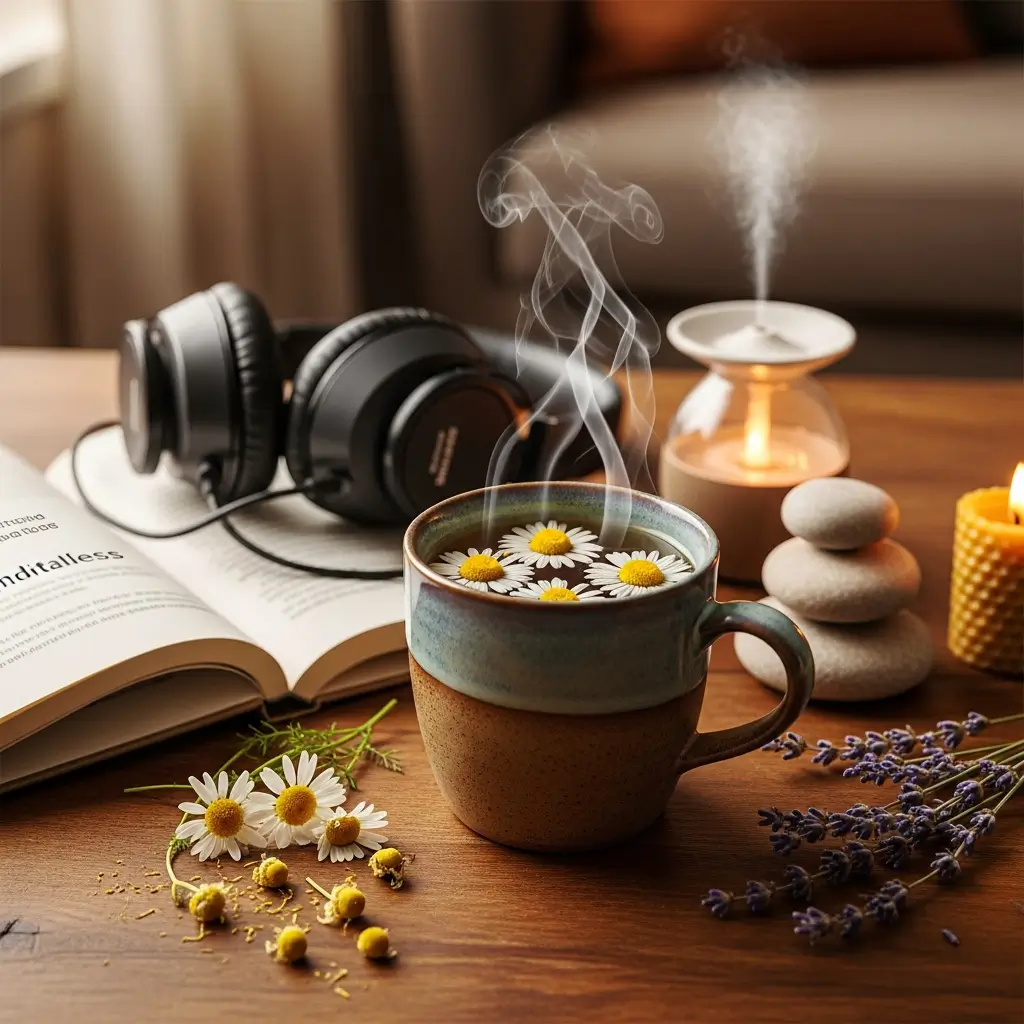
Many people consume alcohol for relaxation and stress relief. Since stress significantly influences tinnitus severity, finding alternative relaxation methods that don’t risk symptom flare-ups offers substantial benefits.
Evidence-based relaxation alternatives:
Herbal teas: Chamomile, passionflower, and lemon balm possess natural calming properties without tinnitus-triggering effects. Warm beverages also provide ritual and comfort similar to alcoholic drinks in social settings.
Breathwork and meditation: Controlled breathing exercises activate your parasympathetic nervous system, reducing stress without chemical intervention. Techniques like 4-7-8 breathing or box breathing can provide relaxation within minutes.
Gentle movement practices: Yoga, tai chi, and qigong combine physical movement with mindful awareness, offering stress reduction while improving circulation in ways that may benefit rather than harm auditory health.
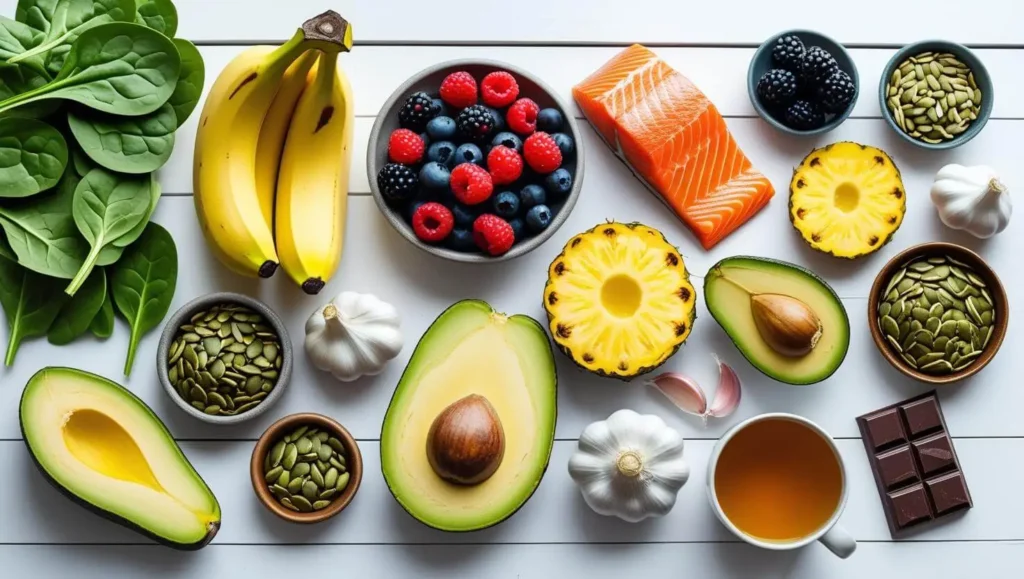
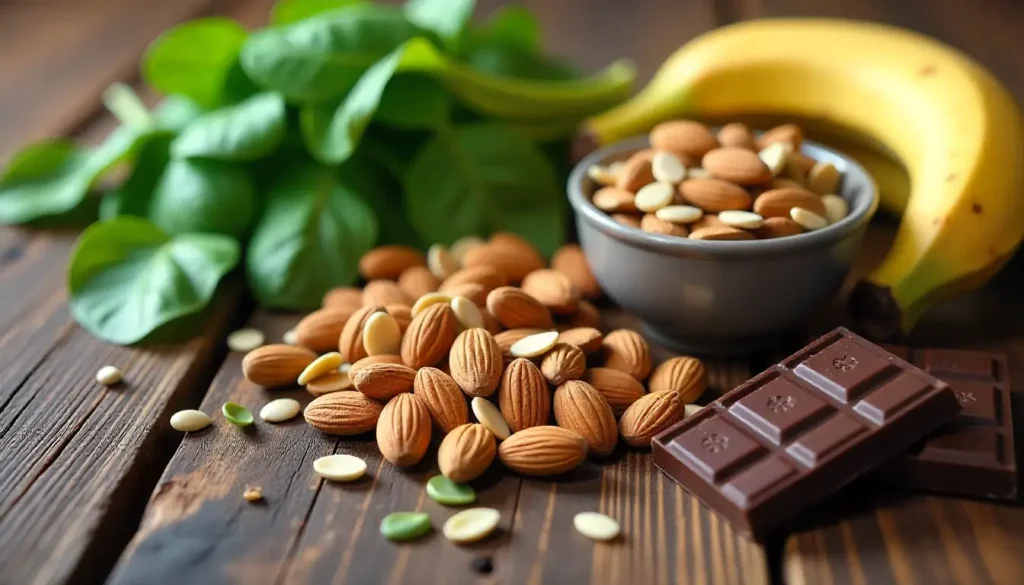
Magnesium-rich foods: Almonds, dark chocolate, avocados, and leafy greens provide magnesium, which supports nerve function and may help protect against noise-induced hearing damage while offering satisfying alternatives to alcoholic indulgences.
Mocktails and alcohol-free alternatives: The growing market of sophisticated alcohol-free spirits and wines allows social participation without the physiological impacts. Many find that the ritual and flavor experience matter more than alcohol content itself.
Conclusion
The relationship between alcohol and tinnitus proves more complex than simple cause and effect. Research on alcohol and tinnitus demonstrates that alcohol can worsen tinnitus in many individuals through mechanisms including dehydration, blood pressure fluctuations, inflammatory responses, and sleep disruption. However, personal responses to alcohol and tinnitus vary significantly.
Understanding alcohol and tinnitus interactions empowers you to make informed decisions. For some tinnitus sufferers, even small amounts of alcohol trigger noticeable symptom increases. Others tolerate moderate consumption without significant alcohol and tinnitus issues, particularly when implementing protective strategies like aggressive hydration and trigger tracking.
Key takeaways about alcohol and tinnitus:
- Alcohol and tinnitus connections involve multiple biological pathways, not just one mechanism
- Individual sensitivity to alcohol and tinnitus varies based on genetics, underlying health conditions, and current stress levels
- Practical strategies like hydration, mixer selection, and consumption tracking can minimize alcohol and tinnitus risks
- Warning signs like sudden, severe symptoms or persistent hearing changes require medical evaluation
- Effective relaxation alternatives exist that provide stress relief without alcohol and tinnitus symptom aggravation
The most empowering approach to managing alcohol and tinnitus involves treating your response to alcohol as personal data requiring investigation rather than accepting one size fits all advice. Experiment mindfully, track your alcohol and tinnitus patterns, and make informed choices aligned with your symptom management goals.
Whether you choose to eliminate alcohol, consume it occasionally with careful precautions, or continue moderate use while monitoring for changes, understanding the alcohol tinnitus connection equips you with knowledge to make decisions supporting your auditory health and overall well-being.
FAQ
Does alcohol make tinnitus worse?
Yes, alcohol can make tinnitus worse for many people through dehydration, blood pressure changes, sleep disruption, and inflammation. However, individual responses vary significantly.
Why does my tinnitus get worse after drinking alcohol?
Alcohol worsens tinnitus through vasodilation (blood vessel widening), dehydration affecting inner ear fluid balance, disrupted sleep quality, and increased anxiety the day after drinking.
What type of alcohol is best for tinnitus sufferers?
Clear spirits like vodka typically contain fewer congeners and may produce less inflammation than darker drinks. However, the alcohol content itself is usually more important than the beverage type.
How can I drink alcohol without worsening tinnitus?
Stay well-hydrated by alternating alcohol with water, choose lower congener drinks, avoiding sugary mixers, eating before drinking, and tracking your personal triggers in a diary.